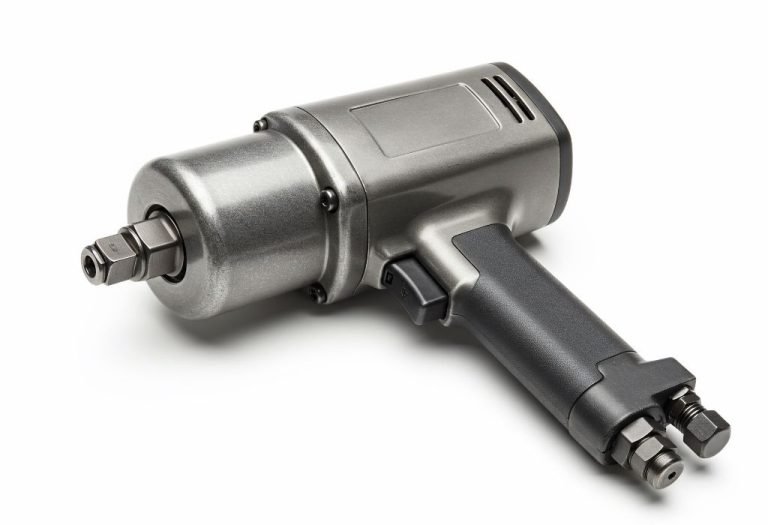
Why Is My Air Impact Wrench Weak and How to Fix
Few things frustrate a DIY mechanic more than an air impact wrench that suddenly loses its punch. You squeeze the trigger expecting that familiar burst of torque, yet the tool sputters, barely loosening a stubborn bolt. It’s a common problem that leaves many asking, why is my air impact wrench weak?
This issue isn’t limited to worn-out tools. Even new pneumatic wrenches can lose performance due to poor air supply, restricted airflow, or small compressors. According to pneumatic tool studies, about 40% of low-torque complaints come from air delivery problems, not the wrench itself. That means your tool might be fine — but your setup isn’t.
The good news is that weakness in air impact wrenches is usually reversible. By understanding airflow, compressor capacity, and tool maintenance, you can restore full power and extend tool life. This guide explains all the reasons your wrench might feel underpowered, how to diagnose the issue, and the exact fixes that get it hitting hard again.
Understanding What “Weak” Means for an Air Impact Wrench
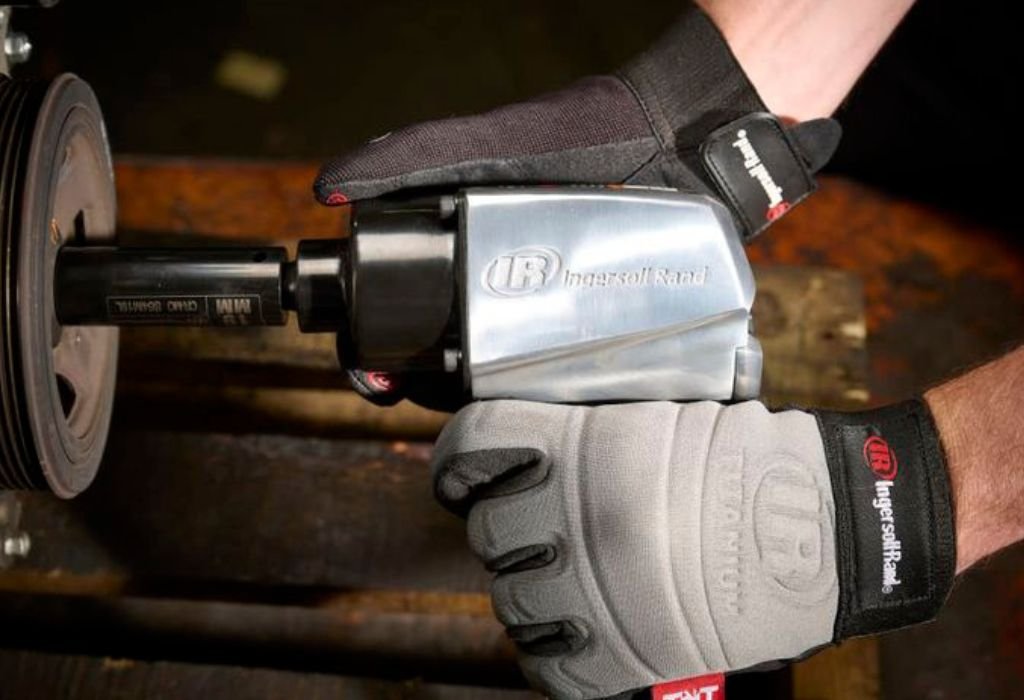
When an air impact wrench feels weak, it means the tool isn’t delivering its rated torque output. It may spin slower, stall under load, or struggle with bolts that used to loosen easily.
This loss of power might occur suddenly or develop gradually as air efficiency drops or internal wear increases. To solve the problem, you must understand how an impact wrench works and what affects its performance.
What Is Normal Torque and Performance
A standard ½-inch impact wrench should deliver between 250–700 ft-lbs of torque, while industrial ¾-inch models often exceed 1,000 ft-lbs. The wrench’s hammer mechanism multiplies air pressure into rotational force, allowing it to loosen tight fasteners in seconds.
what torque should an air impact wrench deliver?
Depending on model and size, anywhere between 250–1,200 ft-lbs.
what symptoms show a weak air impact wrench?
Reduced hammering speed, stalling, or inability to break loose bolts.
can weak performance develop over time?
Yes, gradual air leaks or internal wear can reduce torque over months of use.
do all air impact wrenches perform the same?
No, torque output varies by drive size, design, and air consumption rate.
why does consistent torque matter?
Because low torque increases work time, risk of overtightening, and tool strain.
Key Metrics: PSI, CFM, Air Flow & Tank Capacity
Air tools depend on pressure (PSI) and airflow (CFM). Even if your compressor gauge reads 90 PSI, a narrow hose or leak may starve the tool of air volume.
what is PSI and why does it matter?
PSI measures air pressure. If too low, your wrench loses the force needed to strike properly.
what is CFM and why is it crucial?
CFM measures airflow volume. Without enough CFM, torque drops even at correct pressure.
how does tank size affect performance?
Small tanks empty faster, causing pressure fluctuations and inconsistent blows.
does hose size impact airflow?
Yes, narrow hoses restrict air delivery and reduce tool performance.
can you rely solely on the compressor gauge?
No, because it measures pressure at the tank, not at the tool — where losses actually occur.
Common Causes Why Your Air Impact Wrench Is Weak
Weak performance usually points to problems in air supply, tool maintenance, or setup. Identifying which of these areas is failing saves both time and money.
Insufficient Air Supply or Compressor Issues
Air impact wrenches demand high airflow. A compressor that can’t deliver sufficient CFM at 90 PSI will cause power loss. Small or underpowered compressors are common culprits.
can a compressor have enough PSI but still fail?
Yes, if CFM is too low, the wrench won’t get the air volume it needs.
why does tank size matter?
A larger tank maintains steady pressure during repeated bursts.
can frequent compressor cycling affect power?
Yes, short duty cycles cause inconsistent airflow and reduced torque.
are older compressors less efficient?
Yes, worn pumps and valves lower air output under load.
how can you confirm if the compressor is the issue?
Run another air tool; if both underperform, the compressor is too small or faulty.
Air Hose, Fittings, and Regulator Problems
Air restrictions can occur before the wrench ever receives air. Undersized hoses, leaky fittings, or restrictive couplers all starve the tool.
how does hose diameter affect output?
Smaller hoses increase resistance, limiting airflow and torque.
what effect do leaks have?
Air escaping at connections reduces pressure at the tool.
can a faulty regulator cause weakness?
Yes, if it’s stuck or set too low, it limits pressure delivery.
are quick-couplers a common weak link?
Yes, low-flow couplers reduce airflow even if the rest of the system is fine.
does hose length matter?
Long hoses increase friction loss; use shorter, wider hoses for better airflow.
Internal Tool Wear or Poor Lubrication
Inside every impact wrench are vanes, seals, and hammers that require lubrication. Without oil, these components create friction and lose efficiency.
can internal wear reduce torque?
Yes, worn vanes or bearings weaken the hammer mechanism.
is lubrication important?
Absolutely — dry operation reduces impact force and shortens lifespan.
what settings might affect performance?
Many models have adjustable torque dials; incorrect settings limit output.
can damage from misuse cause weakness?
Yes, dropping or overloading the tool can crack the hammer cage or anvil.
should impact wrenches be serviced regularly?
Yes, maintenance prevents wear and ensures long-term power consistency.
Incorrect Usage or Setup
Sometimes, the problem lies not in the tool but how it’s used. Using the wrong socket or adding long extensions absorbs impact energy.
does socket type matter?
Yes, non-impact sockets can flex and waste torque energy.
can environment affect performance?
Yes, moisture or cold air thickens oil and restricts airflow.
does mode selection matter?
Yes, if stuck halfway between forward and reverse, the tool weakens in both directions.
are fasteners sometimes the problem?
Yes, corroded or overtightened bolts can exceed tool capacity.
can user technique impact torque?
Yes, letting the wrench bounce or spin freely reduces energy transfer.
Diagnose & Fix: Step-by-Step to Restore Full Power
Before replacing your tool, go through this simple diagnostic sequence to identify and fix power loss.
Step 1 – Check the Air Supply and Compressor Specs
Start by verifying your compressor’s CFM and PSI ratings against the tool’s requirements. A mismatch guarantees weak performance.
what specs should be checked first?
Look at the tool’s required CFM at 90 PSI and compare it with the compressor output.
what if pressure drops when the tool runs?
Your compressor or tank size may be inadequate.
should you monitor air pressure during use?
Yes, pressure should remain consistent under load.
when to consider upgrading your compressor?
If pressure consistently drops below 80 PSI during operation.
is an auxiliary tank helpful?
Yes, it adds reserve air capacity for demanding tools.
Step 2 – Inspect Hoses, Fittings, and Regulator
Examine all connections between the compressor and the wrench. Even a tiny leak can cause torque loss.
what hose size is ideal for impact wrenches?
At least ⅜-inch internal diameter for small tools; ½-inch for heavy-duty wrenches.
how to detect air leaks?
Apply soapy water to fittings and watch for bubbles.
should couplers be high-flow types?
Yes, high-flow couplers reduce restriction and improve air delivery.
what regulator pressure should you set?
Between 90 – 100 PSI for most wrenches.
what if hose length is excessive?
Shorten it or upgrade to a larger diameter to reduce air loss.
Step 3 – Perform Tool Maintenance
Proper lubrication is the simplest way to restore power. A few drops of air tool oil before each session prevent friction and seal wear.
how often should the wrench be oiled?
Ideally before each use or every 2 hours during continuous work.
what are signs of internal wear?
Grinding noises, weak hammering, or increased vibration.
can users service the hammer mechanism?
Yes, by cleaning and re-greasing, but always follow manufacturer instructions.
how to check the forward/reverse switch?
Ensure it fully locks into position and isn’t obstructed by dirt.
when to replace instead of repair?
When parts are unavailable or the cost exceeds 50% of a new tool.
Step 4 – Optimize Application Setup
A powerful tool can still feel weak if accessories reduce torque transfer.
should you use impact-rated sockets?
Yes, they handle energy transfer efficiently without absorbing force.
does using extension bars reduce torque?
Yes, each added piece absorbs part of the impact energy.
should air be clean and dry?
Yes, moisture damages internal parts and lowers performance.
can prepping fasteners help?
Yes, lubricating or heating rusted bolts reduces resistance.
does user grip affect torque?
Yes, a firm hold and stable stance help maximize tool output.
Step 5 – Prevent Future Weakness
Ongoing maintenance ensures the problem doesn’t return.
how often should performance be checked?
At least monthly or before long projects.
what should be monitored?
Air pressure at tool inlet, torque output, and noise levels.
should you log tool performance?
Yes, tracking helps spot gradual torque decline.
what consumables need regular replacement?
O-rings, vanes, seals, and quick-coupler inserts.
how to keep your system efficient long term?
Drain compressor tanks regularly and store tools in dry conditions.
Cost, Upgrades & When to Replace the Impact Wrench
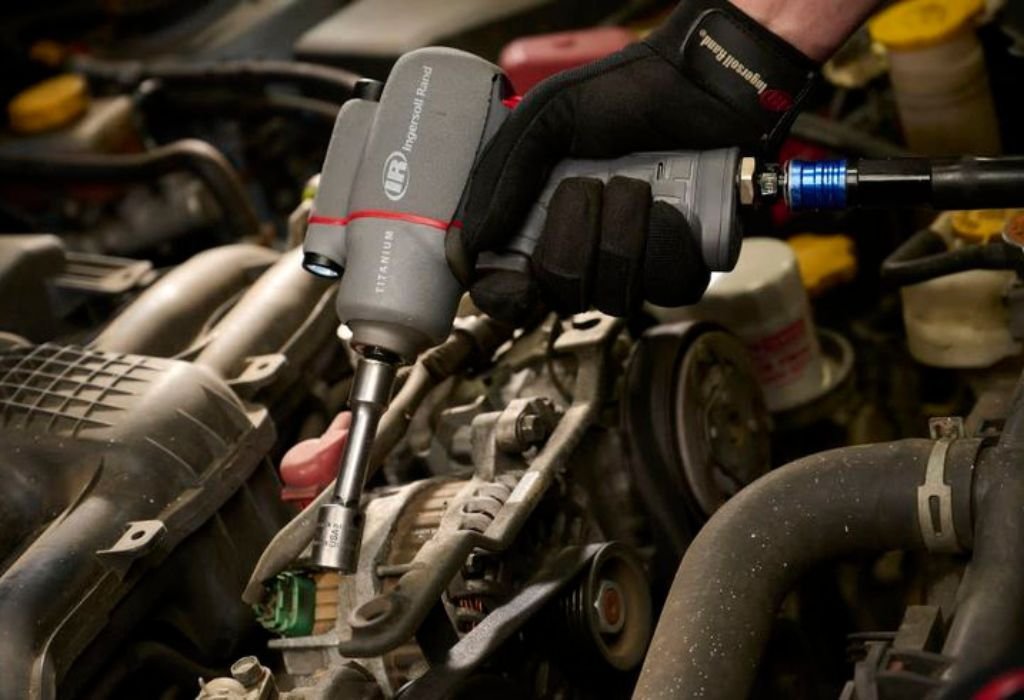
Sometimes it’s more practical to invest in upgrades or a new setup instead of chasing minor fixes.
Cost to Fix vs Upgrade
Basic upgrades like hoses or couplers cost little but dramatically boost output.
is replacing a hose cheaper than buying new?
Yes, a $25 high-flow hose can restore full torque instantly.
when does compressor upgrade make sense?
When your setup consistently fails to maintain air pressure for large jobs.
is maintenance expensive?
No, a few drops of oil daily and periodic servicing cost far less than replacement.
when should you replace your tool?
When repairs exceed half its replacement value or downtime affects productivity.
does investing in a higher-rated model pay off?
Yes, stronger motors handle tougher tasks with less strain.
Signs It’s Time to Replace
If weakness persists despite proper air supply and maintenance, replacement might be the only fix.
if the wrench takes too long per bolt, is it failing?
Yes, prolonged operation wastes air and time.
if the compressor runs nonstop, what’s wrong?
It’s undersized for the tool — upgrade the tank or motor.
if bolts stay stuck despite full pressure, what does that mean?
The tool’s internal mechanism or seals have worn out.
is frequent repair a red flag?
Yes, repetitive failures suggest structural fatigue.
can upgrading the air system prevent future problems?
Yes, a higher-CFM compressor and larger hoses ensure lasting performance.
Frequently Asked Questions (FAQs)
why is my air impact wrench weak even at 90 PSI?
Because airflow (CFM) or hose restriction is limiting actual power delivery.
can lubrication really increase torque?
Yes, clean oil minimizes friction and restores hammer speed.
how to tell if the hose is too restrictive?
If torque drops during continuous operation, the hose may be undersized.
should I buy a bigger compressor or a new wrench?
Upgrade the compressor first; many wrenches underperform due to limited air.
can cold weather affect tool strength?
Yes, low temperatures thicken oil and reduce air density, leading to torque loss.
Conclusion
If your air impact wrench feels weak, the cause is often simple: poor air supply, worn seals, or neglected lubrication. Weakness doesn’t mean failure — it’s a sign of airflow inefficiency or maintenance delay.
By following this guide, you can identify airflow restrictions, test your compressor setup, lubricate key parts, and restore full power. Regular inspection and maintenance keep your tool strong, efficient, and reliable for every bolt you face.
Before giving up on your wrench, check the air system first — because in most cases, the tool isn’t the problem, the air behind it is.

I’m Michael R. Turner, the founder, lead writer, and passionate DIY enthusiast behind 101diytools.com. With years of hands-on experience in home improvement and power tools, I built this platform to share practical tips, in-depth guides, and honest reviews to help DIYers of all skill levels tackle projects with confidence and the right tools.