Why Electric Nail Guns Spark: Causes and Prevention Explained
Picture this: You’re in the middle of a DIY project, confidently wielding your electric nail gun, when suddenly, a flash and a pop! The project grinds to a halt. We’ve all been there, and it’s a frustrating experience. This post explores the reasons behind those sparks, offering insights to keep you safe and your projects running smoothly. You’ll gain a firm grasp of the mechanics, the potential hazards, and the preventative measures you can take, ultimately boosting your knowledge and confidence when using these powerful tools.
Key Takeaways
- Electric nail guns can spark due to various internal component issues.
- Understanding the electrical systems within these tools helps prevent problems.
- Overloading and misuse are common triggers for sparking.
- Regular maintenance and safety practices are vital for safe operation.
- Common issues include worn brushes and armature problems.
- Taking proactive steps will extend the life and usefulness of the tool.
Reasons Why Electric Nail Guns Spark
Electric nail guns, like any power tool, can sometimes exhibit unwelcome behavior, namely, sparking. This can range from a minor flicker to a more pronounced display, and it’s often an indication that something isn’t quite right. The sparking in an electric nail gun usually originates within the motor, where electricity interacts with moving parts. Recognizing the common causes is the first step toward rectifying the issue and ensuring both your safety and the longevity of your tool.
Motor Component Issues Causing Sparks
The core of an electric nail gun’s operation is its motor. This motor uses electricity to generate the power needed to drive nails into wood or other materials. Several internal components are involved in this process, and if any of them malfunction or degrade, sparking can occur. The primary culprits are typically the brushes and the armature. Brushes are typically made of carbon, and they make contact with the commutator of the armature. The commutator is a series of copper segments on the armature shaft. Worn brushes can create an inconsistent electrical connection, leading to sparks. The armature, or rotor, is the rotating part of the motor, and any damage or degradation here can also initiate sparks.
-
- Worn Motor Brushes: Carbon brushes wear down over time due to friction.
Brushes are designed to transfer electricity to the motor’s commutator. As they wear, the connection becomes intermittent, leading to arcs and sparks. This is a normal part of the motor’s operation, but excessive wear is the problem. Eventually, the brushes will fail to make good contact, hindering the motor’s performance.
-
- Damaged Armature: Physical damage can cause sparks to erupt.
The armature is the rotating component within the motor. Any damage to the windings or the commutator on the armature can produce sparking. Overheating, excessive use, or exposure to moisture can cause such damage. The commutator surface could become pitted or the windings may burn out or short.
-
- Faulty Field Windings: Insulation breakdown and short circuits.
The field windings create the magnetic field that interacts with the armature to produce rotation. If the insulation on these windings degrades, they could touch each other, resulting in a short circuit that can generate significant sparks. This is a common issue when a nail gun is used in dusty environments or exposed to moisture.
Overload and Misuse as Spark Triggers
Besides component failure, how you use your electric nail gun also greatly influences the likelihood of sparking. Overloading the tool by driving nails that are too large, or using it continuously for extended periods, can put excessive strain on the motor. Similarly, incorrect usage or using the nail gun outside its recommended parameters can lead to immediate problems. Careful operation, respecting the tool’s limitations, is essential for preserving its integrity and avoiding potentially dangerous situations.
-
- Driving Oversized Nails: Exceeding nail size recommendations strains the motor.
Electric nail guns are designed to handle specific nail sizes. Attempting to drive nails that are too thick or too long puts an excessive load on the motor, leading to overheating and sparking. This is similar to trying to lift an object that is too heavy; something will eventually give. It’s vital to follow the manufacturer’s specifications on the nail sizes the gun can handle.
-
- Continuous Use: Extended operation can cause overheating.
Using the nail gun for extended periods without breaks allows heat to build up inside the motor. This overheating can damage the insulation of the motor windings and create sparks. Motors need time to cool down. Regularly scheduled breaks, especially during large projects, will help prevent overheating and related issues.
-
- Incorrect Angle of Use: Driving nails at improper angles is problematic.
Using the nail gun at an inappropriate angle, or applying excessive force, can also create stress on the motor and trigger sparking. If the nail doesn’t go in smoothly, the motor has to work harder, generating heat and possibly causing a stall. When the nail gets stuck and the motor labors, sparking is more likely.
Electrical System and Wiring Problems
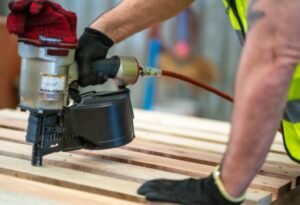
The electrical system of an electric nail gun also plays a key role. Loose connections, damaged wiring, or a malfunctioning power cord can all create an unsafe environment. These issues can lead to arcs and sparks, posing a risk of electrical shock. A thorough examination of the tool’s electrical components and wiring is essential to maintaining its safe operation.
-
- Loose Wiring Connections: A frequent cause of electrical arcing.
Internal wiring can work loose over time due to vibration or other factors. Loose connections create resistance, which can lead to heat and sparking. It is essential to inspect the wiring regularly, especially around the motor and switch, to ensure all connections are secure and stable. Loose wiring also presents a shock hazard.
-
- Damaged Power Cord: External damage can compromise safety.
The power cord is vulnerable to damage from use and accidental contact. Cuts, abrasions, or kinks in the cord can expose the internal wires, leading to a short circuit and sparks. Always check the power cord before use, and
-
- Faulty Switch or Trigger: Malfunctions affect power delivery.
The switch or trigger controls the flow of electricity to the motor. If it malfunctions, it can create arcing or short circuits. For example, if the switch contacts become worn or corroded, they can create intermittent contact, resulting in sparks. Regularly inspect the switch and trigger mechanism and replace them if there are any signs of damage or malfunction.
Preventing Sparks in Your Electric Nail Gun
Taking precautions can dramatically reduce the chances of sparking in your electric nail gun, safeguarding both your tool and your safety. Regular maintenance, proper usage, and adherence to safety guidelines are essential. By adopting a proactive approach, you can extend the life of your nail gun and keep it running in optimal condition.
Maintenance Routine and Procedures
Regular maintenance is important for keeping your electric nail gun in good working condition and reducing the chances of sparking. Proper maintenance includes periodic cleaning, inspection, and replacement of worn components. Adhering to the manufacturer’s recommendations and performing these procedures at regular intervals will go a long way in ensuring its reliable and safe operation.
-
- Regular Inspection of Brushes: Wear and tear is typical.
Brushes should be inspected regularly, perhaps every few months or more frequently if the nail gun gets heavy use. Remove the brush caps and check the length of the brushes. If they’re nearing the minimum length specified by the manufacturer, they should be replaced. Also, check the brushes for wear. Ensure they can move freely in their housings.
-
- Cleaning and Lubrication: Remove dust and debris.
Dust, wood chips, and other debris can accumulate inside the nail gun, causing friction and potentially contributing to sparking. Regularly clean the tool, including the motor housing and any vents. Use compressed air to remove debris. Apply a light lubricant to the moving parts as recommended by the manufacturer to reduce friction.
-
- Checking Wiring and Connections: Ensure proper electrical contact.
Periodically inspect all wiring and connections for damage or looseness. Make sure all screws and terminals are tight. If you notice any frayed wires or damaged insulation, replace the wires immediately. Check the power cord for any cuts or abrasions. Proper electrical connections are crucial to minimize the risk of sparking and shock.
Safe Operation Practices
Safe operation practices are a must. They greatly reduce the chances of sparking and help prevent accidents. By following these guidelines, you can use your electric nail gun with confidence, knowing you’re taking steps to minimize the risks. Proper operating procedures are a key aspect of any power tool use.
-
- Using Appropriate Nails: Match the nail size to the job.
Always use the correct nail size for the task at hand. Check the nail gun’s specifications to ensure that the nails you’re using are within the recommended size range. Using nails that are too long or too thick can overload the motor. The appropriate nail type will also enhance safety. Always use nails that are compatible with the nail gun.
-
- Avoiding Overuse: Give the tool a break.
Electric nail guns are designed for intermittent use. To prevent overheating, avoid continuous firing for extended periods. If you’re working on a large project, take breaks to let the motor cool down. This simple practice helps reduce strain on the motor and minimizes the risk of sparking. If you see or smell something burning, stop immediately.
-
- Proper Handling Techniques: Maintain control at all times.
Always hold the nail gun firmly and keep it at the correct angle to the work surface. Avoid placing your hands or any body parts in the path of the nail. Use the appropriate safety features, such as the contact tip safety mechanism. Be aware of your surroundings, and don’t operate the nail gun in damp conditions. Proper handling techniques will help to prevent accidents.
Safety Gear and Workplace Environment
Safety gear and a proper workplace are essential for minimizing risks and guaranteeing your protection. This includes wearing the appropriate safety equipment and setting up your workspace to reduce potential hazards. By combining the correct safety measures, you can create a safe working environment and enjoy the benefits of your electric nail gun without risk.
-
- Wear Eye Protection: Always shield your eyes.
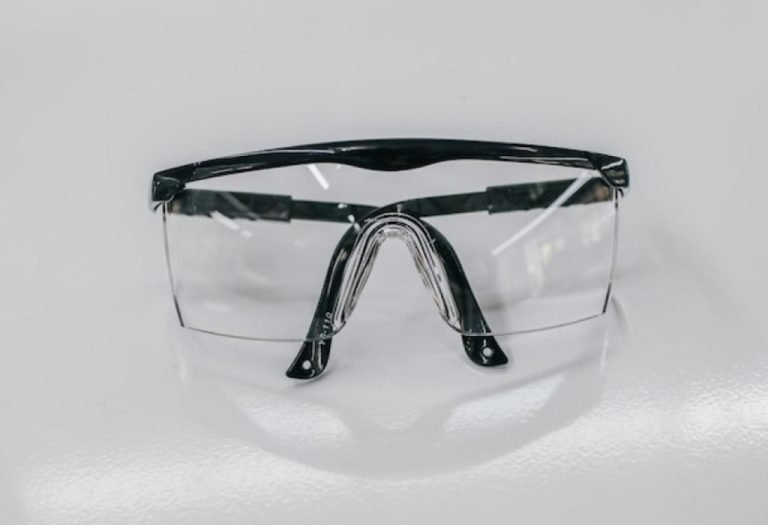
Always wear safety glasses or a face shield when using an electric nail gun. Nails can ricochet, and wood splinters can fly off at high speed, potentially causing serious eye injuries. Choose safety glasses that fit well and offer good coverage. Make sure the glasses meet safety standards.
-
- Hearing Protection: Shielding yourself from excessive noise.
Electric nail guns can be loud. Prolonged exposure to loud noises can damage your hearing. Wear earplugs or earmuffs to protect your ears. Hearing protection reduces the sound level. Select the type of hearing protection that is most comfortable and effective for you.
-
- Safe Work Area: Ensure an organized space.
Keep your work area clean and well-lit. Make sure the area is free from obstructions. This helps you to maintain control of the nail gun and reduces the risk of accidents. Provide adequate ventilation to eliminate dust. Ensure your workspace is clean, safe, and organized. A well-organized workspace reduces the risk of accidents.
Frequently Asked Questions
Question: Why does my electric nail gun spark when I press the trigger?
Answer: It’s typically a sign of worn motor brushes, an armature problem, or wiring issues. These problems disrupt the electrical flow, causing sparks.
Question: Is it safe to continue using my nail gun if it sparks?
Answer: No, it’s unsafe. Stop using it immediately. The sparking indicates a problem that could get worse, leading to potential electrical hazards.
Question: How often should I replace the brushes in my electric nail gun?
Answer: The brushes should be checked and replaced when they’re near the minimum length specified by the manufacturer, or if the tool is used heavily, possibly every few months.
Question: What’s the best way to clean my electric nail gun?
Answer: Use compressed air to blow out dust and debris. Wipe down the exterior with a clean cloth. Don’t use water or harsh cleaning agents.
Question: Can I use an extension cord with my electric nail gun?
Answer: Yes, but make sure the extension cord is the correct gauge for the nail gun. Using an extension cord that’s too thin can cause a voltage drop and motor problems.
Final Thoughts
Understanding why your electric nail gun sparks empowers you to handle these situations more effectively. Sparks often signal underlying issues like worn brushes, armature issues, or problems within the electrical circuit. Recognizing the root causes empowers you to take action, whether that’s replacing worn parts, ensuring proper nail selection, or practicing careful operation. By keeping up with routine maintenance, following safety guidelines, and paying attention to your tool’s behavior, you can extend its lifespan, reduce hazards, and maintain a safe workspace. Remember that safety is essential when working with power tools, and addressing any sparking immediately is essential.

I’m Michael R. Turner, the founder, lead writer, and passionate DIY enthusiast behind 101diytools.com. With years of hands-on experience in home improvement and power tools, I built this platform to share practical tips, in-depth guides, and honest reviews to help DIYers of all skill levels tackle projects with confidence and the right tools.