Why Compressor Not Working With Nail Gun Troubleshooting Guide
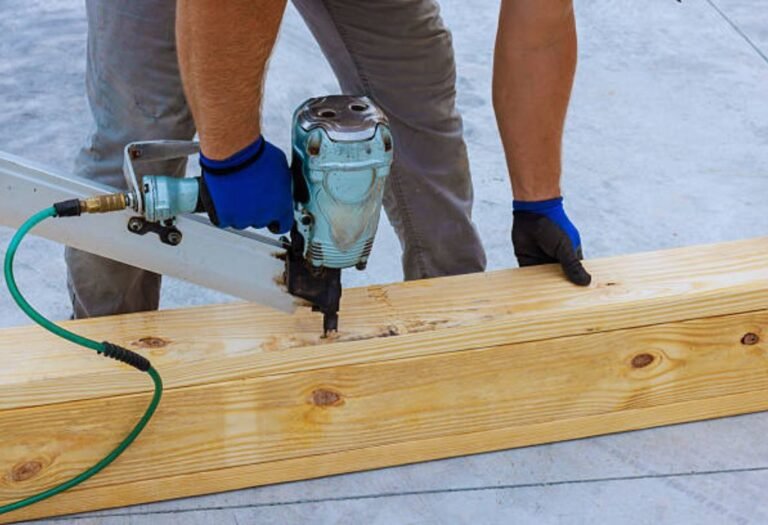
Picture this: you’re in the middle of a DIY project, ready to finish that trim, and pop – silence. Your nail gun sits idle, and your air compressor refuses to cooperate. Frustration mounts quickly. This scenario is all too common, and the culprit isn’t always obvious. This guide cuts through the confusion, providing a clear path to diagnose and fix the issue. You’ll learn the most common reasons why your compressor and nail gun might not be working, and how to get back to work fast. Get ready to troubleshoot and get your project back on track!
Key Takeaways
- Learn to identify the usual suspects when your compressor won’t power your nail gun.
- Understand the importance of correct pressure settings for optimal performance.
- Discover how to examine both the compressor and nail gun for common problems.
- Gain practical tips for maintaining your equipment to prevent future issues.
- Find out how to ensure a secure air hose connection is critical for operation.
- Master how to interpret your compressor’s gauges for accurate troubleshooting.
Common Problems: Compressor and Nail Gun Misfires
When your air tools go silent, the cause can range from simple oversights to more complex mechanical issues. A nail gun that won’t fire is a common frustration for DIY enthusiasts and professionals alike. The good news is, most problems have straightforward solutions. Many times it’s the little things that cause the problem. To make things simple, we’ll break down the common culprits, helping you quickly identify and resolve the issue. We’ll explore the main causes of why compressor not working with nail gun and how to address them effectively.
Pressure Problems
Pressure is the lifeblood of your pneumatic tools. Too little pressure, and your nail gun won’t fire correctly, or at all. Too much pressure, and you risk damaging your tools or even causing injury. Checking the pressure settings is always the initial step. Compressors have pressure regulators that control the output pressure, and nail guns usually have a recommended operating pressure range. This range is the sweet spot that ensures your nail gun works effectively without causing damage. Incorrect pressure settings are a very common reason for equipment malfunctions, so it’s a good place to start your diagnosis.
-
- Air Pressure Too Low: Insufficient air pressure is a leading cause for nail guns not firing. Make sure the compressor is set to the correct PSI (pounds per square inch) recommended by your nail gun’s manufacturer.
Many nail guns require between 70 to 120 PSI to function correctly. If your compressor isn’t reaching that level, the nail gun won’t operate. Check your compressor’s pressure gauge and adjust the regulator accordingly. Ensure the compressor has enough time to build up the pressure before you attempt to use the nail gun. Low air pressure often results in nails not being driven fully into the material or not firing at all, which disrupts your workflow.
-
- Pressure Regulator Malfunction: The pressure regulator, a critical component of your air compressor, could be broken. If the regulator is broken, you won’t be able to adjust or maintain the required pressure, which causes many issues.
A faulty regulator can’t control the air pressure correctly, causing a range of problems. You might notice inconsistent pressure readings on the gauge. This can result in the nail gun firing erratically. To test the regulator, connect the compressor to the nail gun. Then, try adjusting the pressure while watching the gauge. If the pressure doesn’t change smoothly or at all, the regulator likely needs repair or
-
- Air Leaks: Air leaks in the system can result in a loss of pressure. This often means your air compressor might not be able to maintain enough pressure to properly operate your nail gun. Air leaks waste compressed air and reduce the efficiency of your tools.
Leaks can happen in a number of locations: at the connections, in the air hose, or even within the compressor itself. Listen for hissing sounds, which indicate where air is escaping. Check the fittings with soapy water; bubbles will appear where the air is escaping. Tighten any loose connections. You might need to replace damaged hoses or fittings. Detecting and fixing air leaks can greatly improve the performance of your nail gun and the overall efficiency of your air compressor.
Power Supply Issues
While an air compressor runs on air, its motor still needs power. If the compressor isn’t receiving sufficient power, it won’t be able to generate the compressed air needed for the nail gun. This is a crucial area to assess. Checking the power supply is a simple step, but often overlooked. Addressing power supply issues will immediately solve the problem. Let’s explore the common reasons related to the power supply. A working compressor is central to understanding why compressor not working with nail gun issues.
-
- Power Outlet Problems: Make sure the outlet you are using is providing sufficient power. Using the wrong outlet can cause the compressor motor to fail to start. Test the outlet by plugging in another device and confirming that it works.
If the outlet is the problem, the compressor won’t even try to start, or it might struggle to do so. In these cases, try a different outlet, preferably one on a separate circuit. Ensure the outlet is rated to handle the power requirements of your compressor, typically 15 amps or higher. This often solves the issue. A weak or overloaded outlet won’t deliver enough power to run the compressor’s motor, preventing it from building up air pressure.
-
- Extension Cord Considerations: If you’re using an extension cord, ensure it’s the correct gauge and length for your compressor’s power needs. Using an incorrect cord can restrict the flow of electricity, causing the motor to fail or overheat.
Long or thin extension cords can drop the voltage and amp draw, making the motor struggle to start. You can find the required specifications for extension cords in your compressor’s manual. Use a heavy-duty cord, and try to keep it as short as possible. Overheating is another sign. Over time, heat can damage the cord. Always check the cord for any damage. Check the extension cord’s specifications, including the gauge and length, against your compressor’s manual. A suitable extension cord will ensure the compressor gets the necessary power to function correctly.
-
- Motor Overload: If the motor has overheated, it won’t operate until it’s cooled down. Check the circuit breaker on the compressor and the outlet. If the breaker has tripped, it means the compressor has pulled too much current.
Overloading can happen if you are using the compressor continuously for long periods, or if the motor is worn. Allow the motor to cool down. Reset the circuit breaker or replace the fuse. Check for any obstructions to the motor’s cooling fan, and make sure the compressor is well-ventilated. Continuous use or running the compressor in a hot environment can cause overheating. After the motor has cooled, you should be able to restart it. If the breaker trips again quickly, it’s a good idea to seek help. This will prevent damage to the motor or potential safety hazards.
Nail Gun Specific Problems
Sometimes, the issue isn’t with the compressor at all. The nail gun itself could be the source of the problem. Nail guns have several moving parts and components that can fail. Routine maintenance and inspection are vital to keep your nail gun functioning effectively. Checking the nail gun helps you identify any internal issues that could be causing malfunctions. The problems can range from simple jams to more complicated internal issues. Knowing the common issues within the nail gun will allow you to quickly diagnose the issues. Understanding the nail gun aspects is important in identifying why compressor not working with nail gun.
-
- Jammed Nail: A jammed nail is a frequent cause of nail gun failure. The nail gun mechanism can get blocked by a nail that has become stuck, preventing the gun from firing. This is an easily correctable problem, but it requires immediate attention.
To clear a jam, start by disconnecting the nail gun from the air supply. Consult your nail gun’s manual for specific instructions on how to remove the jammed nail. Most nail guns have a latch or release mechanism designed for this purpose. Usually, this involves using the tool provided to release the jam. Once you’ve cleared the jam, reassemble the nail gun and reconnect it to the air supply. By resolving the jam, you can restore your nail gun’s functionality.
-
- Low on Oil: Pneumatic tools need proper lubrication for optimal operation. Nail guns often require regular oiling to ensure smooth operation. Without sufficient lubrication, internal components can suffer from friction and wear.
Most nail guns have specific points for adding oil. Consult your manual to find the correct oil type and where to apply it. Regular oiling helps reduce friction, preventing jams and extending the nail gun’s lifespan. Over time, parts can wear down. Proper lubrication is key to keeping the gun in good working order. Proper lubrication keeps all the internal parts moving freely and extends the life of your tool.
-
- Internal Component Failure: Over time, internal components like O-rings, seals, and valves can become worn or damaged. These components are essential for the operation of the nail gun. When these parts malfunction, the nail gun may fail to fire.
If you suspect an internal component has failed, you might need to disassemble the nail gun to inspect these parts. Often, these parts are replaceable. Your nail gun’s manual can provide instructions for disassembly and reassembly. Replacing worn-out components will restore the nail gun’s proper functioning. Consider replacing the O-rings and seals to prevent air leaks and maintain air pressure. Regular inspection and replacement of these parts will extend the life of your nail gun.
Air Hose and Connection Issues
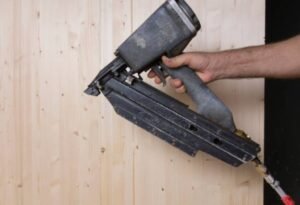
The air hose acts as a crucial link between the compressor and the nail gun. Problems with the hose or its connections can often cause operational issues. The hose transports the compressed air, and any failure along this path can prevent the nail gun from firing. Inspecting the air hose and connections is vital for identifying these types of issues. Check for leaks, secure fittings, and the correct hose type for your equipment to ensure smooth operations. This also helps in establishing why compressor not working with nail gun is happening.
-
- Air Hose Damage: The air hose can be damaged due to wear, punctures, or crimping. Damage to the air hose leads to leaks, which can lower pressure and impact the operation of the nail gun.
Inspect the entire length of the air hose for any signs of damage. These can include cracks, cuts, or abrasions. Also, check for kinks or areas where the hose has been bent sharply, as this can restrict airflow. To test for leaks, you can apply soapy water to the hose and fittings. Bubbles will appear where air is escaping. Replace any damaged sections. Replacing the damaged hose will restore proper air delivery, ensuring the nail gun gets sufficient pressure.
-
- Loose Connections: Loose connections are a common source of air leaks, and can happen at the compressor, nail gun, or any point along the air hose. Loose connections reduce air pressure and prevent the nail gun from firing effectively.
Check the connections at both ends of the air hose, as well as any intermediate fittings. Use a wrench to tighten these connections, but be careful not to overtighten them, as this can damage the fittings. If a connection repeatedly comes loose, you might need to replace the fitting or use thread sealant tape to ensure a tight seal. Tightening or replacing the connections will ensure that the air is properly sealed, and maintain the pressure needed for the nail gun.
-
- Incorrect Hose Size: Using a hose that is too narrow for your air compressor and nail gun can restrict airflow. A small diameter hose won’t deliver enough air to the nail gun, which is critical for proper operation.
Always check the manufacturer’s recommendations for hose size. The size of the hose should be adequate to handle the CFM (cubic feet per minute) output of the compressor and the CFM requirement of the nail gun. Using a hose that’s too small will restrict the flow, causing your nail gun to underperform. Use a hose of the recommended diameter and length to make sure the compressor can deliver sufficient air. If the hose is too long, the pressure might drop, so find the right balance.
Compressor Maintenance and Troubleshooting
Regular maintenance is essential for keeping your air compressor operating effectively and avoiding problems. Routine care and troubleshooting can greatly enhance the lifespan of your equipment. A well-maintained compressor runs more efficiently and delivers consistent air pressure. Knowing the procedures to keep your compressor in top working order is important. This practice can help prevent issues with your nail gun as well. Proper maintenance helps you resolve the why compressor not working with nail gun issues before they even begin.
-
- Drain the Tank: Condensation buildup in the air tank can cause rust and reduce the tank’s capacity. Draining the tank regularly prevents water from entering the system.
The frequency with which you drain the tank will depend on the humidity levels where you work. To drain the tank, locate the drain valve, usually at the bottom of the tank. Open the valve and allow any water to drain out. Close the valve after the tank is empty. The tank will accumulate moisture, especially in humid conditions, which can lead to corrosion. Regular drainage also prevents moisture from getting into your nail gun, which can cause it to malfunction.
-
- Check and Replace Air Filters: The air filter prevents dust and debris from entering the compressor, which is essential for performance and reliability. A clogged filter can restrict airflow and reduce the compressor’s efficiency.
Locate the air filter, usually on the back of the compressor. Remove the filter and check it for dirt and debris. Clean or replace the filter according to the manufacturer’s instructions. Replace the filter regularly. A clean filter will help the compressor run more efficiently and extend its lifespan. Check the filter frequently. Replacing the air filter helps ensure clean air enters the compressor, which enhances performance and prevents damage to internal parts.
-
- Lubricate Moving Parts: Some compressors need to be lubricated to reduce friction and wear. Proper lubrication of the compressor’s moving parts is important for its long-term performance.
Consult your compressor’s manual for lubrication instructions. Identify the lubrication points, such as the pump and motor. Use the recommended lubricant, and apply it according to the manufacturer’s instructions. Regular lubrication keeps the compressor running smoothly and efficiently. This prevents premature wear on critical components, extending the life of your equipment and ensuring optimal performance. Keeping moving parts lubricated also reduces friction, and this minimizes wear and tear.
Frequently Asked Questions
Question: Why does my nail gun only fire intermittently?
Answer: Intermittent firing usually results from a combination of low air pressure, a damaged trigger valve, or internal leaks within the nail gun. Check the pressure settings on your compressor, inspect the trigger assembly for any damage, and ensure all connections are secure.
Question: My compressor runs but doesn’t build pressure. What could be the problem?
Answer: This problem frequently stems from a leak in the air system, a faulty pressure switch, or a worn-out check valve. Examine the tank, hoses, and connections for leaks. Also, inspect the pressure switch and check valve for damage or wear.
Question: How often should I drain my air compressor tank?
Answer: It’s important to drain your tank after each use, or at least daily. This is especially important in humid conditions. Draining the tank prevents rust and corrosion. It helps remove any condensation that can affect the equipment.
Question: Why is my compressor overheating?
Answer: Overheating can be caused by continuous use, inadequate ventilation, or a malfunctioning motor. Make sure the compressor has sufficient airflow. Also, avoid excessive use. If overheating continues, the motor might need service or replacement.
Question: What do I do if I find a leak in the air hose?
Answer: Once you find a leak, remove the hose from the air supply and either
Final Thoughts
Troubleshooting why compressor not working with nail gun problems is a straightforward process when you know what to look for. By systematically checking the pressure settings, power supply, and the nail gun itself, you can identify and correct the majority of issues. Remember, a properly maintained compressor and nail gun will not only enhance your productivity, but also extend the life of your equipment. From checking for air leaks to ensuring your power supply is adequate, each step you take helps. Regular maintenance is always important for avoiding frustrating situations. Follow the guidelines discussed. Keeping your equipment in top condition means more time working on your project and less time troubleshooting. You’ll be well-equipped to tackle any nail gun or air compressor issue that comes your way, whether it’s a minor hiccup or a more significant problem.

I’m Michael R. Turner, the founder, lead writer, and passionate DIY enthusiast behind 101diytools.com. With years of hands-on experience in home improvement and power tools, I built this platform to share practical tips, in-depth guides, and honest reviews to help DIYers of all skill levels tackle projects with confidence and the right tools.