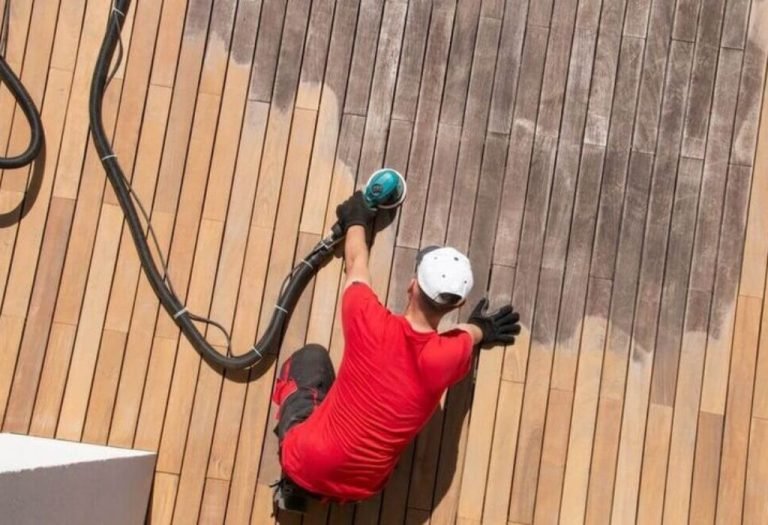
Where to Rent a Power Floor Sander Affordably
The floor beneath your feet tells the story of every step, scrape, and spill it has endured.
Over time, hardwood surfaces lose their shine, becoming dull, uneven, and marked with scratches that no polish can hide.
Refinishing can bring those floors back to life, but buying professional equipment is expensive.
A new power floor sander can cost anywhere from five hundred to over a thousand dollars.
For homeowners tackling a single project or DIY enthusiasts on a budget, renting becomes the smarter choice.
Home improvement experts report that tool rentals save people between sixty and eighty-five percent compared to buying new equipment outright.
Yet the question remains—where to rent a power floor sander that’s reliable, affordable, and close to home?
From big hardware chains to local tool rental shops, options vary in price, quality, and included accessories.
Choosing the right rental source can make the difference between a smooth, even finish and a frustrating weekend project.
This complete guide explains everything you need to know about renting a floor sander the smart way.
By the end, you’ll know exactly where to find dependable sanding equipment, how much to budget, and how to achieve professional-level results—without overspending.
What Is a Power Floor Sander and Why Rent One?
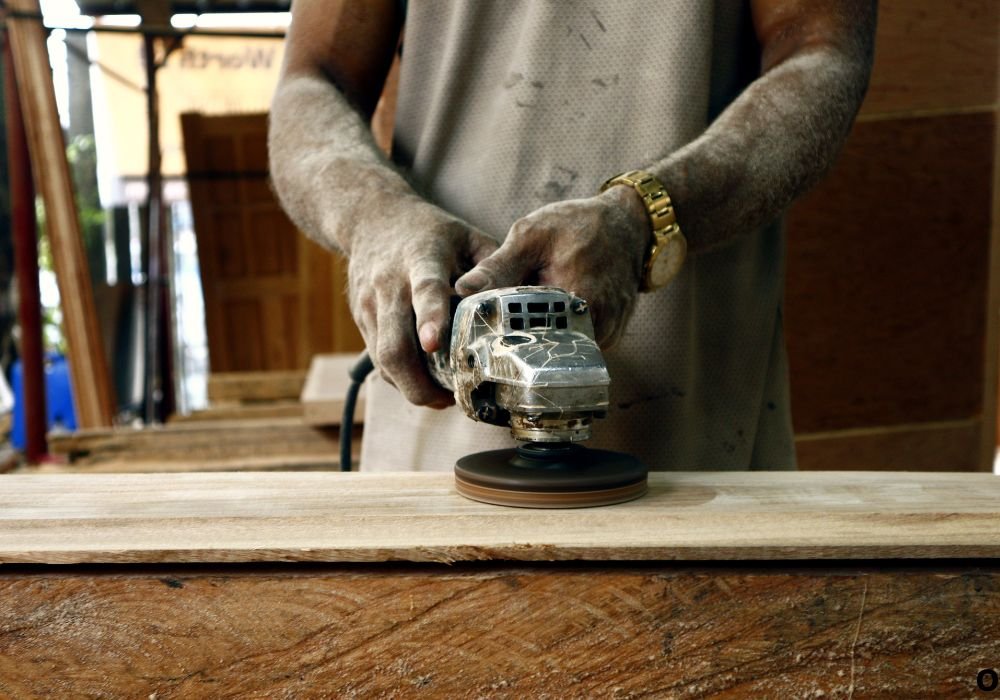
A power floor sander is a heavy-duty machine designed to remove the top layer of wood from a floor surface.
It smooths out scratches, dents, and old finishes, preparing hardwood for staining or sealing.
There are several types of floor sanders available for rent, including drum, orbital, and edge sanders.
Each one serves a different purpose, depending on how deep or smooth the sanding needs to be.
Renting is ideal for homeowners or contractors who only need the machine for a few days.
It eliminates the high purchase cost and ongoing maintenance of owning professional tools.
Rental sanders are inspected, cleaned, and ready to use, making them a practical choice for short-term jobs.
They also come with accessories such as dust collection bags and sanding pads to simplify the process.
Questions About Floor Sanders
What is a power floor sander used for?
It removes old finishes and smooths uneven wood surfaces before refinishing.
Why rent instead of buy?
Renting saves hundreds of dollars for one-time or seasonal projects.
What types of sanders are available for rent?
Drum, orbital, and edge sanders are the most common rental options.
Do rental stores provide sanding pads?
Yes, most include or sell sanding pads and dust bags with the machine.
Benefits of Renting a Power Floor Sander
Renting a floor sander gives you professional results without the financial burden of buying new equipment.
It’s an efficient solution for occasional projects that don’t justify long-term ownership.
Maintenance and repairs are handled by the rental company, saving you time and hassle.
Most stores also offer quick demonstrations so you can learn how to operate the machine safely.
Rental programs often allow you to choose between daily, weekend, or weekly packages.
This flexibility helps match your schedule and project size.
By renting, you can also test different brands and models before deciding to buy later.
For DIY homeowners, that means access to top-quality tools without the full price tag.
Questions About Renting Advantages
How does renting save money?
You pay only for the hours or days you use the machine, avoiding maintenance costs.
Are rental machines reliable?
Yes, rental companies inspect and service their tools regularly.
Do beginners find rentals easy to use?
Yes, with safety instructions and short training provided by staff.
Are accessories like dust bags included?
Usually yes, though some stores charge a small additional fee.
Where to Rent a Power Floor Sander Affordably
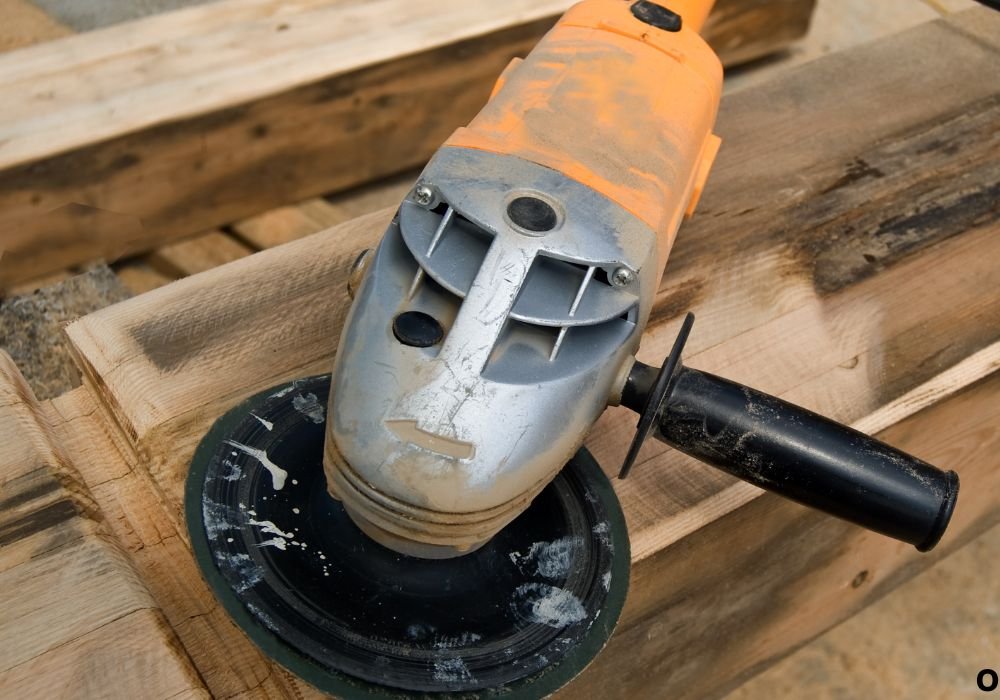
Finding an affordable rental depends on comparing local and national options.
Big hardware chains offer convenience and consistent rates, while local tool centers often have more flexible pricing.
Major stores such as Home Depot, Lowe’s, and Menards commonly rent sanders by the hour or day.
They also provide replacement sanding discs, dust bags, and protective gear.
Local hardware stores and independent rental shops are excellent for short-term or small-area projects.
These businesses may offer weekend specials or discounts for returning customers.
Online rental services are another option, allowing you to book equipment and have it delivered to your door.
However, pickup from a nearby store can be cheaper if transportation costs are added.
Questions About Rental Locations
Where is the best place to rent a floor sander?
Large hardware stores and local tool rental centers are the most dependable.
Can I have a sander delivered to my home?
Yes, many stores provide delivery for an added fee.
Are local rental shops cheaper than chains?
Often yes, especially for single-day or weekend rentals.
Do I need identification to rent?
Yes, a valid ID and refundable deposit are usually required.
Comparing Rental Costs and Terms
Knowing average rental prices helps you plan your budget accurately.
Power floor sander rentals typically range from forty to eighty dollars per day.
Weekly rentals cost about one hundred fifty to two hundred fifty dollars, depending on the model and store.
Sandpaper, dust bags, and safety gear may add ten to twenty percent to the total cost.
Most stores require a refundable deposit to cover damage or late returns.
Deposits vary between fifty and one hundred dollars.
It’s wise to ask about weekend bundles or half-day rates if your project is short.
Some rental centers offer discounts for multiple tools rented together.
Questions About Rental Costs
How much does it cost to rent a floor sander?
Around forty to eighty dollars per day depending on the equipment.
Do rental rates include accessories?
Not always; sanding pads and bags may be extra.
Can I rent for only a few hours?
Yes, many stores have four-hour or half-day options.
Is a deposit always required?
Yes, deposits protect the equipment and are refunded upon safe return.
How to Choose the Right Floor Sander for Your Project
Different projects require different sanding tools.
Choosing the correct machine helps prevent damage and speeds up the refinishing process.
Drum sanders are powerful and best for removing deep scratches or heavy finishes.
They require more control but deliver the smoothest results for hardwood restoration.
Orbital sanders are easier to handle and ideal for light sanding or smaller spaces.
Edge sanders reach corners and tight areas that larger machines cannot access.
Always consider your floor type, experience level, and the finish you plan to apply afterward.
If unsure, ask the rental specialist to recommend the best model for your project.
Questions About Choosing a Sander
Which sander works best for hardwood floors?
A drum sander offers the most efficient and even sanding.
Are orbital sanders good for beginners?
Yes, they are lightweight and easier to control.
Do I need an edge sander?
Yes, for finishing corners and areas near walls.
Can I use one sander for all types of wood?
Yes, but adjust grit levels to match the floor condition.
Safety and Preparation Tips Before Renting
Preparation and safety are critical before starting a sanding project.
Wearing the right gear protects your eyes, ears, and lungs from dust and debris.
Always use goggles, gloves, a dust mask, and hearing protection.
Loose clothing or jewelry should be avoided to prevent accidents.
Before renting, inspect the machine for cord damage or loose fittings.
Most rental centers allow a short test run to check the motor and handle grip.
Prepare the work area by clearing furniture and vacuuming the floor.
Ensure that nails, staples, or screws are removed to avoid tearing the sanding drum.
Questions About Safety and Prep
What safety equipment should I wear?
Use goggles, earplugs, gloves, and a dust mask.
Can I test the machine before leaving the store?
Yes, most centers encourage testing to ensure proper function.
Is it safe to sand over nails or staples?
No, remove them first to protect the sanding surface.
Should I have help operating the machine?
Yes, heavy sanders are easier to handle with assistance.
Best Practices for Returning the Equipment
Returning the floor sander properly ensures you get your full deposit back.
Start by emptying the dust bag and wiping down the machine.
Clean all visible surfaces and remove any leftover sanding residue.
Coil cords neatly and pack accessories like pads or extensions together.
Most stores inspect equipment upon return, checking for cleanliness and functionality.
Late returns or missing parts can result in additional fees.
Call ahead if you need more time to finish the job, as extending the rental is usually allowed.
Keeping the equipment in good condition builds trust for future rentals.
Questions About Returns
Do I have to clean the machine before returning it?
Yes, always return the sander clean to avoid service charges.
What should I do if it breaks during use?
Stop using it immediately and notify the rental store.
Can I extend the rental period?
Yes, contact the store before your return time expires.
Will the deposit be refunded right away?
Yes, once the machine is inspected and approved.
Common Mistakes to Avoid When Renting a Floor Sander
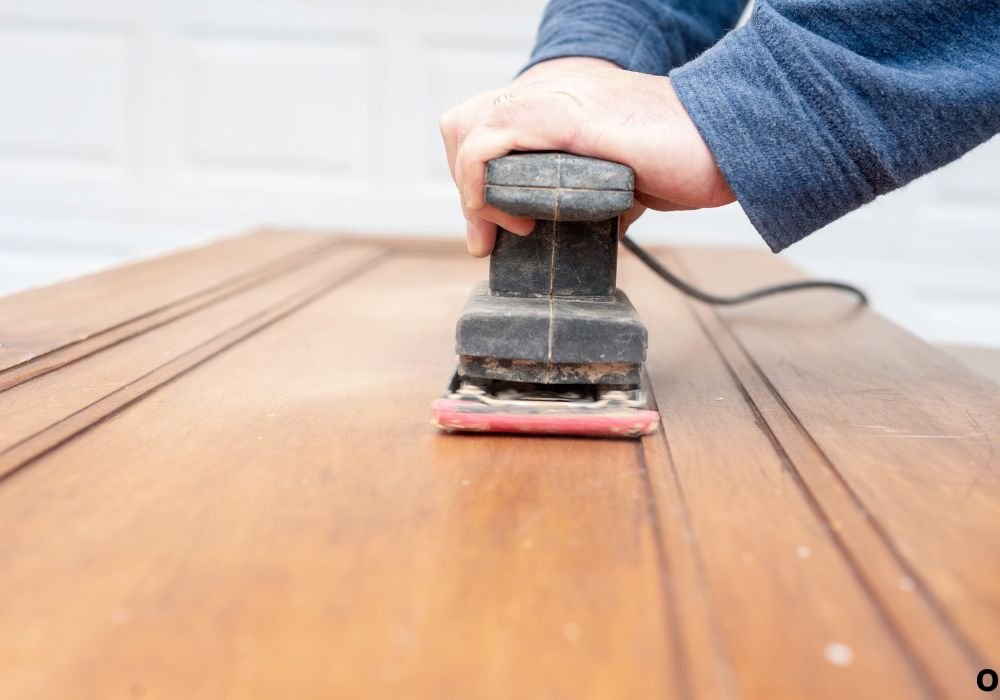
Many renters make simple mistakes that cost time and money.
Avoiding them ensures a smoother experience and a better final result.
One common error is renting the wrong sander type for the project.
Drum sanders are powerful but can damage softwood if misused.
Another mistake is skipping grit stages or sanding too aggressively.
Proper sanding requires gradual progression from coarse to fine grits.
Forgetting to empty the dust bag frequently can also cause overheating.
Lastly, failing to read the rental agreement may lead to hidden fees.
Questions About Common Mistakes
What’s the biggest mistake beginners make?
Using a drum sander without proper control, causing floor gouges.
Should I buy extra sandpaper before starting?
Yes, always have spare sheets ready to avoid mid-project delays.
Can the sander damage floors?
Yes, leaving it stationary too long can scar the wood.
Is rental insurance worth adding?
Yes, it covers accidental damage or mechanical issues.
Conclusion
Renting a power floor sander is one of the smartest ways to refinish hardwood floors affordably.
It gives you access to professional tools without the heavy purchase cost.
Finding where to rent a power floor sander depends on comparing prices, rental terms, and machine quality.
National chains offer convenience, while local rental shops often provide better value for short projects.
With the right preparation and safety measures, anyone can achieve smooth, professional-looking floors.
Remember to clean the machine, follow the correct sanding sequence, and return it on time to save more.
Renting isn’t just cost-effective—it’s the key to transforming worn floors into polished works of art.
All it takes is choosing the right rental center, the right equipment, and a little patience for perfect results.

I’m Michael R. Turner, the founder, lead writer, and passionate DIY enthusiast behind 101diytools.com. With years of hands-on experience in home improvement and power tools, I built this platform to share practical tips, in-depth guides, and honest reviews to help DIYers of all skill levels tackle projects with confidence and the right tools.