Where Can I Get Prescription Safety Glasses Easily?
e safety often becomes an afterthought until an accident happens. Many workers and DIY enthusiasts struggle with regular glasses that do not meet protective standards, leaving their vision exposed to serious risks.
According to the CDC, nearly 2,000 workplace eye injuries occur daily in the United States, and most could be prevented with proper safety eyewear (CDC).
This statistic alone highlights why knowing where to get prescription safety glasses is not just convenient but essential.
People often face confusion when choosing between local opticians, retail chains, and online providers.
Questions about ANSI Z87.1 certification, lens materials, coatings, and insurance coverage can make the process overwhelming. Without clear guidance, buyers risk ending up with eyewear that does not provide adequate protection or meet workplace compliance rules.
The benefit of choosing the right retailer goes beyond safety. Properly fitted prescription safety glasses can prevent eye strain, increase productivity, and offer peace of mind.
With the right options, wearers no longer have to juggle between regular eyewear and protective goggles, improving comfort and reducing costs.
Curiosity about where to find the fastest, safest, and most affordable solution is growing. Online labs promise wide selections and quick delivery, while in-store providers ensure precise fittings and direct insurance handling.
The decision often depends on understanding the trade-offs and selecting what matches individual needs best.
This guide explores every option in detail, from well-known retail stores to specialized online labs, while explaining industry standards and insurance benefits.
By the end, readers will know exactly where and how to order prescription safety glasses that meet both personal vision needs and strict safety regulations.
Quick Answer: Where to Get Prescription Safety Glasses
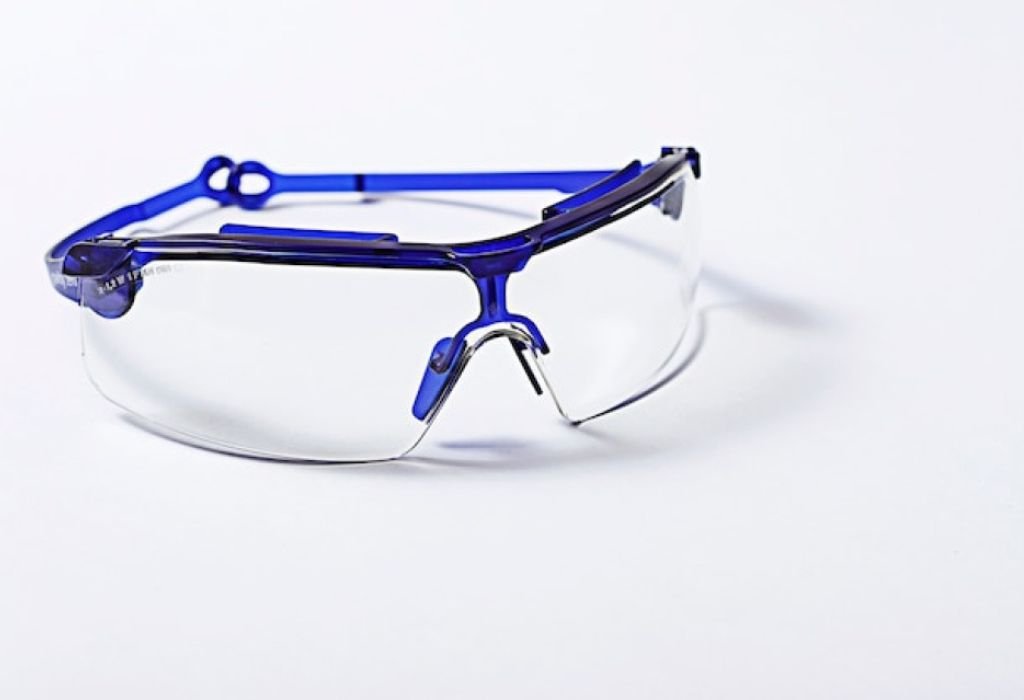
Prescription safety glasses are available through three main channels: local opticians and eye care chains, big-box retailers with optical counters, and specialized online labs. Each option provides ANSI Z87.1-rated eyewear, but the best choice depends on prescription complexity, insurance coverage, and turnaround time.
Buying from local optical stores ensures accurate fittings and adjustments, while retail chains like Walmart or Costco offer convenience and affordability. Specialist online labs provide the widest frame selection and detailed customization but may take longer to deliver. Understanding these differences helps buyers make faster and safer decisions.
One important factor is insurance coverage. Local stores and optical chains often handle vision insurance directly, which reduces out-of-pocket costs. Online retailers may not process insurance but can offer lower base prices and frequent discounts.
Another consideration is urgency. If glasses are needed immediately for work compliance, local stores are often faster. Online labs remain ideal for those who want more design options or specialty coatings, even if delivery takes a few extra days.
Where can you get them today?
You can order from opticians, retail vision centers, or specialist online stores.
What certification should they have?
Look for ANSI Z87.1 marking to ensure impact and safety compliance.
Do employers require Z87.1 eyewear?
Yes, OSHA guidelines reference ANSI Z87.1 compliance for workplace protection.
How fast can you get them?
Online labs typically ship in 8–12 business days, while some local stores may deliver sooner.
Is online ordering safe for all prescriptions?
Yes for single-vision lenses, but complex prescriptions often benefit from in-store fitting.
Buy In-Store: Chains and Local Opticians
Local opticians and major eye care chains remain one of the most trusted sources for prescription safety glasses. They provide precise measurements, in-person fittings, and professional verification that frames and lenses meet ANSI Z87.1 standards.
LensCrafters, for example, offers prescription safety eyewear through its network of stores, helping customers use insurance benefits effectively. Specsavers and Costco Optical also provide programs where certified frames and lenses are available for workplace use.
One clear advantage of buying in-store is accuracy. Opticians can measure pupillary distance, adjust frames, and confirm proper lens placement for bifocal or progressive prescriptions.
In addition, many chains allow customers to browse protective eyewear catalogs, including wraparound frames and models with removable side shields. This ensures buyers find styles that balance comfort, safety, and workplace compliance.
Is in-store better for complex prescriptions?
Yes, progressives, bifocals, and strong prescriptions are usually more reliable when fitted in person.
Can stores process vision insurance?
Most chains accept common vision plans, which helps reduce overall costs.
Does Costco offer Rx safety eyewear everywhere?
Availability varies by location, so customers should confirm with their nearest Costco Optical center.
Are designer frames available as safety glasses?
Some optical chains partner with manufacturers who produce Z87.1-rated frames in modern styles.
Do opticians provide employer-approved options?
Yes, many have workplace programs that meet OSHA compliance requirements.
Buy at Big-Box Retailers with Optical Counters
Big-box retailers like Walmart Vision Centers make it easy to order prescription safety glasses. Their wide availability means customers can often get frames fitted without traveling far.
Walmart offers affordable eyewear and carries over-glasses safety styles, but customers should confirm which models are Z87.1 rated. Prescription options vary depending on location, so it is best to ask before ordering.
The main benefit of big-box providers is convenience. Shoppers can combine everyday errands with an optical appointment and receive lower-cost frame and lens packages.
However, buyers should not assume all glasses sold in these stores meet workplace safety standards. Only frames marked with ANSI Z87.1 provide the necessary impact protection.
Can Walmart make prescription safety glasses?
Yes, but availability of Z87.1-rated frames depends on the store location.
Are over-glasses styles acceptable at work?
They provide basic protection, but dedicated Z87.1 prescription frames are more comfortable and reliable.
Are prescription safety glasses HSA or FSA eligible?
Some plans may allow it, but many list safety glasses as ineligible, so confirmation is required.
What should you bring when ordering?
Bring a current prescription and, if needed, your pupillary distance measurement.
Do big-box retailers meet OSHA standards?
Yes, as long as the frames and lenses carry the ANSI Z87.1 marking.
Buy Online from Specialist Safety Labs
Specialist online labs provide one of the broadest selections of prescription safety glasses. Companies like SafeVision, Rx-Safety, and SafetyGlassesUSA focus specifically on ANSI-compliant eyewear.
These retailers allow buyers to choose from hundreds of frame styles, including wraparound, sealed goggles, and lightweight designs. They also offer advanced lens coatings such as anti-fog, scratch resistance, UV protection, and blue-light filters.
One of the advantages of ordering online is cost. Without the overhead of physical stores, online labs often price glasses more competitively while still offering certified Z87.1 options.
Turnaround time for online labs is usually 8–12 business days, although progressive or specialty lenses may take longer. Customers should factor this in if they need glasses urgently for workplace compliance.
How do you verify Z87.1 compliance online?
Check the product description for Z87.1 marking and impact rating details.
Which lens materials are recommended?
Polycarbonate and Trivex are both durable and meet impact resistance standards.
How long does delivery take?
Most orders ship in 8–12 business days, depending on prescription complexity.
Can online labs handle bifocals and progressives?
Yes, but these orders require precise measurements and may take additional time.
Are online labs safe for urgent orders?
They are reliable, but local providers may be faster when compliance deadlines are strict.
Standards and Compliance: What Z87.1 and OSHA Require
Prescription safety glasses must meet ANSI/ISEA Z87.1 standards for impact resistance, optical quality, and workplace safety. Employers often require this certification to comply with OSHA 1910.133 regulations.
Frames and lenses that meet Z87.1 standards are marked with “Z87” or “Z87+,” which indicates high-mass and high-velocity impact protection. Some glasses may also have additional markings for splash, dust, or radiation protection.
These markings give workers and employers confidence that eyewear is tested against specific hazards. Regular eyeglasses without Z87.1 certification do not provide adequate protection.
Workers in construction, manufacturing, laboratories, and healthcare environments all benefit from certified eyewear. OSHA regulations ensure that employers provide compliant protective equipment where hazards exist.
Do all safety glasses need to be Z87.1 marked?
Yes, OSHA requires Z87.1-compliant eyewear in workplaces with eye hazards.
What hazards does Z87.1 cover?
Impact, radiation, splashes, and dust depending on frame design and markings.
Are side shields required?
Yes, when lateral impact hazards exist, side shields or wraparound frames are needed.
Can regular glasses qualify as safety glasses?
No, unless they are certified with Z87 markings.
How do you confirm compliance?
Check the frame and lens for the Z87.1 stamp.
Lens Options, Coatings, and Add-Ons
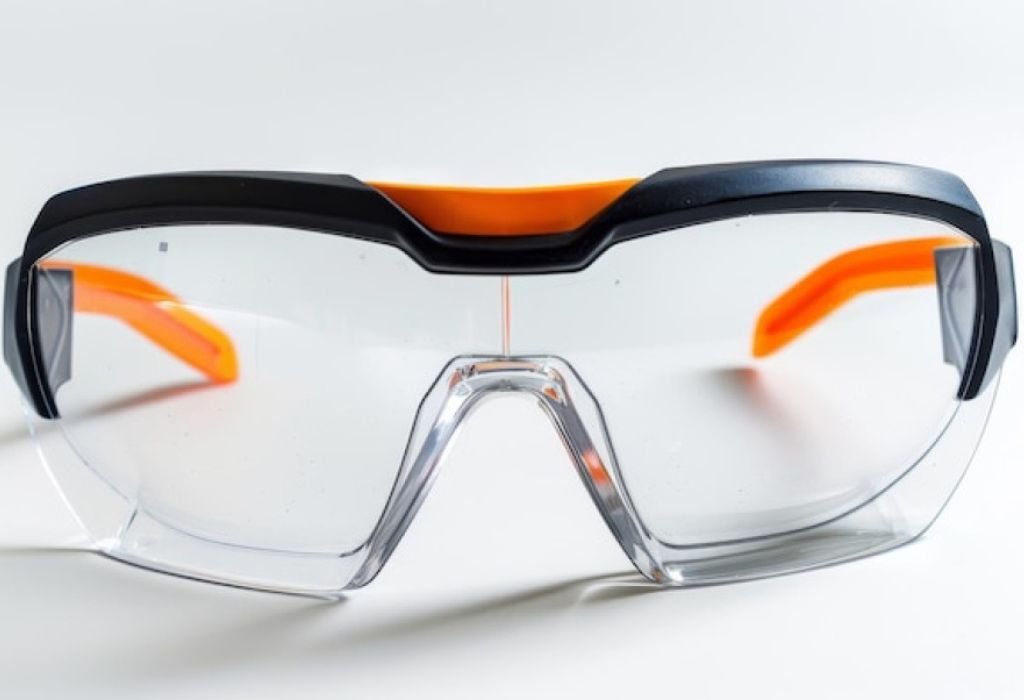
Choosing the right lens materials is crucial for both safety and comfort. Polycarbonate and Trivex lenses are the most common for prescription safety glasses because they are lightweight and impact-resistant.
Single-vision, bifocal, and progressive options are available, allowing wearers to match their vision needs with workplace protection. For those who switch tasks often, progressives provide seamless vision correction.
Coatings such as anti-fog, scratch resistance, and UV protection improve usability and durability. Blue-light filters and photochromic tints add comfort for specific work environments.
Some coatings are essential in hazardous conditions. Anti-fog lenses are vital for jobs requiring masks or where temperature changes cause condensation.
Polycarbonate or Trivex—which is better?
Both provide strong impact resistance, though Trivex offers slightly better optical clarity.
Do you need anti-fog lenses?
Yes, especially for jobs with rapid temperature changes or mask usage.
Are progressives available in safety glasses?
Yes, but they may increase cost and production time.
Do coatings affect Z87 compliance?
No, coatings are added features and do not replace ANSI certification.
Can safety glasses include photochromic lenses?
Yes, many retailers offer transition-style safety lenses.
Insurance, HSA/FSA, Employer Programs
Insurance and employer programs can reduce the cost of prescription safety glasses significantly. Some vision insurance providers, such as VSP, offer safety eyewear benefits through specific networks.
Employer-sponsored programs often provide vouchers for approved eyewear vendors, ensuring workers receive Z87.1-certified glasses. This not only lowers personal expenses but also guarantees compliance.
HSA and FSA eligibility for prescription safety glasses can vary. Some plans treat them as regular prescription eyewear, while others exclude safety-specific frames.
Employees should confirm eligibility with their insurance or plan administrator before purchasing. This avoids unexpected out-of-pocket costs.
Does vision insurance cover prescription safety glasses?
Yes, many plans offer partial or full coverage through approved providers.
Are they HSA or FSA eligible?
Some plans allow it, but many specifically exclude safety glasses.
Can employers pay directly?
Yes, many workplaces provide eyewear through approved vendors.
Do you need an updated eye exam?
Yes, a valid prescription is required to order lenses.
Can reimbursement apply to online orders?
Yes, if the provider supplies itemized receipts with prescription details.
Online vs In-Store: Cost, Speed, and Accuracy
Online ordering offers convenience, wider frame selection, and potential savings. Many online retailers price frames and lenses lower than physical stores.
However, in-store purchases often provide faster turnaround and accurate adjustments, especially for complex prescriptions. The presence of opticians ensures lenses align correctly with the eyes.
Cost can be a deciding factor. Online buyers may save money upfront but risk needing adjustments that only physical stores can provide.
Speed also varies. Online labs average 8–12 business days, while local stores can sometimes deliver within a week.
Where is it cheapest?
Online retailers generally cost less than in-store providers.
Where is it fastest?
Local optical labs may deliver sooner than online orders.
Which is best for progressives?
In-store fittings are recommended for multifocal prescriptions.
Can you return safety glasses if they don’t fit?
Yes, but policies differ between retailers.
Do online orders qualify for insurance?
Some do, but claims often require manual submission.
How to Order Correctly (Checklist)
Ordering prescription safety glasses requires preparation. Buyers should gather their prescription, pupillary distance, and preferred frame size before ordering.
It is important to select frames marked with ANSI Z87.1 and confirm whether side shields or wraparound designs are needed.
Lens material should be chosen based on job requirements. Polycarbonate and Trivex are preferred for impact resistance.
Coatings such as anti-fog and scratch resistance should be added for environments with high risk of damage or temperature shifts.
What is pupillary distance?
It measures the distance between pupils and ensures lens accuracy.
Do you need side shields?
Yes, when exposed to flying debris or lateral impacts.
What if the job involves chemicals or splashes?
Choose sealed goggle-style Z87.1 frames.
How do you prove compliance?
Provide the Z87.1 stamp and safety certification details.
Can you customize lens coatings?
Yes, most labs allow anti-fog, UV, and tint upgrades.
Popular Places to Start (Directory)
Several providers stand out for their reliable offerings. LensCrafters has a strong reputation for safety eyewear supported by insurance acceptance.
Costco Optical provides affordable frame and lens options, although availability varies by store. Walmart Vision Centers are widespread and offer accessible pricing.
Specsavers supports prescription safety eyewear in certain regions, often under employer programs. Specialist online labs like SafeVision, Rx-Safety, and SafetyGlassesUSA provide extensive catalogs for Z87.1 eyewear.
These providers cover both local and online needs, giving buyers a mix of affordability, selection, and compliance assurance.
Which provider has the most options?
Specialist online labs usually carry the widest Z87.1 catalogs.
Which is best for insurance coverage?
LensCrafters and Specsavers often handle insurance directly.
Which offers the lowest prices?
Walmart and Costco typically have budget-friendly options.
Which suits employer programs best?
Online labs and Specsavers commonly partner with workplace safety programs.
Which supports urgent delivery?
Local opticians usually provide the fastest turnaround.
Maintenance and Replacement
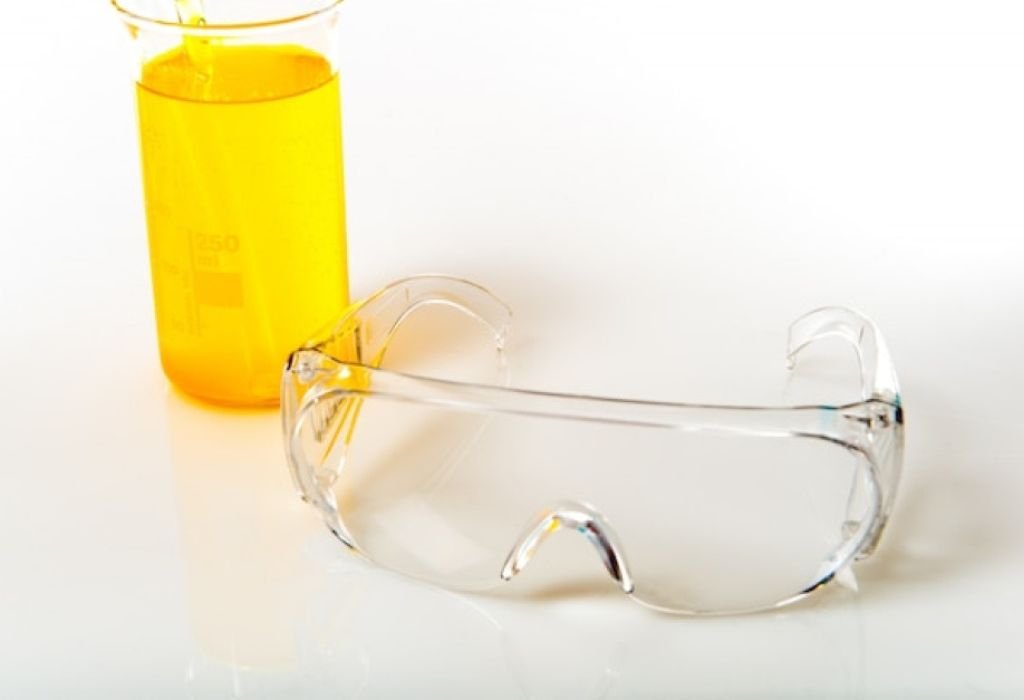
Proper care ensures prescription safety glasses last longer and remain effective. Lenses should be cleaned with microfiber cloths and lens-safe sprays to avoid scratches.
Anti-fog coatings should not be wiped aggressively, as this reduces their lifespan. Side shields and gaskets should be checked regularly for wear and replaced if needed.
Glasses must be replaced if they suffer any significant impact, even if damage is not visible. This ensures continued protection under Z87.1 standards.
Regular eye exams are also important. Updated prescriptions guarantee safety glasses provide both vision clarity and compliance.
How often should you replace safety glasses?
Replace them after impact or when prescriptions change.
Can side shields be replaced separately?
Yes, but only with compatible parts designed for the frame.
Do coatings wear out?
Yes, anti-fog and scratch coatings weaken with time and cleaning.
Can you polish scratches out of lenses?
No, scratched lenses must be replaced to maintain safety.
Do employers require regular replacement?
Many workplaces recommend replacement every two years or after visible damage.
Conclusion
Prescription safety glasses are essential for protecting vision in hazardous environments while ensuring clear eyesight. Knowing where to get prescription safety glasses helps workers and DIY enthusiasts find the right balance between safety, comfort, and affordability.
Local opticians and retail chains provide accuracy and insurance benefits, while online labs deliver wider catalogs and competitive prices. Each option has strengths, and the best choice depends on urgency, prescription complexity, and workplace compliance needs.
Before ordering, buyers should confirm ANSI Z87.1 certification, select the right lens material, and consider coatings that improve durability. Taking these steps ensures every pair of safety glasses provides reliable protection.
The smartest next step is to shortlist one in-store provider and one online lab, compare prices and delivery times, and order the pair that meets both vision requirements and workplace safety standards.

I’m Michael R. Turner, the founder, lead writer, and passionate DIY enthusiast behind 101diytools.com. With years of hands-on experience in home improvement and power tools, I built this platform to share practical tips, in-depth guides, and honest reviews to help DIYers of all skill levels tackle projects with confidence and the right tools.