When Should Safety Glasses Be Worn? Safety Guide
A single spark from a power tool or a splash of cleaning chemical can cause damage that changes vision forever.
Many people only realize the importance of eye protection after an accident has already happened.
The eyes are among the most fragile parts of the body, and yet they are exposed daily to risks at work, home, and during sports.
Curiosity often arises: when exactly should safety glasses be worn to avoid these invisible dangers?
Statistics reveal that nearly 2,000 workplace eye injuries occur every day in the United States (Mayo Clinic Health System).
Even more alarming is that 90% of these injuries are preventable with proper eye protection (State Farm).
Beyond the workplace, everyday activities such as mowing the lawn, repairing furniture, or even playing sports can present unexpected hazards.
A flying piece of wood, a sudden burst of dust, or a ball traveling at high speed can all threaten vision in an instant.
The good news is that the solution is simple and effective. Certified safety glasses, built with impact-resistant materials and side protection, can drastically reduce the risk of harm.
Knowing exactly when to use them can mean the difference between safety and permanent injury.
This guide explores every scenario where safety glasses are essential, supported by standards, expert recommendations, and real statistics. By the end, you will understand not only when safety glasses should be worn but also why they are the most important line of defense for protecting vision.
Understanding Eye Hazards & the Need for Safety Glasses
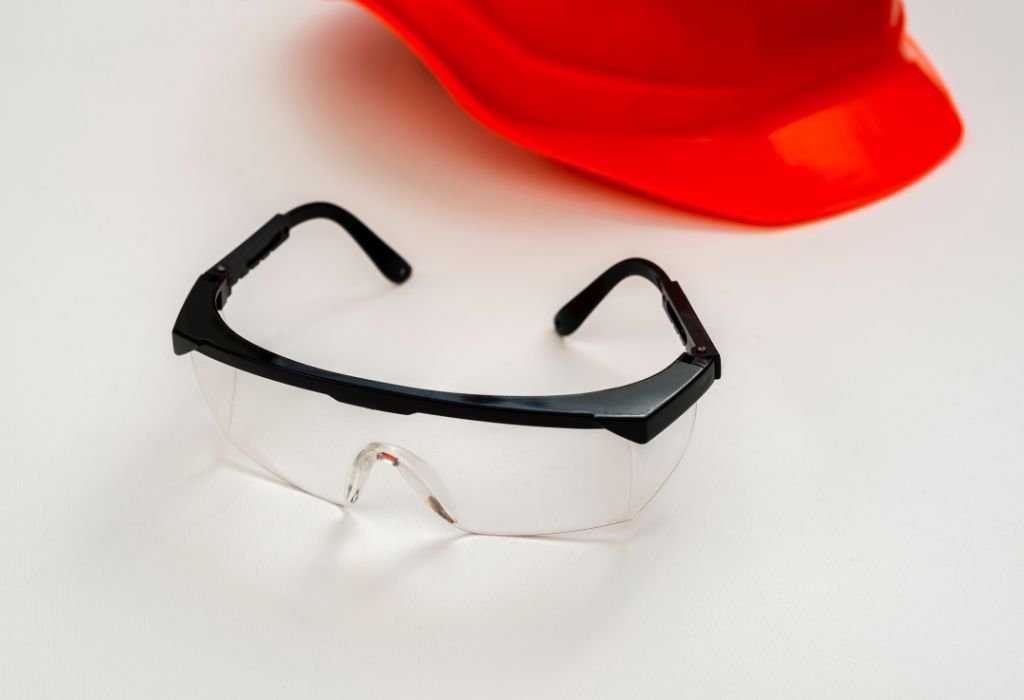
Eyes face constant threats from flying debris, dust, chemical splashes, and harmful radiation. Safety glasses provide a critical barrier that protects against these hazards before damage occurs.
Unlike regular eyewear, safety glasses are designed to withstand high-impact situations. Their polycarbonate lenses and side shields block dangerous particles and shield sensitive areas around the eyes.
Standards such as ANSI Z87.1 and the OSHA eye protection requirement ensure that certified glasses meet strict safety guidelines. Choosing glasses that carry these marks guarantees tested impact resistance and reliability.
Without this protection, even small particles can cause corneal scratches, infections, or permanent vision loss. Understanding when safety glasses should be worn is the first step toward preventing these preventable injuries.
What are the most common workplace eye hazards?
Flying debris, chemical splashes, dust, and radiant light are the leading risks.
Why are safety glasses better than regular glasses?
They use impact-resistant lenses, side shields, and ANSI-certified protection not found in standard eyewear.
What does ANSI Z87+ mean?
It indicates compliance with rigorous testing for impact resistance and durability.
Are prescription safety glasses available?
Yes, they can be custom-made with prescriptions while still meeting ANSI standards.
Do safety glasses protect against UV light?
Polycarbonate safety glasses naturally block ultraviolet rays, reducing long-term eye damage.
When Should Safety Glasses Be Worn at Work
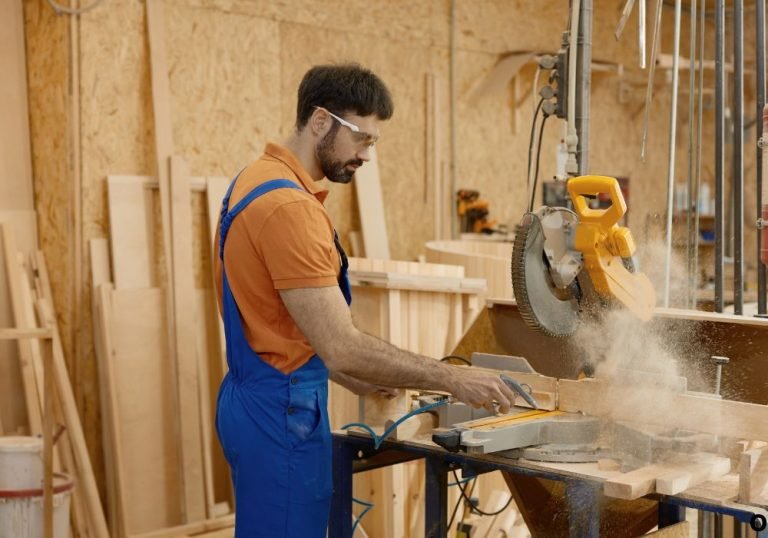
Workplaces present the highest risk of eye injuries due to constant exposure to hazardous environments. Industries like construction, metalwork, healthcare, and laboratories require strict compliance with protective eyewear standards.
OSHA mandates that employers must provide certified eye protection whenever hazards are present. This includes exposure to flying particles, molten metals, liquid chemicals, harmful light, or biological fluids.
Ignoring these rules can result in severe injuries and legal penalties for employers. Safety glasses not only protect workers but also safeguard businesses from liability.
High-risk environments such as welding shops, factories, and research labs demand advanced safety glasses with side shields or face shields. The right eyewear dramatically lowers accident rates and ensures regulatory compliance.
What does OSHA say about eye protection?
It requires safety glasses or goggles in any workplace with exposure to particles, liquids, or radiation.
Which jobs have the highest eye injury risk?
Construction, plumbing, welding, woodworking, manufacturing, and healthcare carry the most danger.
Are employers required to provide PPE?
Yes, OSHA states employers must supply protective eyewear where hazards exist.
How many eye injuries happen at work each day?
Approximately 2,000 injuries requiring medical treatment occur daily in the U.S.
Can workplaces be fined for ignoring eye safety?
Yes, failure to comply with OSHA standards can result in penalties and lawsuits.
When Should Safety Glasses Be Worn at Home & During DIY Projects
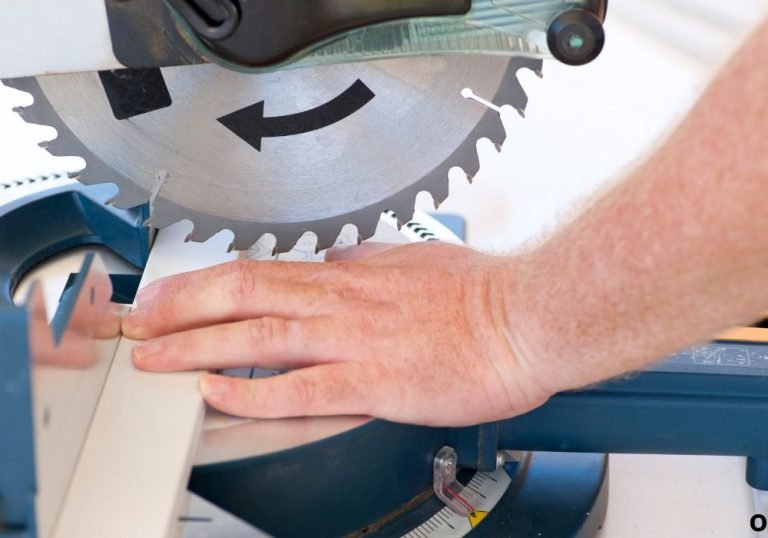
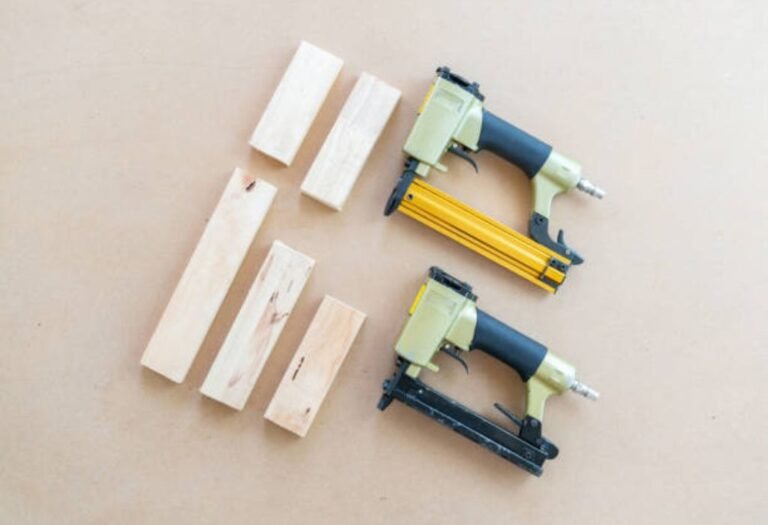
Household tasks often appear safe, but they contribute to thousands of eye injuries every year. Activities like using power tools, cutting wood, or spraying chemicals create hidden risks.
Many people underestimate the danger of lawn mowers, hedge trimmers, and drills. Each tool can throw sharp debris at high speeds capable of causing permanent vision loss.
Cooking and cleaning can also present threats. Grease splatters, bleach, and strong cleaning agents are responsible for painful burns and corneal damage.
Statistics show that more than 125,000 home eye injuries occur annually in the United States (State Farm). Most of these could have been avoided with simple protective eyewear.
What are common home eye hazards?
Yard work, chemical cleaners, cooking grease, and sharp tools are top risks.
How many home eye injuries happen annually?
Over 125,000 injuries occur in the U.S. each year during household activities.
Are those injuries preventable?
Yes, studies show nearly 90% can be avoided with proper protective eyewear.
Do regular glasses suffice at home?
No, they lack impact resistance and side shields that safety glasses provide.
Should children use safety glasses during projects?
Yes, protective eyewear is critical when kids assist in crafts or DIY tasks.
When Should Safety Glasses Be Worn During Sports & Recreational Activities
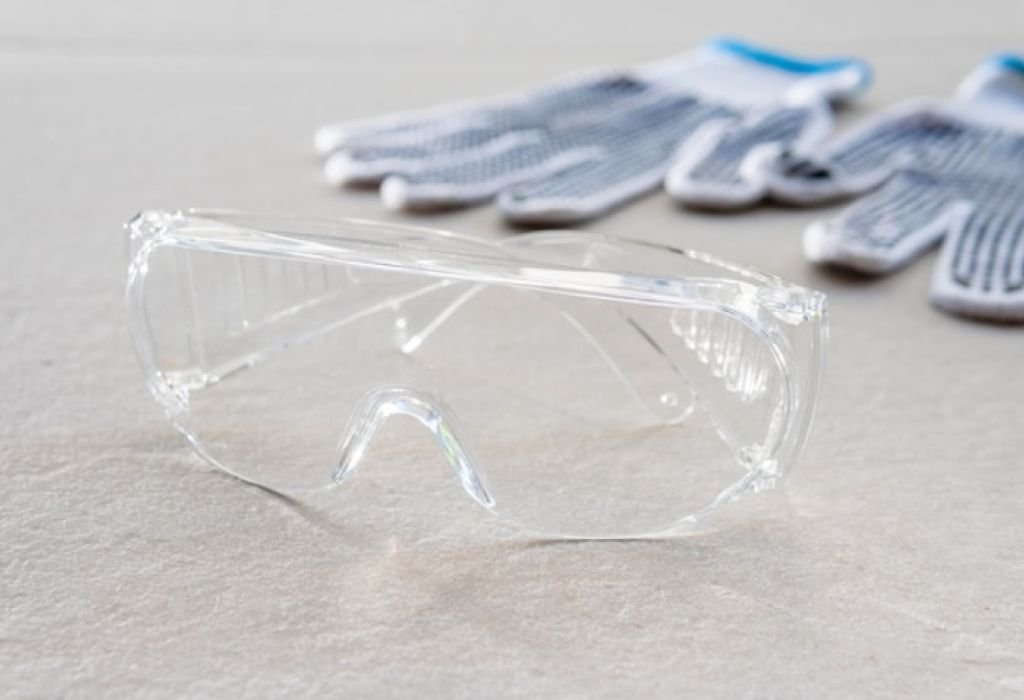
Sports and recreation are frequent sources of eye injuries, especially in high-speed games. Balls, pucks, and racquets can strike the eye with devastating force.
Outdoor activities add another layer of risk with UV exposure, dust, and wind. Without proper eye protection, athletes may suffer both immediate and long-term damage.
Sports-rated safety glasses are built to withstand repeated impact. They provide shatterproof lenses and often come with wraparound designs for maximum coverage.
The American Academy of Ophthalmology reports over 25,000 sports-related eye injuries annually in the U.S., many of which could be prevented with protective eyewear.
Which sports pose eye injury risk?
Basketball, hockey, racquetball, soccer, baseball, and cycling carry the highest risk.
How many sports eye injuries occur annually?
More than 25,000 injuries affect both children and adults each year.
How do safety glasses help against UV and blue light?
They block harmful rays and reduce eye strain from prolonged sunlight.
What is photokeratitis and how can glasses help?
It is sunburn of the cornea, often called snow blindness, and UV-blocking glasses prevent it.
Should prescription lenses be worn during sports?
Yes, prescription safety glasses combine vision correction with certified protection.
Safety Glasses in Healthcare & Infection-Control Settings
Healthcare workers face hazards beyond physical impacts. Fluids, blood, and infectious droplets can enter the eyes and transmit disease.
The CDC recommends protective eyewear whenever healthcare staff risk exposure to biological materials. Safety glasses or goggles form a vital shield in infection control.
During procedures, even minor splashes can carry viruses or bacteria. Glasses designed with sealed edges and anti-fog features protect frontline workers effectively.
Medical safety glasses must meet ANSI Z87.1 standards for impact resistance. They also offer designs tailored to long hours of use, ensuring both safety and comfort.
When are safety glasses needed in healthcare?
Whenever there is risk of exposure to blood, fluids, or infectious droplets.
Are regular glasses adequate for infection control?
No, they fail to prevent splashes or airborne particles from reaching the eyes.
What does CDC recommend?
They advise goggles or face shields in high-risk infection environments.
Do medical safety glasses help?
Yes, they provide both splash and impact protection in healthcare settings.
Can contact lenses protect against infection?
No, they do not offer barrier protection and can increase infection risk.
Choosing the Right Safety Glasses
Not all safety glasses are built the same, and choosing the right type makes a major difference. The best glasses combine ANSI certification, durability, and comfort.
Polycarbonate lenses are lightweight, impact-resistant, and naturally block UV light. They are the preferred material for both workplace and recreational use.
Additional features like anti-fog coatings, adjustable frames, and wraparound designs improve usability. A comfortable fit increases the likelihood of consistent use.
For people who need vision correction, prescription safety glasses are widely available. They meet the same standards while ensuring clear sight during tasks.
What certifications matter?
ANSI Z87.1 or Z87+ stamps prove that eyewear meets strict impact standards.
Why polycarbonate?
It is lighter, stronger, and naturally UV-resistant compared to other materials.
How important is fit and comfort?
A proper fit prevents slippage and ensures glasses stay on during critical moments.
Are prescription safety glasses available?
Yes, custom-built prescription lenses meet the same protective standards.
Do anti-fog coatings make a difference?
Yes, they prevent condensation in humid or hot environments, improving visibility.
Benefits & Prevention
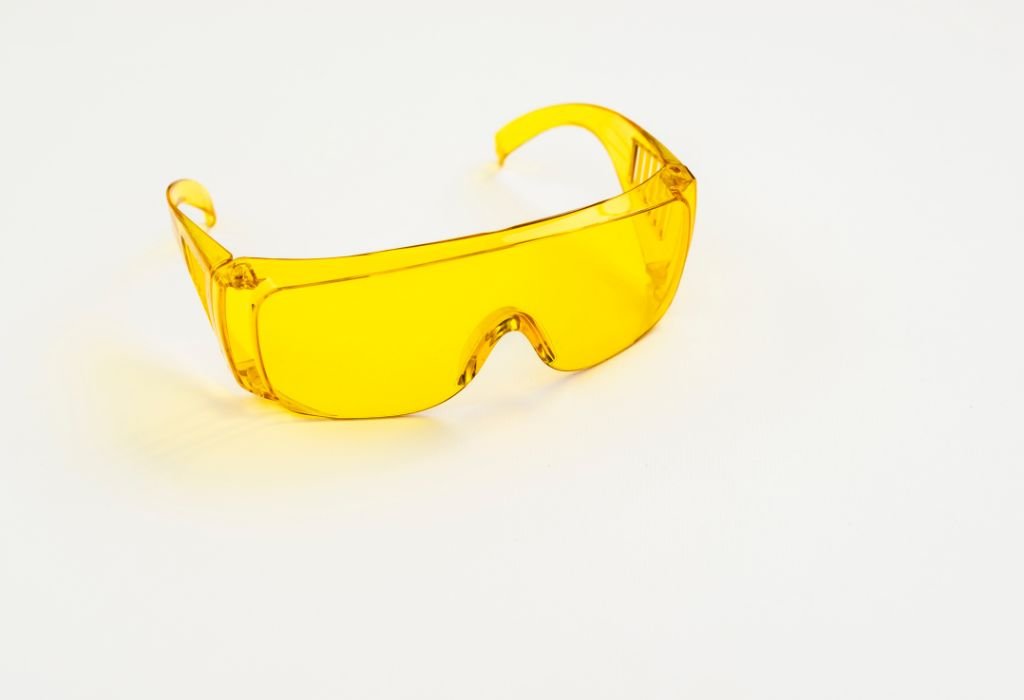
Safety glasses play a central role in preventing long-term vision damage. Their protection covers both sudden impacts and gradual harm from UV or chemical exposure.
The cost of safety glasses is low compared to the financial burden of medical treatment. Preventing one accident saves thousands of dollars in healthcare and lost productivity.
They also boost confidence in high-risk environments. Workers and athletes perform better knowing their vision is secure.
The simple act of wearing protective eyewear is a proactive investment in lifelong health. Preventing injuries today reduces the chance of chronic conditions tomorrow.
How effective are safety glasses at preventing injury?
Up to 90% of eye injuries could be avoided with consistent use.
What’s the financial impact?
Medical costs and lost wages are far higher than the cost of safety glasses.
Can safety glasses prevent long-term damage?
Yes, they reduce risks from UV exposure, chemicals, and recurring impact.
Do safety glasses enhance performance?
Yes, clear and safe vision helps workers and athletes focus better.
Are safety glasses comfortable for daily use?
Modern designs with lightweight materials and coatings ensure daily comfort.
Conclusion
Safety glasses are essential across workplaces, homes, sports, and healthcare environments. They defend against debris, chemicals, infection, and harmful light.
Regulations and safety standards underline their importance, but the greatest value lies in personal protection. Consistent use prevents injuries that could change lives forever.
Understanding when safety glasses should be worn allows individuals to act before harm occurs. By investing in certified protective eyewear, anyone can safeguard vision and ensure long-term eye health.
Protecting your eyes is a simple habit with lifelong benefits. The best time to wear safety glasses is whenever there is even a chance of risk.

I’m Michael R. Turner, the founder, lead writer, and passionate DIY enthusiast behind 101diytools.com. With years of hands-on experience in home improvement and power tools, I built this platform to share practical tips, in-depth guides, and honest reviews to help DIYers of all skill levels tackle projects with confidence and the right tools.