When Are Food Workers Required to Change Gloves Safely
The lunch rush begins and a line cook flips raw chicken before reaching for lettuce. In that moment, the question arises: when are food worker required to change gloves?
Improper glove use is one of the most common food safety violations. The CDC reports that poor hand hygiene, including glove misuse, contributes to many foodborne illness outbreaks each year (source).
Gloves are not magic shields. They protect food only when paired with correct handwashing and changed at the right times.
Wearing the same gloves across multiple tasks transfers bacteria, allergens, or chemicals to ready-to-eat food. That makes glove change rules a vital defense against cross-contamination.
The FDA Food Code requires workers to wash hands and put on new single-use gloves whenever contamination risk is present .
That includes after handling raw meat, touching trash, or before starting a new food task.
This guide explains exactly when are food worker required to change gloves, why it mat
Quick Answer — The Core Rule for Glove Changes
Food workers must change gloves whenever they become contaminated or tasks change. Washing hands before putting on a new pair is mandatory for safety.
This means glove changes are tied to risk, not time. A clean glove can be worn for one task, but once you switch jobs or touch a potential hazard, a fresh pair is required.
What is the simplest rule of thumb?
Change gloves at every task change or contamination event.
Do gloves replace handwashing?
No, workers must wash hands before donning new gloves.
Are gloves required for ready-to-eat foods?
Yes, especially when bare-hand contact is restricted by local code.
How often during the shift?
As often as needed to prevent contamination—there is no set time limit.
What about double-gloving?
Outer gloves still need to be replaced at contamination points.
Situations That Require an Immediate Glove Change
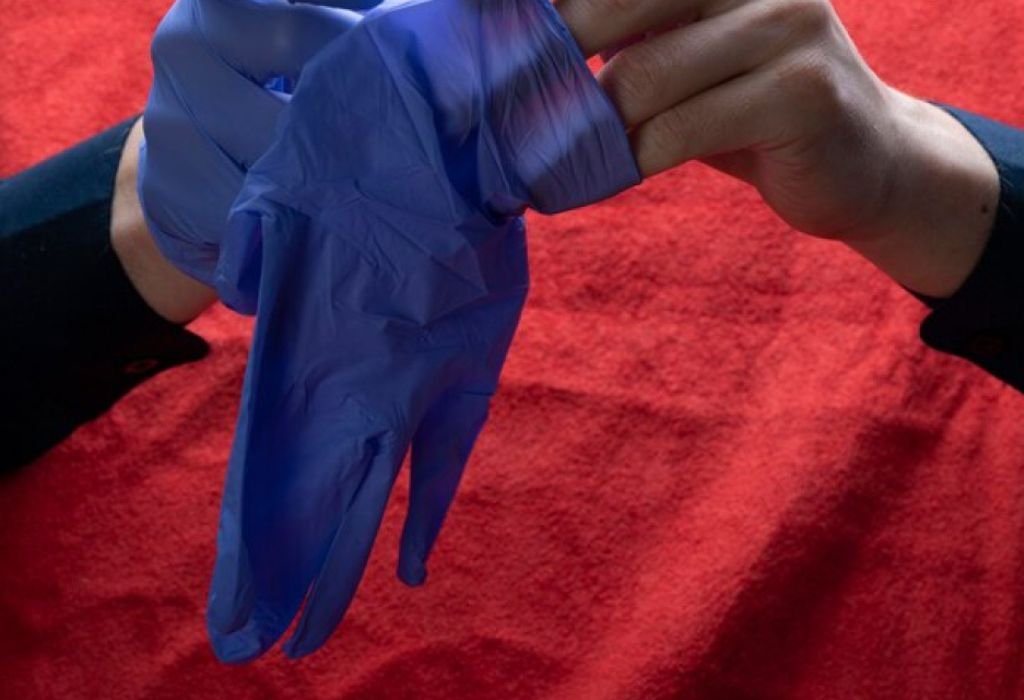
Certain events always trigger a glove change. These include switching between raw and ready-to-eat foods, touching your face, or gloves becoming torn or dirty.
Food safety depends on recognizing these moments and acting fast. Failure to change gloves at the right time is one of the top health code violations.
Switching from raw meat to ready-to-eat items?
Remove gloves, wash hands, and put on a fresh pair.
Gloves torn or punctured?
Change immediately to prevent leaks.
Touched face, hair, phone, or money?
Gloves are contaminated and must be replaced.
After cleaning chemicals or trash?
Discard gloves, wash hands, and use a new set.
After restroom or break?
Always wash hands and don a new pair of gloves.
Handwashing + Gloving — The Only Safe Sequence
Gloves only protect food if workers wash hands before putting them on. A proper wash ensures the inside of gloves stays clean and reduces hidden contamination risks.
The correct sequence is: wash for 20 seconds, rinse, dry, sanitize if allowed, then put on gloves without touching fingertips. This creates a barrier that protects food and customers.
Why wash if gloves are clean?
Clean hands prevent contamination inside gloves.
Can sanitizer replace soap and water?
No, sanitizer is supplemental after proper handwashing.
Hands sweaty or damp?
Dry thoroughly before putting on gloves.
Touching glove fingertips while donning?
Start over with a new pair.
Rings and long nails?
They can tear gloves and should be avoided.
Raw to Ready-to-Eat Transitions (Cross-Contamination Hotspots)
Cross-contamination is the greatest risk in glove misuse. Moving from raw chicken to salad prep without changing gloves can spread dangerous bacteria like Salmonella.
Workers must treat each transition as a contamination point. A glove change paired with proper handwashing is non-negotiable.
Moving from raw seafood to salad?
Wash hands and change gloves before handling salad.
Same cutting board, new task?
Sanitize the board and put on new gloves.
Can tongs replace glove changes?
Only if tongs are dedicated and sanitized between uses.
Marinade splash on gloves?
Gloves must be replaced immediately.
Handling allergens then general food?
Wash hands, change gloves, and use clean utensils.
Allergen Control — When a Glove Change Is Non-Negotiable
Allergens pose unique risks because even tiny residues can trigger severe reactions. Gloves must be changed whenever moving between allergen and non-allergen tasks.
This applies to common allergens like peanuts, milk, eggs, soy, wheat, fish, shellfish, tree nuts, and sesame. Dedicated gloves and utensils are the safest option.
Building a gluten-free pizza after regular dough?
Wash hands, change gloves, and use clean tools.
Peanut butter dessert then fruit cups?
Mandatory glove change and surface cleaning.
Does heat destroy allergens?
No, residues remain dangerous.
Dedicated allergen station?
Yes, with separate gloves and tools.
Labeling needed?
Clear labels and colored gloves help prevent mistakes.
Time, Temperature, and Task Changes (TCS Foods)
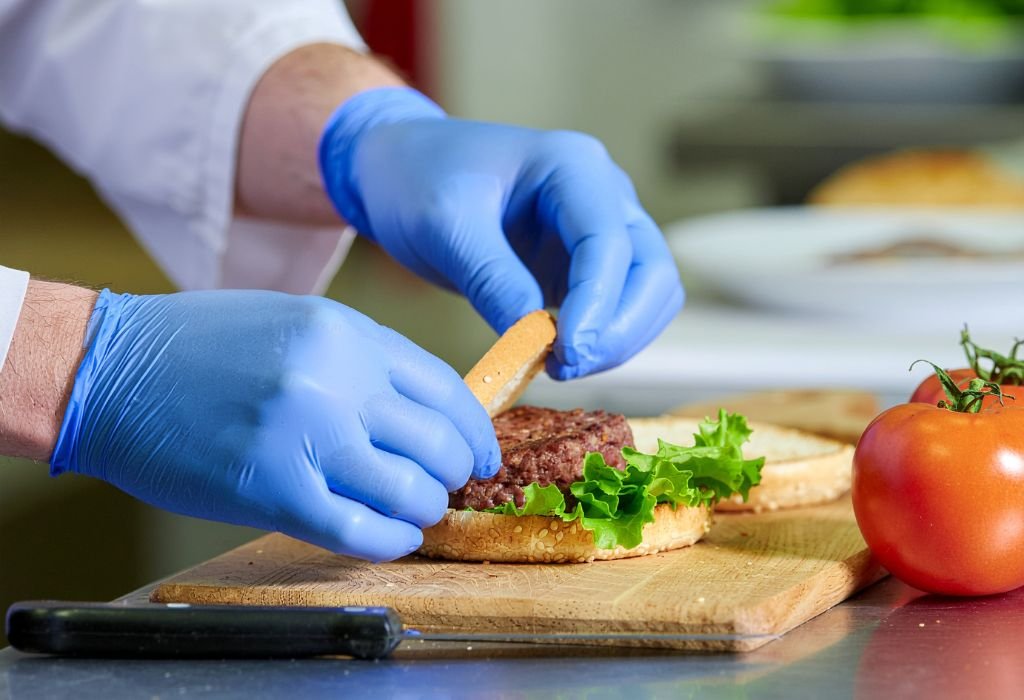
Gloves must be changed when working with time/temperature control for safety (TCS) foods. These include meats, dairy, cooked rice, and other high-risk items.
Switching between tasks while handling TCS foods without a glove change increases contamination risk. Safe handling requires glove changes at every task switch.
Probing temps then plating?
Sanitize the probe, wash hands, and change gloves.
From prepping raw burgers to cooking line?
New gloves are required.
Stirring cooling soup then assembling wraps?
Change gloves and wash hands.
Hands feel greasy or damp?
Gloves must be replaced.
Working a buffet line?
Change gloves after touching serving utensils left by guests.
After These Specific Events, Change Gloves Every Time
Certain events always require glove changes. These include touching aprons, wiping spills, handling trash, or answering phones.
Workers must treat gloves as contaminated after any of these events. Fresh gloves protect food and customers.
Touched apron or hairnet?
Replace gloves immediately.
Picked up delivery boxes?
Cardboard contaminates gloves; wash hands and re-glove.
Handled cash or receipts?
Change gloves before food handling.
Dropped utensil and picked it up?
Replace gloves and sanitize the utensil.
Opened cooler handles touched by many?
Glove change is recommended before RTE food handling.
Glove Fit, Type, and Storage (Vinyl vs Nitrile vs Latex)
Not all gloves are equal. Workers should wear properly fitting gloves made from safe materials like nitrile, vinyl, or latex.
Nitrile is durable and allergy-safe, vinyl is affordable but less durable, and latex should be avoided if allergies are a concern. Gloves must always be stored clean and dry.
Best type for line work?
Nitrile for durability and comfort.
Is latex okay?
Not if latex allergies are a concern.
Vinyl pros/cons?
Cheap but less resistant to tears.
Powdered gloves?
Avoid if restricted by food code.
Storage tips?
Keep gloves in dispensers away from heat and chemicals.
Common Mistakes Inspectors See (and How to Fix Them)
Health inspectors report glove misuse as a top violation. Workers often keep gloves on too long, skip handwashing, or use gloves in place of proper hygiene.
Fixes include training, visible signage, and clear SOPs. Managers must reinforce habits with real-time coaching.
Biggest error?
Using gloves as a substitute for handwashing.
Reusing gloves after handwashing?
Never—always discard and re-glove.
Gloving before setting up a station?
Set up first, then wash hands and glove.
Torn glove mid-task?
Stop, wash hands, and replace gloves.
Training gap fix?
Use glove-change charts and ongoing reminders.
Building a Kitchen SOP — Make the Right Thing the Easy Thing
Standard operating procedures (SOPs) make compliance easier. A clear glove-change sequence—Stop, Wash, Dry, Glove, Work, Change—keeps staff consistent.
Posting signage and color-coding gloves for raw and ready-to-eat foods reduces mistakes during busy shifts. Managers must monitor and reinforce SOPs daily.
How to train new hires fast?
Provide quick cards with pictures and live coaching.
How to prevent glove fatigue?
Set clear task boundaries to reduce overuse.
Busy rush hours?
Dedicate staff to specific tasks to limit changes.
How to prove compliance?
Keep simple logs and records.
Where to place dispensers?
Next to sinks and transition points.
Audits, Inspections, and What Managers Need to Document
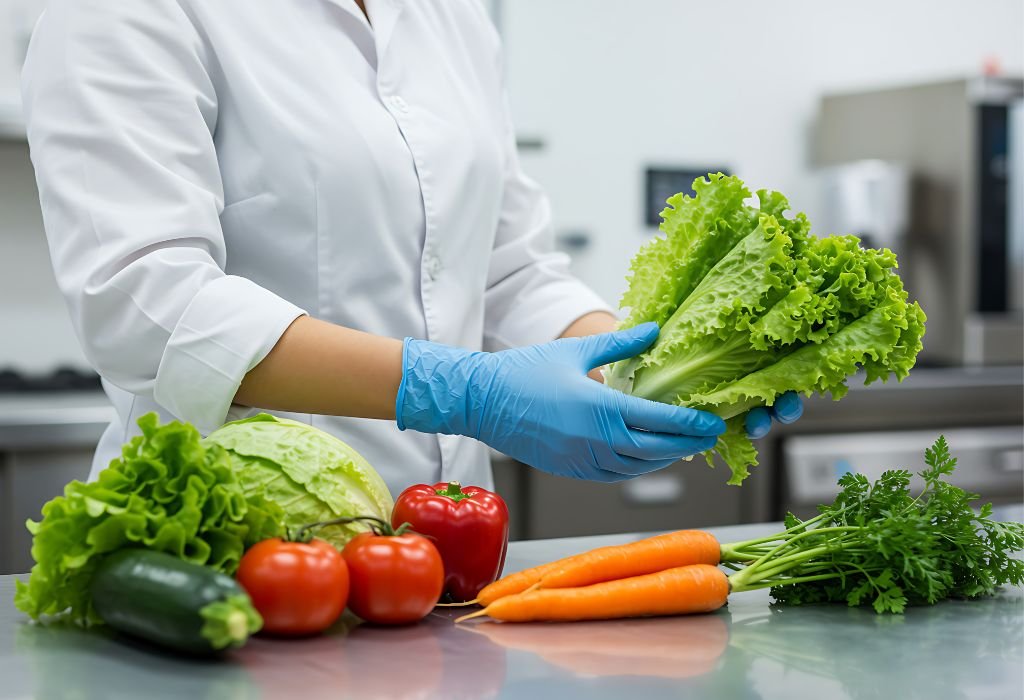
Inspectors focus on glove use, handwashing, and contamination risks. Records, signage, and training materials help demonstrate compliance.
A manager who can show documented training and SOPs will pass inspections more easily. Consistency is the key to safe kitchens.
Do inspectors allow bare-hand contact with RTE foods?
Some jurisdictions do, with strict procedures.
How often to retrain staff?
At hire and at least annually.
What records are needed?
Training logs and posted SOPs.
Are QR code SOPs helpful?
Yes, quick access boosts compliance.
What if staff speak multiple languages?
Use translated signage and visuals.
FAQs — Edge Cases and Special Situations
Foodservice presents unique challenges. Here are some specific glove-change questions.
Gloves after minor cut with bandage?
Yes, change gloves at contamination points.
Change gloves for the same task after 30 minutes?
Only if contaminated; risk determines change, not time.
Drive-thru payment to sandwich assembly?
Payment contaminates gloves—wash and change.
Bar staff handling cash and garnishes?
Separate roles or change gloves often.
Food demo sampling?
Use utensils or change gloves frequently.
Conclusion
The rule is simple: food workers must change gloves whenever tasks or contamination risks change. Handwashing before each new pair makes glove use effective.
By following these rules, kitchens can prevent foodborne illness, avoid health violations, and build customer trust. Proper glove habits protect everyone.
ters, and how to build habits that keep kitchens inspection-ready and customers safe.

I’m Michael R. Turner, the founder, lead writer, and passionate DIY enthusiast behind 101diytools.com. With years of hands-on experience in home improvement and power tools, I built this platform to share practical tips, in-depth guides, and honest reviews to help DIYers of all skill levels tackle projects with confidence and the right tools.