What Torque Impact Wrench for Lug Nuts? Full Guide
A flat tire on the roadside can turn stressful fast. You grab the jack, set your tools, but the lug nuts refuse to move.
This happens to many drivers because lug nuts are often tightened far beyond what a hand wrench can handle. The result is wasted time, frustration, and sometimes damage.
Lug nuts may look small, yet they are critical for safety. Too much torque can strip studs or warp rotors. Too little torque can make wheels come loose.
The National Highway Traffic Safety Administration (NHTSA) reports that wheel-related failures cause more than 700 crashes each year in the U.S. Many of these could be avoided with correct torque.
That raises the key question: what torque impact wrench should you use for lug nuts? The answer isn’t the same for every driver.
Some impact wrenches deliver excessive power and risk overtightening. Others may not provide enough torque to loosen stubborn nuts.
Between cordless and pneumatic models, the choices can feel overwhelming. Each has advantages, but not all are suitable for every vehicle.
In this guide, you’ll learn the recommended torque ranges for lug nuts, how to pick the right impact wrench, and the mistakes to avoid. By the end, you’ll know exactly what tool keeps your wheels secure and safe.
Why Torque Is Important for Lug Nuts
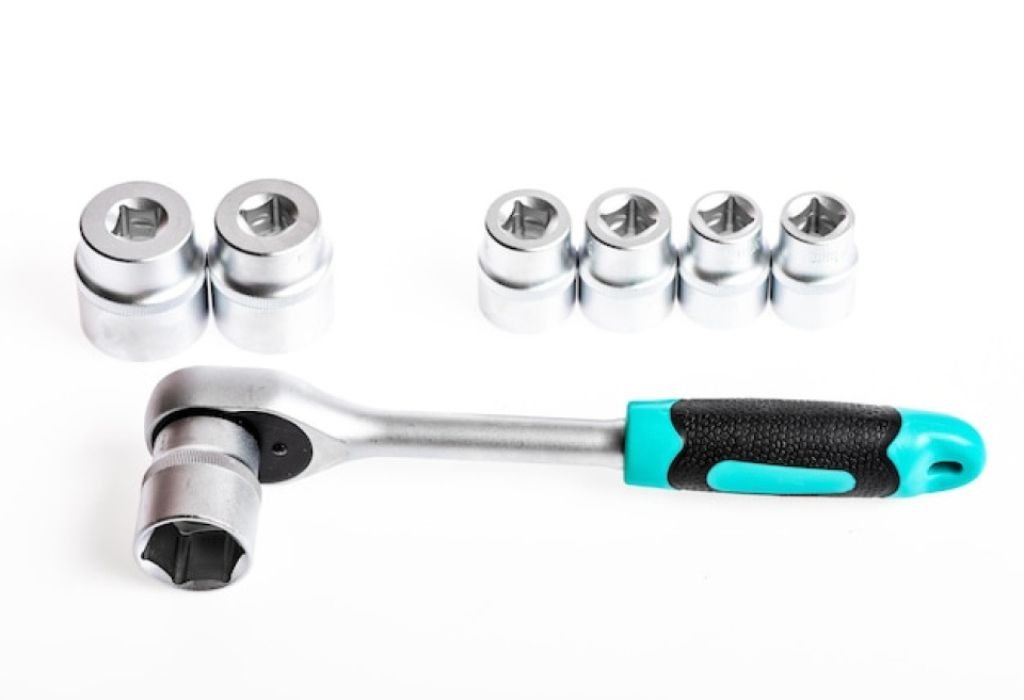
Torque is the twisting force applied to tighten or loosen a fastener. When it comes to lug nuts, the correct torque ensures your wheels stay secure.
Over-torquing can cause serious problems. It may strip the wheel studs or even warp your brake rotors.
Under-torquing is just as dangerous. A loose lug nut can cause vibrations, wheel damage, or even make the wheel fall off while driving.
Most vehicles require between 80–120 ft-lbs of torque for lug nuts. Larger trucks and SUVs may need more, while smaller cars often need less.
What happens if lug nuts are too tight?
They can damage studs and make removal difficult later.
What if lug nuts are too loose?
The wheel may wobble or even detach, creating a serious hazard.
Understanding Impact Wrench Torque Ratings
Torque in an impact wrench is measured in foot-pounds (ft-lbs). It represents the force the tool can apply to tighten or loosen a fastener.
Cordless impact wrenches today commonly provide 150–1000 ft-lbs of torque. Pneumatic versions can go even higher, often exceeding 1200 ft-lbs.
While more torque sounds better, too much power can actually be harmful. Using excessive torque on lug nuts can lead to stripped studs or cracked components.
What does torque mean in an impact wrench?
It is the amount of twisting force the tool delivers to a fastener.
How much torque do lug nuts usually need?
Most vehicles need between 100–150 ft-lbs.
Can too much torque damage parts?
Yes, overtightening can weaken studs and damage wheels.
Ideal Torque Range for Lug Nuts
Every vehicle has a specific torque range for its lug nuts. Following this range keeps the wheels safe and secure.
For most cars, the recommended range is 80–120 ft-lbs. Trucks and SUVs often require 120–150 ft-lbs or more.
Impact wrenches rated between 200–300 ft-lbs are usually ideal. They have enough power to loosen stubborn nuts without risking too much force.
Professional mechanics often use stronger wrenches. To avoid overtightening, they rely on torque sticks or finish with a torque wrench.
Do I need a 1000 ft-lb impact wrench for lug nuts?
No, that much power is unnecessary for standard vehicles.
What drive size is best for lug nuts?
A 1/2-inch drive impact wrench is the most common choice.
Cordless vs Pneumatic Impact Wrenches
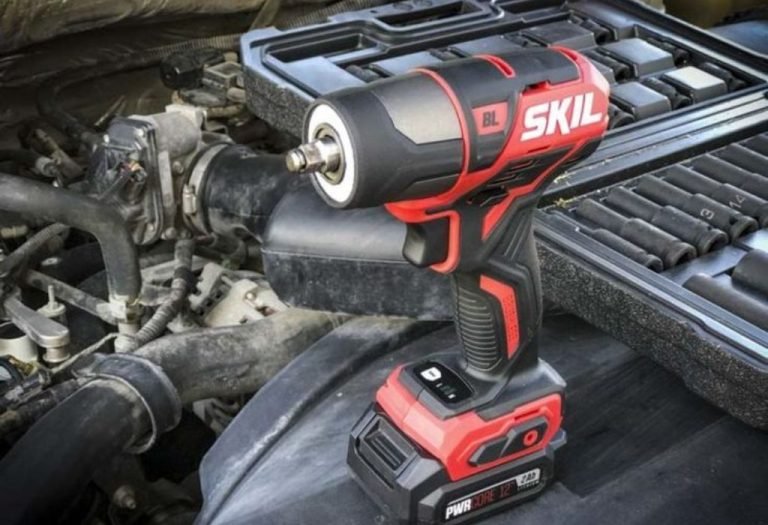
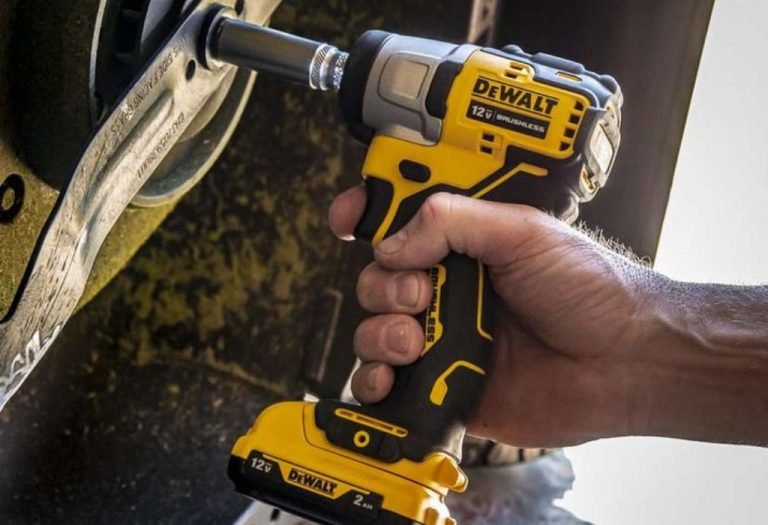
Cordless impact wrenches have become very popular. They run on rechargeable batteries and offer great portability.
Pneumatic impact wrenches use compressed air. They deliver consistent torque and are favored in professional workshops.
For DIY car owners, cordless models are usually the best option. They don’t require compressors and are easy to carry around.
Shops that handle multiple vehicles daily prefer pneumatic. These tools can run all day without battery changes.
Are cordless impact wrenches strong enough for lug nuts?
Yes, many cordless models exceed 300 ft-lbs, which is more than enough.
Why do professionals still use pneumatic tools?
They provide nonstop power, reliability, and durability for heavy workloads.
Which option is better for home use?
Cordless tools are better for convenience and mobility.
Using Torque Sticks and Torque Wrenches
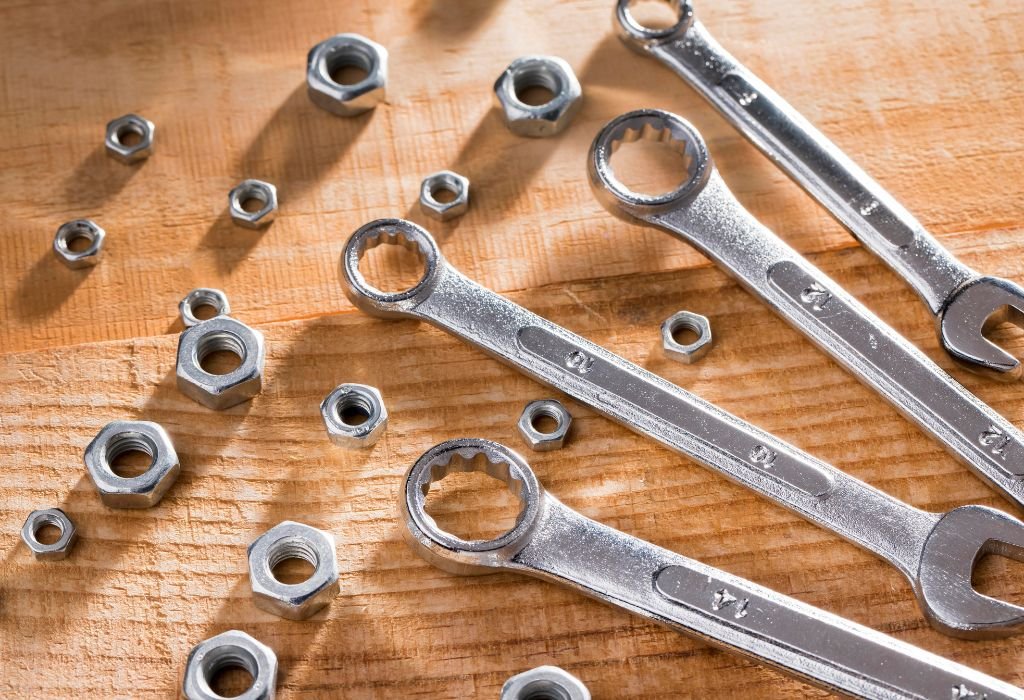
Impact wrenches are great for speed, but they can’t guarantee accuracy. That’s why torque sticks and torque wrenches are essential.
A torque stick is designed to flex at a certain torque level. This prevents overtightening when using an impact wrench.
A torque wrench is used for final tightening. It ensures each lug nut matches the manufacturer’s exact torque specification.
Can I rely only on my impact wrench for tightening?
No, always confirm with a torque wrench for safety.
Why do professionals use torque sticks?
They allow fast work while reducing the risk of over-torquing.
Should I always finish with a torque wrench?
Yes, it guarantees precision and avoids wheel or stud damage.
Mistakes to Avoid with Impact Wrenches
One common mistake is overtightening lug nuts. Too much torque can snap studs or warp brake rotors.
Another mistake is starting threads with an impact wrench. This can lead to cross-threading and permanent damage.
Using the wrong socket size is also risky. Loose-fitting sockets can round off lug nuts and make removal difficult.
Is maximum torque okay for removing lug nuts?
Yes, high torque is fine for loosening, but not for tightening.
Can cross-threading happen with an impact wrench?
Yes, always start threading by hand before using the tool.
Do all vehicles use the same torque specs?
No, check your owner’s manual for the correct torque.
Choosing the Right Impact Wrench for Your Vehicle
Different vehicles need different torque levels. Compact cars usually need less torque, while trucks and SUVs require more.
For most drivers, a 1/2-inch drive impact wrench is the best choice. It offers enough power and works with standard lug nuts.
Look for features like adjustable torque settings, brushless motors, and large battery capacity. These make the tool more efficient and reliable.
Budget wrenches can work if rated above 200 ft-lbs. Premium models provide more durability and advanced control.
How do small cars differ from trucks in torque needs?
Cars need around 80–100 ft-lbs, while trucks may need 120–150 ft-lbs or more.
Do budget impact wrenches work for lug nuts?
Yes, as long as they provide at least 200 ft-lbs of torque.
What features matter most when buying one?
Adjustable torque, reliable batteries, and a strong motor.
Safety Tips When Working with Lug Nuts
Always tighten lug nuts in a crisscross pattern. This keeps even pressure on the wheel.
Recheck the torque after driving 50–100 miles. Vibrations can loosen newly installed wheels.
Wear gloves and safety glasses when using an impact wrench. Protecting your hands and eyes is essential.
Can over-torquing really damage studs?
Yes, it can weaken or snap them under stress.
Should I check lug nuts again after driving?
Yes, recheck after 50–100 miles for safety.
What protective gear should I wear?
Gloves and safety glasses are the basics.
Best Practices from Professionals
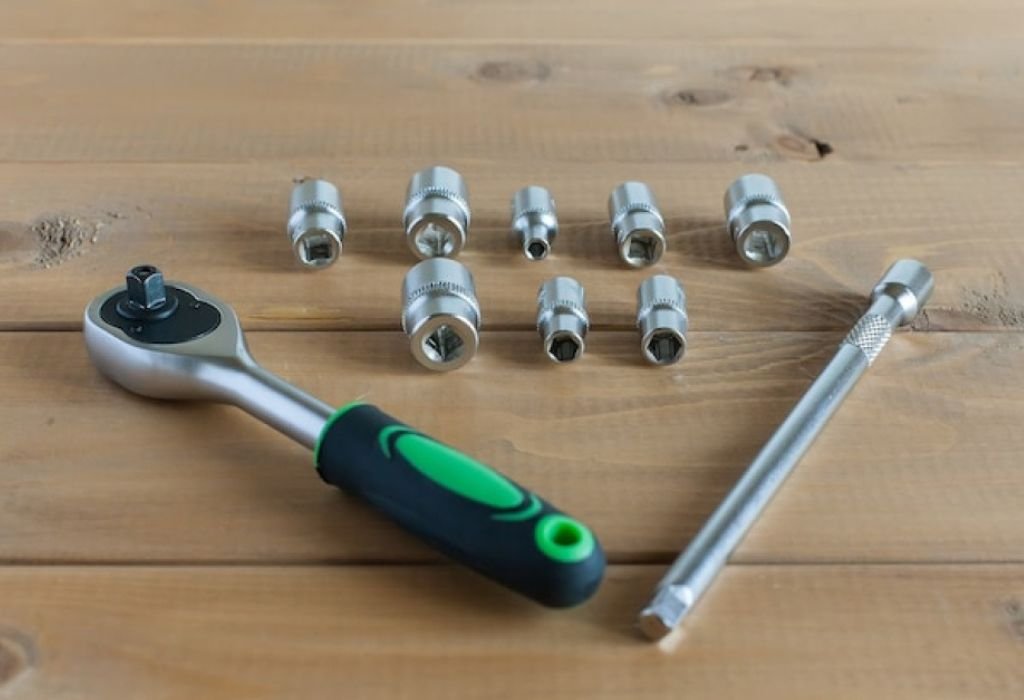
Tire shops often use impact wrenches for quick removal. They save time when working on multiple vehicles.
For tightening, many shops use torque sticks. These help prevent overtightening during fast-paced work.
Final tightening is always done with a torque wrench. This ensures accuracy and matches manufacturer specifications.
How do tire shops usually tighten lug nuts?
They use an impact wrench, then confirm torque with a torque wrench.
Why do mechanics add torque sticks to the process?
They allow speed while reducing the risk of excess torque.
Should DIY users copy this process?
Yes, it’s the safest method for tightening lug nuts.
FAQs on Impact Wrenches for Lug Nuts
Can a 200 ft-lb impact wrench handle lug nuts?
Yes, most lug nuts are tightened between 80–120 ft-lbs, so 200 ft-lbs is enough.
Should I always use a torque wrench after tightening?
Yes, it ensures every lug nut meets the manufacturer’s exact specification.
Is an impact driver okay for lug nuts?
No, it lacks the torque required and may damage the fastener.
Do I need a high-torque 1000 ft-lb wrench?
No, that much power is unnecessary for regular cars and light trucks.
What drive size is best for lug nuts?
A 1/2-inch drive is the most common and reliable choice.
Conclusion
Using the right torque for lug nuts is more than convenience. It’s a matter of safety and reliability on the road.
For most cars, 80–120 ft-lbs is the standard range. Trucks and SUVs usually need 120–150 ft-lbs or more.
A 200–300 ft-lb impact wrench is ideal for handling lug nuts. It offers enough strength without risking overtightening.
Always finish tightening with a torque wrench. This guarantees accuracy and protects your wheels and studs.
The best practice is simple: loosen with an impact wrench, tighten to spec with a torque wrench. Following this method keeps your wheels safe and your drive worry-free.

I’m Michael R. Turner, the founder, lead writer, and passionate DIY enthusiast behind 101diytools.com. With years of hands-on experience in home improvement and power tools, I built this platform to share practical tips, in-depth guides, and honest reviews to help DIYers of all skill levels tackle projects with confidence and the right tools.