What Size Circular Saw Should I Buy?
Imagine standing in your garage, ready to start a home improvement project. You’ve got the lumber, the measurements, and the excitement to begin cutting wood for your shelves or framing walls. But when you walk down the tool aisle or browse online stores, you see circular saws labeled with blade sizes like 5½, 6½, 7¼, and even 8¼ inches. You pause, realizing that the saw’s size isn’t just about appearance—it determines how deep it can cut, how heavy it feels, and how well it fits your work.
Choosing the right circular saw size is one of the most important decisions for any DIYer or professional carpenter. The saw’s blade size affects the depth of cut, the material you can handle, and even how long you can work comfortably without fatigue. The wrong size can slow down your project, make cuts less accurate, or cause the saw to strain.
In this detailed guide, we’ll explore everything you need to know before buying a circular saw. You’ll learn how saw sizes work, what blade diameters suit which jobs, and how to match your tool choice to your projects. By the end, you’ll know exactly what size circular saw to buy for your needs—whether you’re a beginner building furniture or a contractor framing walls all day.
How Circular Saw Sizes Are Measured

Circular saws are typically categorized by the diameter of their blades, measured in inches. The most common blade sizes are 4½, 5½, 6½, 7¼, and 8¼ inches. The size refers to the blade’s diameter, which determines the maximum depth the saw can cut through material at a 90-degree angle.
A larger blade cuts deeper and can handle thicker material. However, it also means a heavier and bulkier saw. Smaller blades are easier to control but have limited depth. Understanding this relationship between size, depth, and usability is the key to choosing the right saw.
For example, a 7¼-inch circular saw can cut around 2½ inches deep in a single pass, which is perfect for most home projects like framing, decking, and plywood cutting. A 6½-inch saw cuts about 2¼ inches deep, which still works for most tasks but might require flipping thicker boards.
Manufacturers often design saws around standard blade sizes, which affects how many blade options you’ll find in stores. The 7¼-inch size, for instance, has the widest variety of blades available, making it the most popular and versatile option for both professionals and homeowners.
Why Blade Size Matters
The blade size is not just a number—it determines the balance between cutting power, versatility, and comfort. A larger blade lets you cut deeper, reducing the number of passes needed. It’s ideal for construction-grade work or when cutting thick lumber.
However, large saws can be heavy, which makes them tiring to hold during long sessions. A compact or mid-sized saw is lighter, easier to control, and safer for small or precise cuts. That’s why choosing the size depends on the material you plan to cut and how frequently you’ll use it.
If you cut only small pieces of wood, trim, or thin plywood, a 5½-inch saw might be sufficient. But if you plan to build decks, furniture, or frames, a 7¼-inch model is the smarter investment.
A good rule of thumb is this: choose a saw that can cut slightly deeper than your typical material thickness. That way, you’ll never need to force cuts or flip boards to finish a job.
Small Circular Saws (4½″ to 6½″)
Smaller circular saws are designed for light-duty work and precision tasks. They are compact, lightweight, and ideal for beginners who prioritize control and safety.
A 4½-inch or 5½-inch circular saw usually cuts about 1½ to 2 inches deep, which is perfect for thin boards, laminate, or paneling. These saws are great for small woodworking projects, home repairs, and cutting material in tight spaces.
Another advantage of smaller saws is their weight. You can use them with one hand in some cases, which helps when cutting overhead or in awkward angles. They are also easier to transport and store.
However, smaller saws have limitations. Their shallow cut depth means they can’t handle thicker lumber or framing materials efficiently. You might find yourself flipping boards to complete a cut, which increases work time and can reduce accuracy.
If you mostly work on small-scale DIY projects, trim installation, or craft building, a compact circular saw is an excellent choice. But if you ever plan to cut through 2×4 studs or thick plywood sheets, you’ll outgrow it quickly.
Medium Circular Saws (6½″ to 7¼″)
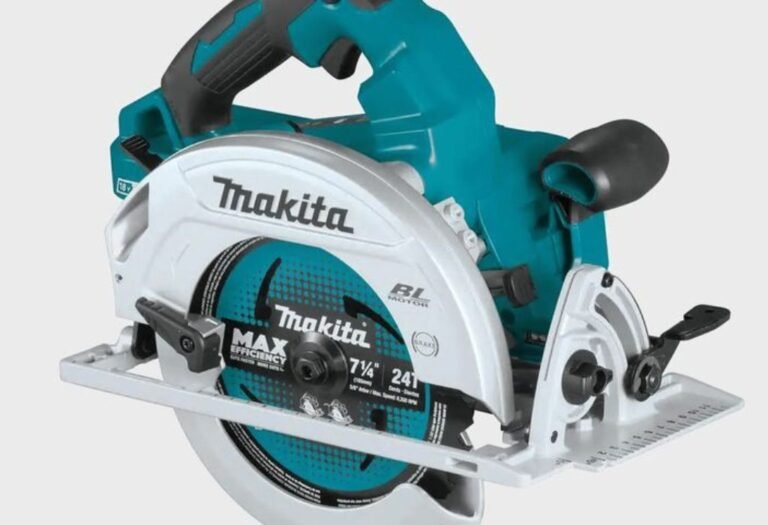
The 7¼-inch circular saw is the most popular size worldwide, and for good reason. It strikes the perfect balance between power, depth, and maneuverability. This size is considered the “all-purpose” saw for both DIYers and professionals.
A 7¼-inch saw can cut approximately 2½ inches deep at a 90-degree angle and around 1¾ inches at a 45-degree bevel. That’s enough to slice through standard 2×4, 2×6, or plywood in one smooth pass. This size also supports a wide range of blade types—from fine-tooth plywood blades to aggressive framing blades—making it extremely versatile.
If you could only own one circular saw, the 7¼-inch would be the best investment. It’s strong enough for heavy framing, yet manageable enough for smaller tasks. It also has the widest availability of replacement blades, which means you’ll always find the right blade for your project.
Most cordless circular saws today are designed around the 6½ or 7¼ size, offering excellent power-to-weight balance. If you’re starting out or upgrading from a smaller saw, this size will handle nearly everything around the house or job site.
Large Circular Saws (8¼″ and Above)
Large circular saws, typically 8¼ inches or more, are built for professional contractors who work on heavy-duty construction projects. They deliver deeper cuts—often up to 3 inches or more—which allows them to slice through thick beams, heavy hardwoods, and layered materials without flipping the board.
These saws are more powerful and cut faster on dense materials. However, they are also heavier, bulkier, and harder to maneuver. Unless you’re cutting large framing beams, thick timbers, or structural components regularly, this size is usually unnecessary for home use.
An 8¼-inch saw might be worth it if you build decks, sheds, or do structural framing. But for everyday woodworking or home renovation, it’s excessive. Most users find that a mid-sized saw does the job efficiently without the added weight and cost of an oversized model.
Corded vs. Cordless Circular Saws
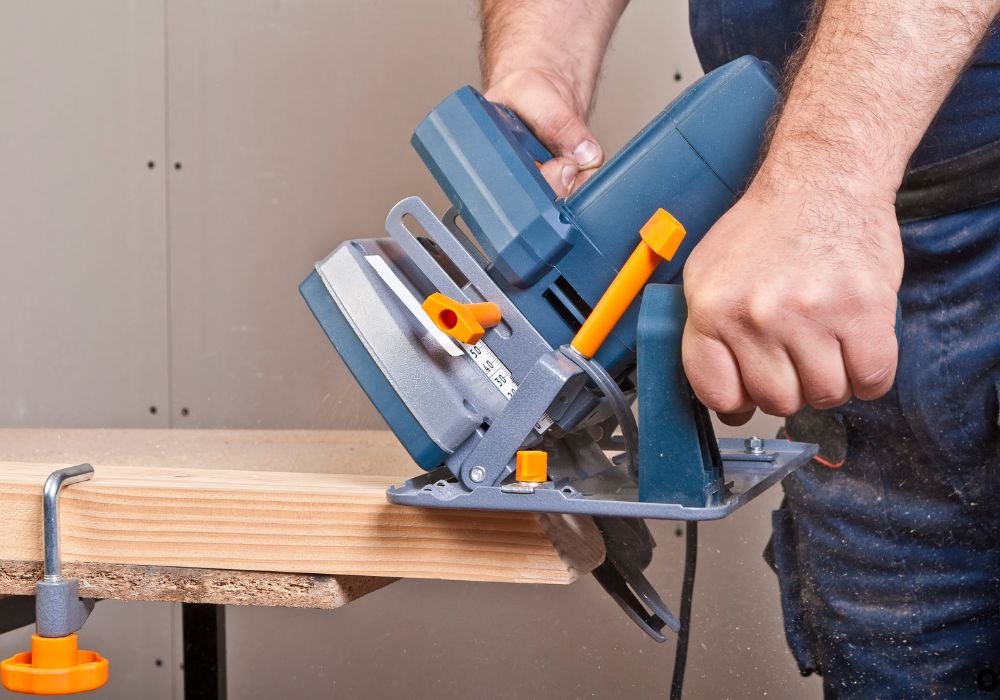
While size determines how deep a saw can cut, the power source affects how it performs. Corded circular saws plug into electricity and provide consistent, unlimited power. They’re often preferred for heavy work or continuous cutting.
Cordless saws, powered by lithium-ion batteries, are more portable and convenient. They’re great for outdoor or remote locations without power access. In recent years, battery technology has improved significantly, and many 18V or 20V cordless saws can now match the power of corded ones.
However, larger blade sizes consume more energy. If you choose a cordless model with a 7¼-inch blade, you’ll need a high-capacity battery to maintain speed and torque. For small saws, the power draw is lighter, so battery life lasts longer.
If portability matters more to you than endless runtime, cordless is ideal. But if you often cut continuously for hours or handle thick lumber, a corded saw will ensure consistent performance.
Material Type and Cut Depth
The thickness of the material you plan to cut is the most practical factor when selecting saw size.
If you primarily cut thin sheets of plywood or MDF, a 6½-inch blade provides enough depth and cleaner control. For 2×4 or 2×6 framing lumber, a 7¼-inch saw is ideal. For thick hardwood beams, deck joists, or structural framing, larger blades are worth the investment.
It’s also important to note that the saw’s maximum depth rating changes when you adjust the cutting angle. A 45-degree bevel cut reduces the depth by about 25 percent. That’s another reason why many professionals stick with the 7¼-inch size—it maintains a practical cutting depth even at angles.
Handling and Ergonomics
Comfort is another overlooked factor when buying a circular saw. Larger saws are heavier and create more vibration. Over long sessions, that extra weight can cause wrist and shoulder fatigue, especially for less experienced users.
Compact saws are easier to hold and maneuver, particularly when making cuts above shoulder height or on awkward angles. However, smaller saws tend to bounce more on dense material, requiring a steadier hand.
Look for models with ergonomic grips, balanced designs, and adjustable handles. A well-balanced saw feels lighter and stays stable during use, which improves cut precision.
Weight also becomes a consideration if you need to move between job sites. A 7¼-inch corded saw typically weighs around 9 to 11 pounds, while smaller models can be 5 to 7 pounds. Heavy-duty versions may exceed 13 pounds.
Blade Availability and Replacement Cost
No matter which size saw you choose, you’ll eventually need replacement blades. The availability and price of these blades depend heavily on the saw’s size.
The 7¼-inch category offers the broadest selection of blades in terms of tooth count, material type, and cutting style. You can find specialized blades for wood, metal, plastic, laminate, and even masonry. Prices are generally lower too because it’s the most common standard size.
For smaller saws, blades may be cheaper but harder to find locally. Larger saw blades cost more and may require special ordering. That means if you want long-term convenience and cost efficiency, choosing a standard size like 7¼ inches makes ownership easier.
Power and Motor Considerations
Power output is another key aspect linked to blade size. Larger blades require stronger motors to maintain cutting speed and prevent bogging down. Smaller saws consume less power and can run on lower voltage batteries.
For corded saws, motor power is rated in amps. A typical 7¼-inch corded saw uses around 15 amps, while smaller models may use 10 to 12 amps. For cordless models, check the battery voltage—18V or 20V systems are common.
A high-powered saw provides smoother cuts and longer lifespan, especially when working with hardwoods or thick lumber. However, more power also means added weight and cost.
If you mostly cut softwoods or thin sheets, you don’t need the most powerful motor. But for hardwood construction or frequent heavy use, aim for higher amperage or voltage.
Cutting Accuracy and Control
Larger saws tend to be more stable due to their weight, which can help maintain straight cuts. However, smaller saws are easier to maneuver for detailed or curved work.
The accuracy of a cut often depends more on the user’s technique and the saw’s guide system than its size. Look for models with adjustable base plates, clear sightlines, and laser or LED guides if you want precise results.
For beginners, a medium-sized saw with good balance and a visible cutting line offers the best mix of accuracy and ease of use.
When to Choose a Smaller Circular Saw
A smaller circular saw is perfect if you primarily handle lightweight projects or need to move frequently between job sites. It’s also ideal for home users with limited storage space.
Choose a smaller saw if:
- You work with thin materials like paneling or trim.
- You prioritize portability and comfort over raw power.
- You need better control for one-handed or overhead cutting.
- You rarely cut materials thicker than two inches.
For example, interior decorators, flooring installers, and casual DIY hobbyists often prefer compact saws because they’re less intimidating and more precise for small tasks.
When to Choose a Larger Circular Saw
A larger saw becomes necessary when you deal with heavy-duty construction or framing projects. Professionals who build houses, decks, or structural frameworks often rely on the extra cutting depth and speed of larger saws.
Choose a larger saw if:
- You regularly cut 2×4 or thicker materials.
- You need deeper cuts at 45-degree angles.
- You prioritize cutting efficiency over lightweight design.
- You want to future-proof your toolkit for demanding projects.
Contractors often stick with 7¼-inch or larger saws because they can handle almost any task. Even if they occasionally use smaller saws for trim, the 7¼-inch remains the workhorse for everything else.
Safety and Control Tips
Regardless of size, proper handling is crucial for safety. Always check that the blade guard works smoothly and the blade is sharp. A dull blade increases the risk of kickback.
Smaller saws might feel safer due to their size, but improper grip or unstable material can still cause accidents. Larger saws require two-handed operation for maximum control.
Make sure the material is clamped securely before cutting. Maintain a firm grip and keep your body balanced. Use eye protection and hearing guards at all times.
Remember that the size you choose affects how much control you have. If you feel uncomfortable handling a heavy saw, it’s better to step down in size for safety and accuracy.
Cost and Value Considerations
Circular saw prices vary with size, brand, and features. Smaller saws generally cost less, making them attractive for beginners. However, larger saws offer more long-term value since they can handle a wider range of tasks.
When budgeting, consider not just the saw’s price but also the cost of extra blades, batteries (if cordless), and accessories like guide rails. Sometimes a mid-range 7¼-inch saw offers the best balance between affordability and capability.
If you plan to use your saw regularly, investing in a well-built model will save you money over time. Cheap saws can struggle with durability, accuracy, and vibration control, which can ruin materials or cause inconsistent cuts.
Expert Recommendation
For most homeowners, DIYers, and even light professionals, the 7¼-inch circular saw is the ideal choice. It provides enough depth to cut standard lumber, wide blade availability, balanced weight, and versatility for almost every task.
If you want a secondary saw for lighter work, a 6½-inch cordless model is a great companion tool. It’s perfect for trimming, finishing, or quick cuts without dragging a cord around.
However, if your projects involve frequent large cuts, such as timber framing or deck building, upgrading to an 8¼-inch saw makes sense. But for general use, the 7¼-inch remains the golden standard—powerful, precise, and practical.
Conclusion
When deciding what size circular saw to buy, don’t just think bigger is better. Think about what you’ll actually cut most often. The perfect saw size balances power, depth, control, and comfort.
Smaller saws offer precision and portability but are limited by cut depth. Larger saws handle heavy-duty work but can be tiring to use. The 7¼-inch circular saw sits perfectly in the middle, making it the most versatile size for nearly any type of project.
Whether you’re framing a wall, cutting plywood, or crafting furniture, your circular saw should feel like an extension of your hands—strong enough to cut cleanly, yet light enough to handle with confidence. Choose wisely, and your saw will serve you reliably for years.

I’m Michael R. Turner, the founder, lead writer, and passionate DIY enthusiast behind 101diytools.com. With years of hands-on experience in home improvement and power tools, I built this platform to share practical tips, in-depth guides, and honest reviews to help DIYers of all skill levels tackle projects with confidence and the right tools.