What Size Air Compressor for Air Impact Wrench Fits
Picture this: you roll your car into the garage, grab your air impact wrench, and prepare to break loose a stubborn lug nut.
The wrench hisses to life, but within seconds the compressor sputters, pressure drops, and the wrench stalls. The culprit? An undersized air compressor.
Choosing the right compressor is not about guesswork—it’s about matching airflow and pressure to the tool’s demands.
Air impact wrenches are powerful, but without enough CFM (cubic feet per minute) at the correct PSI (pounds per square inch), they can’t deliver the torque they’re designed for.
According to Air Compressors Direct, most ½-inch air impact wrenches require at least 4–6 CFM at 90 PSI to function properly (source).
Tank size also matters. A small 6-gallon pancake compressor may work for nailers or light-duty tools, but it drains quickly when paired with an impact wrench.
For reliable performance, experts recommend at least a 20–30 gallon tank for home garages, while professional shops often run 60-gallon or larger compressors to handle multiple tools without interruption.
The stakes go beyond convenience. An undersized compressor forces your tool to work harder, reduces efficiency, and can even shorten its lifespan.
On the other hand, choosing the right size ensures consistent torque, faster jobs, and fewer frustrations.
In this guide, we’ll answer the question: what size air compressor for air impact wrench is the best fit? You’ll learn how to match compressor CFM, PSI, and tank size to your wrench, avoid common mistakes, and make the right investment whether you’re a DIY mechanic or running a professional shop.
The Quick Answer: Matching Compressor Size to Wrench Needs
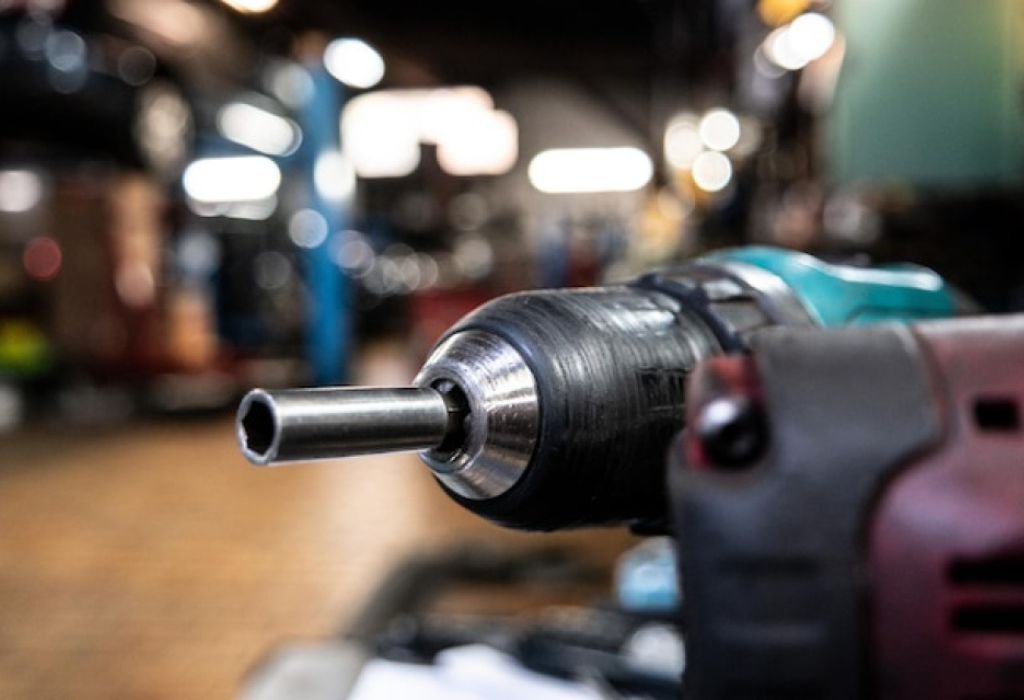
For most air impact wrenches, the key requirement is steady airflow. A typical ½-inch model needs 4–6 CFM at 90 PSI, which is the industry standard. A smaller ⅜-inch wrench may run on slightly less, while a heavy-duty ¾-inch model can demand 8–10+ CFM.
Tank size determines how long the compressor can sustain the tool before refilling. A 20–30 gallon tank is enough for most DIY garages, while professional shops often rely on 60-gallon or larger compressors for continuous work.
What size compressor is best for a ½-inch impact wrench?
At least 4–5 CFM at 90 PSI with a 20–30 gallon tank.
Can a pancake compressor run an impact wrench?
Not effectively—its tank and CFM are too small.
What if CFM is too low?
The wrench loses torque, stalls, and jobs take longer.
Do PSI and CFM both matter?
Yes, PSI gives pressure, but CFM provides the airflow volume needed to keep torque consistent.
Can a big tank make up for low CFM?
No, a large tank helps briefly, but low CFM means the compressor can’t keep up with demand.
Understanding Air Impact Wrench Requirements
CFM vs PSI: The Key Numbers
Air impact wrenches need both pressure and volume. While most operate at 90 PSI, the critical factor is having enough CFM to sustain airflow.
Many buyers confuse PSI with power, but CFM is what determines whether the wrench keeps spinning or stalls after a few bolts.
What is SCFM?
It stands for Standard Cubic Feet per Minute, measured under specific conditions.
Can high PSI make up for low CFM?
No, airflow volume cannot be replaced by extra pressure.
Is higher PSI always better?
No, most air tools are designed for 90 PSI maximum.
Tank Size: Burst vs Continuous Work
Tank size affects how long you can work before the compressor kicks back on. Smaller tanks empty quickly, while larger ones provide steady use.
For home use, 20–30 gallons is ideal. Shops handling multiple tools should use 60+ gallon tanks.
Is tank size more important than CFM?
No, CFM is the priority, but tank size extends run time.
Can a 10-gallon tank run an impact wrench?
Briefly, but it will constantly cycle.
Does a 60-gallon compressor run multiple tools?
Yes, with enough CFM, it can power several at once.
Tool Size Matters: ⅜ vs ½ vs ¾ Inch
Air impact wrench size affects compressor needs. A ⅜-inch model requires 3–4 CFM, a ½-inch model needs 4–6 CFM, and a ¾-inch wrench can need 8–10+ CFM.
Larger tools need not only more CFM but also bigger tanks to sustain long jobs.
Can one compressor run multiple wrenches?
Yes, if the CFM output is high enough.
Is ½-inch the most common size?
Yes, especially for automotive work.
Do heavy-duty wrenches need shop-grade compressors?
Yes, ¾-inch and larger require professional setups.
Best Air Compressor Sizes for Different Work
Home Garage and DIY
A 20–30 gallon compressor with 4–5 CFM at 90 PSI handles most car repairs and small projects.
Is 20 gallons enough for lug nuts?
Yes, if paired with at least 4–5 CFM output.
Can hobbyists get by with smaller units?
Yes, but they will struggle on stubborn bolts.
Automotive Shops
Professional garages often run 60–80 gallon compressors with 8–10+ CFM at 90 PSI. These handle multiple wrenches at once without pressure drops.
Do shops always need large compressors?
Yes, continuous use requires higher capacity.
Can small compressors support shop work?
No, downtime would be constant.
Portable On-Site Jobs
Contractors use portable twin-stack compressors. These deliver 4–6 CFM but have smaller tanks.
Are portable compressors good for impact wrenches?
Yes, for light-duty and short tasks.
Do they match shop compressors?
No, their small tanks drain quickly.
Common Mistakes Choosing Air Compressors
Many confuse horsepower (HP) with CFM, but HP doesn’t guarantee airflow. Others buy small pancake compressors, which lack both CFM and tank size.
Long, narrow hoses also restrict airflow, reducing tool performance.
Does horsepower equal power?
No, CFM is more important.
Can hose size affect performance?
Yes, small hoses reduce airflow and torque.
Is duty cycle important?
Yes, continuous-rated compressors are better for shops.
Maintenance Tips for Compressors with Impact Wrenches
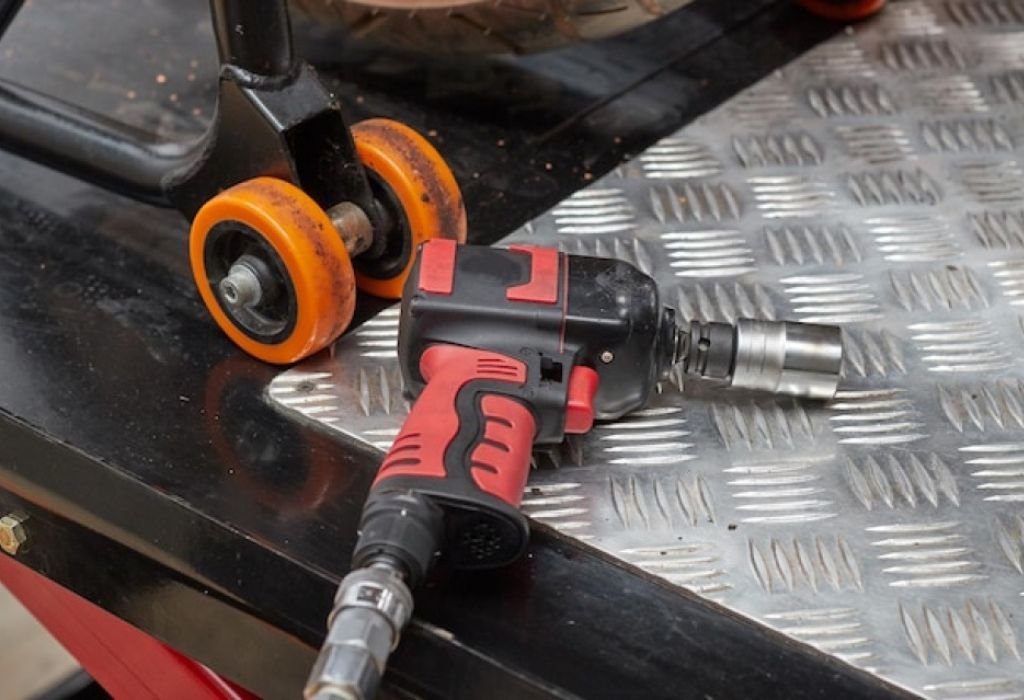
Drain tank moisture daily to prevent rust. Check regulators, gauges, and intake filters regularly.
Oil-lubed compressors last longer if maintained, while oil-free models need less upkeep.
Does moisture damage tools?
Yes, it causes corrosion inside air lines.
Can dirty filters reduce airflow?
Yes, clogged filters cut CFM output.
Should compressors be stored indoors?
Yes, dry environments extend life.
Alternatives: Cordless Impact Wrenches
Cordless impact wrenches eliminate the need for compressors. They use lithium-ion batteries and brushless motors.
While convenient, they cost more upfront and have limited runtime.
Are cordless impacts as strong as air tools?
Yes, many rival mid-range pneumatic models.
Do shops still prefer air?
Yes, for continuous, heavy-duty use.
Are cordless tools better for home use?
Yes, they’re portable and maintenance-free.
Conclusion
So, what size air compressor for air impact wrench fits your needs? For most DIYers, a 20–30 gallon compressor delivering 4–6 CFM at 90 PSI is ideal. For shops, 60+ gallons with 8–10+ CFM ensures uninterrupted performance.
Choosing the right compressor is about balancing CFM, PSI, and tank size to match your wrench. Avoid undersized units, invest in the right setup, and your impact wrench will deliver reliable torque every time.
With the right compressor, every lug nut, bolt, and fastener becomes a simple job instead of a frustrating battle.

I’m Michael R. Turner, the founder, lead writer, and passionate DIY enthusiast behind 101diytools.com. With years of hands-on experience in home improvement and power tools, I built this platform to share practical tips, in-depth guides, and honest reviews to help DIYers of all skill levels tackle projects with confidence and the right tools.