Choosing the Right Rivet Gun: A Beginner’s Guide
Figuring out what rivet gun do i need can be a bit tricky, especially when you’re just starting out. There are so many different types and sizes! It’s perfectly normal to feel a little lost at first. Don’t worry, this guide will break everything down into easy-to-understand steps, so you can confidently pick the right tool for your project. We’ll explore the basics, look at various options, and help you get started without any confusion. Let’s get started!
Understanding Rivet Guns and Their Uses

Rivet guns are fantastic tools that join materials together by inserting a rivet through holes and then deforming it. The deformation causes the rivet to expand on the other side, creating a secure hold. Think of it like a permanent, super-strong staple. These tools are used in all sorts of projects, from building airplanes to fixing a simple metal item at home. They’re especially great when you need a fastener that’s hidden or that can withstand vibration and stress. Different types of rivet guns are available, each meant for specific jobs and materials.
Types of Rivet Guns
The type of rivet gun you need depends on the kind of rivets you’ll be using and the materials you’re joining. Each has its own strengths and weaknesses. Selecting the correct type of rivet gun ensures that your project is not only properly assembled but that it is also aesthetically pleasing and durable. The wrong tool can damage the workpieces, or produce a weak joint that may fail under stress.
-
- Hand Rivet Guns: These are the most basic and affordable. They’re great for small jobs and lighter materials. You squeeze the handles to set the rivet. They are ideal for DIY projects, light repairs, and situations where portability is key. Because they don’t require external power, they can be taken to a job site easily.
Hand rivet guns are simple to operate, which makes them user-friendly for beginners. They come in various sizes and styles, including standard hand rivet guns and lever-action models for added leverage. The lightweight design provides them with ease of use for overhead or tight spaces.
-
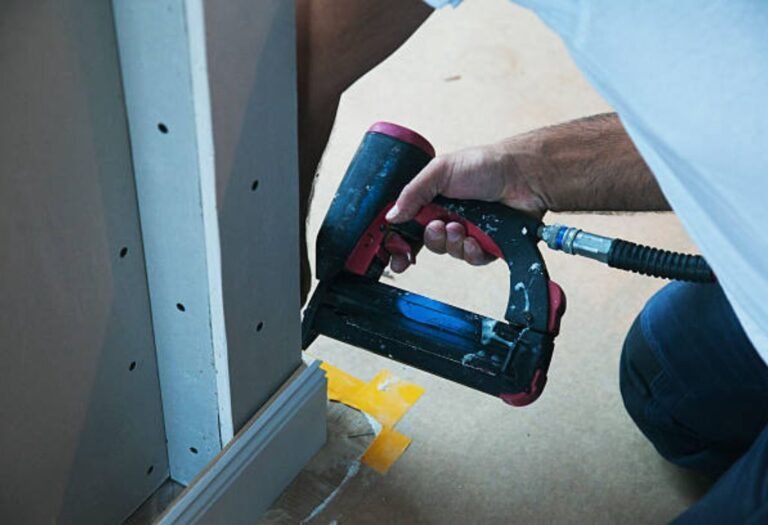
- Air (Pneumatic) Rivet Guns: These use compressed air to set rivets, making them faster and easier to use than hand rivet guns, especially for repetitive tasks. They are commonly used in factories and workshops where speed and efficiency are important. They deliver a consistent rivet setting every time.
Air rivet guns can handle a wide range of rivet sizes and materials, and the pneumatic action reduces user fatigue. They require an air compressor, adding to the initial cost and requiring a consistent air supply. Regular maintenance, such as oiling, is necessary to keep them operating smoothly.
-
- Cordless Rivet Guns: These offer the convenience of portability without needing a cord or air compressor. They run on rechargeable batteries and are an excellent choice for on-site work or projects without easy access to power. They are known for providing portability and ease of use in areas where a power cord isn’t practical.
Cordless rivet guns provide flexibility and ease of use, with powerful battery operation. The ability to move freely is beneficial for tasks in various locations without needing a power supply. They are usually more expensive and the battery life determines how long you can use it, which is the main factor to keep in mind.
-
- Manual Rivet Squeezers: Rivet squeezers are designed to apply pressure directly to the rivet head and are ideal for situations where a flush finish is needed. They are often utilized in aircraft construction, offering precise control over the setting process and minimizing the chance of distortion.
Rivet squeezers are used when a flush finish is required or when working with materials sensitive to impact. They usually need the workpiece to be accessible and may need a larger tool footprint, so the space needs to be considered. The choice of squeeze tool depends on project size, material, and required precision.
Factors for Choosing a Rivet Gun
Before selecting a rivet gun, consider your projects. Knowing the materials you’ll be working with, the types and sizes of rivets you’ll use, and the frequency of your projects will guide your decision. A simple hand rivet gun might be perfect for occasional DIY fixes, while a more powerful air or cordless gun is necessary for professional tasks. Considering these details can prevent mistakes, save time and money, and help you pick the best tool.
-
- Material of Rivets: The material of the rivet dictates the gun type. Aluminum rivets are soft and can be set with most rivet guns. Steel rivets are much harder and require a more powerful gun, like an air or cordless model. Stainless steel rivets need the most robust tools.
Aluminum rivets are popular because they offer a good balance of strength and are easy to set with most rivet guns, making them ideal for softer materials or less demanding applications. Steel rivets are used when strength is the priority. Stainless steel rivets are suitable for environments that demand maximum corrosion resistance, and require specialized tools.
-
- Rivet Size and Type: Rivets come in different sizes (diameter and length). Your rivet gun must be able to handle the size of rivets you plan to use. Also, there are different rivet types, such as blind rivets, solid rivets, and structural rivets.
The rivet size influences the grip range needed, so matching the gun’s capacity to the rivet’s diameter and length is important. Structural rivets, built for high-stress applications, will need a robust tool. Blind rivets, commonly used in areas that are only accessible from one side, require a gun designed for that use.
-
- Frequency of Use: If you only need a rivet gun for occasional jobs, a hand rivet gun will likely suffice. If you’ll be using it frequently, especially on larger projects, an air or cordless rivet gun will save you time and effort. Professional users and hobbyists should consider how much the tool will be used.
For infrequent tasks, the investment of a hand-operated tool can be more cost-effective. Frequent usage justifies the expense of an air or cordless model, providing efficiency and ease of use. Consider the overall value and suitability for your project requirements.
-
- Power Source: Decide if you need a corded, cordless, or manual tool based on your work environment. Cordless tools give you freedom of movement, and air tools require a compressor. Manual rivet guns need no power, but may need more effort.
Assess if portability and the absence of cords are essential. Cordless models allow working in remote locations, and air tools provide power but require a compressor. A manual rivet gun needs no external power, but manual force is needed.
Materials You’ll Be Riveting
The materials you plan to join together will also influence your choice of rivet gun. Different materials need different approaches and gun capabilities. The type of metal, plastic, or composite you are working with affects the rivet size, type, and setting force you’ll need. Matching your tools to your materials guarantees a solid connection that lasts.
Metal Materials
Metals are a very common material for riveting. The metal’s thickness and type will dictate the correct rivet gun and rivet type. For instance, sheet metal often uses blind rivets, while structural steel may use solid or structural rivets.
-
- Aluminum: Aluminum is a relatively soft metal, which is easy to work with. It’s often used in aircraft and construction due to its lightweight nature. You can use hand rivet guns or pneumatic rivet guns when joining aluminum sheets.
The softness of aluminum makes it easier to set rivets without damaging the material. The choices of rivet gun type depend on project scale and how often it’s used. Hand rivet guns are enough for small DIY tasks, while pneumatic ones offer speed and efficiency for professional work.
-
- Steel: Steel is a stronger metal than aluminum. It is used in cars and heavy machinery. Steel rivets generally require a more powerful rivet gun, such as an air or cordless model.
Steel’s strength demands tools that can apply greater force for setting the rivets properly. Make sure the rivet gun is built to handle the thicker, stronger material without damage. The choice between air and cordless depends on the project size and desired convenience.
-
- Stainless Steel: Stainless steel is often used in situations where corrosion resistance is needed. It’s often used in marine applications and outdoor projects. For stainless steel rivets, you need a high-quality, heavy-duty rivet gun.
Stainless steel rivets are strong and need a gun that provides consistent and powerful setting. Choose a rivet gun designed to handle these materials. High-quality tools help to ensure a perfect rivet and to avoid damaging the material.
Non-Metal Materials
Riveting isn’t limited to metal. Plastics and composites are also frequently joined using rivets. The key is picking the right rivet and gun to avoid cracking or damaging the material. The right combination guarantees a strong bond.
-
- Plastics: Plastics are diverse, ranging from soft to rigid. For plastic riveting, it’s essential to use rivets designed for plastic to avoid splitting or cracking. Consider a hand rivet gun or a low-pressure air rivet gun to minimize the force applied.
The correct rivet type is essential to avoid cracking the plastic. Hand rivet guns are a good choice for smaller projects, while air models can be helpful for larger jobs. Always test the setup on a scrap piece of plastic to ensure the rivet sets properly.
-
- Composites: Composites such as fiberglass or carbon fiber have unique properties. When riveting composites, the most important thing is to use rivets and tools designed to prevent delamination or damage to the composite structure.
Use rivets made for composites and avoid over-tightening. Low-pressure air tools or even hand tools are ideal to guarantee the material’s integrity. Always follow manufacturer’s instructions for the specific composite. Make sure the rivet is strong enough and won’t harm the material.
Step-by-Step Guide to Using a Rivet Gun
Once you’ve picked your rivet gun, learning how to use it is easy. Regardless of the kind of gun you have, the general process is very similar. This simple guide will help you set rivets like a professional, from start to finish. Always remember to take safety precautions.
Preparing Your Materials
Preparing the workpieces is critical for a smooth and effective riveting operation. This involves marking, drilling, and making sure the holes align. The level of detail here determines how well the final product turns out. Careful preparation leads to an easy riveting procedure. Let’s look at the basic steps.
-
- Mark the Hole Locations: Use a marker to indicate exactly where the rivets will go. This involves measuring and transferring the measurements precisely onto the materials. This is an important step to ensure the alignment and placement of the rivets.
Use a ruler, measuring tape, or pattern to find the exact rivet locations. Ensure that the layout corresponds to the product plans or design specifications. Correct marking helps prevent mistakes. Poor marking might cause misaligned rivets, affecting the project’s looks and strength.
-
- Drill the Holes: After you have marked the locations, drill holes in your materials. Ensure the hole size is the correct diameter for your rivets. The drill bit size should follow the rivet manufacturer’s specifications.
Use a drill press for precise results, or a hand drill if that’s what you have. Always choose a drill bit size recommended for the rivets you’re using. Proper hole size helps the rivet sit well and get a tight fit. If the hole is too small, it can damage the rivet. Too big, and you won’t get a secure hold.
-
- Clean and Align the Parts: Get rid of any burrs or sharp edges around the holes using a deburring tool. Ensure that the parts are clean and then align them. The parts need to be properly positioned to achieve a neat result.
Cleaning and aligning are both important to ensure that the rivet fits correctly and that the joined pieces align. Clean the surfaces with a rag or compressed air to get rid of any debris. Align the holes in the pieces. Clamps or alignment tools can help to hold the parts.
Setting the Rivet
Setting the rivet is the most important step. It’s where the rivet gun comes into play. Correct technique is crucial to getting a secure and neat result. Proper technique includes placing the rivet, setting it with the gun, and finally checking the result. The main idea is to make sure the rivet expands inside the material.
-
- Load the Rivet: Insert a rivet into the nose of the rivet gun. Make sure the rivet head is properly seated in the gun’s nosepiece, ready for insertion into the hole. Then, load the rivet into the drilled holes of the materials.
Choosing the correct nosepiece size for the rivet diameter is important, as the gun’s nosepiece holds the rivet. Ensure the rivet is completely inserted into the hole. This prepares the rivet for the setting process.
-
- Position the Gun: Put the nose of the rivet gun on the rivet head. Make sure the gun is at a right angle to the materials to prevent the rivet from bending. Make sure the tool is well-positioned for setting.
Holding the gun at a right angle ensures the rivet will set squarely. Proper positioning guarantees a solid and visually appealing joint. An incorrect angle may cause the rivet to set improperly. Make sure to keep the tool balanced.
-
- Activate the Gun: Squeeze the handles (for manual guns), or trigger (for air or cordless guns) to set the rivet. Keep applying pressure until the rivet sets completely. You’ll feel a change as the rivet expands and grips the material.
When using a hand rivet gun, squeeze the handles tightly and completely. For air or cordless tools, keep the trigger pressed until the setting is complete. Watch for the stem of the rivet to break or for the rivet to form a proper head on the other side. Do not release the gun until the rivet is fully set.
-
- Inspect the Rivet: After setting the rivet, look at it. It should be firm, with the head properly formed and holding the materials securely. Inspect for any signs of damage or incorrect setting. Check the shape and position of the rivet to make sure it functions properly.
A well-set rivet should have a head that is flat against the material surface, with the stem broken off. Ensure the rivet is completely filling the hole and securely joining the parts. If the rivet looks loose or deformed, it may need to be re-set or replaced. A good look helps to confirm the joint’s quality.
Maintaining and Troubleshooting Rivet Guns
To keep your rivet gun in good shape, correct maintenance and troubleshooting are essential. Taking good care of your tool keeps it functioning well, ensures that you can use it safely, and increases its life. Knowing what to do when problems pop up is also important.
Regular Maintenance
Regular maintenance ensures that your rivet gun works well and lasts a long time. This requires regular cleaning and lubrication. These are simple actions that will prevent problems and help your tool perform at its best. A little time for maintenance now can prevent problems later.
-
- Cleaning: After using your rivet gun, always clean it. Get rid of any debris or rivet stems that may have accumulated. Clean the nosepieces, as well. You can use compressed air or a brush for the cleaning.
Cleaning stops the buildup of debris, which can affect the gun’s function. Ensure that the nosepieces are clear, because that’s where the rivets sit. Regular cleaning maintains the tool’s effectiveness and prevents clogs.
-
- Lubrication: Lubricate the moving parts of your rivet gun, especially for air or cordless models. This reduces friction and prevents wear and tear. Use the type of lubricant recommended by the manufacturer.
Lubrication prevents parts from wearing out, which maintains your tool’s function. Apply the lubricant at the recommended intervals, according to the instructions. Proper lubrication is key for long-term reliability and function.
-
- Storage: Store your rivet gun in a dry, clean place. This stops corrosion and helps preserve the tool. If your tool came with a case, that’s the best option.
Safe storage protects the tool from environmental harm. Preventing rust and ensuring the tool is available when needed can keep it in good condition for many years. Proper storage also helps prevent damage during transport.
Troubleshooting Common Issues
Even with great care, problems can occur. Common issues include a gun that jams, rivets that don’t set correctly, or the tool itself stopping working. Understanding how to handle these problems can save you time and money. Here are some of the most common issues and how to fix them.
-
- Jams: If your rivet gun jams, first, make sure the nosepiece is the right size for the rivet. Then, carefully remove any stuck rivet stems or debris. Using a small pick or wire is helpful.
Jams often occur because of incorrect nosepiece use. Always use the right size. Carefully remove any blockages. Preventing jams helps with productivity and helps preserve the tool.
-
- Rivets Not Setting Properly: If the rivets aren’t setting correctly, it might be due to a faulty tool, incorrect rivet size, or weak grip. Double-check that you’re using the right size rivet for your gun and material. If the problem continues, there might be a problem with the tool.
A poorly set rivet is often caused by the wrong rivet size or not enough force. Using the right rivets and making sure the tool is applying enough force are important. If the problem persists, the tool may be damaged and need repair or replacement.
-
- Tool Malfunctions: If your rivet gun completely stops working, make sure it’s powered correctly (if it’s air or cordless). Check the power source. Then, check for any broken parts, like worn seals or damaged internals. Check your tool’s warranty.
Identify the power source to ensure the tool is getting power. Inspect the gun. If you’re not sure how to handle a complex issue, consider taking your tool to a professional for repair.
| Problem | Possible Causes | Solutions |
|---|---|---|
| Rivet Gun Jams | Incorrect nosepiece size, debris in the gun | Use correct size, clean the gun and nosepiece. |
| Rivets Don’t Set Properly | Incorrect rivet size, insufficient force | Make sure you have the correct rivet for the gun, check your settings. |
| Tool Not Working | Power source issue, internal damage | Check power source, inspect for damage. |
Frequently Asked Questions
Question: What’s the main difference between a hand rivet gun and an air rivet gun?
Answer: A hand rivet gun is manually operated, good for smaller tasks and DIY projects. Air rivet guns use compressed air and are faster and more powerful, suitable for more demanding or repetitive jobs.
Question: Can I use any rivet gun for any type of rivet?
Answer: No, the type of rivet gun you need depends on the rivet type (blind, solid, etc.), the rivet material, and the material you’re joining. Make sure the gun is compatible with your rivet.
Question: How do I choose the correct rivet size?
Answer: Measure the total thickness of the materials you’re joining. Then, choose a rivet that’s long enough to go through both materials and allow for the head to form properly on the other side. Check manufacturer’s guidelines.
Question: What maintenance is needed for my rivet gun?
Answer: Regular cleaning, lubricating (especially for air and cordless models), and storage in a dry place are key. Always consult the manufacturer’s instructions for detailed maintenance guidance.
Question: What should I do if my rivet gun jams?
Answer: First, check if the nosepiece size is correct. Then, carefully remove any jammed rivet stems or debris from the gun. Using a pick or wire can help to clean it out.
Final Thoughts
Now you have a better idea of what rivet gun do i need for your project! You now know the different kinds of rivet guns, the types of rivets, and the materials you’ll be working with. Remember to consider your project’s needs when choosing a gun, and follow the simple steps for using and caring for your tool. Start by assessing your project’s requirements, choosing a suitable gun, and following the steps outlined. Proper preparation, technique, and maintenance are the most important things. Now you are ready to tackle your next project with confidence. Happy riveting!

I’m Michael R. Turner, the founder, lead writer, and passionate DIY enthusiast behind 101diytools.com. With years of hands-on experience in home improvement and power tools, I built this platform to share practical tips, in-depth guides, and honest reviews to help DIYers of all skill levels tackle projects with confidence and the right tools.