What Power Sander Should I Buy? Clear Buying Guide
Choosing the right power sander can make or break your project. One wrong choice can leave deep gouges in your wood, swirl marks on paint, or wasted hours of sanding that lead nowhere. Many beginners wonder “what power sander should I buy?” but end up picking the wrong type simply because the options seem overwhelming.
Imagine spending an entire weekend sanding furniture, only to see scratches under the final coat of paint. Studies show that over 65% of DIYers struggle with improper tool selection, which often results in poor finishes and unnecessary expenses (Statista).
With the global market for electric sanders exceeding USD 3 billion in 2024 and growing fast (GrandViewResearch), understanding what to buy is more essential than ever. This guide walks through everything you need to know—from types and features to safety, brands, and trends—so you can confidently choose the best power sander for your next project.
Why the Question “What Power Sander Should I Buy?” Matters
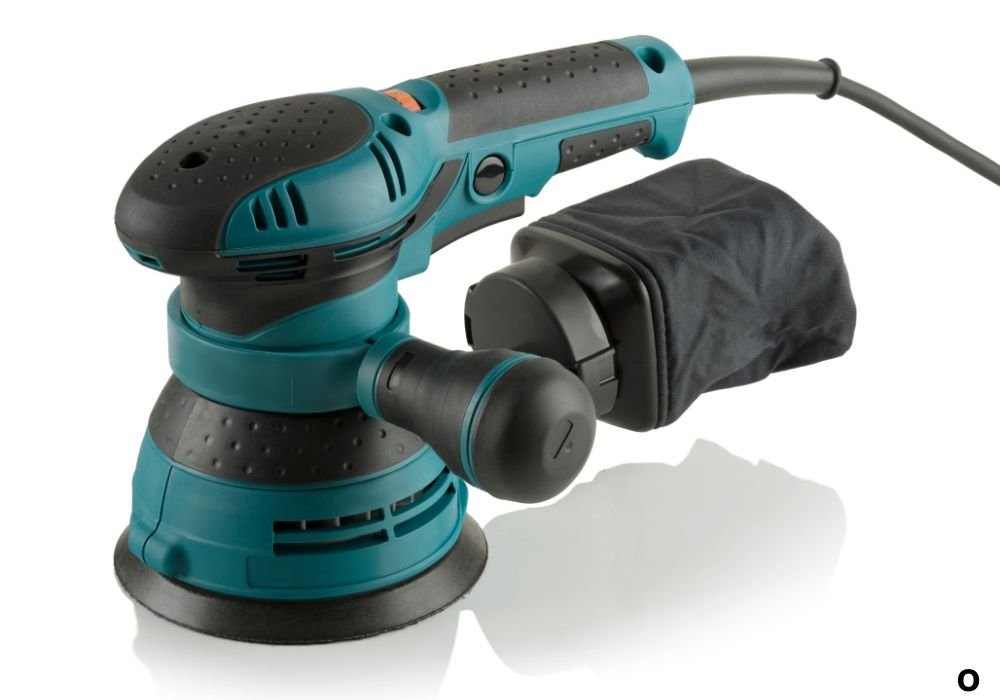
Not every sander suits every surface. Picking the wrong one can mean slow progress, poor control, or even damaged material. Whether you are smoothing a deck or finishing a cabinet, understanding the right match ensures quality and efficiency.
What happens if the wrong sander is selected?
Using an aggressive belt sander on softwood can remove too much material, while a light orbital model may take forever to strip thick paint.
Does one sander fit all projects?
No. Each type of sander has a specific strength—some are built for heavy removal, others for detail finishing.
When should someone consider investing in a higher-end model?
If sanding frequently or tackling large surfaces, a pro-grade sander with variable speed and better dust extraction will save both time and effort.
Why does tool selection affect overall results?
The right sander provides consistent pressure, speed, and control, delivering smoother finishes and longer tool life.
How does choosing correctly save money?
Better results mean less rework, fewer replacement pads, and longer-lasting surfaces—saving on both materials and time.
Types of Power Sanders & How They Differ
Each sander type works differently, and knowing how they function is key to deciding what power sander to buy for your needs.
Belt Sanders
Powerful and fast, belt sanders use a looped abrasive belt that rotates between two drums. They’re ideal for removing thick coatings or leveling hardwood floors.
Orbital (Finish) Sanders
These move in tiny circular orbits, offering gentle sanding for fine finishes or smoothing between coats of paint.
Random Orbital Sanders
Combining rotary and orbital motions, these provide both speed and smoothness, leaving minimal swirl marks.
Detail Sanders
Small and precise, detail sanders feature pointed pads perfect for corners and tight spaces.
Sheet Sanders
Use standard sandpaper sheets and work well for light finishing or drywall preparation.
What is a belt sander best for?
Fast removal on large, flat surfaces such as floors, doors, or table tops. (The Spruce)
What is a random orbital sander used for?
Versatile sanding for furniture, cabinets, or general household projects with minimal swirl marks.
When should a detail sander be chosen?
When working on corners, carvings, or furniture edges where larger pads can’t reach.
Can a sheet sander replace a random orbital?
No. Sheet sanders are gentler and slower; random orbital models offer faster material removal.
Which sander type is best for beginners?
A random orbital sander—it balances control, speed, and ease of use for most projects. (This Old House)
Key Features to Look For When Buying a Power Sander
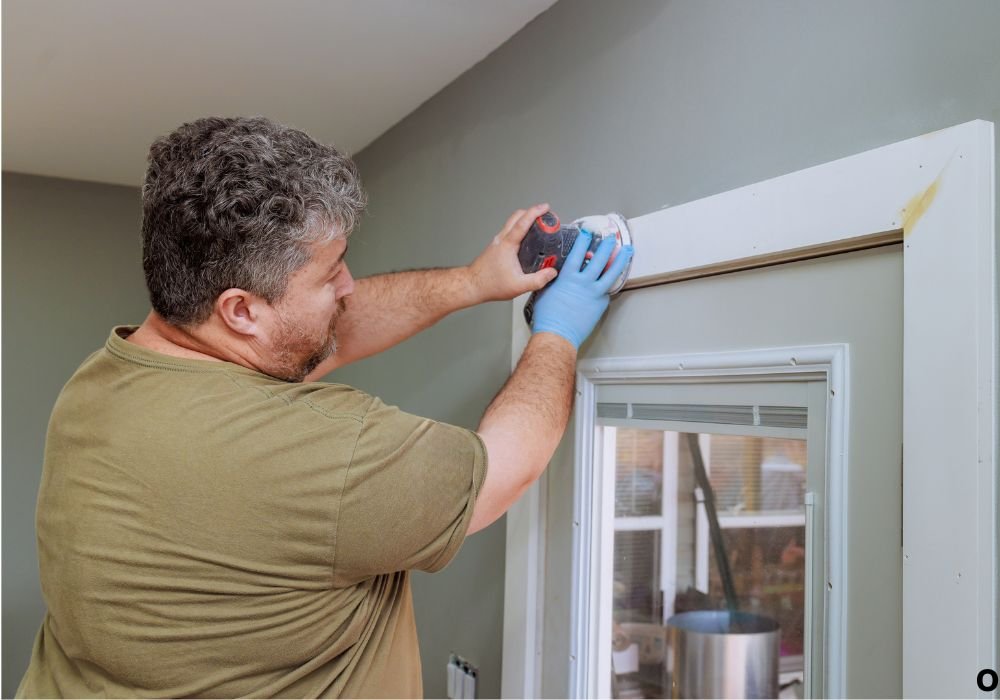
Understanding the specifications helps ensure the model fits your workload and comfort level.
Motor Power
More amps equal more strength. Light work can use 2–3 amp motors; professional or industrial work benefits from 6 amps or more.
Speed Control
Variable speed offers precision—lower RPMs for fine finishing, higher for aggressive sanding.
Pad Size & Shape
Bigger pads cover large surfaces faster, while smaller triangular pads give access to narrow corners.
Dust Collection System
Dust extraction keeps the workspace clean and protects your lungs. Effective collection improves visibility and extends pad life. Poor systems can increase airborne dust by 30x (OSHA).
Ergonomics & Grip
Comfort matters during long sessions. Look for rubberized handles, balanced weight, and vibration control.
How much motor power is ideal?
A 3-5 amp motor suits most home projects; heavy tasks may need 6 amps or more.
Why is good dust collection essential?
It prevents clogging, improves sanding visibility, and reduces cleanup.
Does pad size make a difference?
Yes. Larger pads increase coverage speed, while smaller pads improve accuracy.
Is variable speed necessary?
Absolutely. It allows better control over how much material is removed.
How important is comfort and vibration control?
Critical for long-term use—it reduces fatigue and enhances precision.
Matching the Sander to Your Project & Material
Each job type and material requires a specific sander to achieve optimal results.
For Hardwood Floors:
A belt sander or large random orbital model quickly removes material and smooths uneven boards.
For Furniture Refinishing:
A random orbital or finish sander provides a flawless surface for painting or varnishing.
For Drywall or Walls:
A lightweight orbital sander with dust extraction prevents gouges and reduces airborne particles.
For Metal Surfaces:
A belt or random orbital sander with metal-rated abrasives works best for rust or paint removal.
For Small or Detailed Projects:
A detail sander handles corners, edges, and intricate carvings.
What sander is best for hardwood floors?
A belt sander with coarse grit removes old finishes efficiently.
Which sander suits furniture finishing?
A random orbital or finish sander paired with fine grit ensures smooth, swirl-free results.
Is cordless better for renovation work?
Cordless models increase flexibility but may limit runtime—ideal for light, mobile use.
What grit should be used for surface prep?
Start coarse (60–80), move to medium (120–150), finish fine (220+).
Can one tool handle both wood and paint?
Yes, a random orbital sander with variable speed and compatible discs can handle both effectively.
Budget, Value for Money & Brand Considerations
Price alone shouldn’t decide what power sander to buy—value, quality, and service matter.
For DIY Use:
Reliable sanders range from $75–$120, offering enough power for occasional tasks.
For Professional Use:
Expect to spend $150–$300+ for durability, better bearings, and superior dust control. (Diversitech Global)
How much should a beginner budget?
Around $100 for a solid mid-range random orbital model.
Is paying more always better?
Higher price often means better motor quality, speed control, and lifespan.
Which brands are most reliable?
Makita, Bosch, DeWalt, and Black+Decker are known for longevity and parts availability.
Do accessories affect value?
Yes—compatible discs, belts, and dust bags add long-term savings.
Should brand reputation influence the decision?
Absolutely. Trusted brands ensure quality, safety, and service reliability.
Safety, Maintenance & Best Use Practices
Safety should never be an afterthought when using high-speed power tools.
Safety Gear
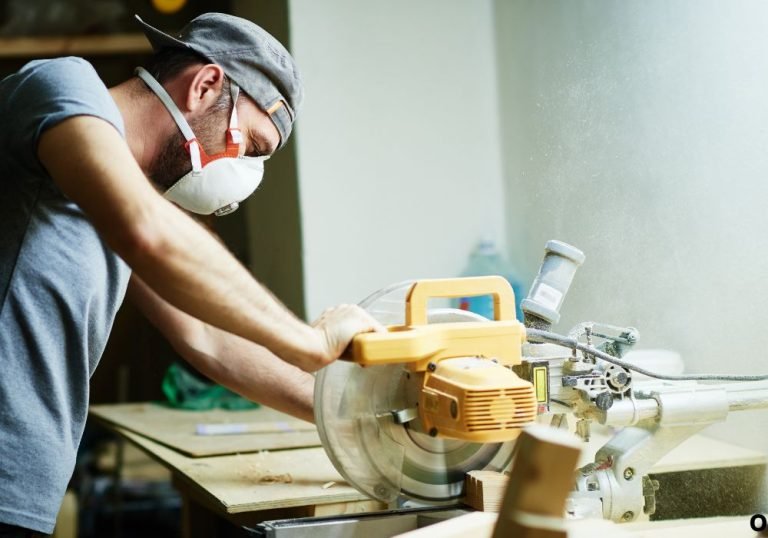
Always wear goggles, a dust mask, and hearing protection. Avoid loose clothing or jewelry.
Maintenance Basics
Clean the dust collector after every use. Replace pads or belts when worn. Store in a dry place.
What protective equipment is essential?
Eye and respiratory protection, plus ear guards for prolonged sanding.
How often should sandpaper be replaced?
Whenever it loses its grit or leaves uneven patterns.
Does tool maintenance affect finish quality?
Yes, clean tools deliver smoother results and prevent mechanical wear.
How should a power sander be stored?
Keep it clean, unplugged, and in a dry, dust-free environment.
Can a neglected tool become unsafe?
Yes. Worn cords, clogged vents, or damaged pads can lead to hazards or inconsistent performance.
Emerging Trends & What the Future Holds for Power Sanders
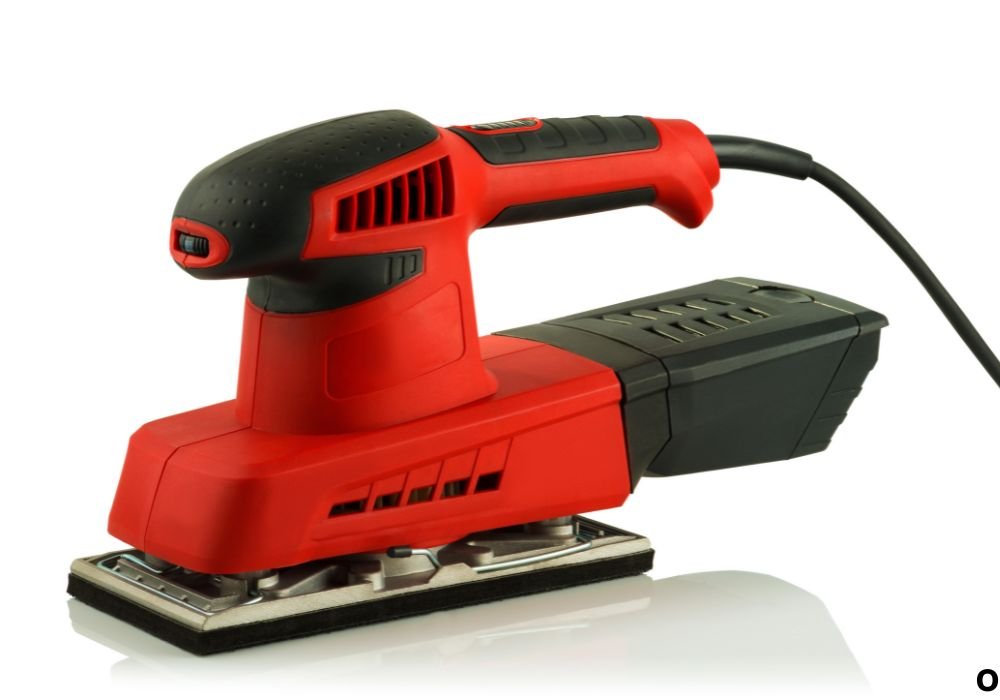
Modern sanders are evolving to meet higher performance and safety demands.
Cordless Power
Battery technology now delivers torque similar to corded models, improving mobility.
Smart Control Systems
Digital interfaces allow variable speed presets and even Bluetooth diagnostics for professionals.
Eco-friendly Design
Manufacturers are incorporating recyclable materials and low-emission production.
Advanced Dust Extraction
Future sanders will feature built-in HEPA filters and automatic dust monitoring for cleaner air.
Are cordless sanders as powerful now?
Yes, modern brushless motors nearly match corded models in efficiency.
What new features are most useful?
Smart speed control, auto-stop sensors, and enhanced ergonomics.
How is dust control improving?
HEPA integration and better vacuum seals reduce airborne particles dramatically.
Will sanders become quieter?
Yes, newer motor designs are engineered for reduced vibration and lower sound levels.
Conclusion
The answer to “what power sander should I buy?” depends on your project type, material, and experience level. Knowing the differences between belt, orbital, random orbital, and detail sanders ensures the perfect match for every job.
Consider the right combination of motor power, dust extraction, ergonomics, and pad size to balance performance and comfort. Whether you’re a weekend DIYer or a seasoned craftsman, investing in the right sander pays off with smoother finishes and longer tool life.
Final advice: choose based on your most common projects, check reviews before buying, and maintain your tool properly. The right sander isn’t just a tool—it’s the foundation for a flawless finish every time.

I’m Michael R. Turner, the founder, lead writer, and passionate DIY enthusiast behind 101diytools.com. With years of hands-on experience in home improvement and power tools, I built this platform to share practical tips, in-depth guides, and honest reviews to help DIYers of all skill levels tackle projects with confidence and the right tools.