Best Power Sander for Wood Ceiling Planks (Full Guide)
Working on a wood ceiling requires the right balance between efficiency and control.
The wrong sander can cause uneven finishes, swirl marks, and endless fatigue.
Sanding overhead is harder than sanding floors or furniture.
Gravity fights against every movement, so the right power sander must combine lightweight handling, strong dust collection, and smooth speed control.
This complete guide explains what power sander is best for wood ceiling planks, what features to look for, and how to use it safely for a flawless finish.
Why Sanding Wood Ceiling Planks Requires a Specialized Tool

Sanding wood ceilings means fighting gravity and fatigue at the same time.
Regular sanders aren’t built for this angle — they’re too heavy, loud, and messy for overhead control.
A sander for ceilings must be light, stable, and dust-sealed to protect both the user and the surface.
Without these features, sanding becomes inefficient and exhausting.
Why can’t a regular sander handle ceiling planks easily?
Standard sanders are heavier and generate more vibration, making it difficult to keep the tool steady above shoulder level.
What makes ceiling sanding different from floor sanding?
Overhead work requires precision and endurance rather than force, so lighter tools with balanced weight perform better.
Does grain direction matter when sanding ceiling planks?
Yes. Sanding with the grain prevents scratches and streaks that become visible after finishing.
Is orbital sanding better than manual sanding for ceilings?
Yes. Orbital sanders distribute movement evenly, reducing streaks and finishing time.
Can any power sander work upside down?
No. Only models with sealed bearings and ergonomic grips are suitable for continuous overhead use.
Types of Power Sanders for Ceiling Planks
Several power sanders can work on ceiling planks, but not all perform equally well.
Each has advantages depending on the surface texture, size, and user comfort.
What is a random orbital sander?
It uses both spinning and oscillating motions, preventing swirl marks while creating a smooth finish — ideal for ceiling planks.
Can a belt sander be used on ceilings?
No. Belt sanders are aggressive and heavy, making them unsuitable for overhead sanding.
What about a drywall sander?
Drywall sanders with extension poles are excellent for sanding large, flat ceilings and come with built-in vacuum systems.
Are detail sanders useful for ceiling corners?
Yes. Their pointed pads reach corners, grooves, and beams where larger sanders can’t fit.
Which type has the best dust collection?
Random orbital and drywall sanders usually include vacuum ports or integrated dust bags for cleaner, safer work.
Best Power Sander Options for Wood Ceiling Planks
Not every sander can handle the balance between power and comfort.
Here’s a breakdown of the best types for different ceiling projects.
What is the best overall option?
A 5-inch random orbital sander with variable speed, light weight, and dust collection offers the best balance for wood ceiling planks.
How important is tool weight?
Extremely important. Every additional ounce increases arm fatigue, making a light sander essential for overhead control.
Does vibration control affect results?
Yes. Anti-vibration grips reduce strain, allowing consistent sanding pressure and cleaner finishes.
Should you choose corded or cordless?
Cordless models offer mobility for ceilings but may need frequent charging. Corded options ensure steady power for long sessions.
Is pad size relevant?
Yes. A 5-inch pad provides enough coverage while remaining manageable for tight angles and small plank sections.
Key Features to Look for in a Ceiling Sander
When evaluating which power sander is best for wood ceiling planks, key specifications can determine comfort and quality.
Focus on speed control, dust handling, pad size, and balance.
Why is variable speed necessary?
Variable speed prevents over-sanding by adjusting to different plank hardness levels.
Does dust collection matter overhead?
Yes. Overhead sanding creates falling dust, so built-in dust bags or vac ports protect visibility and breathing.
What handle type is best?
A top-mounted, rubberized grip distributes weight evenly, reducing fatigue in the wrists and shoulders.
How powerful should the motor be?
A 2-3 amp motor offers enough strength without adding bulk or excessive vibration.
Are sealed switches important?
Yes. Dust-sealed switches and bearings protect internal components, extending the tool’s lifespan.
Sanding Technique and Preparation for Wood Ceiling Planks
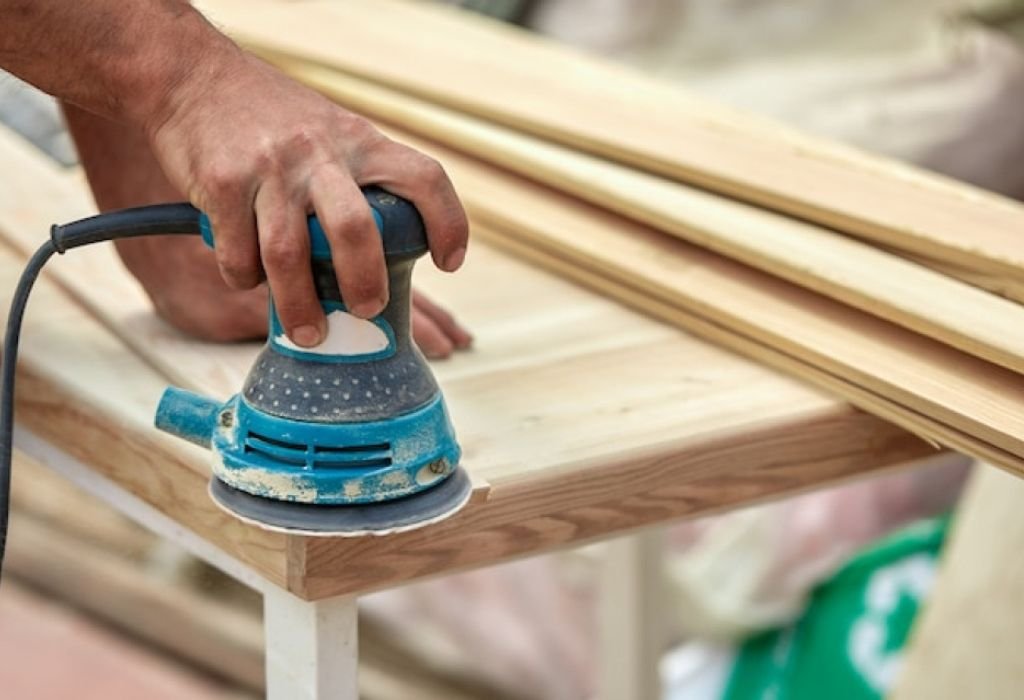
Proper sanding technique ensures professional results without damaging wood fibers.
Preparation and movement matter more than raw speed.
What grit sequence should you use?
Start with 80–100 grit for rough surfaces, then move to 150–180 grit for smooth finishing.
Should sanding follow the plank grain?
Always follow the grain to avoid cross scratches and uneven light reflection.
How do you prevent fatigue?
Work in small sections, using light pressure and frequent breaks. Rotate arms between passes to avoid strain.
How do you manage overhead dust?
Attach a vacuum hose to the sander or position a portable dust collector near your working area.
Is a ladder or pole better?
Extension poles reduce fall risk and help maintain consistent sanding height.
Safety Tips and Common Mistakes to Avoid
Safety is essential when sanding above eye level.
Ceiling sanding releases fine dust and requires careful movement to prevent accidents.
Is eye protection necessary?
Yes. Wood dust and debris fall downward, so goggles or face shields are essential.
Should you wear a mask?
Always. Fine dust particles can cause respiratory irritation if inhaled during extended work.
How can you prevent swirl marks?
Keep the sander moving constantly and finish with finer grits at low speed.
Can pressing harder make sanding faster?
No. Excess pressure slows rotation and risks gouging or burning the surface.
What’s the right lighting setup?
Angle a bright light toward the ceiling to spot imperfections before finishing.
Maintenance and Longevity of Ceiling Sanders
A well-maintained power sander lasts years and maintains consistent results.
Regular cleaning and pad checks make a big difference.
How often should you change sanding discs?
After each major project or when grit buildup reduces cutting performance.
Do filters and dust bags need cleaning?
Yes. Clean them regularly to maintain airflow and suction efficiency.
Can lubrication extend motor life?
Most modern sanders are sealed; instead, keep vents clean and cool to prevent overheating.
What’s the best way to store your sander?
Flat storage protects the pad from deformation. Avoid hanging the tool by its cord.
Should you inspect the pad regularly?
Yes. Worn or uneven pads cause inconsistent contact and can damage the surface finish.
Comparing Random Orbital, Detail, and Drywall Sanders
Each sander style suits a specific ceiling surface or project type.
Choosing between them depends on your project scale and control preference.
When is a random orbital sander ideal?
Perfect for wood plank ceilings where control, finish quality, and dust collection are top priorities.
When to choose a detail sander?
For beams, trims, or tight edges that require precision and reach.
When to use a drywall sander?
For very high ceilings or large rooms, especially with smooth plank surfaces or pre-stain sanding.
Can you combine two sander types?
Yes. Many woodworkers use a random orbital for large sections and a detail sander for corners.
Which type gives the cleanest surface for staining?
A fine-grit orbital finish produces uniform results with minimal swirl marks.
Cost and Value Considerations
A good ceiling sander is an investment that saves time and labor costs in the long run.
However, price doesn’t always equal performance.
How much should you expect to spend?
A high-quality random orbital sander with dust control typically ranges from $70 to $150.
Are professional ceiling sanders worth it?
Yes, for contractors or large projects, they offer better reach and integrated dust vacuums.
Do cordless models cost more?
Usually, but they save setup time and improve mobility for quick ceiling touch-ups.
Should beginners invest in premium models?
Not necessarily — a mid-range tool with comfort and safety features can deliver excellent results.
Does spending more mean better finish?
Only if combined with proper technique, correct grit progression, and adequate maintenance.
Troubleshooting Common Sanding Problems
Even with the best sander, mistakes can happen.
Recognizing early warning signs prevents damage to your ceiling planks.
Why does the sander leave swirl marks?
The pad may be dirty, the disc worn, or the speed too high.
Why does dust escape despite a vacuum?
Check the hose connection and clean filters frequently.
Why are patches unevenly sanded?
Uneven pressure or staying too long on one spot removes more material than needed.
Why does the surface burn or darken?
Excessive speed or dull paper creates friction heat.
How can you fix light gouges?
Lightly re-sand with finer grit across the entire area to blend the mark seamlessly.
Final Recommendations — Choosing the Right Power Sander
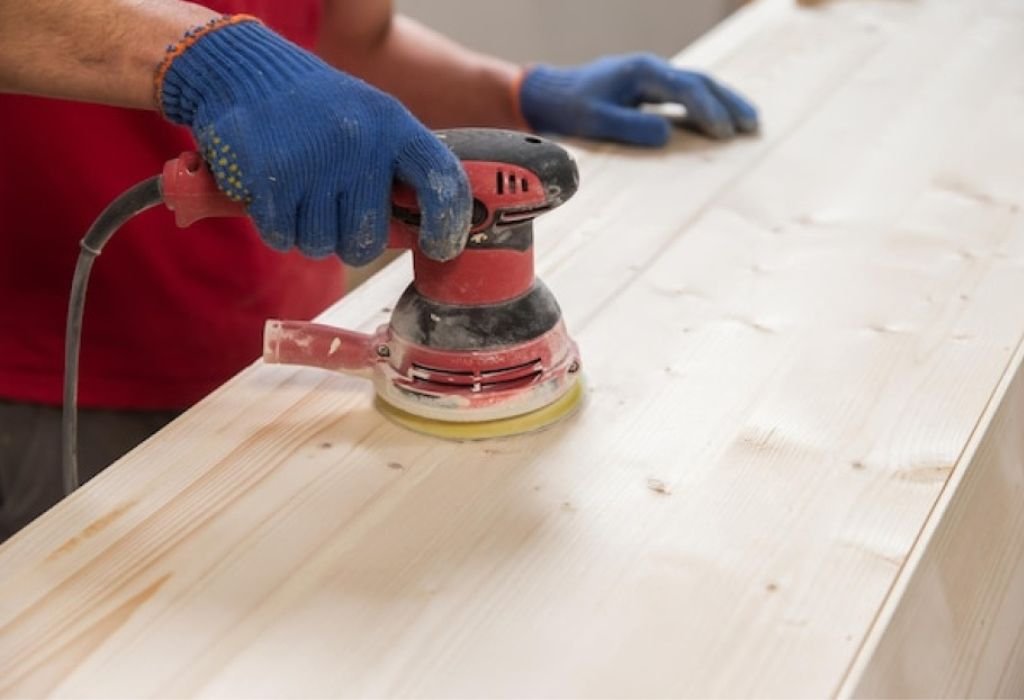
Selecting the best power sander for wood ceiling planks depends on ceiling size, finish goal, and user endurance.
For most homeowners and professionals, a lightweight random orbital sander delivers the perfect balance of precision and comfort.
Which sander works best overall?
A variable-speed, 5-inch orbital sander with efficient dust collection suits most ceiling plank projects.
Are ceiling-specific sanders worth the price?
Yes, for larger spaces or high ceilings, long-handle drywall sanders reduce fatigue and time.
What features should come first in your checklist?
Weight, balance, dust extraction, and variable speed should take priority.
Can a single sander handle multiple ceiling types?
Yes. Orbital sanders adapt well to pine, cedar, oak, or reclaimed wood planks with simple pad changes.
What’s the ideal grit for finishing?
End with 180–220 grit for a smooth, ready-to-stain surface that highlights the wood grain.
Conclusion
Sanding a wood ceiling requires more than just power — it needs finesse, balance, and endurance.
The best power sander for wood ceiling planks combines speed control, low vibration, and strong dust management.
A lightweight random orbital sander with a 5-inch pad remains the most versatile and effective choice for most users.
It delivers clean, swirl-free finishes while minimizing strain and airborne dust.
Ceiling sanding might seem challenging, but with the right tool, the process becomes faster, safer, and far more rewarding.
Choose wisely, follow proper sanding techniques, and you’ll transform your wood ceiling into a perfectly finished centerpiece of your space.

I’m Michael R. Turner, the founder, lead writer, and passionate DIY enthusiast behind 101diytools.com. With years of hands-on experience in home improvement and power tools, I built this platform to share practical tips, in-depth guides, and honest reviews to help DIYers of all skill levels tackle projects with confidence and the right tools.