What Kind of Power Sander Is Best for Drywall?
Sanding drywall may look simple until clouds of white dust fill the air, leaving rough seams and uneven surfaces. Many homeowners start with manual sanding, only to realize that achieving a smooth, paint-ready finish requires much more control and consistency.
The main issue isn’t effort—it’s using the wrong tool. A standard wood sander can easily gouge the delicate paper surface of drywall, creating imperfections that only appear after painting. The solution lies in choosing the right power sander designed for drywall’s unique texture and dust behavior.
Drywall dust is extremely fine and can float in the air for hours. Studies from the Environmental Protection Agency reveal that fine construction dust can remain airborne for up to 48 hours, affecting both indoor air quality and visibility during renovation (EPA). That’s why dust extraction is just as crucial as sanding ability.
According to tool-tests from Fine Homebuilding, drywall sanders with integrated vacuum systems remove over 90 percent of airborne dust, drastically reducing cleanup time and health hazards (Fine Homebuilding).
So what kind of power sander for drywall works best? This guide explains the major types of sanders, key features, mistakes to avoid, and how to match your choice to your project size and budget—so you can achieve a professional, flawless finish faster.
Understanding Drywall Sanding – Why It’s Different

Sanding drywall isn’t like smoothing wood or metal. The gypsum core and paper surface make it fragile, and the joint compound applied between seams dries into a powdery layer that’s easy to damage.
The biggest challenge is dust. Fine particles spread quickly, cling to surfaces, and can harm indoor air quality. Choosing a power sander with good dust collection isn’t just about comfort—it’s essential for safety and a clean result.
Modern drywall sanders are designed to maintain even pressure, prevent gouging, and work seamlessly with vacuums for dust extraction. These machines make sanding both faster and cleaner.
Why is drywall sanding more challenging than wood sanding?
Drywall dust is much finer, spreading easily and creating surface imperfections if uncontrolled.
Can I use a regular wood sander on drywall?
It’s possible, but not recommended. Wood sanders are too aggressive and can tear the surface or leave swirl marks.
What does “finish sanding” mean in drywall work?
It’s the final light sanding stage that smooths joints and seams before painting or priming.
How important is dust extraction when sanding drywall?
Very important—good dust control improves finish quality and reduces cleanup time.
Is sanding drywall only about flat surfaces?
No, you also need to handle ceilings, corners, and seams where different sanding attachments are useful.
Types of Power Sanders for Drywall
There are several kinds of sanders you can use on drywall. Each offers a unique balance between power, control, and dust collection.
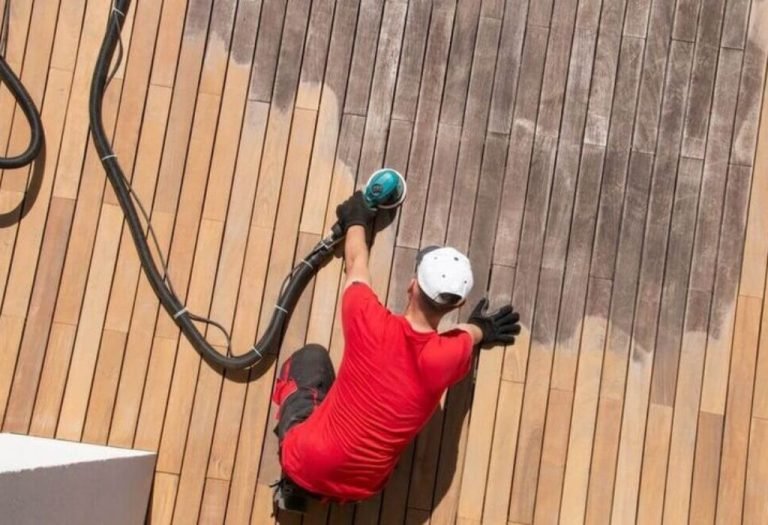
Pole Sanders are simple tools with long handles and sandpaper or mesh screens. They’re affordable and ideal for light sanding or ceilings but require more effort.
Rotary Sanders use a spinning pad for faster material removal but can leave swirl marks if not handled carefully.
Random-Orbit Sanders combine rotation and vibration, providing smoother finishes with less risk of gouging.
Dedicated Drywall Sanders are long-reach tools with built-in dust extraction and adjustable speed settings. These are the top choice for professionals or large projects.
Corded vs Cordless Models add another consideration—corded sanders provide consistent power, while cordless ones offer flexibility and mobility.
What is a pole sander and when is it used?
It’s a manual or semi-manual tool for small jobs, ceilings, and light sanding.
What is a rotary drywall sander?
A sander with a spinning pad suited for heavy removal but requires skill to avoid marks.
What is a random-orbit drywall sander?
A dual-motion sander that provides a smooth, swirl-free finish ideal for walls and large areas.
Corded or cordless—which is better for drywall?
Corded sanders deliver constant power and stronger suction; cordless ones provide mobility for overhead or remote work.
When should a vacuum-assisted drywall sander be used?
Always for medium to large projects where dust control is a major concern.
Key Features to Look For in a Drywall Power Sander

Choosing the best power sander for drywall depends on understanding critical features that affect comfort, performance, and results.
Variable Speed Control helps you adapt to different surfaces—slow speeds for finishing and high speeds for texture removal.
Dust Collection Systems are essential. Models with integrated vacuums or hose connections remove up to 90 percent of dust, keeping air and surfaces clean (Fine Homebuilding).
Handle Design and Reach matter too. Long or telescopic handles let you reach ceilings without ladders.
Pad Size and Shape determine the finish area. Large round pads cover more surface, while triangular pads reach corners.
Abrasive Compatibility—mesh sanding screens last longer and don’t clog as easily as traditional sandpaper.
How important is variable speed in a drywall sander?
Crucial—adjusting speed allows better control and prevents damage during finish sanding.
Why is dust extraction a top priority?
Because drywall dust can harm health and damage the final finish. Efficient extraction is non-negotiable.
What role does handle length play?
It allows ergonomic sanding for ceilings and high walls, reducing fatigue and time.
What pad shape is best?
Round pads for general work, triangular or corner pads for edges and tight areas.
Do grit sizes matter even with power sanders?
Absolutely—start with 80-100 grit for rough spots, then move to 150-180 for smooth finishing.
Matching the Right Tool to Your Project Size & Budget
Not every drywall project requires a professional-grade tool. The right power sander depends on how much surface you’re covering and how frequently you’ll use it.
For small patch repairs, a simple manual pole sander or affordable power sander works fine.
For medium-sized walls and rooms, choose a random-orbit or rotary drywall sander with vacuum compatibility.
For large projects or ceiling work, go for a dedicated drywall sander with telescopic reach, dust collection, and variable speed.
What tool is best for small drywall patches?
A basic pole sander or handheld orbital unit is sufficient.
What’s ideal for entire rooms or ceilings?
A dedicated drywall sander with good reach and suction power.
Is a premium sander worth the cost?
Yes—if you value a professional finish and less cleanup, it saves both time and labor.
How should budget influence the choice?
Lower budget means fewer features; higher budget means better dust control, smoother performance, and durability.
Are rental options practical?
Definitely—renting a drywall sander for one-time use can save money without sacrificing quality.
Common Mistakes & How to Avoid Them

Even the best drywall sander can produce poor results if used incorrectly. Over-sanding, skipping dust control, or using the wrong grit can all cause problems.
Over-sanding can expose the paper layer or create waves that ruin the finish once painted.
Ignoring Dust Extraction leads to messy cleanup and air contamination. Modern HEPA-rated vacuums can reduce airborne dust by more than 95 percent (Bob Vila).
Wrong Grit Sequence can either scratch the surface or waste time. Always start coarse and finish fine.
Poor Lighting hides imperfections—use work lights to see high and low spots clearly.
Forgetting Corners leaves rough edges that stand out after painting.
What happens if you sand too aggressively?
You risk gouging or exposing paper, requiring costly repairs.
Why is ignoring dust control a mistake?
Dust reduces visibility, clogs filters, and affects finish quality.
What happens if the wrong grit is used?
Coarse grits leave scratches; too fine grits too early make leveling difficult.
Why is lighting important during sanding?
Good lighting reveals flaws before painting, saving time later.
How do you smooth corners properly?
Use a corner pad or finish by hand with mesh sanding screens.
Future Trends & Technology in Drywall Sanders
Tool technology is rapidly improving, and the question “what kind of power sander for drywall” will keep evolving.
Manufacturers now offer cordless drywall sanders with advanced lithium batteries that maintain consistent power for over an hour of continuous use.
Integrated LED lighting systems are becoming standard, helping detect imperfections in real time.
Improved dust-control systems connect directly to smart vacuums with automatic suction adjustment, cutting airborne dust almost entirely.
Future designs may even include sensors to detect pad wear and app-based speed control.
What new dust-control features are trending?
HEPA vacuums, sealed hose systems, and auto-start extraction units.
Are cordless drywall sanders reliable now?
Yes—modern batteries deliver enough runtime and torque for professional work.
How useful is built-in lighting?
It’s a game changer—LED rings around the head highlight every flaw.
Will smart drywall sanders appear soon?
Likely—expect sensors and app controls to optimize sanding performance.
How are rental and subscription models changing tool choice?
They make premium sanders accessible without big upfront costs.
Conclusion
Selecting the right power sander for drywall comes down to understanding your material, workspace, and goals. A dedicated drywall sander with dust extraction and variable speed offers the best combination of control, cleanliness, and surface quality.
From small home repairs to full-scale renovations, investing in the right sander saves time, protects your lungs, and produces a flawless finish ready for paint.
Final Tip: Choose your tool based on project size, desired finish, and comfort. The right power sander for drywall will transform sanding from a dreaded task into a fast, professional step toward perfect walls.

I’m Michael R. Turner, the founder, lead writer, and passionate DIY enthusiast behind 101diytools.com. With years of hands-on experience in home improvement and power tools, I built this platform to share practical tips, in-depth guides, and honest reviews to help DIYers of all skill levels tackle projects with confidence and the right tools.