Why the Circular Saw Guard Is the Most Important Safety Feature
Imagine the powerful spin of a circular saw blade cutting effortlessly through wood. The sharp teeth whirl at thousands of revolutions per minute, capable of slicing through thick lumber in seconds.
Now imagine that same blade exposed without protection — one slip, and the results could be disastrous. That’s where the circular saw guard comes in.
It’s not just an accessory or optional cover. It’s a carefully engineered safety mechanism designed to protect users from direct contact, kickback, and flying debris.
According to a 2024 tool safety survey, nearly 30 percent of saw-related injuries happen when guards are removed or damaged.
In this guide, you’ll learn exactly what the function of a circular saw guard is, how it works, and why it’s the unsung hero of every safe cutting operation.
What Is a Circular Saw Guard?
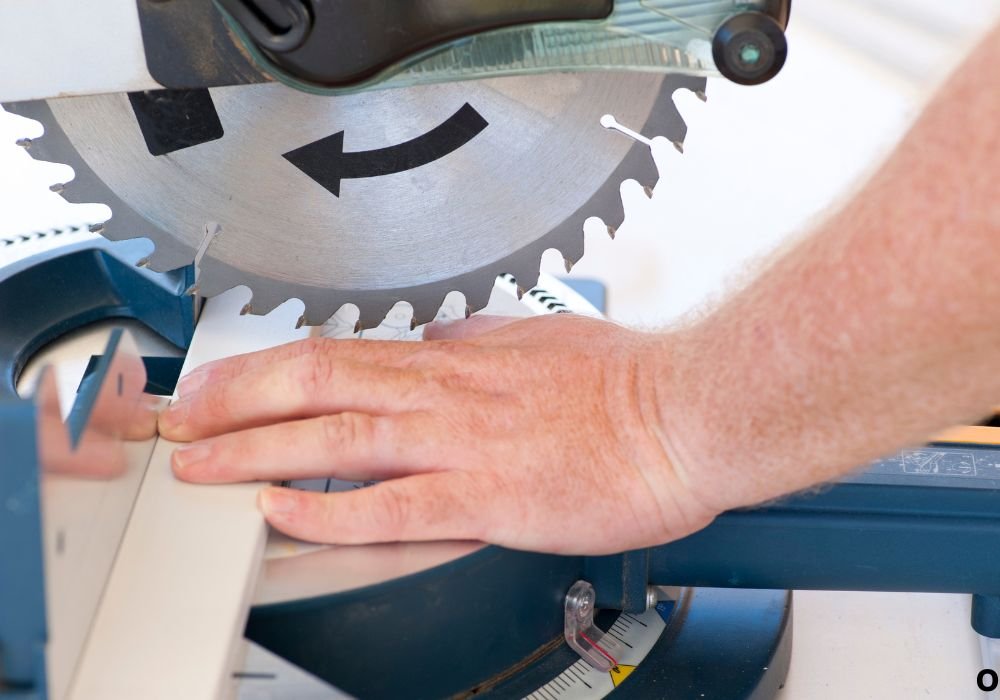
A circular saw guard is a protective casing that covers part or all of the saw blade. Its main function is to shield the user from accidental contact with the spinning teeth while still allowing the saw to cut efficiently.
Most circular saws feature two guards — a fixed upper guard and a movable lower guard. The upper guard stays in place permanently, enclosing the top half of the blade, while the lower guard retracts automatically during cutting.
Together, they form a safety system that prevents exposure to the blade when it’s not actively cutting material.
This design allows for both maximum safety and full cutting performance.
Without the guard, even a brief mistake could lead to severe injury or loss of control.
The Function of a Circular Saw Guard
The primary function of a circular saw guard is protection — both for the operator and for the tool itself.
When the saw is not in use, the guard completely covers the blade, ensuring that accidental contact won’t result in cuts or injury.
As the user starts cutting, the lower guard automatically lifts to expose the blade only as much as necessary. Once the cut is complete and the saw leaves the workpiece, the guard springs back into place instantly.
This automatic motion prevents exposure to spinning blades during operation and protects against kickback — one of the most common hazards in woodworking.
The guard also helps deflect wood chips, sawdust, and splinters away from the user, improving visibility and reducing airborne debris.
How the Circular Saw Guard Works
Circular saw guards rely on a spring-loaded hinge mechanism that automatically retracts and returns as the blade enters and exits the material.
When the blade meets the surface, the guard pivots backward, exposing the necessary section of the blade for cutting. As soon as the saw clears the material, the spring pushes the guard forward again.
This mechanism works smoothly without requiring the user to manually adjust it.
The upper guard acts as a fixed barrier between your hand and the spinning blade, while the lower guard handles dynamic protection during operation.
Together, these components form a seamless safety system that protects users through both passive coverage and active movement.
Why the Saw Guard Is Essential for Safety
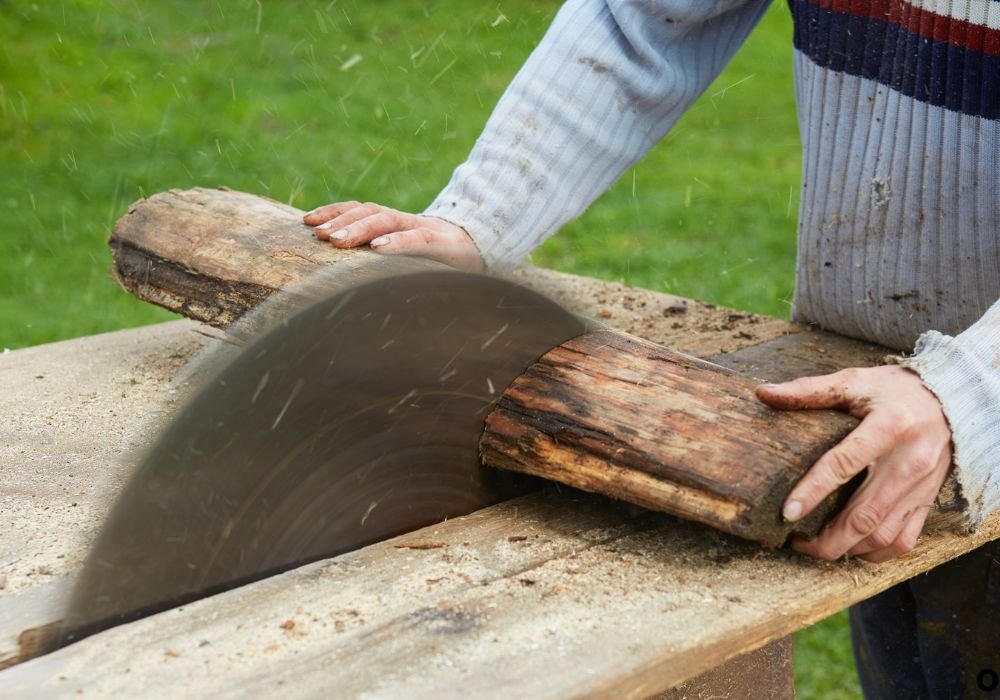
The circular saw guard isn’t just for compliance — it’s your first line of defense against accidents.
The guard blocks contact with the blade when setting the saw down or when carrying it between cuts. It also absorbs or redirects flying chips that could injure your hands or eyes.
Without a functional guard, the chances of kickback injuries rise dramatically. Kickback occurs when the blade binds in the material and the saw jerks toward the operator.
A damaged or removed guard provides no barrier against this dangerous movement.
Simply put, a circular saw without a guard is one mistake away from disaster.
The Two Main Types of Circular Saw Guards
Circular saws include two distinct guard systems, each serving a unique purpose.
1. Upper (Fixed) Guard:
This guard permanently covers the top portion of the blade, including the section closest to the motor. It protects against accidental hand contact and blocks flying debris.
2. Lower (Retractable) Guard:
This guard moves automatically as you cut. It opens to expose the blade when it contacts material and closes once the cut is done.
The lower guard is attached to a spring mechanism that ensures it returns to its resting position instantly.
Together, these two guards create complete coverage during operation, storage, and handling.
What Happens If You Remove or Disable the Guard
Some users remove the guard for convenience, thinking it improves visibility or cutting control. This is one of the most dangerous mistakes possible.
Without the guard, the blade is exposed even when the saw isn’t cutting. One slip while repositioning or setting down the tool can cause severe lacerations.
Additionally, disabling the guard voids tool warranties and violates safety standards from organizations like OSHA.
Manufacturers design guards to maintain balance and airflow around the blade, meaning removing them can also affect cutting performance.
If your guard sticks or moves unevenly, clean or replace it — never remove it permanently.
Common Problems with Circular Saw Guards
Sometimes guards get stuck or fail to retract smoothly, which can interrupt your cutting flow. This often happens due to dust buildup, pitch residue, or bent components.
A sluggish guard is not just inconvenient — it’s dangerous because it may fail to close after a cut.
Regular maintenance solves most issues. Clean the hinge area with compressed air, apply light machine oil, and ensure the return spring is not worn.
If the guard is cracked or warped, replace it immediately.
A fully functional guard ensures your saw performs safely and efficiently for years.
Maintenance Tips for Circular Saw Guards
To keep your saw guard working perfectly, inspect it before each use. Make sure it retracts and returns smoothly without sticking or delay.
Use a soft brush or air compressor to remove sawdust and debris from the hinge and spring areas.
Never apply excessive grease, as it attracts dust and may clog the mechanism. A single drop of light oil on the pivot pin is enough.
Store the saw in a dry place to prevent corrosion, especially if the guard is metal.
Finally, never force the guard open or closed manually. Always let the spring mechanism do its work.
How the Guard Improves Cutting Precision
A clean, functioning guard also contributes to better cutting accuracy. It stabilizes airflow and helps channel sawdust away from the cut line.
When the blade is fully enclosed, visibility improves, allowing you to track the guide mark clearly.
Modern guards are designed with transparent or partially open windows, so you can see the blade’s contact point without sacrificing safety.
This means you don’t have to remove or lift the guard to check your alignment — just maintain a clear line of sight and a well-lit workspace.
Safety and precision go hand in hand when the guard works as intended.
The Role of the Guard in Kickback Prevention
Kickback is one of the most dangerous circular saw hazards, and the guard helps minimize it.
If the blade binds during a cut, the guard provides a physical shield that can deflect the saw away from the operator.
The guard also ensures that only the necessary portion of the blade is exposed, reducing the chance of material pinching or catching.
By limiting blade exposure, the guard keeps both your hands and the workpiece safer.
Combined with a steady cutting pace and proper alignment, it greatly reduces the risk of injury.
Modern Innovations in Circular Saw Guards
Manufacturers continue to refine guard designs for better safety and visibility.
Some models now include see-through polycarbonate guards, allowing you to see the cutting area clearly.
Dust-control guards connect directly to vacuums, improving air quality and visibility while cutting.
Other high-end saws feature sensor-activated guards that lock instantly if motion is detected near the blade.
These innovations reflect how safety has evolved to keep pace with increasing power and performance in modern saws.
15 Frequently Asked Questions
1. What is the main function of a circular saw guard?
To protect the user from accidental contact with the spinning blade and reduce kickback risks.
2. What are the two types of circular saw guards?
The upper fixed guard and the lower retractable guard.
3. Can I remove the guard for better visibility?
No. Removing the guard is extremely dangerous and voids most tool warranties.
4. Why does my guard stick while cutting?
Dust buildup or a weak spring can prevent smooth retraction. Clean or replace the guard.
5. How often should I inspect my saw guard?
Check before every use to ensure it retracts and returns automatically.
6. Does the guard affect cutting precision?
No. Modern guards are designed for visibility and safety without reducing accuracy.
7. What should I do if my guard is cracked?
Stop using the saw immediately and replace the guard with an original part.
8. Are all circular saw guards the same?
No. Design and materials vary between models and brands, though the function is universal.
9. Can I lubricate my saw guard?
Yes, but use only a drop of light oil on the pivot pin. Avoid heavy grease.
10. How does the guard prevent kickback?
It limits blade exposure and helps deflect the saw away if a bind occurs.
11. What material are guards made from?
Typically aluminum, steel, or high-impact polycarbonate plastic.
12. Is it safe to cut without the lower guard if it’s jammed open?
No. Always repair or replace a jammed guard before using the saw again.
13. Can I retrofit a clear guard onto my saw?
Yes, if the manufacturer offers compatible transparent guard kits.
14. Why do guards return automatically after a cut?
They use a spring mechanism to cover the blade immediately for safety.
15. What happens if I disable the spring on my guard?
It won’t close properly after cuts, leaving the blade exposed — a serious safety hazard.
Conclusion
The circular saw guard may seem like a small component, but it’s the most critical safety feature on your tool.
Its function goes beyond simple protection — it’s a dynamic mechanism that reacts instantly to your movements, keeping you safe while maintaining cutting efficiency.
A clean, functional guard prevents kickback, deflects debris, and ensures your hands never come close to danger.
If you maintain it properly and respect its purpose, it will serve you for years without fail.
So the next time you pick up your circular saw, remember: the guard isn’t in your way — it’s watching your back.

I’m Michael R. Turner, the founder, lead writer, and passionate DIY enthusiast behind 101diytools.com. With years of hands-on experience in home improvement and power tools, I built this platform to share practical tips, in-depth guides, and honest reviews to help DIYers of all skill levels tackle projects with confidence and the right tools.