What Is a Power Sander and How Does It Work?
Sanding a rough wooden board or repainting an old cabinet often starts with frustration. The dust, uneven texture, and aching arms make the process feel endless.
Many DIYers and professionals face the same problem — achieving a smooth, flawless surface by hand takes far more time and effort than expected.
That’s where a power sander proves its worth. This electric tool replaces manual labor with speed, consistency, and control.
Its motor-driven motion evens out surfaces in minutes, creating results that look polished and professional. Whether refinishing furniture or preparing walls, it’s the secret behind that perfectly smooth finish.
Research shows that using a power sander can reduce sanding time by more than half while producing cleaner, more uniform surfaces. It’s not just about convenience — it’s about precision and quality that hand sanding rarely delivers.
But what exactly makes a power sander so efficient? How does its design, speed, and abrasive surface work together to achieve professional-level results? These questions reveal why understanding the tool’s function is essential before choosing the right one for any project.
What Is a Power Sander?
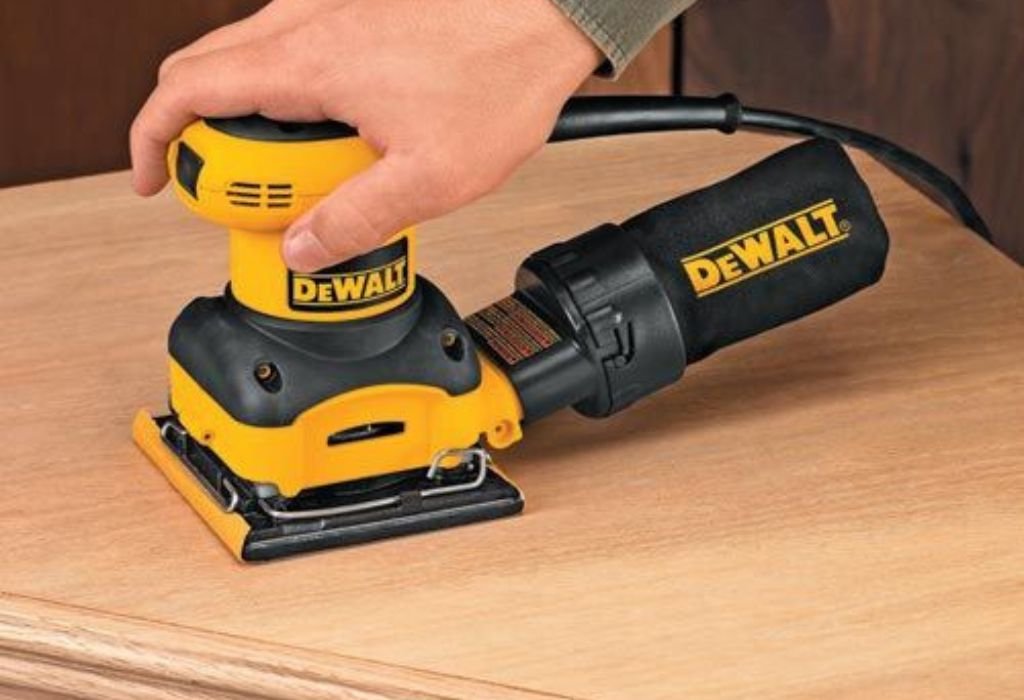
A power sander is a motor-driven tool designed to smooth, polish, or remove layers from a surface using abrasive sandpaper. It converts mechanical energy into rapid motion, allowing users to achieve a consistent and even finish without the fatigue of manual sanding.
This efficiency makes it a must-have in woodworking, metalworking, and even home renovation tasks.
Unlike traditional sanding blocks, a power sander operates with precision and speed. It maintains steady pressure and movement, preventing uneven results or deep scratches. The result is a surface that’s smoother, cleaner, and ready for finishing.
Power sanders use sandpaper sheets, discs, or belts in various grit levels to perform different tasks. Coarse grits remove material quickly, while fine grits deliver a polished finish.
This versatility allows the same tool to handle everything from stripping old paint to preparing fine furniture.
Modern designs often include dust collection systems, ergonomic handles, and adjustable speeds. These features make sanding safer, cleaner, and more efficient, even in professional workshops.
How Does a Power Sander Work?
At its core, a power sander relies on motion and friction. The motor spins or oscillates a pad, disc, or belt that’s fitted with sandpaper. When pressed gently against a surface, the abrasive grains remove small layers of material until the desired smoothness is achieved.
Electric, pneumatic, or battery-powered models drive this motion differently, but the goal remains the same — precise material removal with minimal effort.
What motion does the sanding pad make?
The pad may rotate, oscillate, or move in a random orbit pattern depending on the tool type, ensuring smoother results with fewer swirl marks.
Why is the motor so important?
The motor determines speed and torque, directly affecting how fast and evenly the tool removes material.
What role does grit size play?
Coarse grits (40–80) remove layers quickly, while fine grits (180–400) refine and polish the surface.
Is dust collection necessary?
Yes, efficient dust extraction improves visibility, protects lungs, and keeps the work area cleaner.
Can improper use cause damage?
Yes, pressing too hard or staying in one spot can leave deep marks or uneven patches, so controlled motion is key.
Why Use a Power Sander? (Benefits and Problem Statement)
Manual sanding can quickly become exhausting and inconsistent. Hours of repetitive strokes often lead to uneven textures, visible scratches, and fatigue before the job is even halfway done. That’s where a power sander becomes a true game-changer, turning hard labor into efficient precision.
A power sander saves time, reduces physical effort, and improves surface quality. It maintains consistent motion and pressure, ensuring a uniform finish across any material. Whether working on wood, metal, or drywall, the tool removes imperfections much faster than traditional methods.
Studies and workshop tests consistently show that power sanders can reduce sanding time by over 50% compared to manual sanding.
Beyond speed, they also offer enhanced control, smoother finishes, and better dust management — key benefits that contribute to a cleaner workspace and more professional results.
Key Advantages
Does a power sander remove material faster than hand sanding?
Yes, the electric motor and consistent motion allow it to remove material in minutes instead of hours.
Can it provide a better finish than manual sanding?
Absolutely. With the right grit and motion, a power sander delivers smoother, more even results.
Does it reduce physical effort?
Yes. The motor does the heavy lifting, letting users focus on precision instead of pressure.
Is dust collection an advantage?
Definitely. Many modern models include dust ports or bags that minimize cleanup time.
Are there cost or safety trade-offs?
While slightly more expensive, power sanders offer higher efficiency and consistent results when used correctly.
Potential Disadvantages or Risks
Despite its benefits, improper use can lead to surface damage. Applying too much pressure or using the wrong grit can cause deep scratches or gouges. Noise, dust, and vibration can also become issues if the tool lacks proper safety features.
Can a power sander remove too much material?
Yes, aggressive sanding or stationary movement can strip off layers unintentionally.
Is it safe for all surface types?
Not always. Thin veneers or delicate finishes can be damaged by excessive speed or pressure.
Does it create more dust or noise?
It can, especially without dust extraction or ear protection.
Is training or experience required?
A basic understanding of tool motion and pressure control ensures safer, cleaner results.
Does the tool require regular maintenance?
Yes, cleaning dust filters, replacing sandpaper, and checking pads help maintain performance.
Types of Power Sanders and Their Uses
Not all power sanders are built for the same task. Each type has a unique motion pattern, sanding power, and purpose. Knowing the differences helps in selecting the right tool for a specific project, whether it’s heavy material removal or delicate finishing work.
Power sanders generally fall into a few main categories — belt sanders, random orbit sanders, and detail or specialized models. Understanding how each one works ensures better results and prevents damage to your work surface.
Belt Sanders
Belt sanders are the heavy-duty workhorses of sanding tools. They use a continuous loop of abrasive belt that moves rapidly over rollers, making them ideal for removing large amounts of material quickly.
They’re most effective on large, flat surfaces such as doors, tabletops, and floors. The aggressive sanding action levels uneven areas and strips away paint or old finishes with ease.
What is a belt sander?
A belt sander uses a looped sandpaper belt powered by two rotating drums for fast material removal.
What jobs suit a belt sander best?
It’s perfect for flattening panels, removing paint, or shaping rough wood surfaces.
What are its drawbacks?
It can be too aggressive for fine finishing and may gouge soft wood if not controlled properly.
What should you look for in a belt sander?
A sturdy frame, adjustable speed control, and dust collection port ensure stability and cleaner operation.
Can beginners use belt sanders safely?
Yes, but beginners should start on scrap wood first to get used to the speed and power.
Random Orbit Sanders
Random orbit sanders are the most versatile and user-friendly option. Their pads move in both circular and elliptical motions, reducing swirl marks and creating a flawless finish.
They’re excellent for intermediate sanding, furniture refinishing, and final surface preparation before painting or staining.
What is a random orbit sander?
It’s a sander whose pad spins and vibrates simultaneously, minimizing visible sanding patterns.
Why is it popular among DIYers and professionals?
It’s lightweight, versatile, and provides excellent control for both rough and fine work.
What tasks are ideal for this tool?
Smoothing wood, removing minor imperfections, and preparing surfaces for finish coats.
What are the limitations?
It’s slower at removing heavy material compared to a belt sander but offers more precision.
What features should you prioritize?
Look for variable speed control, ergonomic grips, and efficient dust extraction systems.
Detail, Disc, and Drum Sanders
These specialized tools handle precision work, tight spaces, or large-scale refinishing tasks. Each serves a unique purpose depending on the project’s scale and material.
What is a detail sander?
A small, triangular-pad tool designed to reach corners, edges, and narrow spaces.
What is a disc sander used for?
It’s a stationary sander ideal for shaping edges, beveling, or smoothing end grains.
What is a drum sander?
A large floor-standing sander used for flattening or refinishing hardwood floors.
Are these tools good for DIY use?
Detail sanders are perfect for home projects, while drum sanders are better for professionals.
What precautions should users take?
Choose the correct grit and apply steady motion to avoid over-sanding or damaging surfaces.
How to Choose the Right Power Sander
Selecting the right power sander depends on the type of project, material, and finish you’re aiming for. The wrong tool can lead to uneven surfaces, scratches, or even permanent damage. Understanding your needs ensures you get the best balance of speed, control, and quality results.
Before buying, consider how large your workspace is, what material you’ll sand most often, and how smooth you need the final surface to be. Features like variable speed, dust collection, and ergonomic handles can also make a huge difference in comfort and performance.
Matching the Tool to Material and Task
Different projects demand different sanders. A hardwood floor restoration requires a high-power belt sander, while finishing furniture or cabinets calls for a gentler random orbit sander. Choosing the correct match ensures precision without over-sanding or damaging the material.
Does the material affect tool choice?
Yes. Hardwoods, metals, and plastics need different levels of abrasion and control.
How does task size influence the decision?
Large surfaces demand fast removal tools, while smaller, detailed tasks need compact and precise models.
Is surface shape important?
Yes. Flat surfaces suit belt or orbital sanders, while curved or tight areas benefit from detail sanders.
Does the desired finish matter?
Absolutely. Fine finishes need slower speed settings and finer grits.
Can one sander do every job?
No single tool fits all tasks, but multi-purpose models like random orbit sanders cover most general uses.
Key Features to Consider
Modern sanders come with advanced features that improve efficiency and ease of use. Paying attention to these details ensures you choose a durable, user-friendly tool.
What is variable speed and why is it useful?
Variable speed lets you adjust the tool’s intensity to match material hardness and finish quality.
Why is dust collection so important?
Good dust extraction keeps your workspace cleaner, extends tool life, and prevents inhaling fine particles.
Corded or cordless — which is better?
Corded models deliver constant power, while cordless sanders offer flexibility for outdoor or remote use.
Does pad size affect results?
Yes. Larger pads cover wide areas faster, but smaller ones handle corners and edges more effectively.
What about ergonomics and vibration control?
Comfortable handles and reduced vibration minimize fatigue during long sanding sessions.
Budget and Safety Considerations
While budget matters, cheap tools can compromise quality and longevity. Safety features, reliability, and brand reputation should be prioritized over low prices.
Is it worth investing in a higher-quality sander?
Yes. Premium sanders last longer, deliver smoother finishes, and often include better dust management systems.
What safety gear should be used?
Always wear safety glasses, a dust mask or respirator, and hearing protection during sanding.
How often should a sander be maintained?
Clean dust filters regularly, replace worn pads, and check moving parts for wear.
Does tool weight affect usability?
Yes. Heavier sanders offer more power but can be tiring; lightweight models improve control and comfort.
What about warranty or service options?
Choosing a model backed by strong warranty coverage ensures long-term peace of mind.
How to Use a Power Sander Effectively and Safely
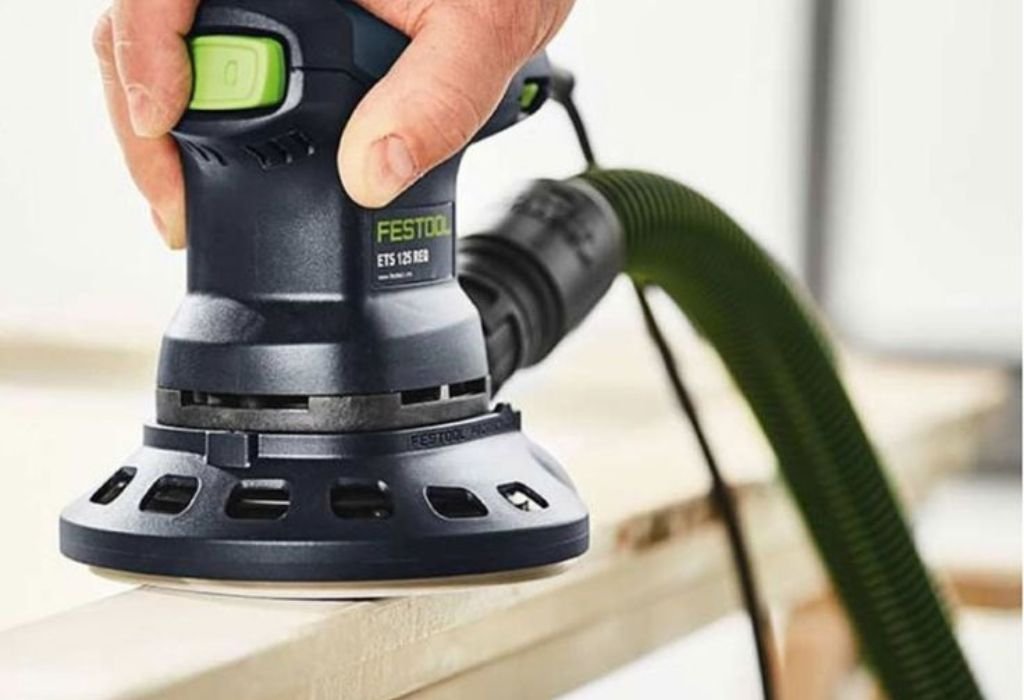
Owning the right power sander is only half the equation. Proper technique determines whether the final surface looks professional or flawed. Learning how to handle the tool correctly prevents damage, reduces fatigue, and ensures consistent results across every project.
Before starting, prepare the workspace. Clear away obstacles, secure your material with clamps, and inspect the surface for nails or debris that could tear the sandpaper. Always choose the correct grit size and connect your dust collection system if available.
What preparatory steps should be taken?
Ensure the surface is clean, flat, and securely positioned. Attach the right sandpaper and test the tool at low speed before beginning.
What motion should the sander follow?
Move the tool slowly and evenly along the grain, keeping it flat against the surface without pressing down. Let the motor do the work.
When should you change grits?
Start with coarse grit to remove imperfections, then switch to medium and fine grits for smooth finishing. Replace worn-out sandpaper immediately.
How can you maintain performance during use?
Pause occasionally to empty dust bags, check sandpaper alignment, and allow the motor to cool if it feels overheated.
What’s the best way to finish up safely?
After sanding, turn off the sander completely before setting it down. Wipe away dust with a damp cloth and store the tool in a clean, dry place.
Safety is just as important as technique. Always wear protective glasses, a dust mask, and hearing protection. Avoid loose clothing that might catch in moving parts.
By combining steady control, the right grit sequence, and consistent pressure, even beginners can achieve a flawless, professional-grade finish.
Future Trends and Innovations in Power Sanders
The evolution of power sanders continues to make surface finishing faster, cleaner, and more precise. Modern tools now combine technology, ergonomics, and energy efficiency to meet the growing demands of both DIY enthusiasts and professional craftsmen.
Today’s biggest trend is the rise of cordless sanders powered by advanced lithium-ion batteries. These models offer longer runtimes, faster charging, and improved torque.
Combined with brushless motors, they deliver consistent power while reducing heat and noise — making sanding smoother and more comfortable.
Is cordless power sander technology improving?
Yes. Modern batteries last longer and provide near-corded performance, allowing greater freedom of movement on large projects.
Are dust extraction systems getting better?
Absolutely. New filtration systems and vacuum-compatible ports remove up to 90% of dust, improving air quality and visibility while extending sandpaper life.
Will smart technology influence sanding tools?
Yes. Some brands are developing sensors that monitor pad speed, vibration levels, and usage hours to optimize performance and safety.
Are sanders becoming more ergonomic?
Manufacturers are focusing heavily on vibration dampening, soft-grip handles, and balanced weight distribution to reduce strain during extended use.
What other innovations are on the horizon?
Expect hybrid sanders with interchangeable heads for sanding, polishing, and buffing, as well as compact designs for precise control in tight spaces.
These technological upgrades make power sanders more efficient, sustainable, and user-friendly. With better energy management, smart controls, and improved dust collection, the next generation of tools will make sanding cleaner, faster, and more accurate than ever before.
Conclusion
Understanding what is a power sander is the foundation of mastering surface finishing. This versatile tool has transformed how professionals and DIYers smooth, polish, and prepare materials, saving hours of manual labor while delivering cleaner, more consistent results.
A power sander’s efficiency lies in its design — a combination of motor-driven motion, abrasive control, and steady precision.
From belt sanders that handle tough stock removal to random orbit sanders that perfect the final finish, each type serves a unique purpose. Knowing which one to use, and how to use it correctly, is key to achieving flawless outcomes.
Using the right grit sequence, maintaining even pressure, and prioritizing dust collection ensures not only a smoother surface but also a safer, cleaner workspace. Attention to these small details separates a rough finish from a professional-grade result.
Innovation continues to push the boundaries of what sanders can do. Cordless technology, advanced dust extraction, and smart sensors are making these tools more efficient and ergonomic than ever before. The future of sanding is faster, cleaner, and more precise.

I’m Michael R. Turner, the founder, lead writer, and passionate DIY enthusiast behind 101diytools.com. With years of hands-on experience in home improvement and power tools, I built this platform to share practical tips, in-depth guides, and honest reviews to help DIYers of all skill levels tackle projects with confidence and the right tools.