What Is IPM on an Impact Wrench and Why It Matters
Every impact wrench user eventually encounters the term IPM and wonders what it really means. Whether you’re tightening lug nuts, assembling metal frames, or driving heavy bolts, the number of impacts per minute can determine how fast and effectively your tool performs. Understanding what IPM on an impact wrench actually represents is key to getting the best out of your equipment.
Imagine working on a stubborn bolt that refuses to budge. You increase torque, but it still won’t move. That’s where IPM steps in—the rhythmic series of hammering blows that give an impact wrench its power to break loose fasteners that manual tools can’t handle. Each of those impacts transfers sudden bursts of energy, helping the wrench apply torque efficiently without requiring constant force from the operator.
According to tool performance studies, a balanced combination of torque and impact rate can improve fastening efficiency by up to 30%. This balance prevents overtightening, minimizes tool wear, and ensures that both DIY enthusiasts and professionals can finish jobs faster with better precision.
In a world where power tools are evolving rapidly—especially cordless models—knowing what IPM means on an impact wrench helps you choose wisely. This guide breaks down the science behind IPM, how it differs from torque and RPM, and why it matters when selecting or using your tool. By the end, you’ll know exactly how to match IPM with your project needs for smoother, safer, and more powerful performance.
Understanding IPM on an Impact Wrench
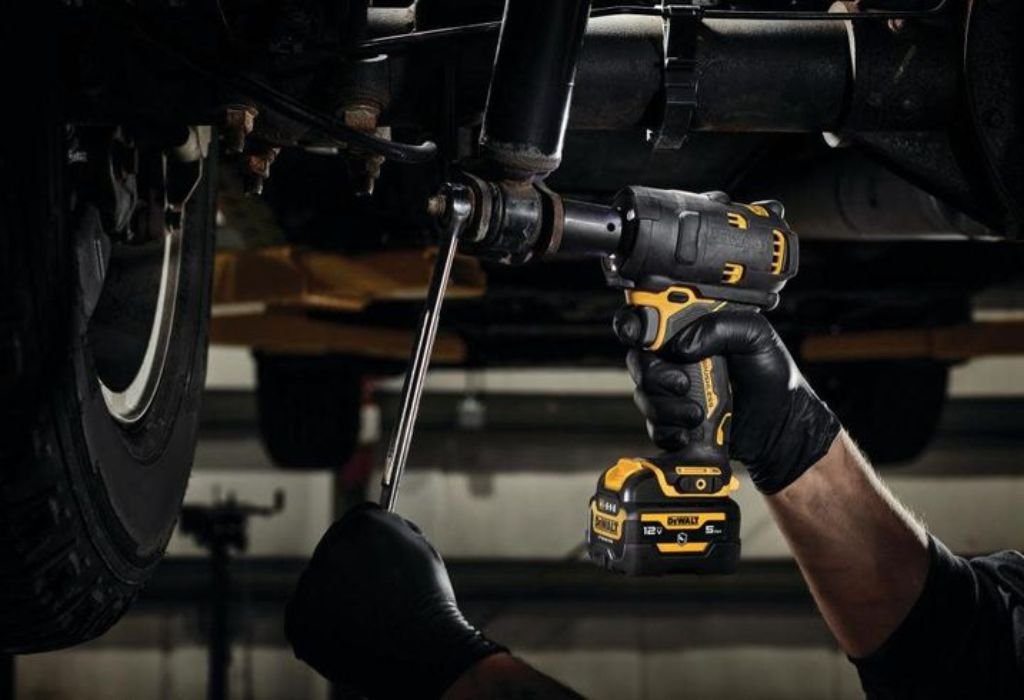
Every impact wrench specification sheet lists multiple performance metrics, but few are as misunderstood as IPM. IPM, or Impacts Per Minute, measures how many rapid hammer strikes the tool delivers in 60 seconds. These impacts create the repeated bursts of rotational force that make the wrench effective at tightening or loosening bolts.
While torque measures the twisting power of the tool, IPM measures the frequency of those power bursts. A higher IPM means the wrench strikes faster, delivering more frequent impacts to the fastener. This difference is crucial for selecting the right impact wrench for specific tasks—especially when comparing automotive, industrial, or DIY-grade tools.
what does ipm stand for when referring to an impact wrench?
IPM stands for Impacts Per Minute, a metric showing how many hammering actions occur in one minute during operation.
how is ipm measured on an impact wrench?
It’s calculated by counting the total number of impacts the hammer mechanism makes against the anvil per minute at full speed.
how does ipm differ from torque rating on an impact wrench?
Torque measures rotational force, while IPM measures the speed of impact delivery. Together, they determine overall tool efficiency.
why do manufacturers list both ipm and rpm on the spec sheet?
RPM indicates rotational speed, and IPM shows impact frequency—both are needed to understand how a wrench performs under load.
does a higher ipm always mean a better impact wrench?
Not necessarily. Higher IPM can increase speed, but without sufficient torque or durability, it doesn’t guarantee stronger performance.
Why IPM Matters: Performance and Application
IPM directly affects how efficiently an impact wrench performs under pressure. When fastening or removing bolts, the number of impacts per minute influences both the speed and smoothness of the operation. High IPM tools deliver quicker bursts, helping with lighter or medium-duty fastening, while lower IPM models excel at heavy, high-torque applications.
Choosing the right IPM level can improve productivity and prevent damage to fasteners. An overpowered wrench may strip threads, while an underpowered one struggles to loosen bolts. Finding the balance between torque and IPM ensures both safety and performance.
how does ipm affect fastening speed and efficiency?
A higher IPM delivers faster cycles, driving bolts more quickly without compromising accuracy.
can ipm help in loosening seized fasteners?
Yes, frequent impacts help break the friction bond between metal parts, especially in corroded or rusted joints.
are there specific applications where high ipm is more useful?
High IPM is ideal for light assembly, automotive tire work, and rapid fastening on repetitive tasks.
does ipm affect the fatigue on the tool or operator?
Yes, smoother and faster impacts reduce vibration duration, making extended use less tiring.
how should ipm influence the choice between different impact wrenches?
Use IPM to match the task—higher IPM for speed, lower IPM with more torque for stubborn or industrial bolts.
How To Interpret IPM in Tool Specifications
Understanding IPM values on a tool label can save buyers from confusion. Cordless and pneumatic impact wrenches often display IPM alongside torque (ft-lb) and RPM. These three numbers together reveal how the tool balances speed, strength, and precision.
For example, most mid-torque cordless impact wrenches operate between 2,000 to 3,500 IPM, while heavy-duty industrial models may reach 4,000 or more. The right IPM depends on your material, bolt size, and tightening torque.
what ipm range is typical for a ½-inch drive impact wrench?
Around 2,000–3,200 IPM is common for mid-range ½-inch tools, suitable for general automotive work.
why is the ipm rating sometimes higher for cordless compared to pneumatic tools?
Brushless motors in cordless tools can sustain rapid impact cycles more efficiently than air-driven systems.
how can ipm affect the overall impact energy delivered?
More impacts per minute spread energy across frequent blows, improving control and consistency.
is there a minimum ipm needed for automotive lug nut removal?
At least 2,000 IPM is recommended for efficient lug nut removal without excessive vibration.
should ipm be the only spec considered when buying an impact wrench?
No, torque, battery power, and durability must also be evaluated to ensure the right tool for your tasks.
Limitations and Misconceptions Around IPM
Many users mistakenly assume that higher IPM automatically means a stronger or more powerful wrench. However, IPM only indicates frequency, not torque force. A high-IPM wrench may be fast but might not have enough torque to remove large bolts or handle industrial work.
Another misconception is that IPM determines build quality. In truth, a well-balanced combination of IPM, torque, and motor design defines real-world performance.
does higher ipm guarantee more torque?
No, IPM is about speed. Torque measures the twisting power required to loosen or tighten bolts.
can a tool with lower ipm perform better in certain tasks?
Yes, heavy-duty wrenches often have lower IPM but higher torque for stubborn fasteners.
why do some manufacturers not list ipm at all?
Some focus on torque specs since users often misunderstand IPM as a strength rating.
is ipm less relevant for lightweight, infrequent use tools?
For occasional household tasks, IPM has minimal impact compared to comfort and convenience.
how should ipm be balanced with durability and tool ergonomics?
Select tools that maintain both comfortable operation and sufficient IPM without over-stressing the motor.
Best Practices: Using IPM Effectively on Impact Wrenches
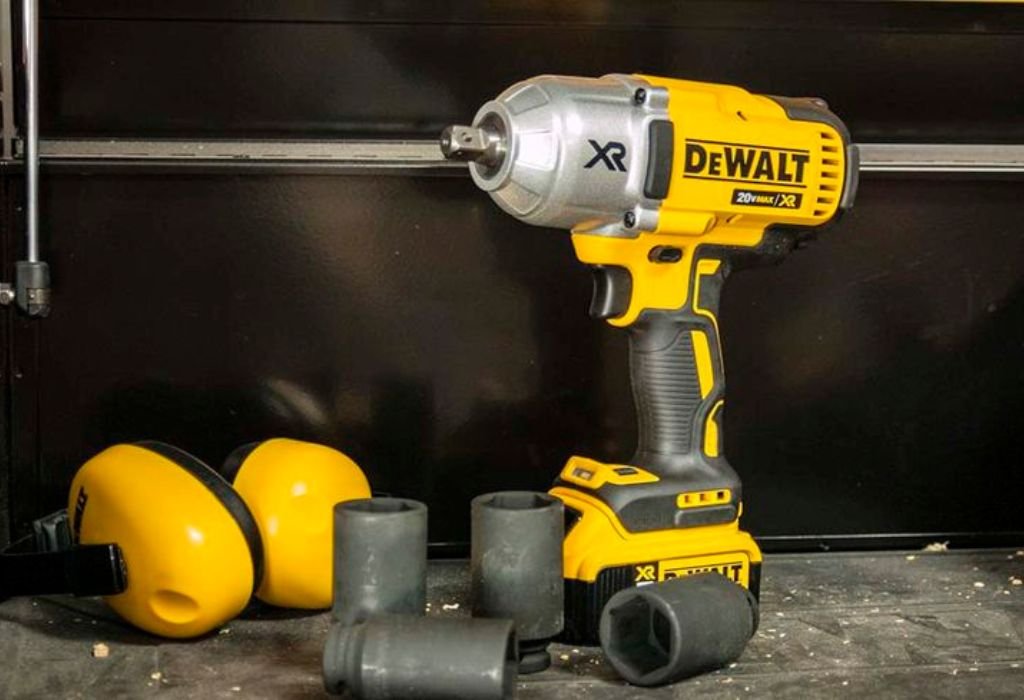
Using an impact wrench effectively means understanding how IPM affects your workflow. Start by adjusting the speed or power mode to suit your project. For example, when tightening smaller bolts, use a higher IPM for faster engagement, but lower it for precise torque control on delicate materials.
Always match socket size and material to the application. Heavy sockets can absorb some impact force, slightly reducing effective IPM, while lighter sockets transmit energy more efficiently.
how can a user adjust settings to match ipm to the job?
Most cordless impact wrenches include variable-speed triggers or electronic modes to fine-tune IPM output.
what socket and extension considerations affect ipm performance?
Use quality impact-rated sockets and short extensions to prevent energy loss during each impact cycle.
how often should ipm-related tool performance be checked or maintained?
Check for reduced impact rate or unusual noise every few months to ensure hammer mechanism health.
does using maximum ipm continuously affect battery or motor life?
Yes, prolonged high-IPM operation generates more heat, which can shorten battery and motor lifespan.
should ipm influence the torque wrench follow-up procedure?
Yes, always verify final torque manually after using high-IPM settings to ensure proper tightness.
Future Trends: How IPM and Impact Wrench Design Are Evolving
The concept of IPM is evolving as tool technology advances. Modern brushless motors, advanced battery management systems, and smart sensors have transformed how IPM contributes to performance. These improvements allow impact wrenches to deliver faster, smoother, and more controlled strikes with minimal vibration.
Manufacturers are now integrating digital controls that automatically adjust IPM based on load detection. This means users can work more efficiently without manually adjusting settings for each task.
what emerging features affect ipm ratings in new impact wrenches?
Brushless motors and electronic speed controls are increasing impact consistency and energy efficiency.
are manufacturers pushing for higher ipm as a marketing spec?
Yes, higher IPM figures are often advertised, but true performance depends on torque balance and internal design.
how is smart tool technology optimizing impact rate (ipm) for different jobs?
Sensors detect resistance and dynamically adjust IPM to prevent overtightening or bolt shear.
will ipm remain a key spec for diy users in the future?
Yes, as cordless tools dominate, IPM will continue to guide buyers toward the right performance tier.
what should workshop owners look for regarding ipm in upcoming impact wrench models?
Look for digital displays, smart torque control, and automatic IPM adjustment systems in future releases.
Conclusion
So, what is IPM on an impact wrench, and why does it matter? IPM represents how many impacts the tool delivers per minute, showing how efficiently it applies force during operation. While torque tells you how powerful the wrench is, IPM tells you how fast that power is delivered.
Choosing a tool with the right IPM ensures smoother operation, less strain, and faster results. High IPM works best for quick fastening jobs, while lower IPM paired with strong torque handles stubborn bolts. Understanding both metrics empowers users to select tools that fit their tasks, extending tool life and improving productivity.
When evaluating your next impact wrench, don’t just glance at torque—look at IPM, RPM, and overall build quality. The balance of these three defines how the wrench performs in real-world situations. By knowing what IPM on an impact wrench truly means, you’ll work faster, safer, and with greater precision on every project.

I’m Michael R. Turner, the founder, lead writer, and passionate DIY enthusiast behind 101diytools.com. With years of hands-on experience in home improvement and power tools, I built this platform to share practical tips, in-depth guides, and honest reviews to help DIYers of all skill levels tackle projects with confidence and the right tools.