What Is Breakaway Torque on an Impact Wrench
Every mechanic, DIYer, or garage enthusiast eventually faces a frustrating challenge — a rusted or stubborn bolt that refuses to budge. That’s when the question arises: what is breakaway torque on an impact wrench, and why does it matter so much?
An impact wrench is known for its raw power, able to loosen fasteners that ordinary wrenches can’t move. But what truly defines that power is not just “torque” — it’s something more specific called breakaway torque. This rating represents the maximum force your impact wrench can deliver to loosen an overtightened, rusted, or frozen bolt. It’s the true muscle behind the tool.
According to tool manufacturers, breakaway torque can vary widely, ranging from 300 Nm to over 1,800 Nm depending on the model and power source. Heavy-duty cordless impact wrenches often exceed 1,000 ft-lbs, easily freeing even industrial fasteners. Understanding these figures ensures you pick the right wrench for your task, avoiding broken sockets, stripped threads, or wasted effort.
Marketing terms like nut-busting torque or loosening torque can sound impressive but sometimes mislead buyers. Knowing the difference between tightening torque, breakaway torque, and maximum torque allows you to make informed decisions instead of relying on flashy numbers.
In this guide, you’ll learn exactly what breakaway torque means, how it’s measured, and why it matters. You’ll also discover practical advice for tool selection, technique, and maintenance — so your impact wrench always performs at its best.
Understanding the Basics of Impact Wrenches and Torque
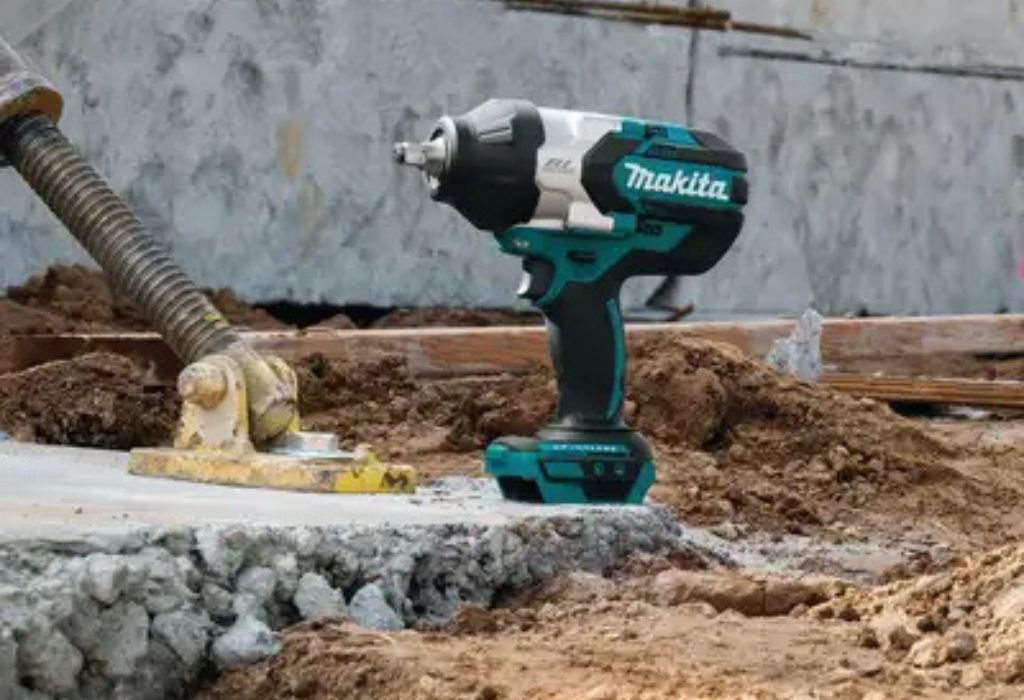
Before we discuss breakaway torque, it’s important to understand what torque means and how impact wrenches generate it. A torque wrench applies steady rotational force, but an impact wrench adds power through high-speed hammering actions that release sudden bursts of energy.
The result is far greater rotational force in shorter bursts, allowing you to loosen or tighten bolts faster with less strain. This makes impact wrenches essential for mechanics, builders, and DIYers working on vehicles, machinery, or large assemblies.
There are three main types of impact wrenches — cordless, corded, and pneumatic. Cordless models offer mobility, pneumatic types provide the highest torque, and corded options balance power and convenience.
What is an impact wrench?
An impact wrench is a power tool that uses compressed air or electricity to deliver fast, high-torque impacts for loosening or tightening bolts.
What does “torque” mean in the context of fastening tools?
Torque measures the twisting force applied to a fastener. The higher the torque, the more force you can apply to turn a bolt.
How does an impact wrench generate torque differently from a regular wrench?
It uses a hammer and anvil system to deliver short, rapid impacts instead of continuous force, multiplying the output torque.
What is the difference between tightening torque and loosening torque?
Tightening torque secures bolts, while loosening torque or breakaway torque releases them. The latter usually requires more force.
Why is understanding torque important for tool selection and safety?
Knowing torque ratings prevents overtightening, stripped threads, and tool damage, ensuring safety and efficiency.
What Is Breakaway Torque on an Impact Wrench?
Breakaway torque refers to the maximum force an impact wrench can deliver to loosen a fastener. It’s sometimes called nut-busting torque or loosening torque. This measurement indicates how much twisting power the tool can apply to overcome the static friction holding a fastener in place.
Manufacturers determine breakaway torque under controlled conditions, often with ideal fastener materials and lubrication. In real use, the numbers may vary due to rust, corrosion, or uneven torque on bolts. For instance, a wrench rated at 1,200 ft-lbs of breakaway torque may perform differently depending on the job.
Because it measures loosening rather than tightening, breakaway torque is usually higher than the wrench’s maximum tightening torque. That’s why it’s common to see specs like 700 ft-lbs tightening torque and 1,200 ft-lbs breakaway torque on the same tool.
What exactly is breakaway torque?
It’s the maximum torque needed to loosen a tight or seized fastener — essentially the wrench’s “bolt-busting” strength.
How is breakaway torque measured or rated by manufacturers?
It’s measured under laboratory conditions using calibrated fasteners and torque sensors.
Why do some impact wrench specs list breakaway torque separately?
Because loosening a bolt generally requires more torque than tightening it, so both values must be stated.
Is breakaway torque the same as the tool’s maximum tightening torque?
No. Breakaway torque is typically higher since breaking frictional resistance demands greater force.
What are typical breakaway torque ranges for impact wrenches?
Light-duty models may offer 200–400 ft-lbs, while heavy-duty or pneumatic versions can exceed 1,500 ft-lbs.
Why Breakaway Torque Matters in Real-World Use
When you’re dealing with rusted suspension bolts, truck lug nuts, or corroded machinery fasteners, breakaway torque becomes the deciding factor between success and frustration. A wrench with low breakaway torque might spin endlessly without budging the bolt, wasting time and battery life.
For example, a standard passenger car’s lug nut might require 300–400 ft-lbs of torque to loosen if corroded. Heavy-duty trucks may need 800 ft-lbs or more. Having enough breakaway torque ensures your impact wrench can handle these extremes without overheating or stalling.
Breakaway torque also affects safety. Underpowered tools can cause users to overcompensate, applying dangerous side pressure or using cheater bars that risk injury. Selecting the right torque rating helps prevent these issues while extending the tool’s lifespan.
When would a high breakaway torque rating be particularly useful?
When working on rusted, seized, or industrial bolts that require high initial force to loosen.
What happens if the impact wrench’s breakaway torque is too low for the job?
It may fail to move the fastener, overheat, or even damage the motor.
How does breakaway torque affect safety and tool longevity?
Higher ratings reduce strain on the user and the tool, allowing bolts to loosen faster and more safely.
Does higher breakaway torque automatically ensure better performance?
Not always. Real-world performance also depends on battery output, air pressure, and tool condition.
What role do fastener size, corrosion, and condition play in required breakaway torque?
Larger, rusted, or contaminated bolts need significantly higher torque to overcome friction and oxidation.
How to Interpret and Compare Breakaway Torque Ratings
Manufacturers often highlight big numbers to attract buyers, but not all torque ratings are directly comparable. Some use optimistic lab results, while others provide realistic, tested values. Understanding this helps avoid misleading comparisons.
When choosing an impact wrench, always look beyond the breakaway torque figure. Pay attention to tightening torque, RPM speed, blows per minute (BPM), and power source. A balanced tool delivers consistent torque over time rather than just short bursts.
Cordless impact wrenches may show impressive specs but can lose torque as batteries discharge. Pneumatic tools maintain steady torque as long as air pressure is consistent, making them better for heavy industrial use.
Are all breakaway torque ratings created equal across brands?
No. Testing methods differ, so comparisons between brands aren’t always accurate.
What should you check in a spec sheet besides the listed breakaway torque?
Look for tightening torque, BPM, drive size, and battery or air requirements.
What does the “nut-busting” or “loosening” label often mean in tool specs?
It’s a marketing term for breakaway torque, indicating the tool’s loosening capability.
How much margin of torque should you leave when selecting a tool for a specific task?
Choose a tool rated at least 20–30 percent above the required torque for reliable performance.
Why might real-world performance differ from the spec-sheet breakaway torque rating?
Because conditions like rust, temperature, and tool wear reduce actual torque output.
Practical Tips for Using an Impact Wrench With Breakaway Torque
Knowing your tool’s capabilities is only half the battle. Proper usage and maintenance ensure you get the full benefit of the rated breakaway torque.
Start by pairing your wrench with high-quality sockets and extensions. Poor-fit accessories absorb impact energy, reducing effective torque. Always check that your air compressor (for pneumatic tools) or battery (for cordless ones) meets the manufacturer’s requirements.
Use correct positioning — keep the tool aligned with the fastener to avoid energy loss and potential slippage. For stubborn bolts, short bursts of impact are better than long continuous runs. Applying a penetrating oil beforehand can also reduce required torque by up to 40 percent according to workshop studies.
What drive size and power source should you consider for high breakaway torque applications?
Use ½-inch or larger drive sizes, and choose pneumatic or high-voltage cordless models for best results.
How does socket and extension condition affect achieving rated breakaway torque?
Worn or cracked sockets reduce torque transfer, leading to weaker performance.
What technique should you use when loosening a corroded or rusted bolt with an impact wrench?
Apply short bursts while keeping steady pressure, and use penetrating fluid to ease friction.
How often should you maintain or inspect your impact wrench when used for heavy breakaway jobs?
Inspect monthly for lubrication, worn anvils, or air leaks to maintain efficiency.
What safety precautions are essential when dealing with high-torque removal tasks?
Always wear gloves, eye protection, and ensure stable footing to prevent recoil injuries.
Common Misconceptions and Mistakes Regarding Breakaway Torque

Many users assume that higher torque automatically means better performance, but that’s not always the case. A tool’s efficiency also depends on battery output, internal gearing, and the fastener’s condition.
Another misconception is thinking that breakaway torque equals actual turning force on every bolt. In reality, it’s a theoretical maximum achieved in perfect conditions. Corrosion, debris, or damaged threads can drastically change results.
Finally, breakaway torque is sometimes used as a marketing term to make tools seem more powerful than they are. Smart buyers focus on balanced specs rather than inflated figures.
Is breakaway torque always an accurate indicator of tool power in everyday jobs?
Not entirely. It shows potential, not guaranteed real-world force.
Can you rely solely on the breakaway torque rating when choosing an impact wrench?
No. Consider overall build quality, ergonomics, and long-term torque stability.
What mistakes do users commonly make when using a tool for breakaway torque tasks?
They often use poor sockets, wrong drive sizes, or ignore air pressure and battery levels.
Does more breakaway torque mean you can always skip proper technique and fastener prep?
No. Even the strongest wrench struggles against rust or misalignment without preparation.
Why do experts sometimes call breakaway torque a “marketing term”?
Because manufacturers may exaggerate results to attract buyers, not reflecting everyday usage.
Conclusion
So, what is breakaway torque on an impact wrench? It’s the defining measure of your tool’s loosening strength — the power needed to defeat friction, rust, and time. Understanding this value helps you pick the right wrench, work more safely, and extend the life of both tool and fasteners.
Breakaway torque isn’t just a number; it’s a performance indicator that reveals how your tool behaves under stress. When you know how to read and apply it, you can confidently tackle any seized bolt or nut without second-guessing your wrench.
Choose a tool with sufficient torque, maintain it properly, and always match it to your job’s requirements. With the right combination of knowledge and preparation, even the toughest fasteners won’t stand a chance.

I’m Michael R. Turner, the founder, lead writer, and passionate DIY enthusiast behind 101diytools.com. With years of hands-on experience in home improvement and power tools, I built this platform to share practical tips, in-depth guides, and honest reviews to help DIYers of all skill levels tackle projects with confidence and the right tools.