
What Is a Worm Drive Circular Saw and How It Works
Imagine you’re cutting through thick hardwood or long beams that would bog down an ordinary saw. You reach for a heavier tool with a longer body and deep growl that powers through the material effortlessly.
That’s the feeling of using a worm drive circular saw. It’s the powerhouse of the circular-saw family, designed for torque, strength, and durability.
While sidewinder saws rely on speed, worm drives rely on controlled power. They can cut deeper, stay cooler, and maintain consistent performance under heavy loads.
According to a 2024 construction tool report, worm drive saws remain the preferred choice for over 55 percent of framing and roofing professionals because of their ability to handle demanding materials day after day.
In this complete guide, you’ll learn what a worm drive circular saw is, how it works, what makes it different from other saws, and why it’s a favorite among experienced builders.
Understanding What a Worm Drive Circular Saw Is

A worm drive circular saw is a gear-driven power saw that transfers energy from the motor to the blade using worm gears. The motor sits behind the blade rather than beside it, giving the saw a longer and narrower body shape.
This gear setup reduces blade speed slightly but multiplies torque, allowing the saw to cut through thick wood or dense material without slowing down.
Because of the rear-mounted motor, worm drive saws are well balanced for pushing forward along large cuts like floor joists or wall studs.
They’re commonly used by framers, roofers, and heavy-duty construction workers who need raw cutting power rather than lightweight portability.
In short, the worm drive saw is built for endurance and precision on the toughest materials a job site can offer.
How a Worm Drive Circular Saw Works
Inside the housing, the motor shaft is connected to a spiral-shaped gear called a worm gear. This gear meshes with another gear on the blade’s arbor at a 90-degree angle.
When the motor turns the worm gear, it drives the blade gear more slowly but with far greater torque. This extra torque means the blade won’t stall or bind even when cutting thick lumber.
The design also positions the handle behind the blade, giving the operator better leverage and control during long rip cuts.
Because of the gear system, worm drives often have lower RPMs than sidewinders—typically around 4,500—but they deliver two to three times the torque.
This mechanical advantage is what makes the worm drive circular saw perfect for cutting dense wood, beams, or multiple boards stacked together.
Key Features of a Worm Drive Circular Saw
Worm drive saws are easily recognized by their long body design and rear-mounted motor. This layout shifts weight toward the back, providing better forward pressure while cutting.
They feature higher torque output, allowing them to slice through thick lumber cleanly without bogging down. The blade often sits on the left side of the motor, which improves visibility for right-handed users.
Most models use magnesium or aluminum housings to reduce weight while keeping the frame strong enough for industrial use.
A metal gear case protects the worm mechanism and requires occasional lubrication to maintain smooth operation.
Many professional worm drive saws also include oil level windows, depth gauges, and rafter hooks for convenience on construction sites.
Why Worm Drive Circular Saws Are More Powerful
Torque is the defining strength of a worm drive saw. Torque is what lets the blade maintain speed under load instead of slowing down or stalling.
The gear reduction ratio in most worm drives is around 2.5 to 1, meaning the blade turns fewer times per motor revolution but with multiplied force.
This allows consistent cutting through thick materials like framing lumber, plywood sheets, or composite beams.
The heavier frame also helps dampen vibration, giving smoother cuts and more control during deep cuts or long runs.
For these reasons, professional builders rely on worm drive saws for tasks that standard circular saws can’t handle efficiently.
Common Uses of a Worm Drive Circular Saw
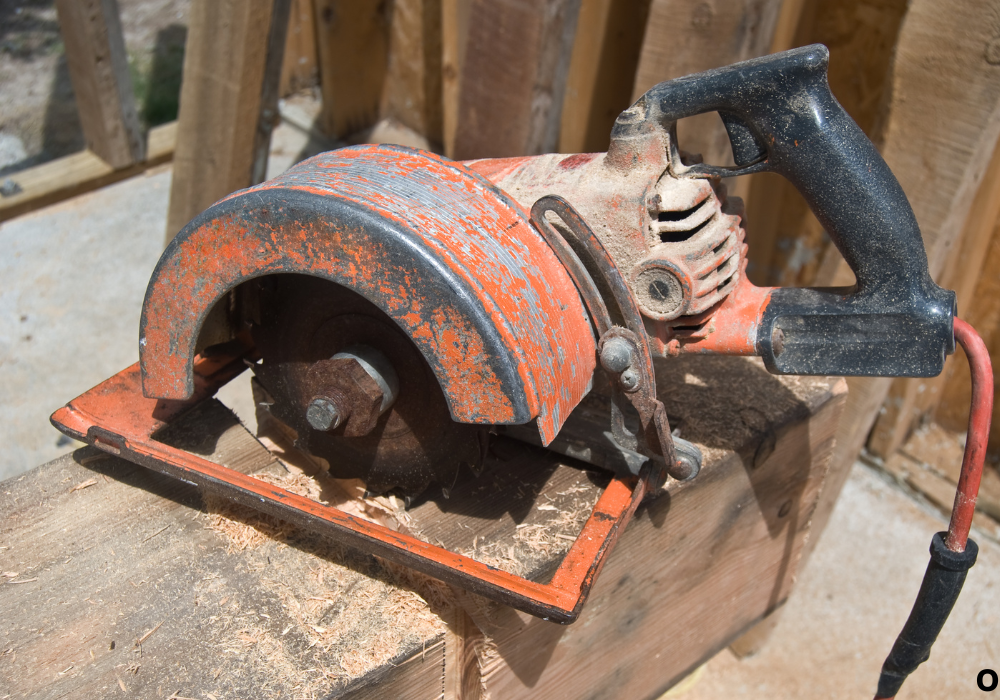
Worm drive saws excel in framing, decking, roofing, and large-scale construction. Their torque makes them ideal for cutting thick joists or stacked lumber.
They’re often used to rip long beams, cut heavy plywood, or trim roofing panels. Because of their control and durability, they’re also used in concrete forming and job-site carpentry.
When equipped with the right blade, they can cut engineered wood, pressure-treated lumber, or even metal studs.
Contractors use them for repetitive high-load cutting tasks where precision and endurance matter more than lightweight design.
In short, a worm drive saw shines anywhere strength and accuracy are equally important.
Worm Drive vs Sidewinder Circular Saw
Although both tools use circular blades, their internal mechanics and cutting feel are completely different.
A sidewinder saw (also called an in-line or direct-drive saw) has its motor positioned beside the blade, driving it directly through gears on the same shaft. This gives high blade speed—often 5,000 to 6,000 RPM—but lower torque.
A worm drive saw, on the other hand, transfers power through worm gears positioned at 90 degrees. The result is slower blade speed but far greater cutting strength.
Sidewinders are lighter and easier to handle overhead or for quick cuts. Worm drives are heavier but excel in long, demanding cuts that require stability.
Most professionals use both: the sidewinder for mobility and the worm drive for heavy-duty, precision framing work.
Advantages of a Worm Drive Circular Saw
The biggest advantage is raw cutting power. The high torque ensures clean, deep cuts even through tough material without stalling.
The left-side blade orientation gives better line of sight for right-handed users, helping with precision cuts on framing lines.
Their longer body and handle position provide better balance and reduce fatigue when cutting thick beams.
Worm drive saws also tend to have longer lifespans due to durable metal gears and strong housings built for industrial conditions.
Finally, their consistent torque delivery means less burning, smoother edges, and fewer re-cuts compared to weaker saws.
Disadvantages to Consider
While powerful, worm drive saws have some downsides that users should understand before buying.
They are heavier, usually weighing between 12 and 15 pounds, compared to 8 or 9 pounds for a typical sidewinder. This can make overhead or vertical cuts tiring.
They also require occasional oil maintenance for the gear housing, unlike direct-drive saws that are virtually maintenance-free.
Because of their mechanical complexity, they tend to be more expensive and may need replacement oil seals or gears after years of use.
Their slower RPM means slightly less speed on thin materials where a sidewinder might finish faster.
Still, for demanding work, most professionals find these trade-offs worth the extra weight and cost.
Maintenance Tips for Worm Drive Circular Saws
Proper maintenance ensures a worm drive saw performs at its best for years. Always check and refill the gear oil reservoir according to the manufacturer’s instructions.
Inspect the oil window before each use to confirm that the level is correct. Low oil can lead to overheating and gear wear.
Keep the blade sharp and clean. A dull blade forces the motor to work harder and generates more heat.
Blow out dust from the motor vents after every job to prevent buildup. Occasionally check the power cord or battery housing for wear.
Store the saw in a dry, clean place, and avoid prolonged exposure to moisture that can rust gears or corrode internal parts.
Safety Tips for Using a Worm Drive Circular Saw
Because of their torque, worm drive saws demand strong handling and good safety habits. Always wear safety glasses, gloves, and ear protection before starting.
Secure your material firmly using clamps or sawhorses before cutting. Never hold the board with one hand while cutting with the other.
Keep both hands on the saw handles for full control during operation. Let the saw reach full speed before it touches the wood.
Avoid forcing the blade; steady forward pressure gives cleaner cuts and reduces kickback.
When finished, release the trigger and wait for the blade to stop completely before setting the tool down.
Market Trends and Statistics
The global circular saw market has expanded rapidly with the rise of professional construction and home renovation projects. Worm drive models remain strong performers in the professional segment.
Industry data from 2024 estimates that worm drive saws make up roughly 25 percent of total circular saw sales but account for over 50 percent of professional use.
As lithium-ion technology improves, cordless worm drive saws are emerging, combining the same torque with better portability.
Manufacturers are focusing on magnesium frames, brushless motors, and improved oil seals to reduce weight and extend service life.
This modernization keeps worm drive saws relevant in an age where battery power and mobility dominate tool design.
FAQs
1. What makes a worm drive circular saw different from others?
It uses worm gears that transfer power at a 90-degree angle, producing higher torque and deeper cuts than standard saws.
2. What type of projects is it best for?
It’s ideal for framing, roofing, decking, and any heavy-duty construction that requires long, precise cuts.
3. How often should I change the gear oil?
Most professionals change it every three to six months, depending on usage frequency. Always follow the manufacturer’s manual.
4. Is it suitable for beginners?
Beginners can use it safely with proper training, but its weight and torque make it better suited for intermediate or professional users.
5. Can I use a worm drive saw for metal or concrete?
Yes, with the correct blade. Use carbide or diamond-tipped blades for metal and masonry cutting.
6. Why is the blade on the left side?
The left-side blade offers a clearer line of sight for right-handed users, improving accuracy during cuts.
7. Do cordless worm drive saws exist?
Yes. Modern battery models deliver similar torque using high-voltage brushless motors and dual-battery systems.
Conclusion
A worm drive circular saw is built for those who demand raw power, deep cutting, and precision under pressure. Its unique gear design provides torque that standard saws simply can’t match.
While heavier and more expensive, its performance in tough materials and long-term durability make it a wise investment for professionals.
Whether you’re framing a house, cutting beams, or ripping large panels, the worm drive saw gives you control, consistency, and confidence in every cut.
It remains a timeless choice for serious builders who value reliability and performance above all else.

I’m Michael R. Turner, the founder, lead writer, and passionate DIY enthusiast behind 101diytools.com. With years of hands-on experience in home improvement and power tools, I built this platform to share practical tips, in-depth guides, and honest reviews to help DIYers of all skill levels tackle projects with confidence and the right tools.