What Is a Mini Circular Saw and Why You Need One
Not every cutting job requires a bulky power tool. Sometimes, precision and control matter more than raw power. That’s where the mini circular saw steps in — a compact, lightweight version of the traditional circular saw built for speed and accuracy.
Imagine trimming floorboards, cutting plywood, or shaping laminate panels without struggling with heavy equipment. The mini circular saw gives you the same spinning-blade performance but in a smaller, one-hand-friendly design. It’s the perfect tool for small spaces, quick adjustments, and detailed projects.
Recent studies in home renovation tools show that compact saws like mini circular models are increasing in popularity among DIY enthusiasts because they offer up to 40% faster setup and easier handling. Unlike their full-sized counterparts, mini saws prioritize comfort and control while still delivering powerful performance.
From woodworking to light metal and tile cutting, these compact tools adapt to nearly any project. Whether you’re a beginner or a professional, understanding what a mini circular saw is — and how it works — can help you make smarter decisions, save time, and achieve more precise results.
In this guide, you’ll learn everything about mini circular saws — what they are, how they function, their features, pros and cons, and how they compare to larger models.
What Is a Mini Circular Saw

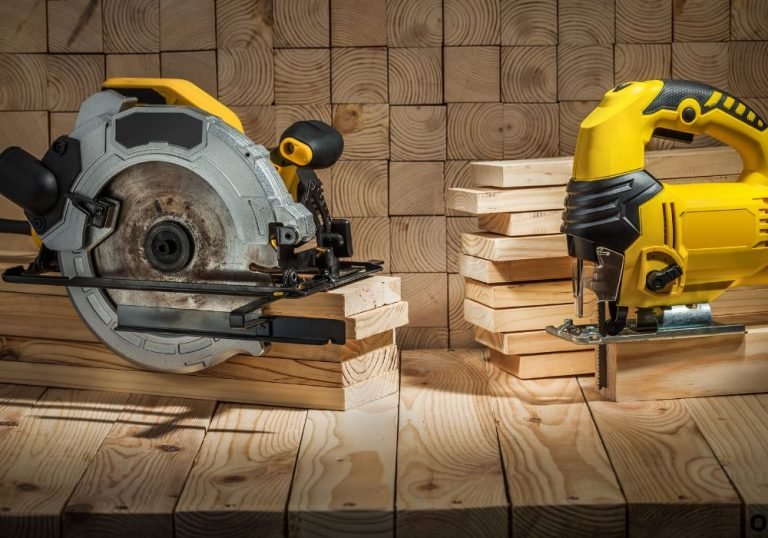
A mini circular saw is a compact handheld cutting tool designed for precise, shallow cuts in wood, plastic, metal, and other materials. It functions just like a standard circular saw but with a smaller motor, smaller blade (3 to 5 inches), and lighter housing.
These saws are ideal for detailed work, quick fixes, and tight-space projects. Most weigh under 5 pounds and can be comfortably operated with one hand, making them a favorite among carpenters, remodelers, and DIY enthusiasts.
Despite their smaller size, mini circular saws still reach impressive speeds — often 3,500 to 5,000 RPM — ensuring smooth, clean cuts on thin materials.
How a Mini Circular Saw Works
The mini circular saw works on the same principle as its full-sized counterpart: a rotating blade powered by a direct-drive electric motor cuts through material as it spins.
The blade is attached to an arbor, protected by a retractable guard that reveals the cutting edge when pressure is applied. Some models are corded for continuous power, while others are cordless for greater mobility.
Mini circular saws often feature a sidewinder motor layout, where the motor sits parallel to the blade, keeping the tool compact and well-balanced.
Even though they produce less torque than worm-drive saws, their high-speed RPM and light frame make them ideal for smaller, faster jobs.
Main Features of a Mini Circular Saw
Mini circular saws pack remarkable functionality into a small frame. Common features include:
- Compact and Lightweight Design: Usually half the size and weight of standard saws.
- Adjustable Depth Settings: Lets users control how deep the blade cuts.
- Bevel Adjustment: Allows angled cuts up to 45 degrees.
- Ergonomic Handle: One-hand operation with excellent visibility.
- Safety Blade Guard: Retracts smoothly to expose only the cutting portion.
- Dust Extraction Port: Keeps the work area clean and improves visibility.
These features make the mini circular saw not just smaller, but smarter.
Types of Mini Circular Saws
There are several variations of mini circular saws, each designed for specific use cases.
Compact Handheld Mini Circular Saw
This is the most common type, used for general DIY cutting tasks. It’s small enough to maneuver easily yet powerful enough for most home projects.
Plunge Mini Circular Saw
Allows you to start a cut in the middle of a surface instead of at the edge. Perfect for flooring and panel work.
Cordless Mini Circular Saw
Powered by lithium-ion batteries, these models are extremely portable and suitable for outdoor or on-the-go use.
Mini Tile and Metal-Cutting Saws
Specialized versions with diamond or carbide-tipped blades for cutting tiles, aluminum, or thin metal sheets.
Each type balances speed, power, and precision differently — choose based on your project needs.
What Materials Can a Mini Circular Saw Cut
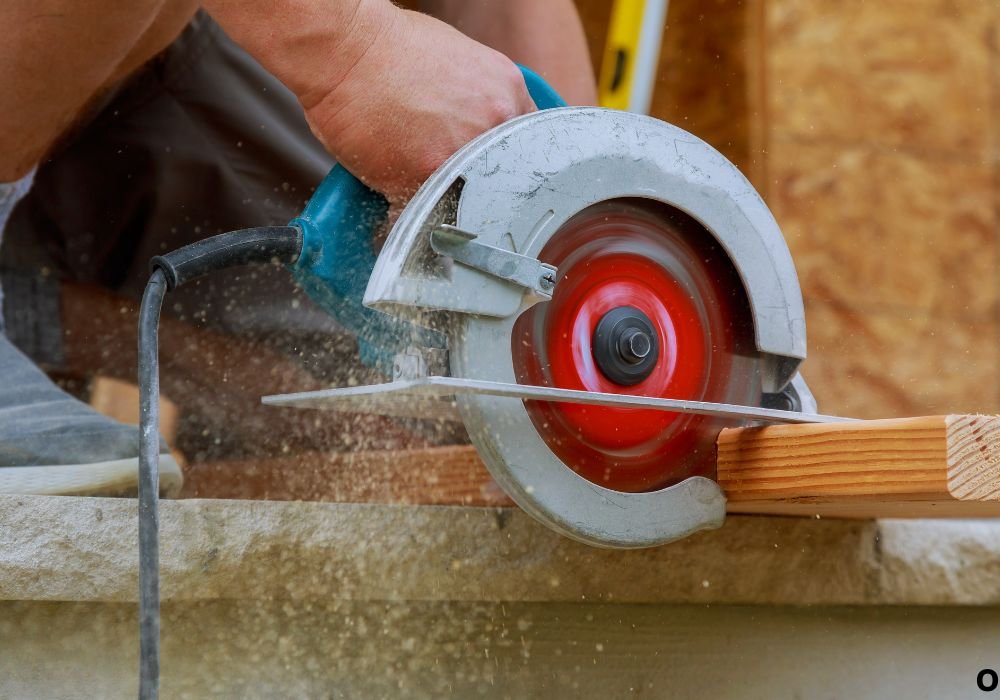
Mini circular saws may be small, but their versatility is impressive. With the right blade, they can cut:
- Wood and Plywood: Ideal for furniture, trim, and flooring.
- MDF and Particleboard: Produces smooth, chip-free edges.
- PVC and Plastic: Great for plumbing and decorative panels.
- Laminate and Vinyl: Excellent control for detailed edges.
- Soft Metals (Aluminum, Copper): Requires fine-tooth or carbide blades.
- Tile and Masonry: Diamond-tipped blades handle these with ease.
Always ensure the blade matches the material — that’s the key to performance and safety.
Advantages of Using a Mini Circular Saw
Mini circular saws deliver several unique benefits that larger models simply can’t match.
- Lightweight and Portable: Easy to carry, store, and operate.
- Precision Cutting: Perfect for small, detailed tasks.
- Quick Setup: No complex adjustments or heavy stands.
- Ease of Use: Beginner-friendly with minimal kickback.
- Versatility: Cuts wood, metal, plastic, and tile with the right blade.
- Less Fatigue: Comfortable for prolonged or overhead use.
- Cost-Effective: Generally cheaper than full-size saws.
For home projects, repair work, or small-scale professional jobs, mini saws combine efficiency and control like no other.
Limitations of Mini Circular Saws
While these tools are convenient, they have some limits.
- Cutting Depth: Most can only cut 1 to 1.5 inches deep, making them unsuitable for thick lumber.
- Reduced Torque: Not ideal for dense hardwoods or structural beams.
- Battery Life (Cordless Models): Shorter runtime than plug-in tools.
- Less Stable for Long Cuts: Smaller base plate can drift without proper support.
In short, mini circular saws are built for precision, not power. They’re excellent complements to larger saws — not full replacements.
Mini Circular Saw vs Standard Circular Saw
| Feature | Mini Circular Saw | Standard Circular Saw |
| Blade Size | 3 – 5 inches | 7¼ inches (average) |
| Cutting Depth | 1 – 1.5 inches | 2 – 3 inches |
| Weight | 3 – 5 lbs | 8 – 12 lbs |
| Speed (RPM) | 3,500 – 5,000 | 4,000 – 6,000 |
| Best For | Trim, flooring, light DIY | Framing, decking, heavy cuts |
| Ease of Use | Very high | Moderate |
| Portability | Excellent | Limited |
The mini version wins in comfort and convenience, while the full-sized saw dominates in raw power and depth.
Safety Tips for Mini Circular Saw Users
Power tools demand respect, no matter their size. Keep these precautions in mind:
- Always wear safety glasses and hearing protection.
- Clamp your material securely before cutting.
- Use both hands when possible for stability.
- Let the blade reach full speed before engaging the material.
- Never remove guards or safety switches.
- Keep fingers at least 2 inches away from the blade path.
- Unplug or remove batteries before changing blades.
A few careful habits can make your cutting experience both safe and efficient.
Maintenance and Blade Care
Regular maintenance ensures long-term precision and safety.
- Clean After Use: Remove sawdust, resin, or debris from vents and blade.
- Inspect Blades: Look for dullness, cracks, or missing teeth.
- Tighten Screws: Check arbor nuts and guards regularly.
- Lubricate Mechanisms: Keep moving parts smooth for consistent operation.
- Store Properly: Hang or case the saw to prevent moisture damage.
- Charge Batteries Fully: For cordless versions, full cycles extend lifespan.
Well-maintained mini circular saws can last for many years without performance loss.
Best Uses for Mini Circular Saws
These small saws are surprisingly versatile across multiple applications.
- Flooring and Trimming: Great for laminate, vinyl, and edge finishing.
- Home Repairs: Quick cuts on drywall, baseboards, or shelving.
- DIY Furniture: Accurate cuts for craft wood and assembly parts.
- Electrical and Plumbing Work: Easily cuts openings for outlets and pipes.
- Tight-Space Jobs: Perfect when a full-size saw won’t fit.
- Model Making or Crafts: Offers finesse and precision.
For every small project where accuracy matters more than depth, the mini circular saw shines.
How to Choose the Right Mini Circular Saw
Selecting the right model ensures the best performance for your needs.
- Blade Size: Choose 3-inch for lightweight work, 4-inch for versatility, and 5-inch for more depth.
- Motor Power: At least 3–4 amps (corded) or 18–20 V (cordless).
- Ergonomics: Look for rubberized grips and good balance.
- Dust Collection: A must-have for indoor cutting.
- Safety Features: Trigger lock, blade guard, and depth adjustment.
- Brand Reliability: Reputable brands ensure parts availability and durability.
The right combination of power, design, and safety features makes cutting effortless.
Mini Circular Saw Blades Explained
Mini circular saws use smaller blades but with similar material composition to standard versions.
- High-Speed Steel (HSS): Best for wood and soft plastics.
- Carbide-Tipped: Ideal for hardwoods, laminate, and aluminum.
- Diamond-Tipped: Required for tile, marble, and concrete.
- Multi-Material Blades: Good for general use but wear faster.
Always match the blade to the material for the best finish and longest blade life.
Ergonomics and Handling Benefits
Mini circular saws are designed for comfort. Their center-balanced design reduces wrist strain, while soft-grip handles make one-hand use easy.
The low-profile body offers excellent visibility of the cut line, improving accuracy and reducing rework. These features make them ideal for prolonged use or fine detail work that requires steady hands.
Corded vs Cordless Mini Circular Saws
Both versions have unique strengths.
- Corded Models: Offer consistent power, perfect for long cutting sessions.
- Cordless Models: Provide freedom of movement, ideal for on-site work or outdoor use.
Modern lithium-ion batteries allow cordless saws to rival corded power, though runtime depends on battery capacity and material hardness.
FAQs About Mini Circular Saws
What size blade does a mini circular saw use?
Typically between 3 and 5 inches, depending on the model.
How deep can a mini circular saw cut?
Most models cut up to 1 ½ inches deep.
Can it cut metal or tile?
Yes, with carbide-tipped or diamond-rim blades designed for those materials.
Are mini circular saws safe for beginners?
Absolutely. Their small size, light weight, and reduced kickback make them beginner-friendly.
How long does a cordless battery last?
Usually 30–60 minutes of continuous cutting, depending on material and battery size.
Can I use standard circular saw blades?
No, mini saws require smaller, specific blade diameters.
Do mini circular saws need lubrication?
No lubrication is required; just keep them clean and dry.
Can it make bevel cuts?
Yes. Most models have adjustable bases that allow bevel cuts up to 45°.
What’s the best use case for mini circular saws?
Quick trimming, flooring, and light wood or metal cutting where accuracy is essential.
Are they durable enough for professional use?
High-quality models are, though large-scale construction still favors full-sized saws.
Conclusion – Precision and Portability in One Tool
The mini circular saw proves that size doesn’t define capability. Compact, powerful, and incredibly versatile, it brings professional-grade precision to any workspace — whether in a garage, a workshop, or a construction site.
Its design emphasizes comfort and control while maintaining enough cutting power for most household and renovation tasks. From flooring to furniture, a mini circular saw handles details with the confidence of a full-sized tool — without the weight or complexity.
If you value precision, efficiency, and convenience, the mini circular saw deserves a permanent place in your toolkit. It’s not just a smaller saw; it’s a smarter way to cut.

I’m Michael R. Turner, the founder, lead writer, and passionate DIY enthusiast behind 101diytools.com. With years of hands-on experience in home improvement and power tools, I built this platform to share practical tips, in-depth guides, and honest reviews to help DIYers of all skill levels tackle projects with confidence and the right tools.