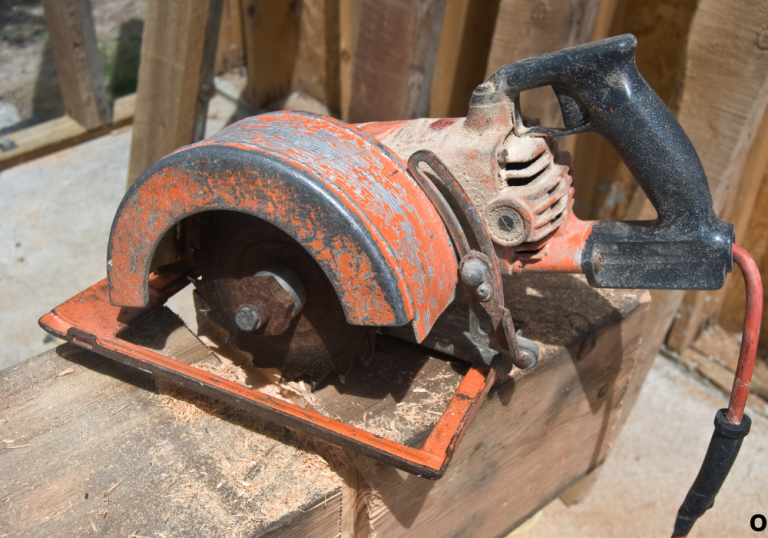
What is a Hypoid Circular Saw Explained Simply for You
A hypoid circular saw is a high-performance circular saw characterized by its innovative hypoid gearing system, which efficiently transfers power to the blade. This distinct gear design provides superior torque, smoother operation, and enhanced durability, making it an excellent choice for demanding cutting tasks and professional applications. Often more compact and lighter than traditional worm drive saws, it offers powerful performance with reduced maintenance.
Hey there, fellow makers and DIY enthusiasts! Have you ever found yourself in the middle of a project, pushing your trusty circular saw through a thick piece of lumber, only to feel it bog down, perhaps even smoke a little? Or maybe you’re a professional framer staring down a pile of wet, pressure-treated wood, knowing your standard saw just won’t cut it (pun intended!). If you’ve nodded along to any of these scenarios, then you’ve probably encountered the limits of an ordinary circular saw. But what if there was a tool designed to tackle these challenges with power, precision, and surprising grace?
Enter the hypoid circular saw. It’s a tool that often flies under the radar for many home users but is a true workhorse on professional job sites. While it might look similar to other circular saws at first glance, there’s a unique secret hidden inside its gearbox that makes all the difference. This isn’t just another power tool; it’s a marvel of engineering designed to deliver maximum torque and durability, especially when the going gets tough.
Today, we’re going to pull back the curtain on this powerful cutting machine. We’ll explore what makes a hypoid circular saw stand out, why so many pros swear by it, and whether it’s the right addition to your toolkit. Forget the technical jargon; we’re going to explain it simply, like friends chatting over a cup of coffee. By the end of this, you’ll not only understand what a hypoid saw is but also appreciate the raw power and ingenious design behind it.
Key Takeaways
- Hypoid Gears: Deliver unmatched torque and durability for tough cuts.
- Efficient Power: Motor parallels blade for direct, powerful force.
- Heavy-Duty Use: Ideal for demanding, continuous job site applications.
- High Torque Output: Powers through dense, wet, or thick materials easily.
- Less Maintenance: Sealed, oil-filled gearbox ensures lasting performance.
- Left-Blade Advantage: Enhances cut line visibility for most right-handed users.
- Professional Choice: Engineered for rugged reliability and longevity.
📑 Table of Contents
- Understanding the Basics: What is a Hypoid Gear?
- The Heart of the Power: How a Hypoid Circular Saw Works
- Why Choose a Hypoid Circular Saw? Unpacking the Benefits
- Is a Hypoid Circular Saw Right for You? Practical Considerations
- Tips for Using and Maintaining Your Hypoid Circular Saw
- Hypoid Circular Saw vs. Other Saws: A Quick Comparison
- Conclusion
Understanding the Basics: What is a Hypoid Gear?
To truly grasp the magic of a hypoid circular saw, we first need to talk about gears. Don’t worry, we’re not diving into an engineering textbook, just a simple explanation of what makes these saws different from their cousins, the traditional worm drive saws.
Worm Gear vs. Hypoid Gear: A Quick Look
You’re probably familiar with the concept of a worm gear, even if you don’t know the name. In a traditional worm drive saw, the motor is positioned parallel to the blade, and a worm gear (which looks a bit like a screw) meshes with a larger gear that spins the blade. This design is great because it allows for high torque and a compact footprint, making the saw powerful and often well-balanced with a blade on the left side (great for right-handed users for visibility).
Now, imagine that worm gear, but instead of the “worm” and the “wheel” being perfectly centered to each other, their axes are offset. This offset is the defining characteristic of a hypoid gear system. This subtle change might seem minor, but it has significant implications. Because the gears meet at an offset, the hypoid design allows for more tooth contact between the driving gear (pinion) and the driven gear (ring). More contact means a larger surface area to distribute the load, which translates directly into several key advantages.
The Heart of the Power: How a Hypoid Circular Saw Works
The hypoid gearing system is the secret sauce behind the incredible performance of a hypoid circular saw. Unlike standard circular saws, which often use spur gears (found in sidewinder saws) or traditional worm gears, the hypoid design creates a highly efficient power transfer from the motor to the blade. This efficiency is what allows the saw to generate exceptional torque.
Torque, Speed, and Cutting Efficiency
Think of torque as twisting power. When you’re cutting through dense materials like wet lumber, engineered beams, or even masonry with the right blade, you need a lot of twisting power to keep that blade moving without bogging down. A hypoid circular saw excels here. Its gears are designed to transmit power with less friction and more contact, resulting in a smoother, more consistent delivery of torque to the blade. This means less strain on the motor, less heat buildup, and a more effortless cut, even in the most challenging applications. The blade maintains its speed under load, leading to cleaner, faster cuts and less fatigue for the operator.
The “Blade Left” Advantage (or Disadvantage)
One common feature of most hypoid and worm drive saws is their “blade left” configuration. For right-handed users, this means the blade is on the left side of the motor, offering a clear line of sight to the cutting line when holding the saw with the right hand. This can be a huge ergonomic advantage, allowing for more precise cuts without craning your neck or leaning over the saw. However, for left-handed users, this might feel less natural or even obscure the line of sight, which is an important consideration. It’s all about finding what feels right and safe for you.
Why Choose a Hypoid Circular Saw? Unpacking the Benefits
Now that we understand the internal mechanics, let’s talk about what all that gear magic means for you in practical terms. Why should you consider adding a hypoid circular saw to your arsenal? The benefits are pretty compelling, especially if you tackle demanding projects.
Tackling Tough Materials with Ease
This is where the hypoid circular saw truly shines. Its superior torque output makes it ideal for cutting through materials that would make other saws struggle or even stall. We’re talking about:
- Wet, pressure-treated lumber: notorious for grabbing blades and sapping power.
- Engineered wood products (LVL, glulam): incredibly dense and tough.
- Thick framing timbers: such as 4x or 6x material.
- Concrete forms and composite decking: requiring consistent power through abrasive materials.
The ability to power through these materials consistently and smoothly means less frustration, faster work, and a higher quality finish for your cuts. It’s about working smarter, not harder.
Built to Last: Durability You Can Trust
The unique design of hypoid gears isn’t just about power; it’s also about longevity. Because of the larger contact area between the gear teeth, the stress is distributed more evenly across the gears. This reduces wear and tear significantly compared to other gear types. Less wear means the gears last longer, the saw maintains its performance over years of heavy use, and you’ll spend less time and money on repairs or replacements. Many hypoid saws also feature sealed gear housings, which require gear oil (just like your car’s differential), further protecting the gears and ensuring smooth operation for a very long time. This makes the hypoid circular saw a true investment tool.
Other Notable Advantages:
- Smoother Operation: The efficient gear meshing results in less vibration during cuts, which contributes to greater comfort and control.
- Better Balance: Many hypoid saws, like their worm drive counterparts, are designed with a rear-handle configuration and a lower center of gravity. This often makes them feel incredibly stable and balanced during operation, reducing user fatigue over long periods.
- Enhanced Safety: Often, these saws come equipped with features like electric brakes that stop the blade quickly, adding an extra layer of safety, especially critical for powerful tools.
Is a Hypoid Circular Saw Right for You? Practical Considerations
So, after hearing all about its strengths, you might be thinking, “Do I need a hypoid circular saw?” The answer, as with many tools, depends on your specific needs and the types of projects you tackle.
When Power Matters Most
A hypoid saw is typically overkill for the occasional DIY project that involves cutting thinner plywood or standard 2x4s. However, if you’re a:
- Professional framer or builder: Absolutely. The speed, power, and durability will save you time and effort on the job site every single day.
- Serious DIYer or remodeler: If your projects frequently involve structural lumber, decking, or large-scale renovations, the investment will pay off in performance and reliability.
- Someone who values long-term durability: If you want a saw that will stand up to years of demanding use without faltering, the robust construction of a hypoid saw is a major plus.
If you find your current saw constantly struggling, overheating, or simply not getting the job done efficiently, then a hypoid circular saw might be the upgrade you’ve been looking for.
Weighing the Investment: Cost vs. Value
It’s true that a hypoid circular saw typically comes with a higher price tag than a standard sidewinder saw. This is due to the more complex and durable gearing system, along with the robust construction required to harness that power. You’ll also find that they are generally heavier than sidewinder saws, which can be a factor for portability or if you’re working overhead frequently.
However, when you consider the increased productivity, the reduced wear and tear on the tool (meaning fewer replacements), and the sheer capability to tackle challenging cuts with ease, the value often outweighs the initial cost for those who truly need its power. Think of it as an investment in efficiency and longevity.
Tips for Using and Maintaining Your Hypoid Circular Saw
Owning a powerful tool like a hypoid circular saw means understanding how to use it safely and effectively, and how to keep it in peak condition. It’s an investment, so let’s protect it!
Getting the Best Out of Your Cuts
- Choose the Right Blade: Even the most powerful saw needs the right blade. Use blades specifically designed for the material you’re cutting (e.g., framing blades for rough cuts, finish blades for smoother edges, specialty blades for composites). A sharp, appropriate blade enhances performance and safety.
- Maintain a Firm Grip: Due to their power and weight, always ensure a firm, two-handed grip on your saw. Its inherent balance helps, but your stability is key.
- Let the Saw Do the Work: Don’t force the saw through the material. The hypoid gearing provides ample torque, so allow the blade to cut at its own pace. Pushing too hard can lead to kickback, poor cut quality, and unnecessary strain on the motor.
- Support Your Workpiece: Always ensure your material is properly supported to prevent pinching the blade, which is a major cause of kickback and can damage your saw.
Keeping Your Saw in Top Shape
- Regular Cleaning: Sawdust and debris can build up in the motor vents and around the blade guard. Keep your saw clean, especially after dusty jobs, to prevent overheating and ensure smooth operation of moving parts.
- Check Gear Oil (If Applicable): Some models of hypoid circular saw require occasional gear oil checks and changes, similar to a car’s differential. Consult your owner’s manual for specific instructions and frequency. This is crucial for the longevity of the gears.
- Inspect Power Cord: Regularly check the power cord for any cuts, fraying, or damage. A damaged cord is a serious safety hazard.
- Blade Maintenance: Replace dull or damaged blades promptly. A dull blade forces the saw to work harder, reduces cut quality, and increases the risk of kickback.
- Store Properly: Keep your saw in a dry, clean environment, away from moisture and extreme temperatures, to prevent corrosion and damage.
Hypoid Circular Saw vs. Other Saws: A Quick Comparison
To help you decide, let’s put the hypoid circular saw in context with its most common circular saw relatives: the traditional worm drive and the sidewinder (direct drive) saws. This table highlights the key differences that might influence your choice.
| Feature | Hypoid Circular Saw | Worm Drive Circular Saw | Sidewinder Circular Saw |
|---|---|---|---|
| Gear Type | Hypoid Gears (offset axes) | Worm Gears (aligned axes) | Spur Gears (direct drive) |
| Motor & Blade Orientation | Motor parallel to blade, gears transmit power at 90 deg, blade-left | Motor parallel to blade, gears transmit power at 90 deg, blade-left | Motor perpendicular to blade, direct drive, blade-right (usually) |
| Torque & Power | Highest torque, exceptional power and efficiency | High torque, very powerful, robust | Good power, lower torque than worm/hypoid, faster blade speed |
| Durability | Very high, smooth gear meshing minimizes wear | High, robust design for tough use | Good, less complex gear system, generally lower stress |
| Weight & Balance | Heavier, often rear-handled, excellent balance | Heavier, rear-handled, good balance | Lighter, side-handled, variable balance (can feel top-heavy) |
| Maintenance | Requires occasional gear oil check/change (consult manual) | Requires occasional gear oil check/change | Minimal (motor brushes, no gear oil) |
| Ideal Use | Heavy-duty framing, wet lumber, concrete forms, consistent demanding work, optimal longevity | Heavy-duty framing, wet lumber, consistent demanding work | General carpentry, lighter framing, DIY, portability, fastest blade stop |
Conclusion
So, there you have it – the mighty hypoid circular saw, explained simply for you. What initially seemed like a mysterious, specialized tool is actually a powerhouse designed with clever engineering to overcome the toughest cutting challenges. Its unique hypoid gearing delivers superior torque, enhanced durability, and a smoother cutting experience that sets it apart from other circular saws.
While it might be a bit heavier and often carries a higher price tag, the investment in a hypoid circular saw is an investment in capability, efficiency, and longevity. If your projects demand consistent power, if you frequently tackle dense or wet materials, or if you simply appreciate owning tools that are built to last through years of rigorous use, then a hypoid saw is undoubtedly a tool worth considering. It’s more than just a saw; it’s a trusted partner that empowers you to cut with confidence, no matter how tough the job.
Frequently Asked Questions
What is a Hypoid Circular Saw?
A hypoid circular saw is a powerful cutting tool distinguished by its unique hypoid gear system, a type of spiral bevel gear. This innovative gearing allows for greater contact area between the gears, leading to more efficient power transfer and increased torque to the blade.
How does a hypoid circular saw differ from other types of circular saws?
The primary difference lies in its hypoid gearing, which positions the motor behind the blade and transfers power at an offset angle. This contrasts with direct-drive sidewinders and even traditional worm drives, offering a unique combination of balance, power, and often a more compact gearbox design.
What are the key advantages of using a hypoid circular saw?
Hypoid circular saws are renowned for their exceptional torque, making them ideal for tough cuts in dense or wet lumber and engineered wood products. Their robust gearing system also contributes to greater durability and a longer lifespan, especially under heavy, continuous use.
Are hypoid circular saws typically heavier than other circular saws?
Yes, hypoid circular saws generally tend to be heavier than standard sidewinder circular saws due to their sturdy motor and intricate hypoid gear system. This added weight can provide stability during cuts but may also contribute to user fatigue during prolonged operation.
What kinds of projects are best suited for a hypoid circular saw?
Hypoid circular saws excel in heavy-duty applications such as framing, cutting thick lumber, engineered wood products (like LVL and glulam), and demolition work. Their high torque and robust construction make them a favorite on professional job sites where power and reliability are paramount.
Do hypoid circular saws require specific maintenance procedures?
Many hypoid circular saws, similar to worm-drive saws, utilize an oil bath system to lubricate their gears, which may require periodic oil checks or changes. Always refer to your specific hypoid saw’s user manual for precise maintenance instructions to ensure optimal performance and longevity.

I’m Michael R. Turner, the founder, lead writer, and passionate DIY enthusiast behind 101diytools.com. With years of hands-on experience in home improvement and power tools, I built this platform to share practical tips, in-depth guides, and honest reviews to help DIYers of all skill levels tackle projects with confidence and the right tools.