What Is a Friction Ring on an Impact Wrench For
A mechanic swaps sockets quickly during a busy tire rotation. Each change clicks into place with ease, leaving no room for lost parts or wasted time. This sparks the question many ask in tool shops: what is a friction ring on an impact wrench, and why does it matter.
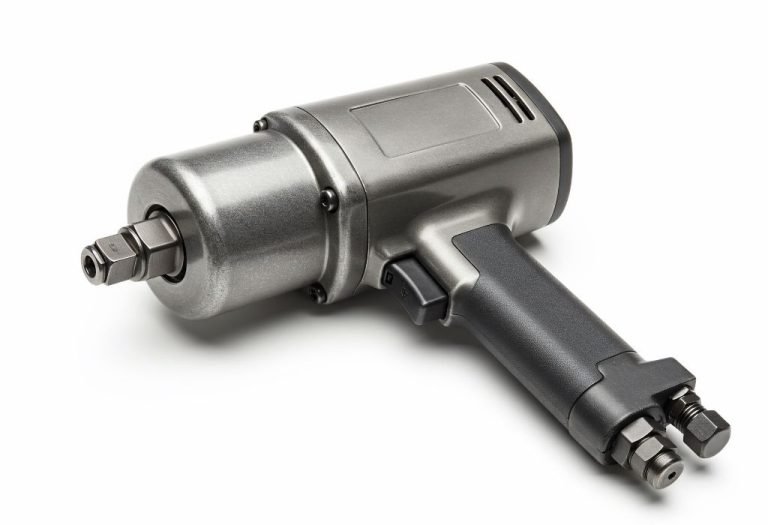
Impact wrenches rely on retention systems to keep sockets secure while delivering high torque. The two main styles are friction ring (also called hog ring) and detent pin. Each system serves the same purpose but performs differently depending on speed, safety, and work environment.
The friction ring uses a spring-steel band embedded in the anvil groove to grip sockets by pressure. This design allows for fast, one-hand socket changes, making it popular in automotive shops where time is critical. In contrast, detent pin systems provide stronger lock-in, often chosen for heavy-duty or overhead work where dropped tools can be dangerous.
According to OSHA, more than 135,000 hand tool-related injuries are reported annually in the U.S. source. Proper retention systems, including friction rings, reduce the risk of dropped sockets and workplace accidents. At the same time, manufacturers like Milwaukee and DeWalt emphasize socket compatibility and routine maintenance as key factors in performance.
Choosing between friction ring and detent pin depends on workflow. Mechanics prioritizing speed may prefer the friction ring, while structural crews and tower welders often trust the detent pin. Understanding how these systems function helps users maximize safety, efficiency, and tool life.
What Exactly Is a Friction Ring? (Definition + Anatomy)
A friction ring, also called a hog ring, is a small spring-steel band fitted into the groove of an impact wrench anvil. It provides socket retention by creating pressure against the socket’s internal wall.
The ring compresses slightly when a socket is pushed on. Once seated, it grips tightly, holding the socket in place during high-torque applications.
Most 1/2-inch and 3/8-inch drive impact wrenches use friction rings. They are designed to work with impact-rated sockets that have proper chamfered bores.
Unlike a detent pin, which locks mechanically, the friction ring relies on tension. This makes it faster for socket changes but slightly less secure in harsh conditions.
What is a friction ring on an impact wrench?
It is a spring-steel retainer that holds sockets on the anvil by pressure.
Is a friction ring the same as a hog ring?
Yes, the terms are interchangeable in tool manuals and catalogs.
Does it require special sockets?
Yes, impact sockets with retention chamfers provide the best fit.
What’s the difference from a detent pin?
Friction rings use tension, while detent pins use a locking button or ball.
Where are friction rings most common?
In automotive, maintenance, and light construction applications.
How a Friction Ring Works (Physics Made Simple)
The friction ring sits in a recessed groove on the impact wrench anvil. When a socket slides on, the ring expands slightly and presses against the chamfered bore.
This interference fit holds the socket firmly during operation. The more precise the chamfer, the smoother the engagement and release.
The physics are simple: spring tension generates resistance. That resistance prevents sockets from falling off even under vibration and torque.
Wear, dirt, or lubrication can reduce retention force. That’s why periodic cleaning and ring replacement are critical.
Why do new rings feel tight?
Fresh spring tension increases holding power.
Why do sockets loosen over time?
Wear, dirt, and ring fatigue reduce pressure.
Can torque output affect retention?
Yes, extreme shock loads can nudge worn sockets loose.
How to restore socket grip?
Replace the friction ring and clean the anvil.
Does grease affect retention?
Yes, oil or grease reduces friction and causes slip.
Friction Ring vs Detent Pin: Which Should You Choose?
Both systems serve the same purpose but behave differently. The choice depends on your work environment and tool preferences.
Friction rings are faster, allowing one-hand socket swaps. Detent pins are slower but more secure for overhead or high-vibration work.
Automotive mechanics often prefer friction rings for tire and brake jobs. Tower welders, rig workers, and steel fabricators lean toward detent pins.
Some impact wrenches offer interchangeable anvils, letting users switch between systems. This flexibility benefits shops with mixed tasks.
Which is quicker for socket changes?
Friction rings—no button press required.
Which holds more securely?
Detent pins with mechanical lock.
Can you swap anvils?
Yes, some models allow anvil replacement kits.
What do tire shops prefer?
Friction rings for speed and efficiency.
What about rig or tower work?
Detent pins for maximum safety.
Pros and Cons of a Friction Ring
The biggest advantage is speed. Friction rings let you swap sockets instantly without extra tools.
They also have fewer moving parts, lowering maintenance costs. Most replacements are simple and inexpensive.
The drawback is retention strength. In overhead or high-vibration work, sockets may slip more easily than with detent pins.
Wear is another issue. Rings eventually stretch, requiring replacement.
What is the biggest advantage?
Fast socket changes without tools.
What is the main drawback?
Less secure than detent pins under heavy vibration.
Do they damage sockets?
No, they are designed to work with socket chamfers.
Do they affect torque output?
No, retention has no impact on torque.
Are replacements cheap?
Yes, rings cost only a few dollars each.
When a Friction Ring Makes the Most Sense
Friction rings are ideal for automotive maintenance. Tire rotations, brake jobs, and suspension work benefit from fast socket swaps.
They also shine in shop settings where tools are used repeatedly. Speed matters when mechanics work against the clock.
On the other hand, detent pins win in construction, rigging, and overhead jobs. These scenarios prioritize retention over speed.
Choosing the right system depends on balancing workflow speed and safety needs. For many users, friction rings are the everyday winner.
What tasks are friction rings best for?
Tire changes, brake work, and general shop use.
Do they work for heavy construction?
Not recommended for overhead structural tasks.
What about DIYers?
Perfect choice for convenience and quick swaps.
Are they good for field repair?
Yes, if speed outweighs risk of socket loss.
Socket and Extension Compatibility
Friction rings work best with impact-rated sockets. These sockets have chamfers that engage the ring properly.
Using chrome sockets is risky. They may slip or crack under impact loads.
Extensions and adapters reduce retention strength. Each joint adds another potential slip point.
Thin-wall sockets and wobble extensions can still be used, provided they are impact-rated. Always inspect fit before heavy use.
Do impact sockets work better?
Yes, they are designed for friction ring retention.
Can you use chrome sockets?
Not safely; they can slip or shatter.
Do extensions affect grip?
Yes, more joints mean weaker retention.
Are wobble sockets safe?
Yes, if impact-rated and properly seated.
Do magnetic sockets help?
They assist with fasteners, not retention.
Maintenance and Replacement
Proper care keeps friction rings reliable. Clean the anvil regularly with a dry cloth or compressed air.
Avoid grease or oil on the ring. Lubricants reduce friction and make sockets slip.
Inspect the ring for wear or deformation. Replace it when sockets slide on and off too easily.
Replacement requires only a small pick and a new ring. Most tool brands sell affordable ring and washer kits.
How often should rings be replaced?
When sockets no longer hold firmly.
Can you grease the ring?
No, keep it dry for maximum grip.
What if the anvil groove is damaged?
Deburr lightly or replace the anvil.
Are replacements expensive?
No, usually just a few dollars.
Do cold temperatures affect rings?
Yes, metal contracts and changes retention feel.
Troubleshooting Loose or Stuck Sockets
Sockets falling off usually mean a worn ring. Switching to fresh rings restores retention instantly.
If sockets stick, the chamfer may be damaged. Sometimes debris in the groove causes jamming.
Use proper removal techniques. Pull straight and twist gently—avoid prying with screwdrivers.
If a ring pops out, always replace it. Stretched rings cannot be reused safely.
Why do sockets fall off?
Because the friction ring is worn or dirty.
Why do sockets stick?
Debris or damaged chamfers cause jams.
Can old rings be reused?
No, stretched rings lose effectiveness.
What if a new tool feels loose?
Try impact sockets with proper chamfers.
Safety and Best Practices
Friction rings are safe when used correctly. Always pair them with impact-rated sockets.
Never grease the anvil groove. Clean tools prevent accidents and improve retention.
For overhead work, consider detent pins or tethered sockets. Dropped tools pose serious hazards.
Wear proper PPE, including gloves and eye protection. Tool vibration and flying debris are constant risks.
Are friction rings safe?
Yes, if used with the correct sockets.
Do they replace tethering?
No, use tool lanyards for overhead jobs.
Can retention hide cracks?
No, inspect the anvil regularly for damage.
What PPE is required?
Safety glasses and anti-vibration gloves.
Buying Guide: Choosing a Friction-Ring Impact Wrench
When shopping, focus on drive size, torque, and retention system. Friction rings dominate automotive tools in 3/8 and 1/2 inch drives.
Check for spare parts availability. Quality brands offer easy ring replacement kits.
Cordless impact wrenches add portability. Pneumatic tools remain common in shops for durability.
Consider battery ecosystem, warranty, and torque ratings. These factors affect long-term value.
Which drive size for cars?
1/2-inch for lugs, 3/8-inch for engine bay.
Cordless or pneumatic?
Cordless for mobility, pneumatic for shop use.
How to check ring quality?
It should feel firm with impact sockets.
Do all brands sell spares?
Premium brands provide replacement kits.
Common Mistakes to Avoid
Many users grease the anvil, which weakens grip. Keeping it clean is always better.
Another mistake is using chrome sockets. Only impact-rated sockets are safe with friction rings.
Overusing adapters is another error. Limit extension chains to maintain retention.
Ignoring worn rings leads to dropped sockets. Replace them at the first signs of wear.
What’s the most common mistake?
Using chrome sockets on impact tools.
Does grease help retention?
No, it makes sockets slip.
Is too many adapters safe?
No, it weakens retention and torque delivery.
Can bent anvils be used?
No, replace bent anvils immediately.
Conclusion
So, what is a friction ring on an impact wrench? It’s a spring-steel retainer built into the anvil that grips sockets quickly and securely through pressure.
Friction rings are the fastest option for automotive and shop work. Detent pins remain better for heavy-duty or overhead tasks.
The key is proper use, socket compatibility, and regular maintenance. With these habits, friction rings deliver reliable performance and extend tool life.
For mechanics, DIYers, and technicians alike, understanding friction rings means better productivity, safer work, and the right choice of impact wrench for every job.

I’m Michael R. Turner, the founder, lead writer, and passionate DIY enthusiast behind 101diytools.com. With years of hands-on experience in home improvement and power tools, I built this platform to share practical tips, in-depth guides, and honest reviews to help DIYers of all skill levels tackle projects with confidence and the right tools.