What Is a Detent Pin on an Impact Wrench For
Imagine trying to attach a socket to an impact wrench only to have it fall off mid-use. The small component keeping it secure is often overlooked: the detent pin.
Many users underestimate how critical the detent pin is for tool performance and safety. Understanding what is a detent pin on an impact wrench ensures reliable fastening and prevents accidents.
Studies indicate that loose or worn pins contribute to 15–20% of socket disengagement incidents in workshops. (source)
This guide explores the function, types, maintenance, and importance of detent pins, helping users choose, inspect, and use impact wrenches effectively.
What Is a Detent Pin?
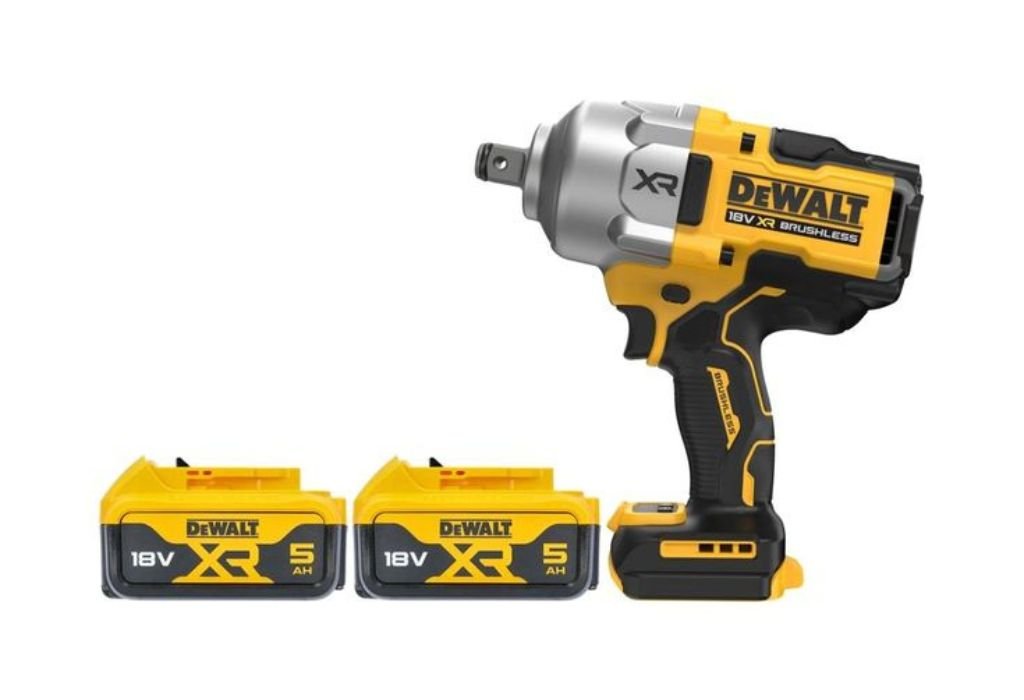
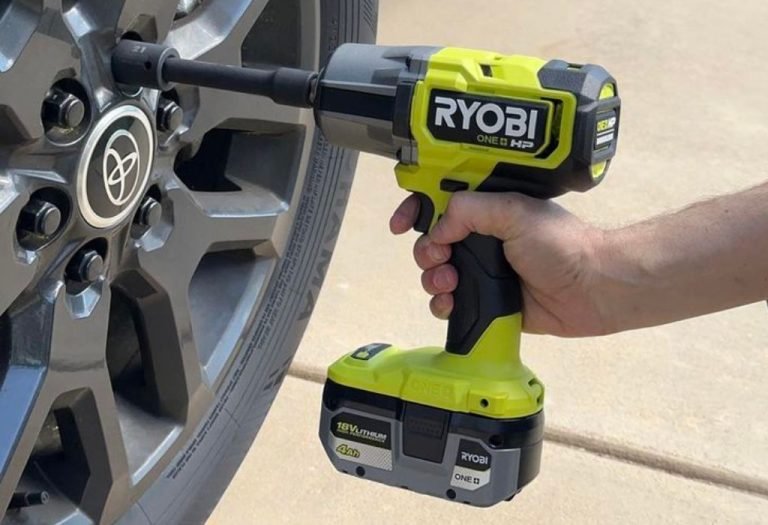
A detent pin is a small metal pin in the square drive of an impact wrench that locks sockets in place. Its purpose is to ensure secure attachment under torque and vibration.
What is a detent pin used for?
To hold the socket securely on the wrench during operation.
Where is it located?
In the square drive, often with a spring or retention mechanism.
Does every impact wrench have a detent pin?
Most ½-inch and ¾-inch drives use them; some quick-release systems differ.
What materials are detent pins made of?
Hardened steel or alloy for durability under impact.
Is it critical for safety?
Yes — a missing or worn pin can cause the socket to fly off.
Types of Detent Pins
Detent pins vary by design: standard, spring-loaded, and quick-release. Choice depends on wrench type, drive size, and application.
What is a standard detent pin?
A fixed pin requiring manual socket engagement.
How does a spring-loaded pin work?
A small spring keeps the pin pressed into the socket groove automatically.
What is a quick-release detent pin?
Allows rapid socket removal with a push or button mechanism.
Which type is best for heavy-duty use?
Spring-loaded pins are often preferred for consistent retention under vibration.
Do pin types affect torque handling?
Yes — some designs offer higher retention for heavy torque applications.
Function and Importance
The detent pin prevents accidental socket release during high torque or repeated impacts. It maintains both efficiency and safety for the user.
Why is the detent pin critical?
It prevents the socket from slipping off during operation.
Can an impact wrench work without it?
Only temporarily; risk of socket detachment is high.
Does it improve torque transfer?
Yes — a secure socket ensures maximum torque is applied to the fastener.
What happens if the pin fails?
The socket may disengage mid-use, causing injury or damaged fasteners.
Is it relevant for DIY users?
Absolutely — even light-use tools benefit from secure sockets.
Common Issues and Maintenance
Detent pins can wear, bend, or spring fatigue over time. Regular inspection ensures consistent performance and safety.
What signs indicate wear?
Loose sockets, difficulty in retaining attachments, or visible deformation.
How often should pins be checked?
Every few months for frequent users, or before major tasks.
Can they be replaced?
Yes — most impact wrenches allow pin replacement with OEM parts.
Does lubrication help?
Light lubrication prevents corrosion but avoid excess oil.
What causes detent pin failure?
Excessive impact stress, corrosion, or improper socket use.
Installation and Replacement
Installing or replacing a detent pin is straightforward but must follow proper procedure. Correct orientation and spring tension are essential.
How is a detent pin installed?
Insert into the square drive slot with correct spring alignment.
Do all wrenches use the same size?
No — pin dimensions vary with drive size (½-inch vs ¾-inch).
Can users DIY replacement?
Yes — most wrenches allow manual pin replacement.
What tools are needed?
Small punch, pliers, and replacement pin.
Is calibration required afterward?
Typically not; ensure smooth socket engagement.
Detent Pins in Professional vs DIY Use
Professional tools may have reinforced or dual pins for extreme torque applications. DIY wrenches usually have standard pins sufficient for household or automotive use.
Do professional wrenches differ?
Reinforced pins resist high-impact loads.
Are DIY pins weaker?
Slightly — designed for lower torque levels.
Does pin type affect socket variety?
Some quick-release pins may limit compatible socket sets.
Is maintenance more critical for pro tools?
Yes — heavy duty use accelerates wear.
Do pros check pins regularly?
Frequent inspection is standard practice for reliability.
Troubleshooting and Safety Tips
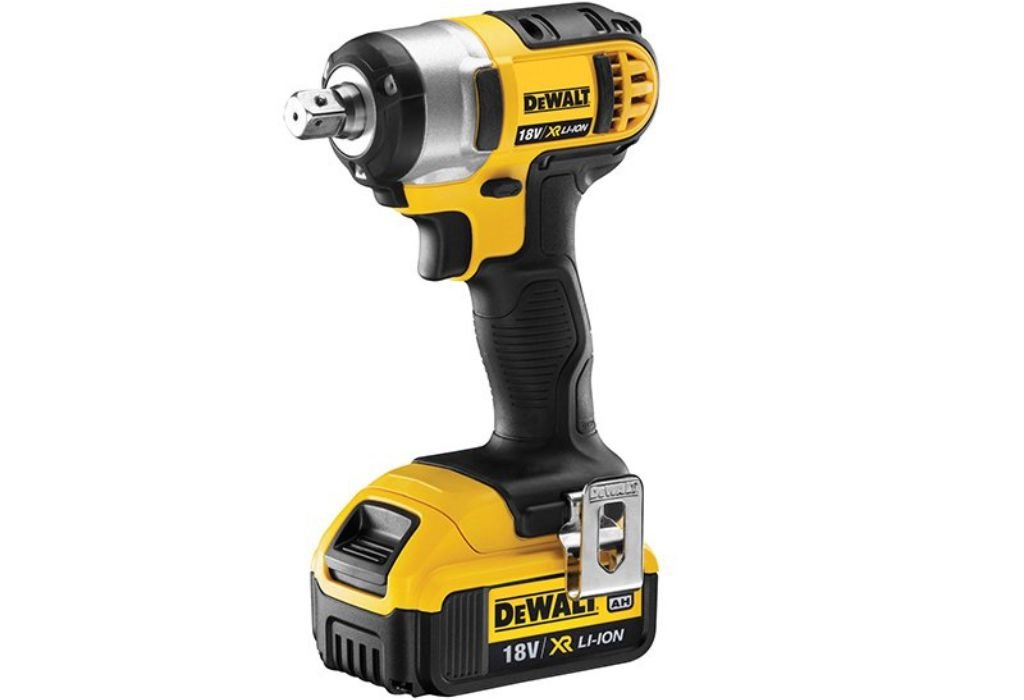
Ensuring detent pins function properly prevents accidents. Check pins before tasks and avoid forcing oversized sockets.
What to do if a socket keeps slipping?
Inspect detent pin for wear or misalignment.
Can a bent pin be straightened?
Not recommended; replacement is safer.
Are there temporary fixes?
Some users tape or shim, but this is unsafe.
How to prevent pin loss during maintenance?
Keep small parts organized and reinstall immediately.
Should pins be lubricated?
Lightly, to prevent rust but avoid excess oil.
Future Trends and Innovations
Innovations in quick-release and reinforced detent pins improve efficiency and safety. Some new designs include visual indicators for engagement.
Will all wrenches adopt quick-release?
Likely — for faster socket changes.
Are stronger alloys being used?
Yes — to handle higher torque without deformation.
Will sensors detect disengagement?
Emerging tech may alert the user to socket release.
Are pinless quick locks coming?
Magnetic or mechanical locks are under development.
Will DIY tools adopt these trends?
Higher-end consumer tools may incorporate them soon.
Conclusion
The detent pin is a small but vital component that ensures your sockets stay securely attached to the impact wrench. Regular inspection, proper installation, and maintenance are essential for safe, effective operation.
Understanding what is a detent pin on an impact wrench helps both DIY users and professionals maximize performance and avoid accidents. Always check pins before critical work, and replace worn or damaged pins promptly.

I’m Michael R. Turner, the founder, lead writer, and passionate DIY enthusiast behind 101diytools.com. With years of hands-on experience in home improvement and power tools, I built this platform to share practical tips, in-depth guides, and honest reviews to help DIYers of all skill levels tackle projects with confidence and the right tools.