What Is a Cordless Impact Wrench Used for Today
Many DIYers and home mechanics purchase an impact wrench expecting speed and convenience. However, without proper knowledge, users often over-tighten fasteners, drain batteries quickly, or damage threads.
The Ryobi impact wrench offers a solution, combining cordless power, precision, and portability. It allows users to complete automotive repairs, furniture assembly, and general home projects efficiently. According to Statista, cordless power tool adoption has increased significantly in recent years, reflecting the growing popularity of tools like Ryobi’s.
By following proper techniques and safety guidelines, you can maximize your Ryobi impact wrench’s performance while extending its lifespan. This article covers setup, operation, torque control, common mistakes, and maintenance practices for both beginners and experienced DIYers.
What Is a Ryobi Impact Wrench?
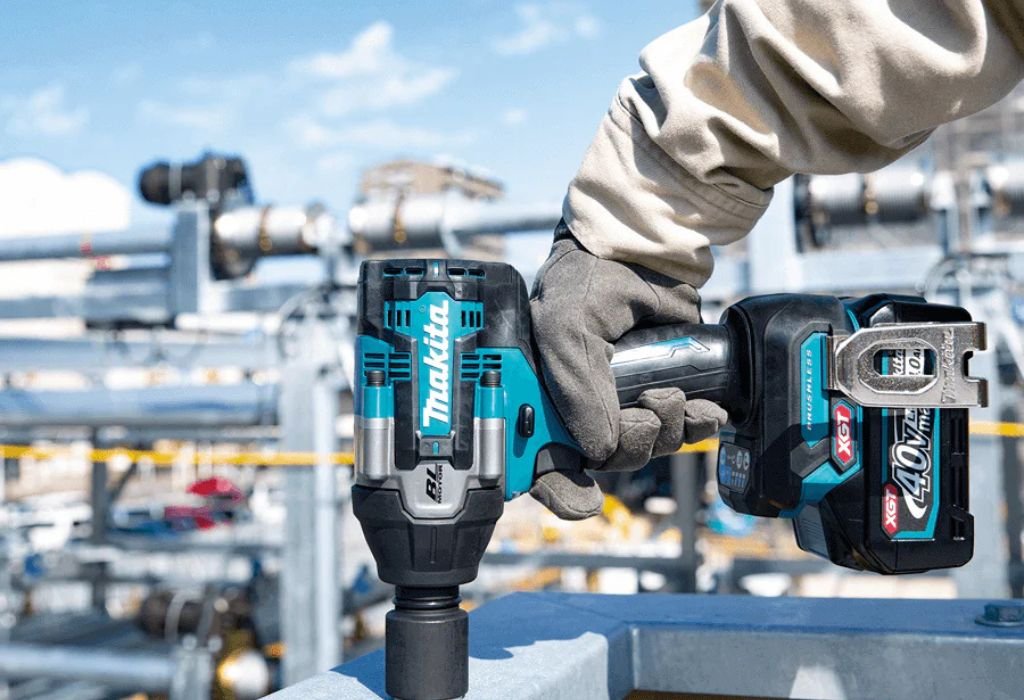
A Ryobi impact wrench is a battery-powered tool designed to deliver high torque for tightening or loosening bolts and nuts. Unlike manual wrenches, it uses a hammer-and-anvil mechanism to generate rotational impacts, reducing effort and increasing efficiency.
What is a Ryobi impact wrench used for?
It is primarily used to remove or tighten fasteners, including automotive lug nuts, furniture bolts, and machinery components.
How does it work?
The internal hammer strikes the anvil rapidly, generating torque while minimizing physical effort.
Is it different from an impact driver?
Yes. Impact drivers are for screws and lighter fasteners, while impact wrenches handle higher torque applications.
Why choose a cordless model?
Cordless models offer mobility, ease of use in tight spaces, and compatibility with Ryobi’s ONE+ battery system.
What are typical torque ranges?
Most DIY-friendly models provide 150–300 ft-lbs, sufficient for home and automotive tasks.
Key Features and Components
Ryobi impact wrenches have several key components:
- Motor: Drives the spindle and anvil; brushless motors increase efficiency and reduce battery consumption.
- Anvil: Transfers torque to the socket.
- Trigger: Controls speed and operation.
- Torque selector: Adjusts impact force for different fasteners.
- Battery: Powers the tool; interchangeable with Ryobi ONE+ tools.
- LED light: Illuminates the work area for precision.
How does a brushless motor help?
Brushless motors generate less heat, are more efficient, and extend battery life.
What battery sizes are available?
2 Ah for light tasks, 4 Ah or higher for longer runtime and heavier projects.
How do torque and speed modes work?
Settings adjust rotation speed and impact force for precise or heavy-duty applications.
What safety features are included?
Overload protection, automatic braking, and torque control to prevent damage and injury.
Preparing Your Ryobi Impact Wrench
Before using your wrench:
- Inspect the tool for damage or debris.
- Fully charge the battery.
- Select the correct socket for your fastener.
- Clear your work area.
- Wear gloves and eye protection.
How to attach the socket?
Push it onto the anvil until it clicks securely.
How to insert or remove the battery?
Slide the battery in until it locks; release using side buttons.
Why is torque adjustment important?
Prevents over-tightening and protects fasteners.
How to test the tool?
Run it briefly on a scrap fastener to ensure proper function.
What safety gear is essential?
Gloves, eye protection, and optional ear protection for high torque.
Step-by-Step Usage
- Select socket size appropriate for the fastener.
- Secure the workpiece with clamps or a vise.
- Adjust torque and speed according to fastener type.
- Position the wrench squarely on the fastener.
- Pull the trigger gently, letting the tool complete its impact cycles.
How to remove a lug nut?
Use the appropriate socket and set high torque; pull the trigger in reverse while holding the tool steady.
How to tighten nuts?
Adjust torque settings to prevent over-tightening; release the trigger once tight.
Trigger control technique?
Apply steady, consistent pressure rather than pulsing.
Battery life per session?
Depends on workload; 4 Ah batteries last for multiple lug nuts or assembly tasks.
Can it be used for small hardware?
Yes, with low torque to prevent damage.
Common Mistakes to Avoid
Avoid over-tightening, using wrong socket sizes, letting the battery fully drain, or holding the trigger too long.
What happens if you over-tighten?
Threads can strip, or bolts can break.
Why is correct socket size crucial?
Wrong size can round off fasteners or damage the tool.
Does low battery affect performance?
Yes, torque may decrease and the tool can stall.
Should you hold the trigger continuously?
No; take breaks to maintain control and prevent motor wear.
Can it drill holes?
No; designed for fastening, not drilling.
Applications
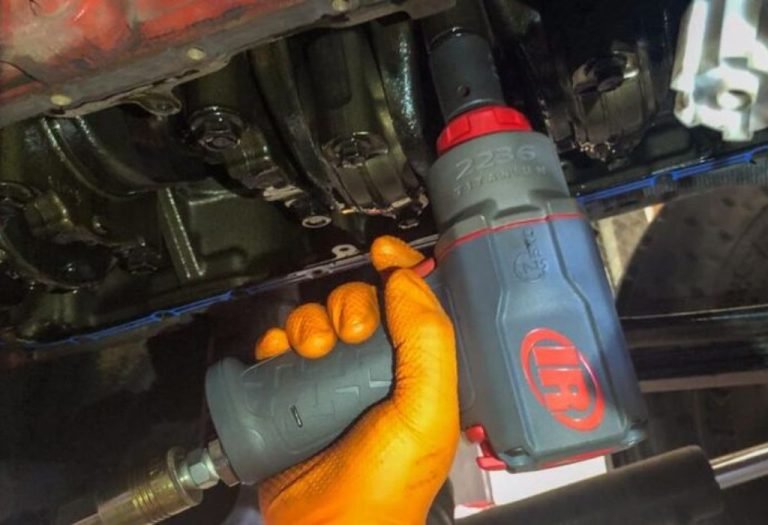
- Automotive: Removing and tightening lug nuts, engine components.
- Furniture assembly: Fastening bolts quickly.
- Deck building: Installing brackets and large bolts.
- Machinery maintenance: Adjusting industrial fasteners.
Is it good for automotive lug nuts?
Yes, perfect for quick wheel changes.
Small engines or bikes?
Yes, with proper socket and torque.
Furniture assembly?
Yes, reduces effort and time.
Best DIY projects?
Home repairs, vehicle maintenance, deck construction.
Outdoor construction?
Yes, cordless operation allows mobility in areas without power outlets.
Maintenance and Battery Care
Clean after use, lubricate moving parts, and store batteries in cool, dry locations. Avoid full depletion to extend lifespan.
How often to clean the tool?
After every use.
Battery storage tips?
Temperature-controlled, disconnected from the tool.
Torque inconsistency?
Check battery and inspect sockets/anvil.
Can it be calibrated?
Some models allow torque calibration.
Battery lifespan?
Typically 3–5 years with proper care.
Troubleshooting
Wrench won’t start?
Check battery charge and placement.
Torque lower than expected?
Battery may be low, or motor components need inspection.
Socket stuck?
Use penetrating oil and gently remove it.
Rapid battery drain?
High torque use, battery age, or improper storage.
Support?
Ryobi service centers or online support (Ryobi Tools).
Safety Tips
- Always wear gloves and eye protection.
- Avoid use near flammable liquids.
- Support overhead work.
- Alternate gripping/resting to prevent strain.
- Stop between impact cycles to maintain control.
Conclusion
The Ryobi impact wrench is a versatile, time-saving tool for DIY and professional projects. Proper setup, torque control, and maintenance ensure safe, efficient operation. From automotive repairs to furniture assembly, mastering its use improves productivity and protects fasteners and tools alike.

I’m Michael R. Turner, the founder, lead writer, and passionate DIY enthusiast behind 101diytools.com. With years of hands-on experience in home improvement and power tools, I built this platform to share practical tips, in-depth guides, and honest reviews to help DIYers of all skill levels tackle projects with confidence and the right tools.