What Is a Cordless Circular Saw and How It Works
Imagine standing in your garage or workshop with a fresh sheet of plywood and no outlet nearby. You reach for a saw that starts instantly, cuts smoothly, and never tangles in cords. That’s the experience of using a cordless circular saw.
For many DIYers and professional builders, this tool represents freedom. It combines strong cutting power with unmatched portability, letting you work anywhere — from rooftops to backyards — without dragging long extension cables.
The cordless circular saw has evolved rapidly thanks to battery and motor technology. Modern versions rival or even outperform traditional corded models in both speed and precision.
According to a 2024 Power Tool Market Analysis, cordless saws now account for more than 60 percent of global circular-saw sales. The shift shows that efficiency and flexibility have become priorities for today’s craftsmen.
In this guide, you’ll learn everything about cordless circular saws — how they work, their key features, benefits, safety tips, and why they’ve become an essential part of modern woodworking.
Understanding What a Cordless Circular Saw Is

A cordless circular saw is a battery-powered cutting tool designed to perform the same jobs as a corded version but with greater mobility. It uses a spinning round blade to slice through wood, plastic, or even metal depending on the blade type.
The tool runs on rechargeable lithium-ion batteries that store high-density energy. These batteries deliver consistent power output, allowing the saw to maintain speed and torque even under load.
Most cordless models are compact and lightweight, making them ideal for tight spaces or overhead work. They’re favored by roofers, framers, and home remodelers who need quick, precise cuts in different locations.
Cordless saws typically include adjustable settings for cutting depth and bevel angles. This versatility allows users to make a variety of cuts without switching tools.
In simple terms, a cordless circular saw is the perfect balance between convenience, control, and cutting performance.
How a Cordless Circular Saw Works
A cordless circular saw functions by converting stored electrical energy from its battery into mechanical motion. When you press the trigger, current flows from the battery to the motor, causing the blade to spin at thousands of revolutions per minute.
Most modern saws use brushless motors. These are more efficient because they reduce friction and heat, which helps the battery last longer and the motor stay cooler.
The spinning blade, made of steel or carbide, cuts through the material as you guide the saw along your marked line. The tool’s base plate rests flat on the surface, ensuring the blade stays stable and aligned.
Depth adjustment lets you control how far the blade extends below the surface, which prevents over-cutting and splintering. Bevel adjustment allows the saw to tilt, enabling angled cuts for frames and joints.
This combination of mobility, adjustable control, and power makes cordless circular saws suitable for nearly every woodworking project.
Key Components of a Cordless Circular Saw
A cordless circular saw may look simple, but it’s engineered with precision parts that work together seamlessly. Understanding these components helps you operate and maintain it more effectively.
The battery pack is the power source. Most use 18-volt or 20-volt lithium-ion cells, though some high-end models use 24-volt or even 40-volt systems for maximum runtime.
The motor drives the blade. Brushless motors are preferred because they’re quieter, stronger, and more durable than brushed ones.
The base plate, also called a shoe, supports the saw as it moves across the material. It ensures flat, accurate cutting and often includes measurement markings for guidance.
The blade guard is the main safety feature. It covers the blade when not cutting and retracts automatically during operation. Combined with an electric brake, it stops the blade quickly after you release the trigger.
Each of these elements contributes to the tool’s balance, control, and safety, making cordless circular saws efficient and easy to handle.
Advantages of a Cordless Design
The cordless design eliminates one of the biggest challenges in woodworking — limited movement caused by cords. With no cables, you can work anywhere and reach tricky angles with ease.
It’s especially useful on construction sites, outdoor projects, or large workshops where outlets are scarce. The absence of cords also means fewer tripping hazards and faster setup.
Cordless saws are often lighter than their corded counterparts. Their balanced design reduces fatigue during long cutting sessions, allowing you to work comfortably for extended periods.
Another advantage is the quick-start convenience. You don’t have to search for plugs or manage tangled wires. Insert a charged battery, pull the trigger, and the saw is ready to go.
For mobile contractors and DIYers, this time-saving convenience translates to higher productivity and smoother workflow.
Cutting Capabilities and Performance
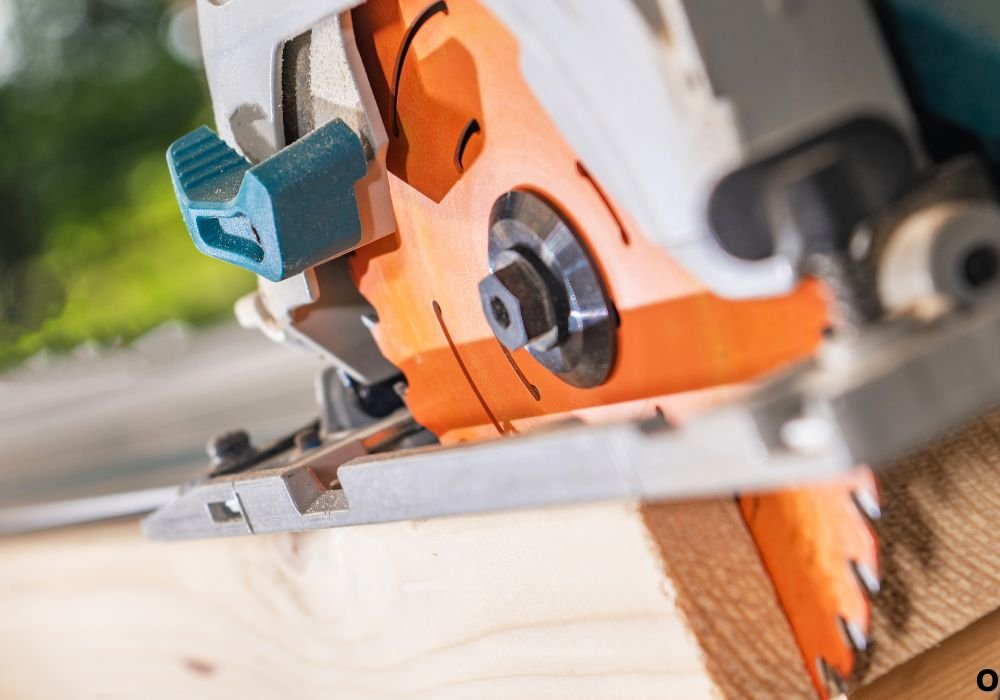
Despite being battery-powered, cordless circular saws offer impressive cutting performance. Many can spin blades at speeds between 4,000 and 6,000 RPM, delivering clean, fast results.
They can handle materials such as plywood, framing lumber, particleboard, laminate, and even thin metal sheets. The right blade type — wood, fine-tooth, or carbide-tipped — determines cut quality.
Modern batteries allow these saws to maintain consistent torque throughout the cut. Some professional-grade tools can slice through dozens of 2×4 boards on a single charge.
The adjustable depth control lets you cut only as deep as needed, minimizing waste and improving safety. For angled or beveled joints, simply tilt the base plate to the desired degree and lock it in place.
This balance of power, precision, and efficiency proves that cordless circular saws are no longer just convenience tools — they’re professional-grade cutting machines.
Typical Applications in Woodworking
Cordless circular saws are used across nearly every area of woodworking. Carpenters rely on them for cutting framing lumber, roof decking, and flooring.
Cabinet makers and furniture builders use them to trim panels, resize boards, and make quick adjustments. Their portability makes them ideal for job-site finishing touches.
Homeowners find them perfect for renovation projects such as building shelves, installing doors, or cutting plywood for walls. The ability to move freely saves time and effort.
In outdoor projects, cordless saws excel in cutting fence posts, garden structures, or decking boards without dragging extension cords through the yard.
Because of their versatility, cordless circular saws are often the first power tool added to a new workshop setup.
Comparing Cordless vs. Corded Circular Saws
Both saw types share the same purpose, but their designs suit different needs. Corded saws provide continuous power and are ideal for long, heavy-duty work sessions.
Cordless models trade unlimited runtime for mobility and convenience. Modern lithium-ion technology has narrowed the performance gap significantly.
A high-quality cordless saw can deliver nearly the same cutting depth, speed, and accuracy as a corded one. However, runtime depends on battery capacity and how tough the material is.
If you frequently work far from outlets, a cordless model is the obvious choice. For stationary workshop projects requiring long continuous cutting, a corded saw may still be practical.
Many professionals now keep both, using the cordless saw for mobile work and the corded saw for extended shop tasks.
Battery Technology and Runtime
The battery is the heart of any cordless power tool. Advances in lithium-ion technology have dramatically increased both energy density and charging speed.
Most modern saws use 18 V or 20 V batteries, though professional models may use dual-battery systems reaching 36 V or 40 V. These higher-voltage packs deliver longer runtimes and more consistent power.
Charging typically takes between 30 minutes and 90 minutes, depending on capacity. Many manufacturers now offer fast-charging stations that can recharge multiple packs simultaneously.
Brushless motors extend battery life further by using power more efficiently. Combined with smart electronics, they prevent overheating or over-discharge during heavy cutting.
With a few extra batteries on hand, you can work continuously without waiting for recharges — one of the biggest advantages of modern cordless setups.
Maintenance and Care Tips
Keeping your cordless circular saw in top shape ensures long-term performance. After each project, clean dust and debris from vents, guards, and the base plate.
Check the blade regularly for dull teeth or resin buildup. A sharp, clean blade makes smoother cuts and puts less strain on the motor.
Inspect the battery terminals for dirt or corrosion, and wipe them with a dry cloth before charging. Proper care extends both tool and battery lifespan.
Lubricate moving parts like bevel hinges or depth-adjustment levers occasionally with light machine oil. Store the saw in a cool, dry place to prevent moisture damage.
Simple, regular maintenance can add years to your saw’s efficiency and safety.
Safety Guidelines for Cordless Circular Saws
Even though cordless models are easier to handle, safety must always come first. Always wear safety glasses, hearing protection, and a dust mask while cutting.
Secure the material firmly using clamps or sawhorses. A moving workpiece increases the risk of kickback and uneven cuts.
Keep both hands on the saw during operation, and stand slightly to the side of the cutting line to avoid debris.
Let the blade reach full speed before making contact with the material. Never force the saw through — steady pressure ensures cleaner, safer cuts.
After finishing, release the trigger and wait for the blade to stop completely before setting the saw down. Always remove the battery before changing blades or performing maintenance.
Environmental and Energy Advantages
Cordless circular saws are not just convenient; they’re also energy-efficient. Lithium-ion batteries waste less power during operation compared to corded tools connected through long extension cables.
They also reduce energy loss from voltage drops and eliminate the need for generators at remote job sites. This makes them more sustainable and cost-effective for professionals working outdoors.
Because they run quieter, cordless saws contribute to less noise pollution in residential areas. Many models also feature eco-modes that optimize energy use for lighter cuts.
By switching to rechargeable tools, you reduce overall electricity consumption and disposable waste from outdated batteries.
For eco-conscious woodworkers, cordless circular saws offer a cleaner, greener way to work efficiently.
FAQs
1. What is a cordless circular saw used for?
It’s used to cut wood, plywood, metal, or plastic in any location without relying on power outlets.
2. How long can a cordless circular saw run on one charge?
Depending on battery size and material thickness, it can last from 30 minutes to over 2 hours of active cutting.
3. Is a cordless circular saw as strong as a corded one?
Yes, modern brushless models provide comparable torque and speed for most standard woodworking tasks.
4. Can beginners use a cordless circular saw safely?
Absolutely. It’s lightweight, well-balanced, and features multiple safety systems ideal for new users.
5. What battery size is best for professionals?
A dual 18 V or single 36 V battery setup offers the best balance between power and runtime for heavy-duty jobs.
6. How do I store my batteries correctly?
Keep them in a cool, dry environment and avoid full discharge before storage to extend their life.
7. Can I use a cordless saw indoors?
Yes, cordless saws are quieter and produce fewer sparks, making them suitable for indoor cutting with proper ventilation.
8. How do I know when to replace the blade?
Replace it when you notice burning, slow cutting, or rough edges even after cleaning the blade teeth.
9. Are cordless saws weather-resistant?
Most are not waterproof, but some professional models feature dust and splash protection for outdoor use.
10. Do cordless circular saws require special chargers?
Use the charger designed for your tool’s battery voltage to ensure safe and efficient charging.
Conclusion
The cordless circular saw represents a perfect blend of power, freedom, and innovation. It eliminates the restrictions of cords while maintaining the accuracy and strength woodworkers rely on.
With advancements in brushless motors and lithium-ion technology, today’s cordless models rival traditional saws in performance. They deliver clean cuts, long runtime, and unmatched convenience wherever you work.
Whether you’re a homeowner tackling weekend projects or a professional carpenter managing job sites, a cordless circular saw brings unmatched flexibility and control.
It’s not just a tool; it’s a modern essential that turns cutting tasks into smooth, efficient, and precise experiences. Once you use one, you’ll understand why cordless truly means limitless.

I’m Michael R. Turner, the founder, lead writer, and passionate DIY enthusiast behind 101diytools.com. With years of hands-on experience in home improvement and power tools, I built this platform to share practical tips, in-depth guides, and honest reviews to help DIYers of all skill levels tackle projects with confidence and the right tools.