What Is a Circular Saw? Beginner’s Complete Guide
You walk into a workshop and hear the sharp, steady sound of a spinning blade cutting through wood with perfect precision. That tool in action is the circular saw, one of the most essential and versatile power tools ever made. Whether you are a beginner learning your first DIY project or a skilled carpenter shaping raw lumber into something beautiful, the circular saw is always a trusted companion.
A circular saw is built to make fast, straight, and accurate cuts through different materials such as wood, metal, and plastic. Its round blade spins at high speed, delivering smooth and controlled cuts. What makes this tool special is its perfect balance between power and portability. It is strong enough for construction work yet light enough for home projects.
Many beginners find circular saws intimidating at first, but once you understand how they work, they are simple and incredibly efficient. With proper knowledge of blade types, safety rules, and cutting techniques, anyone can achieve clean, professional results in just a few tries.
In this complete guide, you will learn what a circular saw is, how it functions, the types available, and how to use it safely and effectively. By the end, you will have the confidence to handle a circular saw like a pro and complete every project with speed, accuracy, and satisfaction.
Would you like me to write the next section “What Is a Circular Saw?” now?
What Is a Circular Saw
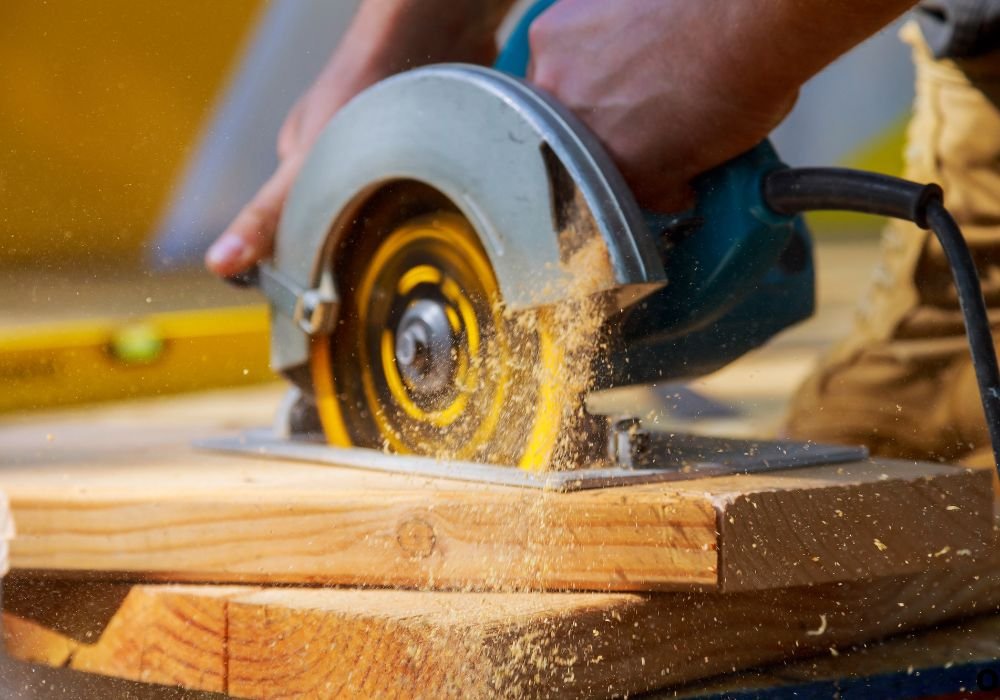
A circular saw is a power tool that uses a fast-spinning round blade to cut through different materials like wood, plastic, metal, or masonry. The blade rotates at high speed and slices through the surface in a clean, straight line. Unlike traditional hand saws that move back and forth, the circular saw’s blade moves in a continuous circular motion, allowing it to cut faster and more efficiently.
This tool is one of the most commonly used saws in both home workshops and professional construction sites. It is designed for making straight cuts, known as rip cuts and crosscuts, but with the right guide and setup, it can also handle bevel cuts and miter cuts. Whether you are trimming plywood, cutting a door to size, or working on framing lumber, a circular saw offers the precision and strength needed to get the job done smoothly.
There are different types of circular saws, but all of them share the same core components: a motor, a circular blade, a base plate, and a safety guard. Some are corded for continuous power, while others are cordless and powered by rechargeable batteries for convenience. Modern versions also include laser guides, dust blowers, and variable speed controls that make cutting even more accurate and safe.
The main reason circular saws are so popular is their versatility. With a simple blade change, you can switch from cutting wood to slicing metal or plastic. It is a tool that grows with your skill — simple enough for beginners, yet powerful enough for professionals.
How a Circular Saw Works
Understanding how a circular saw works helps you use it more safely and effectively. At its core, this tool converts electrical energy into mechanical motion through an electric motor. When the trigger is pressed, the motor activates and begins spinning the circular blade at thousands of revolutions per minute. This spinning motion, combined with sharp teeth on the blade, creates enough force to slice through the material cleanly and evenly.
There are two main types of drive mechanisms in circular saws: sidewinder (direct drive) and worm drive. In a sidewinder design, the motor is directly connected to the blade, making the saw lighter and faster. This type is ideal for most DIY and household projects. In a worm drive, the motor connects to the blade through a set of gears, providing more torque and better handling for heavy-duty cutting tasks such as thick hardwood or framing lumber.
The cutting depth and angle can be adjusted using knobs or levers on the saw. By tilting the base plate, you can make bevel cuts, and by changing the blade height, you can control how deep the saw cuts into the material. This flexibility allows one tool to perform many different types of cuts.
Air vents and a cooling system keep the motor from overheating during long periods of use, while a blade guard covers the blade when not in contact with the material, preventing accidents. Some models also include laser guides and dust blowers that improve visibility, ensuring a straighter, cleaner cut every time.
In short, a circular saw works by combining high rotational speed, sharp blades, and precision control to cut through materials quickly, accurately, and safely.
Main Parts of a Circular Saw

A circular saw may look simple on the outside, but each part plays a vital role in ensuring accuracy, power, and safety. Knowing these components helps you understand how to use and maintain your saw correctly.
1. Blade
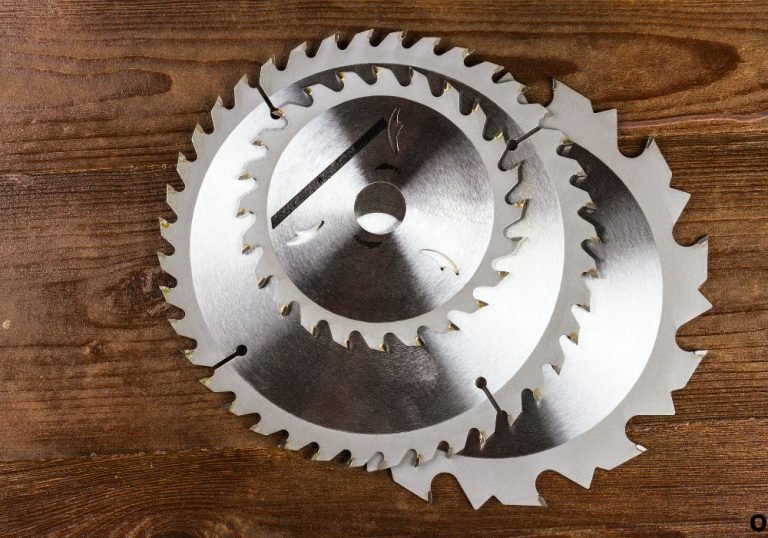
The blade is the heart of the tool. It determines what materials you can cut and how smooth the finish will be. Blades come in different sizes, usually ranging from 5¼ inches to 7¼ inches for most models. Fewer teeth mean faster cuts, while more teeth provide smoother, cleaner results. For example, a 24-tooth blade works best for rough cuts in wood, while a 60-tooth blade is ideal for fine woodworking or plywood.
2. Motor
The motor powers the blade’s rotation. Corded models rely on a constant electric supply, while cordless ones use rechargeable lithium-ion batteries. Higher amperage or voltage means more cutting strength, especially for thicker materials. Keeping the motor clean and well-ventilated ensures consistent performance.
3. Base Plate (Shoe)
The flat metal plate at the bottom of the saw is called the base plate or shoe. It rests on the material being cut, guiding the blade in a straight line. It also contains adjustment levers for controlling the cutting depth and angle. A sturdy, flat base ensures stability and prevents wobbling during cutting.
4. Blade Guard
Safety is essential when working with power tools. The blade guard covers the spinning blade and automatically retracts when the saw is in use. Once the cut is complete, it springs back to protect you from accidental contact. Always make sure it moves freely and never operate a saw with a damaged guard.
5. Handle and Trigger
The handle provides grip and control, while the trigger activates the motor. Many modern models include ergonomic handles that reduce vibration and increase comfort during long cutting sessions.
6. Bevel and Depth Adjustment Knobs
These controls let you change how deep or at what angle the blade cuts. They make it possible to perform versatile cuts such as bevels, grooves, or plunge cuts.
7. Dust Blower and Laser Guide (Optional)
Some advanced models feature a dust blower that clears debris from your cutting line and a laser guide that projects a straight line for better accuracy.
Together, these components work in harmony to create a powerful, precise, and safe cutting experience. Understanding their function not only helps you operate the saw better but also extends its lifespan through proper care and maintenance.
Types of Circular Saws
Circular saws come in many different styles and designs, each created to handle specific cutting needs. Understanding the main types helps you choose the right tool for your projects and get the best performance from it.
1. Sidewinder Circular Saw
Also known as a direct-drive saw, the sidewinder is the most common type used by DIYers and homeowners. In this design, the motor sits directly beside the blade, which makes the tool lighter, faster, and easier to handle. It is ideal for general woodworking, cutting plywood, and home renovation tasks. Because of its compact build, it is easier to maneuver and perfect for overhead or tight-space cuts.
2. Worm Drive Circular Saw
This type features a motor positioned behind the blade, connected through a set of gears that deliver more torque and slower blade speed. Worm drive saws are heavier but provide more cutting power, making them perfect for professionals working with thick lumber or framing materials. The longer body and rear handle design also offer better control and visibility for precise cutting.
3. Hypoid Circular Saw
Similar to the worm drive, the hypoid saw also offers high torque but uses spiral bevel gears instead of worm gears. This reduces friction and increases efficiency. Hypoid saws are quieter, require less maintenance, and are excellent for long work sessions on hardwood or construction-grade materials.
4. Corded Circular Saw
Corded saws draw power directly from an outlet, giving continuous performance without worrying about battery life. They are ideal for heavy-duty or long-duration projects. The only drawback is limited mobility since you must work near a power source.
5. Cordless Circular Saw
Cordless models run on lithium-ion batteries, providing excellent portability and convenience. They are lighter, easier to move around, and great for quick jobs or outdoor work. Modern cordless saws now deliver enough power to rival corded models, making them a popular choice for both professionals and hobbyists.
6. Compact and Mini Circular Saws
These small, lightweight saws are designed for detailed work, such as trimming wood, cutting plastic, or crafting projects. Despite their size, they can still deliver impressive precision and speed, making them perfect for small workshops or tight workspaces.
Each type of circular saw has its advantages, and the best choice depends on your workload, material type, and workspace setup.
Common Uses of a Circular Saw
A circular saw is one of the most versatile power tools you can own. Its powerful motor and rotating blade make it suitable for a wide range of cutting jobs across woodworking, metalworking, and even masonry.
1. Woodworking Projects
The most common use of a circular saw is cutting wood. It can easily perform rip cuts (along the grain), crosscuts (across the grain), and bevel cuts (angled). Whether you are building furniture, decks, or framing walls, a circular saw provides clean and accurate results.
2. Cutting Plywood and Sheet Materials
Circular saws are ideal for trimming large sheets of plywood, MDF, OSB, and particleboard. By using a guide rail or straightedge, you can achieve perfectly straight cuts that are smooth and professional-looking.
3. Trimming Doors, Panels, and Shelves
When you need to shorten a door, resize a countertop, or shape a shelf, a circular saw makes the task simple. Its ability to make long, straight cuts saves time compared to a jigsaw or handsaw.
4. Cutting Metal and Plastic
With the correct blade, a circular saw can cut through metal pipes, aluminum sheets, and even plastic panels. For these materials, use specialized carbide or diamond-tipped blades designed for metal or composite cutting.
5. Masonry and Concrete Work
Professional-grade circular saws equipped with diamond blades can cut concrete, stone, and tile. However, these tasks should be done carefully and usually require saws with dust extraction systems for safety.
6. DIY Home Improvement Projects
From building storage units to making garden benches or wooden fences, the circular saw is the go-to tool for nearly every home project. Its combination of speed and control makes it a favorite for both professionals and beginners.
In short, the circular saw is not just a carpenter’s tool; it is a must-have for anyone who values accuracy, versatility, and efficiency in cutting tasks.
How to Use a Circular Saw Safely
A circular saw is powerful and efficient, but it can also be dangerous if not handled properly. Learning safe operating habits is essential for preventing accidents and maintaining control during every cut.
1. Wear the Right Safety Gear
Always wear safety glasses or goggles to protect your eyes from flying debris. Use hearing protection if you are working for long periods, and wear a dust mask to avoid inhaling fine sawdust. Avoid loose clothing or jewelry that could get caught in the blade.
2. Inspect Your Tool Before Each Use
Before you start cutting, check the saw for loose screws, damaged cords, or dull blades. Make sure the blade guard moves freely and the depth and bevel adjustments are locked securely in place.
3. Secure the Material Properly
Clamp your workpiece firmly on a stable surface before cutting. Never hold small pieces with one hand while cutting with the other. A moving board can cause kickback, which is one of the most common circular saw accidents.
4. Adjust the Cutting Depth Correctly
Set the blade depth so that only one-quarter inch of the blade extends below the material. A shallow cut provides better control and reduces the risk of binding or kickback.
5. Start Slowly and Maintain a Steady Pace
Let the blade reach full speed before making contact with the material. Move the saw forward slowly and steadily without forcing it. Forcing the cut can overheat the motor and damage the blade.
6. Keep Both Hands on the Saw
Always use both hands to control the saw. One hand should stay on the main handle while the other supports the front knob or auxiliary handle. This ensures balance and helps you react quickly if the saw jerks or binds.
7. Allow the Blade to Stop Before Setting It Down
Never set the saw down while the blade is still spinning. Wait until it has completely stopped, and then place it on a flat surface with the blade guard closed.
8. Work in a Clean, Well-Lit Area
Make sure your workspace is free from clutter, cords, or materials that could get in your way. Good lighting helps you follow your cut lines accurately and reduces mistakes.
Safety is not just about following rules; it is about building habits that protect you and improve your precision. Once you feel comfortable handling the tool safely, you will find that a circular saw is not intimidating at all — it is empowering.
Circular Saw Blades and Selection Tips
The blade is the heart of a circular saw. Choosing the right one not only affects how clean and fast your cuts are but also determines how long your saw lasts. Understanding blade types, materials, and tooth patterns helps you get the best results for every project.
1. Blade Size and Compatibility
Most circular saws use blades between 5¼ inches and 7¼ inches in diameter. Always check your saw’s manual before purchasing a new blade, as each model has a specific size and arbor hole diameter. A mismatched blade can reduce cutting power or even damage the saw.
2. Tooth Count and Cutting Finish
The number of teeth on a blade greatly affects how it cuts. A blade with fewer teeth, such as 24 or 36, cuts faster and is ideal for rough framing or construction work. Blades with more teeth, such as 60 or 80, create smoother finishes and are perfect for plywood or fine woodworking. In general, more teeth mean cleaner cuts but slower performance.
3. Blade Material and Coating
Circular saw blades are made from several materials. High-speed steel (HSS) blades are affordable but dull quickly. Carbide-tipped blades last much longer and stay sharp through heavy use, making them ideal for professionals. Diamond-tipped blades are used for cutting tough materials like concrete, tile, and stone. Some blades also have non-stick coatings that reduce friction and resist rust buildup.
4. Specialized Blades for Different Materials
- Wood blades: Best for softwood, plywood, and MDF.
- Metal-cutting blades: Made with carbide or diamond tips for steel and aluminum.
- Masonry blades: Designed for bricks, tiles, and concrete.
- Plastic blades: Have fine teeth to prevent chipping and melting.
5. When to Replace a Blade
A dull blade makes rough cuts, burns the wood, and forces the motor to work harder. If you notice smoke, vibration, or uneven cuts, it is time to replace the blade. Keeping a sharp, clean blade ensures safety and extends the motor’s life.
Circular Saw Maintenance Tips
A well-maintained circular saw performs better, lasts longer, and keeps you safe. Regular cleaning and inspection take only a few minutes but make a big difference in performance.
1. Clean After Every Use
Dust and debris are the biggest enemies of any power tool. After every project, unplug the saw and blow out the dust using compressed air or a soft brush. Pay special attention to the motor vents and guard area. A clean saw runs cooler and cuts more efficiently.
2. Keep the Blade in Good Condition
Always store blades in a dry, safe place and handle them carefully. Replace dull blades immediately. If you use the same blade for different materials, clean it with a gentle solvent to remove pitch and resin buildup that can cause drag.
3. Check the Power Cord or Battery
For corded models, inspect the cord for cracks, frays, or exposed wires. For cordless models, clean the battery terminals with a dry cloth and store batteries in a cool, dry area away from direct sunlight.
4. Lubricate Moving Parts
Apply a small amount of machine oil to the moving joints and levers occasionally. This keeps the bevel and depth adjustments working smoothly. Avoid over-lubrication, as excess oil attracts dust.
5. Tighten Screws and Bolts
Over time, vibration can loosen screws and fasteners. Check all visible screws, handles, and guards to make sure they are tight before each use.
6. Store Properly
Keep the saw in a case or hang it on a wall hook in a dry workshop. Avoid damp environments that cause rust or corrosion. Always retract the blade guard and lock the trigger before storing.
Following these maintenance steps ensures that your circular saw remains reliable and performs at its peak for many years.
Safety Mistakes to Avoid When Using a Circular Saw
Even experienced users sometimes overlook simple safety habits. Avoiding these common mistakes can protect you from injuries and keep your work precise and professional.
1. Skipping Safety Gear
Never use a circular saw without proper safety equipment. Always wear goggles, gloves, and ear protection. Flying debris and high noise levels can cause serious injury or discomfort over time.
2. Ignoring the Blade Guard
Some users remove or disable the blade guard for convenience, but this is extremely dangerous. The guard is designed to protect you from accidental contact and should always move freely and automatically close after each cut.
3. Using a Dull or Wrong Blade
A dull blade increases the chance of kickback and burns the wood instead of cutting it cleanly. Always use a sharp blade suitable for the material.
4. Cutting Without Proper Support
Trying to cut freehand or without securing the material can cause the board to shift, jamming the blade. Always use clamps or sawhorses to stabilize your workpiece.
5. Setting the Wrong Cutting Depth
If the blade is set too deep, it can bind and overheat. Set the blade depth so it extends just slightly below the bottom of the material being cut.
6. Standing Behind the Saw
Always stand to the side of the saw, not directly behind it. If the blade binds or kicks back, you will be out of the danger zone.
7. Forcing the Saw Through the Material
Let the saw’s weight and speed do the work. Forcing it will strain the motor, dull the blade, and increase the risk of kickback.
8. Not Waiting for the Blade to Stop
Setting down the saw while the blade is still spinning can cause it to move or cut unintentionally. Wait until the blade stops completely before placing it down.
9. Using It in Poor Lighting or Crowded Spaces
A cluttered workspace or dim lighting makes it harder to see the cutting line, increasing the chance of mistakes or injury. Always keep your area clean and bright.
Avoiding these mistakes helps you work more confidently, maintain precision, and stay safe every time you pick up your circular saw.
Circular Saw vs. Other Saws
Many beginners often wonder how a circular saw compares to other common saw types. While all saws serve the same purpose — cutting materials — each one has its own strengths, weaknesses, and ideal use cases. Understanding these differences helps you choose the right tool for every project and avoid costly mistakes.
1. Circular Saw vs. Table Saw
Both tools use a round blade, but their design and purpose differ. A table saw has a fixed blade mounted on a workbench, while the wood is pushed through it. This setup provides excellent accuracy for repeated cuts and long rip cuts. A circular saw, on the other hand, is handheld and portable. It is perfect for cutting large sheets of plywood or lumber that are difficult to move onto a table saw. If you need mobility and flexibility, a circular saw wins. For high precision and workshop-based work, the table saw is the better option.
2. Circular Saw vs. Miter Saw
A miter saw is designed for making crosscuts and angled cuts with extreme precision. It is ideal for trim work, framing, and molding where accuracy matters most. The circular saw is more versatile — it can make straight, bevel, and plunge cuts, but not with the same accuracy as a miter saw. If you are working on furniture, door frames, or crown molding, a miter saw is better. If you need one tool for general cutting, a circular saw is more practical.
3. Circular Saw vs. Jigsaw
A jigsaw uses a thin, straight blade that moves up and down to cut curves, shapes, and detailed patterns. It is not meant for long, straight cuts through thick materials. The circular saw, in contrast, excels at cutting straight lines quickly and cleanly through thick wood or boards. The jigsaw is best for artistic or curved designs, while the circular saw handles speed, depth, and precision for larger tasks.
4. Circular Saw vs. Reciprocating Saw
A reciprocating saw moves its blade back and forth, making it suitable for demolition and rough cuts rather than precision work. The circular saw provides cleaner and straighter cuts, which makes it ideal for construction, framing, and woodworking. If you need controlled, straight cuts, choose the circular saw; if you need to cut pipes, walls, or tree branches, the reciprocating saw is better suited.
Each saw has its own purpose. However, the circular saw remains one of the most balanced and versatile options for both beginners and professionals because it combines speed, accuracy, and convenience in one compact tool.
Frequently Asked Questions (FAQs) About Circular Saws
1. What is a circular saw used for?
A circular saw is used for making straight, clean cuts in materials such as wood, metal, plastic, and even concrete. It is one of the most versatile tools for both home projects and professional construction work.
2. How does a circular saw work?
A circular saw works by spinning a round, toothed blade at high speed using an electric motor. The fast rotation allows the blade to slice through materials smoothly and efficiently with minimal effort.
3. Can a circular saw cut metal or plastic?
Yes, with the right blade. Use a carbide or diamond-tipped blade for cutting metal, and a fine-tooth blade for plastic to prevent chipping or melting. Always follow the manufacturer’s instructions for safety.
4. What are the main types of circular saws?
The main types are sidewinder, worm drive, hypoid, corded, and cordless circular saws. Each type offers different advantages in power, torque, and portability depending on your work needs.
5. What size circular saw is best for beginners?
A 7¼-inch circular saw is ideal for beginners. It’s powerful enough for most home and woodworking tasks while remaining lightweight and easy to handle.
6. How do I choose the right blade for my circular saw?
Match the blade to your material. Use fewer teeth for rough, fast cuts and more teeth for smoother, finer results. For example, a 24-tooth blade is good for framing, while a 60-tooth blade is better for finishing work.
7. What safety gear should I wear when using a circular saw?
Always wear safety glasses, ear protection, gloves, and a dust mask. Avoid loose clothing or accessories that could get caught in the moving blade.
8. Why is my circular saw burning the wood while cutting?
This usually happens when the blade is dull, dirty, or misaligned. Clean or replace the blade and check the depth setting. Excessive pressure can also cause burn marks.
9. How can I make straight cuts with a circular saw?
Use a cutting guide, straightedge, or a circular saw track system. Mark your line clearly and let the saw’s edge follow it without forcing the blade.
10. What is the difference between a corded and cordless circular saw?
Corded saws offer continuous power and are better for heavy-duty work. Cordless saws use rechargeable batteries, providing mobility and convenience for lighter or outdoor projects.
11. Can I use a circular saw for plunge cuts?
Yes, but it requires control and practice. Set the correct depth, tilt the saw forward, start the motor, and lower the spinning blade slowly into the material while maintaining a firm grip.
12. How deep can a circular saw cut?
The depth depends on the blade size. A 7¼-inch saw can typically cut about 2½ inches deep at 90 degrees and around 1¾ inches at a 45-degree bevel.
13. How often should I replace my circular saw blade?
Replace the blade when it becomes dull, starts to burn material, or produces rough edges. Regular cleaning and proper storage can extend the blade’s lifespan.
14. What maintenance does a circular saw need?
Keep it clean after every use, check for dust buildup in vents, inspect the power cord or battery, lubricate moving parts occasionally, and store it in a dry, dust-free place.
15. Is a circular saw better than a jigsaw for beginners?
A circular saw is better for straight, long cuts, while a jigsaw is used for curves and intricate designs. Beginners should start with a circular saw for general woodworking and move to a jigsaw for detailed work.
Conclusion: The Essential Tool for Every Builder
The circular saw is more than just a spinning blade; it is the foundation of modern cutting work. From woodworking to metal fabrication, this single tool has transformed how builders and DIY enthusiasts shape materials with speed and precision.
Understanding what a circular saw is and how it works gives you control and confidence every time you power it on. You now know how the motor drives the blade, how to choose the right blade for each material, and how to keep your tool safe and efficient with proper maintenance. By following the right safety steps — wearing protective gear, securing materials, and adjusting the cutting depth — you can avoid mistakes and enjoy professional-level results at home or on the job site.
Whether you are framing walls, cutting plywood, or crafting furniture, the circular saw will always be one of the most dependable tools in your collection. Its power, accuracy, and adaptability make it perfect for nearly every task, from rough construction to fine carpentry.
Treat it with care, keep it clean, and always respect its strength. In return, it will reward you with years of reliable performance and perfectly clean cuts on every project you take on.

I’m Michael R. Turner, the founder, lead writer, and passionate DIY enthusiast behind 101diytools.com. With years of hands-on experience in home improvement and power tools, I built this platform to share practical tips, in-depth guides, and honest reviews to help DIYers of all skill levels tackle projects with confidence and the right tools.