What Does RPM Mean in Circular Saws and Why It Matter
The hum of a circular saw is unmistakable. That rising whir before the blade touches wood tells you power is building — and that power is measured in RPM.
Every revolution of the blade determines how smoothly, quickly, and accurately your saw cuts. RPM, short for Revolutions Per Minute, reveals how many times the blade spins each minute under no load. It’s the single number that defines speed, control, and cut quality in every circular saw.
Whether you’re slicing plywood, trimming lumber, or framing walls, understanding what RPM means helps you choose the right tool and use it safely. Beneath that spinning blade lies physics, precision, and balance — all controlled by RPM.
Understanding What RPM Means in Circular Saws
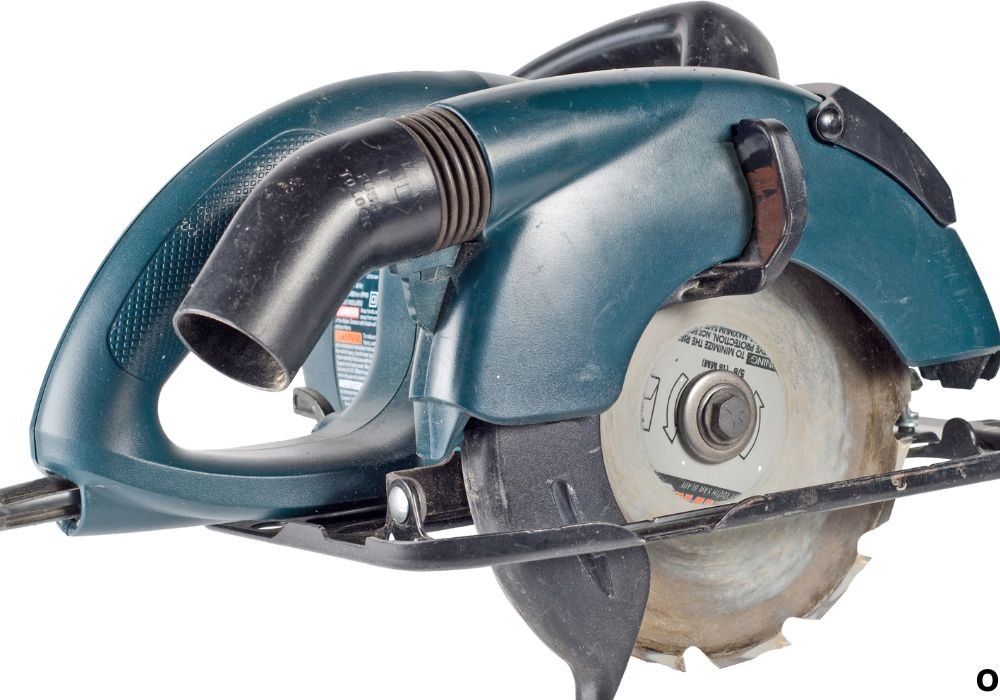
RPM stands for Revolutions Per Minute, the count of how many full rotations a circular saw blade completes in sixty seconds. It’s the measurement that links motor power to blade motion.
When a manufacturer lists a saw’s RPM, it’s referring to the motor’s no-load speed — how fast the blade spins before cutting begins. Once the blade enters material, the RPM drops slightly due to resistance.
High RPM means faster spinning, which often produces cleaner cuts with less tear-out. Low RPM delivers more control but can leave rougher edges. Knowing the number helps you predict how a saw will perform in different materials.
How RPM Relates to Cutting Power
RPM affects how quickly the teeth meet the wood, but it doesn’t tell the whole story. A fast-spinning blade without torque may stall in dense hardwood, while a slower, high-torque saw can push through thick boards with ease.
That’s why professionals balance both factors — speed for precision, torque for force. Together, they create efficient, smooth performance.
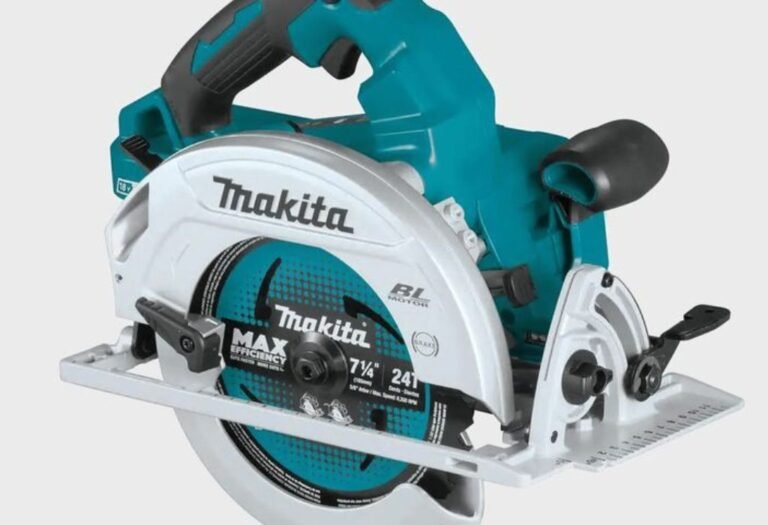
A 7¼-inch circular saw running at 5,800 RPM offers enough blade velocity to cut through pine effortlessly. However, the same RPM with a larger blade produces lower edge speed. The motor and blade must work together to find the sweet spot between rotation and resistance.
How RPM Affects Cutting Performance
RPM controls how your saw behaves in action. When the blade spins faster, each tooth contacts the surface for a shorter moment, creating clean, fine cuts.
If RPM is too low, teeth drag, tear fibers, and leave burn marks. If too high, heat builds up, dulling the blade and scorching the wood. The ideal RPM provides sharp precision without friction overload.
High RPMs shine when cutting thin materials like plywood, laminate, or softwood. Lower speeds help when working with thicker boards, dense hardwood, or metal sheets. Matching blade design and RPM to the material ensures efficiency and safety.
Understanding the Balance Between Speed and Control
Circular saws aren’t about maximum speed — they’re about controlled energy. The balance between RPM and torque defines how comfortably a saw performs under pressure.
Professionals often prefer mid-range speeds, where blades stay cool, vibrations stay low, and accuracy stays high. The goal isn’t just to cut fast but to cut cleanly and repeatably.
By understanding RPM, users can adapt cutting techniques — slower passes for detail, faster passes for volume — achieving precision that matches the project’s needs.
The Physics Behind RPM and Blade Speed
RPM sounds simple, but its effect on cutting speed involves geometry. The larger the blade, the longer its edge, which means every revolution covers more distance.
For example, a 7¼-inch blade spinning at 5,000 RPM moves its outer teeth at over 9,000 feet per minute. A 10-inch blade at the same RPM moves nearly 13,000 feet per minute — a significant jump in surface velocity.
This edge speed determines how quickly material is removed and how smooth the finish feels. Engineers calculate ideal RPM ranges based on blade diameter to keep the saw stable, safe, and efficient.
Average RPM Range for Different Circular Saws
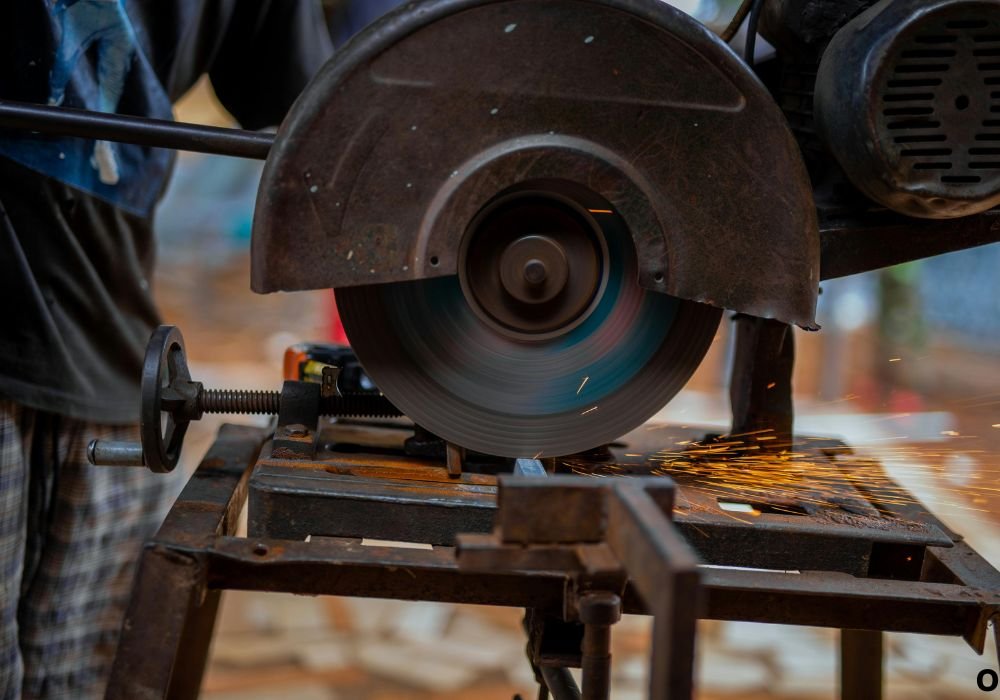
Circular saw RPM varies by design, motor type, and intended use.
- Corded Sidewinders: Typically run between 5,000 and 6,000 RPM, offering fast, light cutting power.
- Cordless Models: Range from 3,800 to 5,200 RPM due to battery voltage limits.
- Worm-Drive Saws: Deliver 4,000 to 4,500 RPM but with higher torque for heavy cuts.
- Compact or Trim Saws: Can exceed 6,000 RPM for fine, detailed work.
Manufacturers carefully choose motor speed and gear ratios to balance speed, torque, and safety. No single RPM fits all — the correct range depends on blade size, material, and task.
How Manufacturers Set RPM Limits
Every circular saw blade has a maximum safe RPM rating printed on its face. This number ensures that the blade’s material can withstand the centrifugal forces of high-speed rotation.
Manufacturers test saws at different speeds to find safe operational thresholds. Exceeding these limits risks blade failure or dangerous vibration.
RPM limits also protect bearings, arbors, and motors from overheating. Maintaining these specifications guarantees stability and long-term reliability.
How Blade Size and Material Affect RPM
Blade size directly influences safe RPM. A larger blade spins slower because its circumference is longer — the teeth travel farther per revolution.
For instance, a 10-inch blade might have a safe rating of 4,000 RPM, while a 6½-inch blade can safely reach 6,000 RPM. The bigger the circle, the lower the recommended speed.
Material matters too. Steel blades handle high speeds well, but carbide-tipped or composite blades may require lower RPM to prevent cracking. Matching blade material and diameter to the saw’s rated RPM avoids wear, wobble, and safety hazards.
RPM vs. Torque – Understanding the Difference
RPM and torque often get confused, but they measure very different things.
- RPM is rotational speed — how many turns per minute.
- Torque is twisting force — how much strength drives the blade through material.
A saw with high RPM but low torque spins quickly but may struggle under load. One with low RPM but high torque cuts slower but pushes through dense material with ease.
In practice, sidewinder saws favor RPM for speed, while worm-drive saws favor torque for power. The perfect saw balances both, delivering smooth acceleration without stalling.
Why Both RPM and Torque Must Work Together
Speed without strength causes stalling, and strength without speed causes rough cuts. RPM and torque work as partners in precision.
When torque drops, the motor can’t maintain consistent RPM, leading to uneven cuts. When RPM exceeds torque capacity, the blade heats up and dulls.
High-quality saws use gearing systems to balance both — ensuring that the blade spins fast enough to stay sharp while powerful enough to resist slowdown under pressure.
Dangers of Incorrect RPM Matching
RPM isn’t just about efficiency — it’s about safety. A mismatch between blade and motor speed can cause catastrophic results.
Running a blade above its rated RPM creates dangerous centrifugal stress. The steel body can warp or even fracture. Running it too slowly increases friction and burning, reducing blade life.
Always check the blade’s label before installation. The saw’s rated RPM should never exceed the blade’s maximum rating. This simple habit prevents vibration, wear, and potential injury.
How to Check and Control RPM in Circular Saws
Most saws have their RPM listed on the housing or in the manual. That number indicates maximum speed without load.
To test actual operating speed, professionals use tachometers — small digital tools that read blade rotation. Some modern saws come with built-in electronic speed control, automatically adjusting RPM based on material resistance.
Maintaining consistent RPM means better performance. Avoid pushing too hard; let the blade maintain its natural rhythm. Smooth pressure equals smooth results.
Safety Tips for RPM and Blade Speed
Safety starts with respecting rotation speed.
- Always use blades rated for your saw’s RPM or higher.
- Allow the blade to reach full RPM before starting a cut.
- Replace dull or chipped blades — they increase drag and slow RPM.
- Keep vents and bearings clean to prevent motor overheating.
- Avoid forcing the saw through material; let speed and torque do the work.
Following these steps maintains blade balance, prevents wobble, and ensures safe cutting every time.
Frequently Asked Questions About RPM in Circular Saws
What does RPM stand for?
RPM means Revolutions Per Minute, the number of full spins a blade makes in one minute.
What is a good RPM for a circular saw?
Between 4,000 and 6,000 RPM works best for general woodworking, depending on the saw type.
Does higher RPM mean faster cutting?
Yes, but only when paired with proper torque and a sharp blade.
Can too much RPM damage a blade?
Yes. Exceeding the blade’s rated RPM can cause warping or cracking.
Can I adjust RPM on my saw?
Most fixed-speed saws cannot, but variable-speed or smart saws adjust RPM automatically.
Why do cordless saws have lower RPMs?
Battery limits reduce power output, trading speed for portability.
How does blade diameter affect RPM?
Larger blades require slower RPM for safety and balance.
What is the safest RPM rule?
Never exceed the blade’s printed maximum speed — that number is tested for safety.
Why does RPM drop while cutting?
Friction, resistance, and load reduce effective speed; consistent pressure helps maintain balance.
Does blade sharpness affect RPM efficiency?
Absolutely. Dull teeth increase drag, forcing the motor to work harder and lowering RPM.
Conclusion – Why RPM Defines a Circular Saw’s Character
RPM isn’t just a number on a label — it’s the heartbeat of every circular saw. It tells you how fast the tool thinks, reacts, and performs under pressure.
A saw’s personality comes from its balance between speed and strength. Too little RPM, and cuts feel sluggish. Too much, and heat takes over. The perfect RPM creates harmony — speed, control, and precision working together.
By understanding what RPM means in circular saws, you unlock the power to cut smarter and safer. It’s the science behind every smooth edge, every clean slice, and every confident pull of the trigger.
In woodworking, success isn’t measured by power alone — it’s measured by control. And control begins with RPM.

I’m Michael R. Turner, the founder, lead writer, and passionate DIY enthusiast behind 101diytools.com. With years of hands-on experience in home improvement and power tools, I built this platform to share practical tips, in-depth guides, and honest reviews to help DIYers of all skill levels tackle projects with confidence and the right tools.