Types of Circular Saws Explained for DIYers and Pros
Imagine walking into a busy job site carrying a toolbox and a machine that can cut through dense studs, plywood sheets, or plastic panels with ease. Your partner asks if you’re using the right saw, and you pause because all you know is “circular saw” but not which kind.
In one corner, you see a sleek, lightweight saw being used overhead to trim boards for a roof. In another, you hear a powerful, long-bodied saw ripping thick timber while the operator pushes with precision.
That moment makes you realize that “circular saw” isn’t one tool—it’s a family of machines, each built for a different purpose. Some are designed for speed and portability, while others deliver torque for heavy-duty jobs.
Choosing the wrong type feels like cutting wood with a blunt knife—slow, tiring, and inaccurate. This guide will help you understand the main types of circular saws, their strengths, and how to pick the perfect one for your project.
Why Knowing the Type Matters

Not all circular saws perform the same, even if they look similar. The motor placement, weight, and gearing system completely change how each saw behaves.
A saw designed for fine woodworking won’t perform well in framing or construction. Using the wrong one can cause rough cuts, tool fatigue, and wasted effort.
According to a 2024 tool industry report, cordless and compact circular saws now account for over 60% of new sales worldwide, showing how professionals prioritize portability and control.
When you understand how each saw works, you can choose one that saves time, improves accuracy, and makes every cut feel effortless.
Major Types of Circular Saws
Sidewinder (In-Line) Circular Saw
The sidewinder is the most common type of circular saw. Its motor sits directly beside the blade, which makes it compact, lightweight, and easy to control.
It spins the blade at high speeds—usually between 5,000 and 6,000 RPM—making it perfect for general woodworking, trimming, and framing work.
Because of its light weight, it’s ideal for overhead or vertical cuts. It’s the go-to tool for DIYers and professionals who value speed and mobility.
However, it has less torque compared to worm-drive saws and may struggle with very thick or dense lumber.
Worm Drive Circular Saw
Worm-drive circular saws have the motor positioned behind the blade, using a gear system that delivers high torque. This setup provides slower blade speeds (around 4,500 RPM) but greater cutting power.
They’re designed for long rip cuts and framing work where strength matters more than speed. Their narrower, elongated shape also helps reach tight areas like roof rafters and wall studs.
Professionals often choose worm-drive saws for durability and control in demanding construction environments. The only drawback is their weight and higher maintenance due to the gear oil system.
Hypoid Circular Saw
The hypoid circular saw looks similar to the worm drive but uses a sealed gear system instead of exposed worm gears. This means less maintenance and smoother operation.
It offers comparable torque to a worm-drive model but runs more quietly and efficiently. The sealed gearbox also helps protect internal components, extending its lifespan.
Hypoid saws are great for heavy-duty woodworking tasks like cutting thick lumber or beams. They’re heavier than sidewinders but favored by pros who value reliability and consistent performance.
Cordless Circular Saw
Cordless circular saws use rechargeable lithium-ion batteries instead of power cords, giving you complete mobility. They’re ideal for outdoor work or job sites where outlets are limited.
Modern cordless saws now match corded models in power thanks to brushless motors and high-capacity batteries. They’re perfect for fast, medium-duty cutting work.
Most cordless models have blade speeds between 4,000 and 5,000 RPM and can make dozens of cuts on a single charge. Having spare batteries on hand extends runtime easily.
The only limitation is power fade on low charge, but the convenience of cordless operation makes them a must-have for modern woodworkers.
Track and Plunge Circular Saws
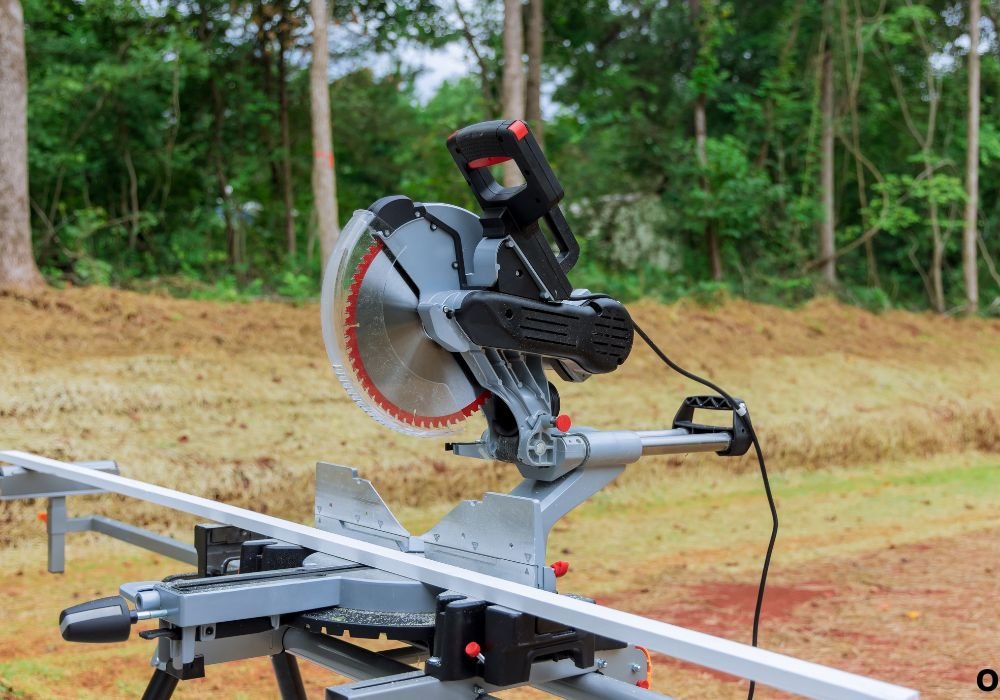
Track or plunge circular saws are designed for precision cutting. They run along a metal guide rail (track) that ensures perfectly straight lines and smooth edges.
These saws are popular in cabinetry, flooring, and fine woodworking where precision matters more than raw power. The plunge mechanism lets the blade start cutting in the middle of a board rather than the edge.
Although pricier than basic models, they’re worth it for professional projects that require consistent accuracy. Many woodworkers call them “portable table saws” because of their precision.
Table and Chop Saw Variants
Some circular saws are built into stationary machines such as table saws and chop saws. They use the same spinning blade principle but in a fixed setup for stability.
Table saws are ideal for cutting large panels, ripping boards, and making repetitive straight cuts. Chop saws specialize in crosscuts and angle cuts for framing and trim work.
These stationary variants offer accuracy and safety but are less portable. Many workshops use them alongside handheld circular saws for versatility.
Drive Mechanism Differences and Why They Matter
How power transfers from the motor to the blade affects performance.
Sidewinder (direct drive) models send power straight to the blade, achieving high RPM and smoother operation. They’re best for speed and lighter materials.
Worm-drive saws use gears to increase torque, making them better for thick lumber and longer cuts. Their slower RPM means cleaner control through dense material.
Hypoid saws refine the worm-drive system with sealed gears, giving them similar torque but lower maintenance.
Each drive type changes how the saw feels in your hands. Sidewinders are faster and lighter, while worm and hypoid models provide more strength and balance for heavy workloads.
Choosing the Right Type for Your Projects
Selecting the correct saw depends on your materials, work environment, and cutting style.
If you work mostly on home projects or light construction, a sidewinder or cordless circular saw is perfect for convenience and speed.
For larger framing or roofing projects where you cut thick wood all day, choose a worm-drive or hypoid saw for torque and endurance.
If you focus on detailed cabinetry or furniture making, go for a track saw or table saw for smooth and precise cuts.
Here’s a quick comparison:
| Use Case | Recommended Saw | Key Benefit |
| General home or DIY projects | Sidewinder | Fast and easy to handle |
| Heavy construction and framing | Worm Drive | High torque and strength |
| Professional precision cutting | Track or Plunge Saw | Straight, accurate lines |
| Portable outdoor work | Cordless | Full mobility, no cords |
| Workshop cutting and panel work | Table Saw | Clean, repeatable cuts |
Choosing based on your needs saves money, improves accuracy, and keeps you safe during long hours of work.
Market and Statistic Insights
Circular saws remain one of the top five most-sold power tools globally. Industry data shows that the circular saw market exceeded $11 billion in 2024, with cordless models making up over 60% of new sales.
The most common blade size used worldwide is 7¼ inches, which fits most general-purpose saws. Smaller 6½-inch blades dominate the cordless segment because of reduced battery strain.
Experts predict a compound annual growth rate (CAGR) of 4–5% in the circular saw industry through 2030 as more professionals adopt compact and battery-powered tools.
This trend shows how woodworking is evolving toward efficiency, portability, and lower maintenance — without sacrificing cutting performance.
Maintenance and Safety Tips
Each type of saw has different care requirements, but some rules apply to all.
Keep your blades sharp and clean for smoother cuts and less motor stress. Dull blades increase friction, cause burns, and shorten motor life.
Worm-drive saws require periodic oiling to keep gears lubricated. Hypoid models, however, have sealed systems that need little maintenance.
Cordless saws benefit from regular battery care. Store batteries in cool, dry places and recharge before they drop below 20% to extend lifespan.
Always wear safety glasses, ear protection, and a dust mask. Clamp your workpiece firmly, and let the saw reach full speed before making contact with the wood.
FAQs
1. What is the most common type of circular saw?
The sidewinder is the most common type because it’s lightweight, affordable, and versatile for most household and professional cutting tasks.
2. Are cordless saws as powerful as corded ones?
Yes, modern cordless saws with brushless motors and 20- to 40-volt batteries now match corded saws in performance for most applications.
3. Can beginners use a worm-drive saw?
Yes, but it’s heavier and requires more control. Beginners may prefer a sidewinder until they gain more experience.
4. What blade size should I choose?
A 7¼-inch blade is standard for most saws, balancing cutting depth, availability, and power. Smaller blades are better for compact or cordless models.
5. How often should I replace circular saw blades?
Replace blades when cuts become rough, slow, or leave burn marks on the wood. Regular users often replace them every few months.
Conclusion
Circular saws come in many forms, each tailored for specific jobs. From compact sidewinders to powerful worm drives and precise track saws, every type has its role in woodworking.
Knowing these differences helps you make smarter decisions, work faster, and stay safer on every project.
For general tasks, the sidewinder or cordless model is perfect. For framing or construction, the worm-drive or hypoid offers power and durability. For cabinetmaking, nothing beats a track saw or table saw for precision.
Understanding your tool is the first step to mastering your craft. Choose the right circular saw, and you’ll cut cleaner, faster, and with more confidence every time.

I’m Michael R. Turner, the founder, lead writer, and passionate DIY enthusiast behind 101diytools.com. With years of hands-on experience in home improvement and power tools, I built this platform to share practical tips, in-depth guides, and honest reviews to help DIYers of all skill levels tackle projects with confidence and the right tools.