What Are Circular Saws Used for in Woodworking Projects
Imagine standing in your workshop with a new piece of lumber and a clear project plan in mind. The circular saw sits on the bench, ready to slice through wood with precision and power.
For most woodworkers, this tool becomes the heart of every project. It saves time, handles large materials, and delivers straight, clean cuts that hand saws can’t match.
A circular saw may look simple, but its role in woodworking is anything but limited. From framing walls to crafting furniture, it’s the first choice for both beginners and professionals.
According to Fine Woodworking Magazine, more than 80 percent of woodworkers use a circular saw in their daily work. Its speed, accuracy, and versatility make it an essential tool in any shop.
In this guide, you’ll discover exactly what circular saws are used for in woodworking, how they work, and why they remain one of the most trusted tools for cutting wood efficiently and precisely.
Overview: The Role of Circular Saws in Woodworking

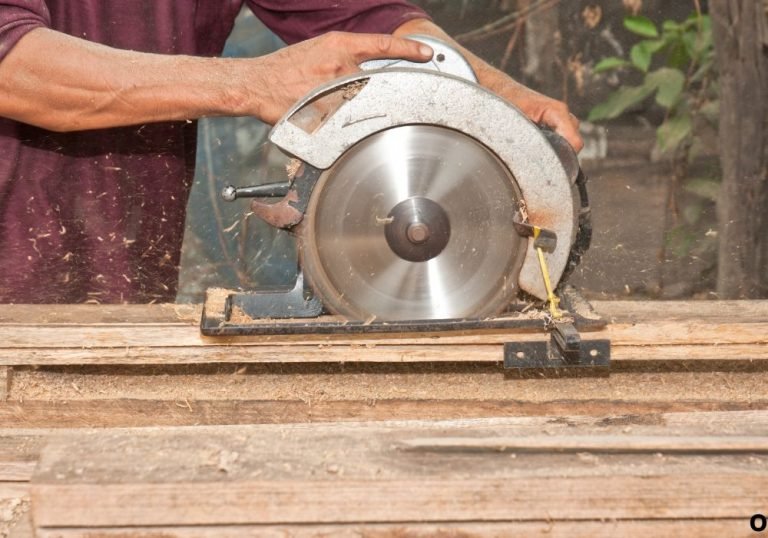
Circular saws are built to make straight and accurate cuts in wood faster than almost any other tool. They use a rotating toothed blade powered by a motor to slice through wood smoothly and efficiently.
Woodworkers rely on them for ripping, crosscutting, trimming, and beveling. The saw’s compact size makes it perfect for both small indoor projects and large outdoor framing work.
Unlike table saws that require feeding the wood into the blade, circular saws are handheld. This lets you move freely around large materials without heavy lifting.
They are also used for cutting panels, resizing boards, and trimming edges for precise fitting. The result is a tool that combines power, portability, and control in one compact design.
Whether used by a DIY enthusiast or a professional carpenter, circular saws simplify nearly every stage of woodworking.
Cutting and Shaping Lumber
One of the most common uses of a circular saw is cutting lumber to size. From large beams to small planks, it helps you shape each piece to fit your project perfectly.
This saw easily cuts through 2x4s, plywood, or thick hardwood boards. You can shorten long boards, trim uneven edges, or cut custom lengths in seconds.
The depth adjustment feature lets you control how deep the blade cuts, making it ideal for shaping and trimming. This prevents overcutting and protects your material from damage.
A circular saw also makes angled ends or notches for better fitting joints. This saves time compared to manual saws and improves accuracy for every cut.
For outdoor or mobile jobs, it’s a perfect alternative to a table saw. You get clean, professional results with less setup and effort.
Ripping and Crosscutting Boards
Two of the most essential tasks in woodworking are ripping and crosscutting. Circular saws are designed to handle both quickly and accurately.
Ripping means cutting wood along its grain. This is useful when you need to turn a wide board into narrower strips. A guide or straight edge helps you maintain a consistent line.
Crosscutting means cutting across the grain to shorten boards or trim pieces. Using a fine-tooth blade helps prevent splintering and gives a clean edge.
Most projects involve both types of cuts, and a circular saw allows you to switch between them easily. Its power and portability make it an all-in-one cutting tool for most woodworking tasks.
Whether you’re building a frame, shelf, or cabinet, ripping and crosscutting with a circular saw delivers accuracy and speed every time.
Making Bevel and Angle Cuts
Circular saws can do more than straight cuts. By tilting the base plate, you can make bevel or angle cuts for joints and decorative work.
A bevel cut is when the blade is angled through the wood, usually up to 45 degrees. These cuts are perfect for creating edges that join smoothly in corners or frames.
Setting the correct bevel angle allows you to make clean joints for boxes, trims, or picture frames. The result looks professional without needing complex tools.
Angle cuts also help create decorative or structural designs in furniture making. The saw’s flexibility saves time and reduces the need for specialized saws.
Learning to adjust and lock the bevel setting correctly ensures every cut aligns perfectly with your design needs.
Trimming, Panel Cutting, and Framing Work

Another major use of circular saws in woodworking is trimming and panel cutting. Because the tool is handheld, it’s easy to move across large boards or sheets.
Woodworkers use it to cut plywood, particleboard, and MDF panels into exact sizes for cabinets or furniture. The saw’s depth and speed make it excellent for trimming thick or wide pieces.
It’s also a top choice for framing work. Whether you’re building walls, decks, or flooring, a circular saw cuts framing lumber quickly and accurately.
For window frames and doors, it helps trim materials for a perfect fit. When paired with a guide rail, it can produce long, straight cuts with a professional finish.
This combination of power and precision makes it one of the most valuable tools for carpenters and builders.
Cutting Other Materials and Specialty Uses
Although circular saws are mainly designed for wood, they can cut other materials when fitted with the right blade. This makes them highly adaptable for different woodworking and construction projects.
With a fine-tooth or carbide-tipped blade, they can cut laminate, MDF, or plastic smoothly. For metal or tile, switching to a diamond or abrasive blade allows clean, controlled cuts.
In woodworking, circular saws are also used for making shallow grooves or plunge cuts. Adjusting the blade depth lets you cut partially through a board without slicing all the way.
These techniques are useful for joinery, decorative lines, or hidden fittings in furniture. They add detail and strength to your work without extra tools.
Because of these advanced uses, many professionals call the circular saw the most versatile cutting tool in the shop.
Frequently Asked Questions (FAQs)
1. What is the main purpose of a circular saw in woodworking?
It’s mainly used for cutting, trimming, and shaping wood quickly and accurately.
2. Can a circular saw replace a table saw?
For smaller projects or mobile work, yes. However, a table saw is still better for long, repetitive cuts.
3. What type of wood can a circular saw cut?
It can cut softwood, hardwood, plywood, MDF, and composite boards depending on the blade.
4. Can circular saws make curved cuts?
They are best for straight cuts, but with skill and the right technique, you can make gentle curves.
5. What blade size is most common for woodworking?
A 7¼-inch blade is the most popular size because it balances cutting depth and precision.
6. Can a circular saw make bevel cuts?
Yes, most models have adjustable base plates that allow bevel and angle cutting up to 45 degrees.
7. What safety gear should I wear when using one?
Use safety glasses, ear protection, gloves, and a dust mask to stay protected from debris.
8. Can I use a circular saw for plywood panels?
Yes, it’s perfect for cutting large sheets of plywood, especially when used with a straightedge guide.
9. How deep can a circular saw cut?
A standard 7¼-inch saw can cut about 2½ inches deep at 90 degrees, depending on the blade.
10. Is a circular saw suitable for beginners?
Yes, it’s beginner-friendly when used carefully and with basic safety practices.
Conclusion
Circular saws are the backbone of woodworking because they combine power, speed, and precision in one tool. From rough framing to fine furniture work, they handle almost every cutting task efficiently.
Their ability to rip, crosscut, trim, and bevel makes them a must-have for any workshop. With the right blade and a steady hand, they produce smooth, accurate cuts that look professional every time.
Whether you’re a beginner building your first project or an experienced craftsman, a circular saw saves time and increases accuracy.
It’s more than just a cutting tool. It’s the foundation of every successful woodworking project — fast, flexible, and always reliable.

I’m Michael R. Turner, the founder, lead writer, and passionate DIY enthusiast behind 101diytools.com. With years of hands-on experience in home improvement and power tools, I built this platform to share practical tips, in-depth guides, and honest reviews to help DIYers of all skill levels tackle projects with confidence and the right tools.