what are circular saw blades made of
Every clean, straight cut you make with a circular saw owes its precision to one thing — the blade’s material. Though it may look simple, each circular saw blade is engineered from specialized metals and composites designed to withstand heat, speed, and friction.
A high-quality blade can mean the difference between a smooth finish and a splintered mess. Woodworkers, metal fabricators, and builders all rely on blades built with the right blend of hardness, flexibility, and durability. The secret lies in metallurgy — how different materials come together to balance strength and sharpness.
Modern circular saw blades are made from a mix of high-grade steel alloys, tungsten carbide, cobalt, or even diamond particles. These materials help blades resist wear, maintain their edge longer, and perform efficiently at thousands of revolutions per minute.
Understanding what circular saw blades are made of helps you choose the right one for every project — from woodworking to cutting metal or stone. Let’s explore the materials that make these blades powerful, reliable, and precise.
What Are Circular Saw Blades Made Of
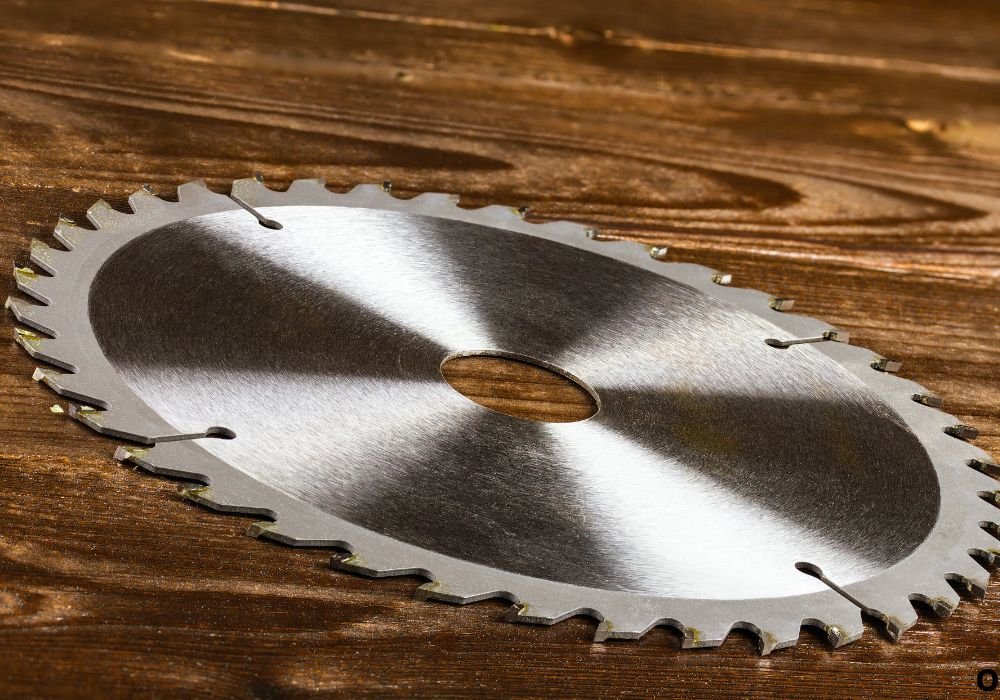
Circular saw blades are typically constructed from hardened steel or metal alloys. The main body, called the blade plate, provides rigidity and balance, while the cutting edges or teeth are often coated or tipped with harder substances like tungsten carbide or diamond grit.
Manufacturers select materials based on the cutting purpose. Wood blades focus on speed and smoothness, while metal-cutting blades emphasize hardness and heat resistance. Some advanced blades use layered metals or composite coatings to improve lifespan and reduce vibration.
The result is a tool that can handle thousands of cuts with consistent precision and minimal maintenance.
Common Materials Used in Circular Saw Blades
High-Speed Steel (HSS)
High-speed steel is one of the most common materials used for circular saw blades. It’s an alloy containing elements like molybdenum, tungsten, and chromium, which improve hardness and resistance to heat.
HSS blades retain their sharpness at high speeds and are ideal for cutting wood, soft metals, and plastics. However, they wear out faster when used on very hard materials.
Carbide-Tipped Blades
Carbide-tipped blades feature steel bodies with tiny tungsten-carbide inserts at the tips of each tooth. Tungsten carbide is much harder than steel and keeps its edge sharp far longer.
These blades excel at cutting hardwood, laminate, and non-ferrous metals. They cost more initially but last up to 20 times longer than plain steel blades, making them a favorite among professionals.
Cobalt-Steel Alloy Blades
Cobalt blades are made from high-strength steel mixed with cobalt. This blend enhances durability and allows the blade to maintain its edge even under heavy loads or high temperatures.
Cobalt-steel blades are often used in metal fabrication because they resist warping and dulling during continuous use.
Tungsten-Carbide Blades
Tungsten carbide is one of the hardest substances used in toolmaking. It combines tungsten and carbon atoms into a dense compound that resists wear and heat.
Blades made from or tipped with tungsten carbide cut through hardwood, composites, and even certain metals without losing sharpness. Their exceptional strength makes them ideal for industrial applications.
Diamond-Tipped Blades
Diamond-tipped blades are the champions of durability. Synthetic diamond particles are fused onto the blade edge, creating an ultra-hard surface capable of slicing through concrete, tile, and stone.
Because diamonds can handle extreme friction and heat, these blades are commonly used in construction and masonry work. They’re not suitable for wood but are unmatched in longevity for heavy-duty cutting.
The Structure of a Circular Saw Blade
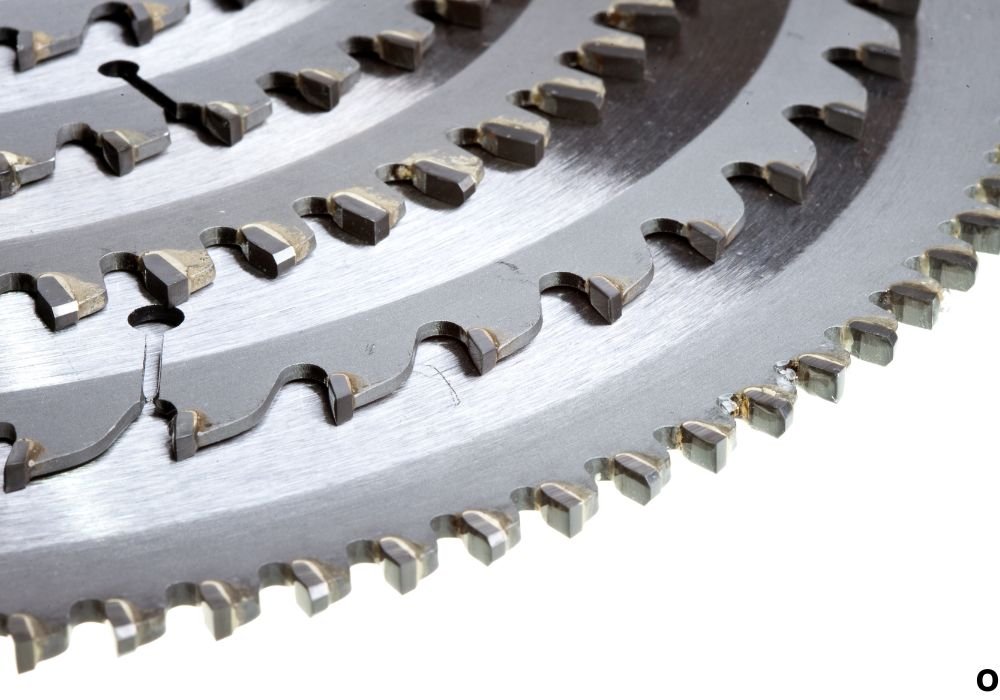
A circular saw blade isn’t a single piece of metal; it’s a carefully engineered structure composed of multiple layers and features.
- Blade Body (Plate): Made from hardened or tensioned steel for balance and flexibility.
- Teeth: The cutting edges, often tipped with carbide or diamond.
- Expansion Slots: Small grooves that allow for heat expansion and prevent warping.
- Tension Ring: Ensures stability and smooth rotation at high speeds.
Each part is designed to absorb vibration and maintain cutting precision, even at thousands of RPMs. The materials used in each component determine how the blade performs under stress.
How Material Affects Cutting Performance
The material of a circular saw blade directly influences its sharpness, durability, and cut quality. Harder materials like tungsten carbide offer long-lasting edges but can be brittle. Softer steels are more flexible but dull faster.
For woodworking, flexibility and high speed matter most. For metal cutting, heat resistance and hardness take priority. Diamond blades, meanwhile, are designed for friction-heavy cutting that would destroy normal steel blades.
Choosing the right material ensures smoother cuts, less vibration, and longer tool life — all crucial factors for precision work.
High-Speed Steel (HSS) Blades Explained
HSS blades have been a workshop staple for decades. They combine toughness with affordability and are capable of handling continuous cutting at high speeds without losing their edge immediately.
Their secret lies in alloying elements such as tungsten, molybdenum, and vanadium, which allow the steel to stay hard even when red-hot. HSS blades are ideal for general woodcutting and softer metals but can wear down quickly on dense materials like stainless steel or oak.
Carbide-Tipped Blades and Their Advantages
Carbide-tipped blades are built for longevity. Each tooth has a small tungsten-carbide insert brazed onto it, which stays sharper longer than steel alone.
These blades can cut through hard materials effortlessly and resist dulling from heat and friction. They’re a top choice for contractors who need consistency and long service life. Although more expensive, their lifespan often offsets the initial cost many times over.
Cobalt and Tungsten Alloy Blades
Cobalt and tungsten alloy blades take steel’s natural toughness and enhance it for industrial use. Cobalt increases hardness and heat resistance, while tungsten adds density and strength.
These alloys are especially valuable for cutting thick metals and composites. They stay stable even at extreme RPMs, reducing blade deflection and improving accuracy during continuous operation.
Diamond-Tipped Blades for Heavy-Duty Cutting
Diamond-tipped blades represent the pinnacle of cutting technology. Instead of teeth, they use a continuous rim coated with synthetic diamonds bonded to a steel core.
This design handles high-friction materials like concrete, ceramics, and stone. The diamond coating resists abrasion, stays sharp under heavy load, and withstands extreme heat. While unsuitable for wood, these blades are indispensable for construction and demolition professionals.
How Manufacturers Engineer Blade Strength
Manufacturers use advanced techniques to ensure each blade can endure years of use. The steel core is laser-cut for perfect symmetry and balanced rotation. The metal is then heat-treated and tensioned to withstand stress and vibration.
Some high-end blades include non-stick or titanium coatings that reduce friction and prevent rust. These processes ensure that the blade remains flat, balanced, and resistant to deformation at high speed.
The result is a perfectly tuned cutting tool designed for precision and safety.
Choosing the Right Blade Material for Your Task
The ideal blade material depends on what you’re cutting.
- Wood: Use HSS or carbide-tipped blades for smooth, fast cuts.
- Metal: Choose cobalt-steel or tungsten-carbide blades for strength and heat control.
- Concrete or Stone: Use diamond-tipped blades for long-lasting performance.
- Plastic or PVC: HSS blades work best due to flexibility and control.
Matching blade composition to material saves time, improves finish quality, and extends blade life.
Maintenance Tips to Extend Blade Life
- Clean Regularly: Remove resin or pitch buildup that can cause friction.
- Avoid Overheating: Give the saw rest between long cuts.
- Inspect for Damage: Replace bent or cracked blades immediately.
- Sharpen Correctly: Use professional services for carbide or diamond tips.
- Store Properly: Hang blades flat to avoid warping or bending.
Consistent care ensures that your blade stays balanced, safe, and sharp across hundreds of cuts.
FAQs About Circular Saw Blade Materials
Why are some blades shiny and others dull?
Shiny blades are often coated with anti-friction finishes or polished steel, while dull ones may use matte coatings to reduce glare.
Are carbide-tipped blades worth the price?
Yes. They last far longer and provide cleaner cuts, saving money in the long run.
What material lasts the longest?
Diamond-tipped blades outperform all others in durability and edge retention.
Can I use a diamond blade on wood?
No. Diamond blades are designed for masonry and can burn or damage wood.
Do HSS blades rust easily?
They can if not cleaned and stored properly, as they lack corrosion-resistant coatings.
How can I tell if a blade is carbide-tipped?
Look for small, silver-colored inserts at the tooth tips — those are the carbide pieces.
What’s the difference between tungsten and titanium coating?
Tungsten adds hardness; titanium reduces friction. Both enhance performance in different ways.
Are all-steel blades outdated?
Not entirely — they’re still useful for light woodworking and cost-sensitive projects.
How do I clean blade resin safely?
Use a mild degreaser or specialized cleaner with a soft brush; avoid harsh abrasives.
Do blade coatings really reduce friction?
Yes. They help the blade glide smoothly, generating less heat and wear.
Can carbide blades be sharpened?
Yes, but sharpening should be done professionally to avoid damaging the carbide tips.
What makes industrial blades different?
They’re thicker, precisely tensioned, and use superior alloys for continuous operation.
Why do some blades vibrate more than others?
Poor balance or uneven tension can cause wobble; high-quality materials minimize this.
How can I identify blade quality before buying?
Check for even tooth spacing, smooth welds, and reputable alloy markings.
Are recycled steel blades reliable?
If made by trusted manufacturers, recycled steel can perform just as well as new.
Conclusion – The Material That Defines the Cut
Every circular saw blade is a product of careful material science. Whether made from high-speed steel, carbide, cobalt, or diamond, its performance depends on how well these materials handle heat, stress, and wear.
Understanding what circular saw blades are made of allows you to select the right tool for your project, achieving cleaner cuts and longer blade life. The next time you power up your saw, remember — precision begins not with the motion, but with the metal itself.

I’m Michael R. Turner, the founder, lead writer, and passionate DIY enthusiast behind 101diytools.com. With years of hands-on experience in home improvement and power tools, I built this platform to share practical tips, in-depth guides, and honest reviews to help DIYers of all skill levels tackle projects with confidence and the right tools.