Top Advantages of a Circular Saw Every Woodworker Should Know
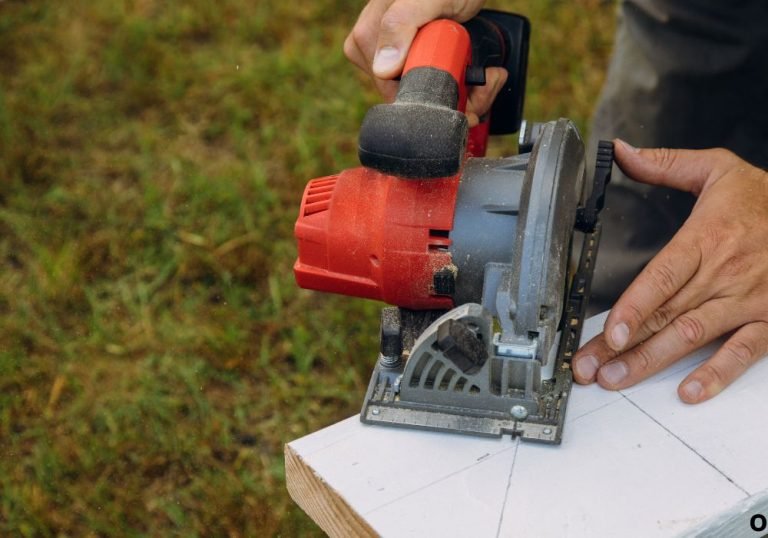
Picture yourself in the middle of a woodworking project, staring at a stack of thick plywood boards. You grab your circular saw, line it up along the edge, and in seconds, it slices cleanly through the material with satisfying precision.
That simple motion explains why circular saws are among the most trusted tools in every workshop. They’re fast, efficient, and capable of handling everything from framing lumber to fine woodworking.
Whether you’re building furniture, cutting flooring, or tackling home renovations, a circular saw gives you the power and control to get perfect cuts with minimal effort.
According to a 2024 woodworking report, over 70 percent of professionals call the circular saw their most-used power tool because of its versatility and durability.
In this article, we’ll explore all the major advantages of a circular saw, how it stands apart from other power tools, and why every craftsman and DIYer should have one on hand.
Versatility Across Materials and Applications
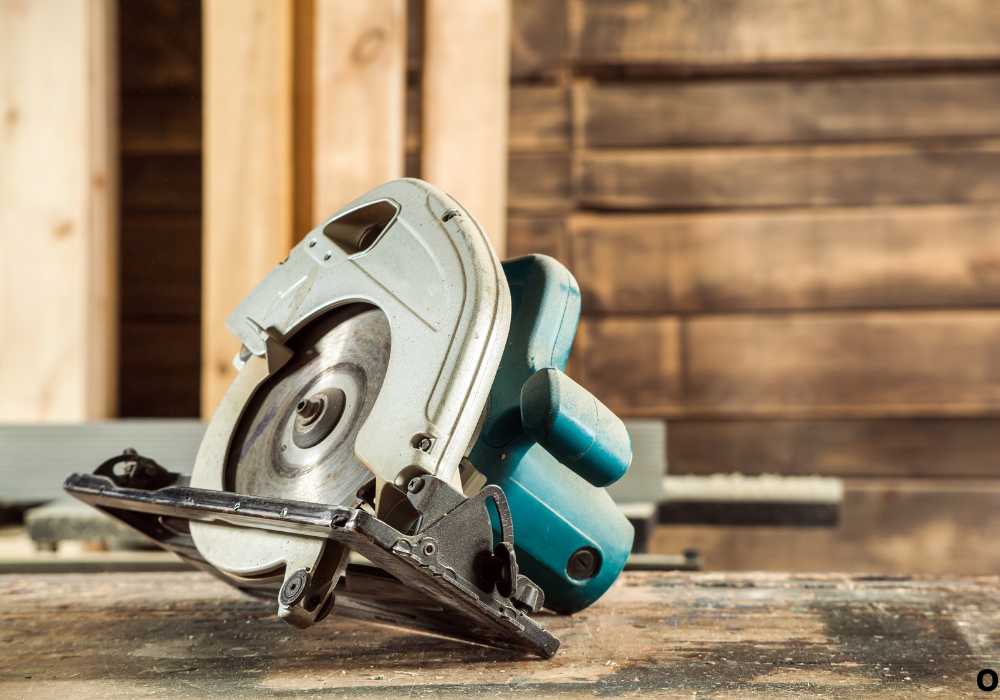
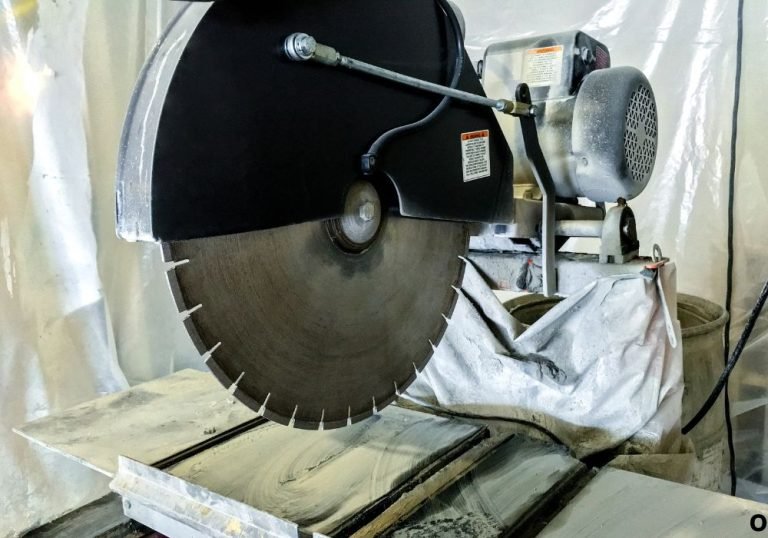
One of the greatest advantages of a circular saw is its unmatched versatility. It can cut wood, metal, plastic, and even masonry with the right blade attached.
Woodworkers use it for crosscuts, rip cuts, plunge cuts, and even angled bevel cuts, making it a true all-purpose tool.
The ability to swap blades means a single saw can move between projects without limitation. You can cut framing studs in the morning, trim laminate flooring in the afternoon, and slice through sheet metal in the evening.
Because it’s handheld, a circular saw easily adapts to different materials and environments. This flexibility makes it a must-have for carpenters, builders, and home improvement enthusiasts alike.
Portability and Ease of Use
Circular saws are designed for mobility, giving you the freedom to cut anywhere rather than hauling materials to a stationary machine.
They’re compact, easy to carry, and require minimal setup time. Whether you’re working in a garage, workshop, or outdoors, you can get started in minutes.
Most modern circular saws are built with ergonomic handles and lightweight frames to reduce fatigue during long work sessions. Cordless models add another level of convenience, letting you move freely without worrying about extension cords.
For contractors and DIYers, portability saves valuable time and effort. It’s one of the main reasons circular saws have become indispensable on job sites.
Speed and Cutting Efficiency
When it comes to cutting speed, few tools can match a circular saw. Its high-RPM motor spins the blade between 4,000 and 6,000 revolutions per minute, allowing it to slice through thick materials in seconds.
This speed helps complete repetitive cuts quickly while maintaining accuracy. Whether you’re trimming panels or ripping long boards, a circular saw ensures smooth, even performance from start to finish.
Because the blade remains in constant contact with the material, there’s less vibration and fewer jagged edges. The result is cleaner, faster cuts that require minimal sanding or finishing afterward.
For both professional builders and hobbyists, that efficiency translates into real productivity — finishing more work in less time without compromising precision.
Accuracy and Precision Cuts
Despite its simplicity, a circular saw is capable of producing highly accurate results. Many models include adjustable depth and bevel settings, allowing for exact control over each cut.
When paired with a straightedge guide or track system, the tool can rival the precision of a table saw. That’s why it’s often used in cabinetry and flooring where measurements must be exact.
Depth control also reduces material waste by cutting just as deep as needed. A properly tuned circular saw can deliver smooth, professional-quality edges that require little to no rework.
Accuracy is one of the biggest reasons the circular saw remains an essential tool in both professional workshops and home garages.
Power and Performance
Circular saws are powerful machines built to handle demanding jobs. Most corded versions use 13- to 15-amp motors, providing around 2,000 watts of cutting strength.
This power enables the saw to maintain consistent speed even when working through dense hardwood or thick panels. Cordless versions, powered by advanced 18V to 60V brushless motors, now rival their corded counterparts in strength and runtime.
High torque allows the blade to resist stalling and burning, ensuring each cut remains smooth and steady. The balanced design of the motor also minimizes vibration, giving better control and safety.
For heavy-duty cutting, the combination of speed, torque, and stability makes circular saws unbeatable.
Clean and Smooth Results
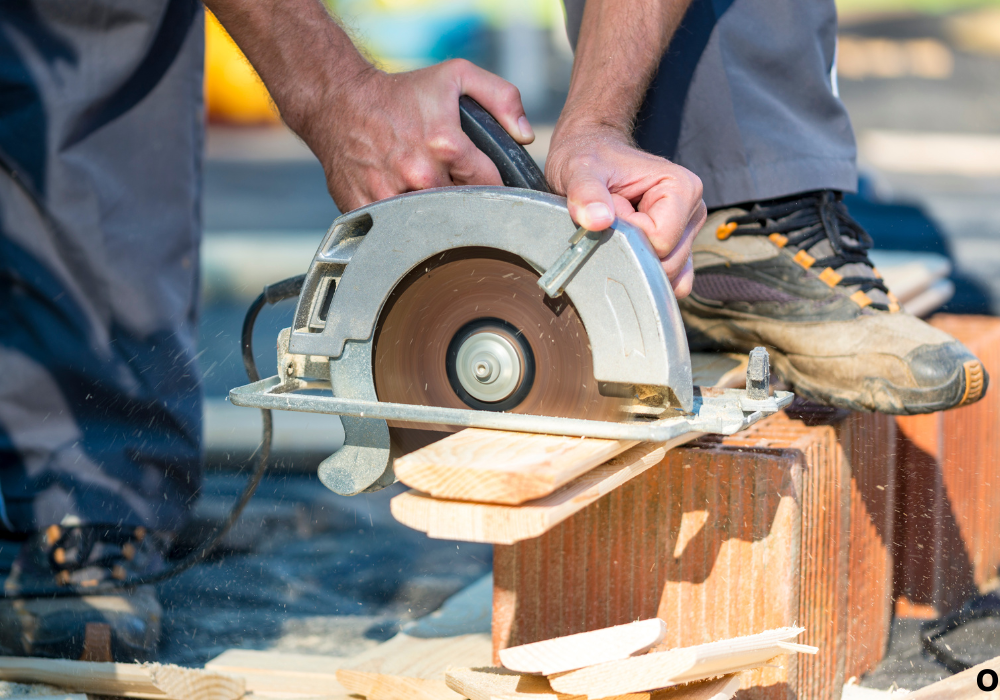
Another clear advantage of circular saws is the quality of their finish. The spinning blade’s continuous motion produces a smoother surface compared to tools that use a back-and-forth movement.
When used with the right blade — such as fine-tooth or carbide-tipped options — the results are clean and professional-looking.
This reduces the need for sanding or planing, saving both time and material. Many professionals rely on circular saws to create ready-to-fit pieces straight from the cut.
Cleaner cuts also mean less waste, which helps reduce costs over time — an important factor in large construction or remodeling projects.
Cost-Effectiveness and Long-Term Value
A circular saw offers one of the best returns on investment among power tools. Even high-quality models are affordable compared to table or miter saws, yet deliver similar performance for many applications.
Their durability and minimal maintenance needs mean they can last for years with proper care. A simple blade change or cleaning often keeps the saw working like new.
Because one tool can replace several others, it eliminates the need to buy multiple specialized saws. That’s why professionals often call it the “money-saving saw.”
For anyone looking to build an efficient workshop on a budget, a circular saw provides high value at a low cost.
Adjustable Depth and Bevel Cuts
Most circular saws allow users to adjust both cutting depth and bevel angle. This gives more creative control and allows you to handle more complex woodworking tasks.
Depth adjustment ensures you cut exactly through the material without damaging the surface underneath. It’s especially useful for flooring and countertop work.
The bevel setting allows angled cuts up to 45 degrees, enabling clean joints, miters, and decorative edges.
With these simple adjustments, one tool can perform multiple types of cuts that would otherwise require specialized machines.
The flexibility of these settings makes a circular saw ideal for both structural and finishing work.
Space-Saving and Practical for Small Workshops
Unlike large stationary saws, a circular saw requires very little storage space. It’s compact enough to hang on a wall, store under a bench, or carry in a small toolbox.
For hobbyists or small workshop owners, this makes it an extremely practical choice. You can still achieve professional-level cuts without dedicating an entire workbench to one machine.
Cordless versions further enhance flexibility, eliminating the need for cords and outlets.
This convenience and portability make circular saws perfect for small workshops or mobile professionals who travel between sites.
Safety and Control Features
Modern circular saws come equipped with advanced safety mechanisms designed to protect users during operation.
Most models include blade guards, electric brakes, and lock-off switches to prevent accidental startups.
Ergonomic handles and balanced designs improve control, reducing the risk of slipping or kickback during cuts.
Some high-end models even feature dust ports that connect to vacuums, keeping your workspace clean and reducing airborne particles.
These built-in safety features make circular saws one of the safest and easiest cutting tools for both beginners and professionals.
Time Efficiency in Construction and Renovation
Circular saws are time-saving tools that improve workflow on every project. They allow quick material sizing, framing, and trimming without frequent tool changes.
Their portability lets workers move from one task to another seamlessly — ideal for construction or home renovation projects.
For roofers and framers, the ability to cut boards directly in place eliminates extra handling and saves hours of labor.
Even when working alone, a circular saw helps maintain steady progress without needing large setups or assistance.
In industries where time is money, that efficiency can make a huge difference in profitability.
Environmental and Economic Benefits
Because circular saws are efficient and waste less material, they contribute to more sustainable building practices. Cleaner cuts mean fewer offcuts and reduced disposal needs.
Their long lifespan and replaceable parts also reduce tool waste over time. Many models now feature energy-efficient brushless motors that consume less electricity while maintaining the same power.
Economically, less waste and faster work translate into lower project costs. This makes circular saws both environmentally and financially beneficial in the long run.
For professionals and hobbyists alike, this combination of sustainability and value is a win-win.
FAQs
1. What makes a circular saw better than other saw types?
Its versatility, portability, and power allow it to perform a wide range of cuts that would otherwise require multiple tools.
2. Can a circular saw cut metal or concrete?
Yes, with specialized blades such as diamond or carbide-tipped options designed for non-wood materials.
3. Are cordless circular saws powerful enough for professional use?
Modern 36V and 60V brushless cordless saws now match corded models in both torque and cutting capacity.
4. How do I ensure clean cuts with a circular saw?
Use a sharp, appropriate blade for your material, support your work properly, and follow a guide or straightedge for precision.
5. Are circular saws safe for beginners?
Yes, as long as you follow safety precautions, use guards, and keep both hands on the handles during operation.
6. How long can a circular saw last?
With regular maintenance and proper use, a quality circular saw can last 10–20 years or longer.
7. What size blade is best for general woodworking?
A 7¼-inch blade is standard and suitable for most woodworking and construction projects.
Conclusion
The advantages of a circular saw make it one of the most valuable tools in any workshop. From its ability to cut multiple materials to its portability, precision, and speed, it’s the perfect balance of power and practicality.
Whether you’re building furniture, framing a home, or tackling weekend DIY projects, a circular saw saves time, reduces effort, and delivers professional-quality results.
Its efficiency, affordability, and long lifespan make it a tool that pays for itself many times over.
Every serious woodworker or builder should own a circular saw — not just as a convenience, but as the backbone of their cutting toolkit.

I’m Michael R. Turner, the founder, lead writer, and passionate DIY enthusiast behind 101diytools.com. With years of hands-on experience in home improvement and power tools, I built this platform to share practical tips, in-depth guides, and honest reviews to help DIYers of all skill levels tackle projects with confidence and the right tools.