Should I Wear Gloves When Working Out or Skip Them
The bar slips slightly as sweat builds during a heavy deadlift. Nearby, another lifter trains with padded gloves, claiming better comfort and wrist support.
The debate begins: should I wear gloves when working out or skip them?
Many gym-goers view gloves as essential protection against calluses and blisters. Others argue that gloves weaken grip strength and dull bar feel.
The choice often depends on whether comfort, performance, or hygiene matters most in training.
Studies suggest gloves can actually reduce measurable grip strength by altering bar thickness and limiting tactile feedback (PubMed).
This is why powerlifters typically avoid gloves for heavy pulls, relying instead on chalk or straps.
At the same time, gym hygiene has become a bigger concern. Equipment surfaces can harbor bacteria, though proper cleaning and handwashing remain the most effective safeguards (Snopes).
Gloves may provide a barrier, but they are not a substitute for sanitation.
The truth is, gloves are neither inherently good nor bad. They offer clear advantages for reducing friction, protecting skin, and improving comfort on machines or high-rep sets.
Yet they can hinder performance in movements where grip strength is the limiting factor.
This guide explores the benefits, drawbacks, and alternatives to wearing gloves in the gym. Readers will learn when gloves help, when they hurt, and how to make the smartest choice based on training goals.
Quick Answer — Should I Wear Gloves When Working Out?

Wearing gloves in the gym is a personal choice. They provide comfort, skin protection, and hygiene benefits but can reduce raw grip strength on heavy lifts.
For strength-focused training, gloves may hinder performance by increasing bar thickness and limiting tactile feedback. For general fitness or high-rep sessions, gloves can improve comfort and reduce callus buildup.
The simple answer is: wear gloves if comfort and protection matter most, skip them if maximum grip strength and bar feel are your priority.
What’s the fastest rule of thumb?
Use gloves for comfort and hygiene, but go bare or use chalk when grip is critical.
Do gloves improve actual grip strength?
No, research shows they often reduce measurable grip force.
Are gloves bad for all lifts?
Not necessarily. They are fine for machines, dumbbells, and high-rep training.
What about in competitions?
Powerlifting rules typically ban gloves for barbell lifts.
Is there a middle ground?
Yes, use chalk, straps, or minimalist fingerless gloves depending on needs.
The Benefits — Protection, Comfort, Hygiene
Gloves shield hands from constant friction. This reduces callus formation, blisters, and skin tears during repetitive pulling or kettlebell work.
They improve perceived grip on sweaty bars by adding traction and absorbing moisture. Many gloves also include built-in wrist wraps that provide light support.
For hygiene, gloves act as a barrier against bacteria and grime on shared gym equipment. While not foolproof, they can make training more comfortable for those concerned about germs.
Do gloves stop calluses?
They reduce friction but won’t eliminate calluses entirely.
Can gloves help wrist pain?
Yes, models with wraps provide mild wrist stabilization.
Are gloves more hygienic?
They offer a barrier but don’t replace handwashing and cleaning.
Do gloves let you lift heavier?
Sometimes by improving comfort, but they don’t increase raw grip strength.
Do gloves reduce sweat slippage?
Yes, many designs improve traction during long sets.
The Drawbacks — Grip Mechanics, Bar Feel, Strength Testing
Gloves can weaken grip mechanics. By increasing bar thickness, they make it harder to lock in mixed or hook grips on heavy barbell lifts.
They reduce tactile feedback from the bar. Without direct skin contact, lifters lose subtle cues that help maintain proper form and grip pressure.
Performance studies confirm that gloves often lower maximum grip force compared to bare hands. For serious strength athletes, this can be a limiting factor.
Why do gloves reduce grip for heavy pulls?
They thicken the bar and reduce friction feedback.
Do minimalist gloves fix this?
They help with comfort but still alter bar feel.
What about chalk instead?
Chalk increases friction without adding thickness.
Are gloves bad for bench press?
Not usually, since pressing relies less on grip strength.
Do gloves make bars slip more?
Some synthetic palms can be slippery if worn down.
Hygiene Reality Check — Are Gyms That Dirty?
Gyms can harbor bacteria, but sensational claims often exaggerate the danger. Surfaces like free weights and treadmills can carry microbes, yet regular cleaning minimizes risk.
Handwashing, wiping equipment, and avoiding face touching remain the most effective hygiene practices. Gloves help but are no replacement for basic sanitation.
Gloves also trap sweat inside, creating their own hygiene issue if not washed regularly. Dirty gloves can harbor just as many microbes as gym equipment.
Do gloves prevent infections?
They reduce direct contact but don’t guarantee safety.
Should gloves be washed?
Yes, sweat and bacteria build up quickly.
Is the “toilet seat” claim accurate?
No, it came from a limited non-scientific test.
Are gloves safer than bare hands?
Only if they are cleaned and replaced regularly.
Do gloves protect cuts or scrapes?
Yes, but bandages and cleaning are still necessary.
Movement-by-Movement Guide — When Gloves Help vs Hurt
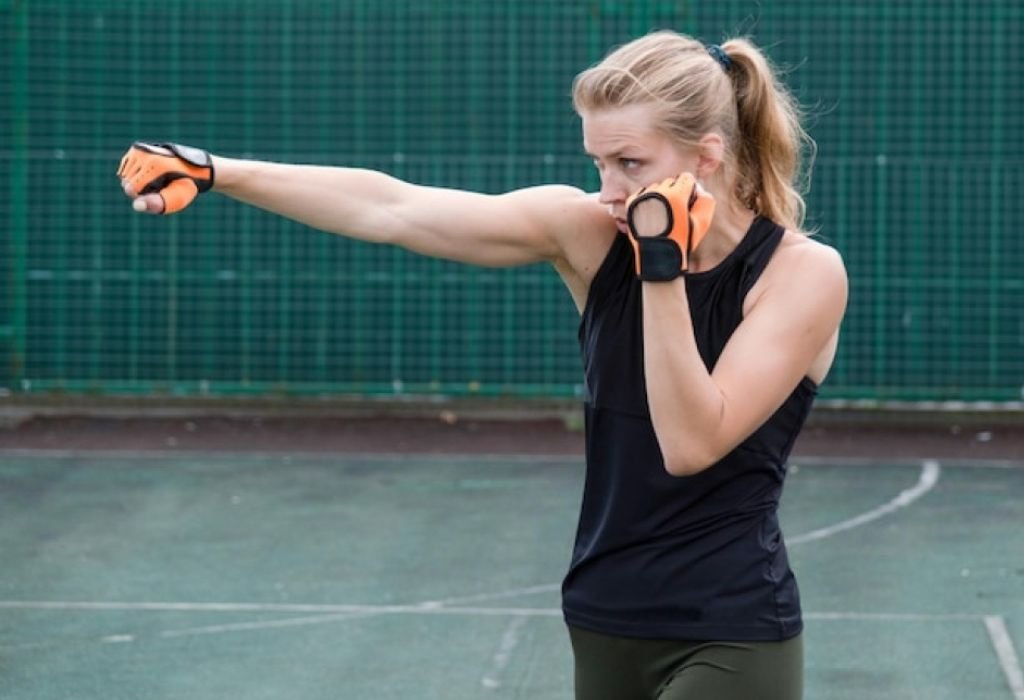
Pulling Days (Deadlifts, Rows, Pull-ups)
Gloves are not ideal for heavy deadlifts since they reduce grip strength and bar feel. For pull-ups or rows, gloves may protect against torn skin and blisters.
They can help with high-rep sets where comfort matters more than raw grip. But for max-effort lifts, chalk or straps remain better choices.
Gloves for max deadlifts?
No, skip gloves and use chalk or straps.
For pull-ups with torn skin?
Yes, gloves protect healing skin.
Are gloves fine for rows?
Yes, especially in high-rep hypertrophy training.
Do straps work better than gloves?
Yes, for supporting grip on heavy barbell pulls.
Do gloves help kettlebell swings?
Yes, they reduce friction on the palms.
Pressing Days (Bench, OHP, Machines)
Gloves have minimal impact on pressing since grip strength isn’t the main limiter. Some lifters enjoy added wrist support for bench or overhead press.
Synthetic palms can slip on smooth machine handles, so textured materials are better. Comfort is the biggest benefit here.
Do gloves change bench press technique?
Not significantly.
Are gloves helpful on machines?
Yes, they improve comfort during long sets.
Do wrist-wrap gloves help pressing?
Yes, they stabilize the joint slightly.
Do gloves affect bar path?
No, pressing mechanics remain the same.
Should pressing-focused lifters wear gloves?
Yes, if comfort is the main priority.
CrossFit, Calisthenics, Conditioning
For high-volume movements like kipping pull-ups or kettlebell circuits, gloves can prevent skin tears. Gymnastic grips are another popular option.
CrossFit athletes often prefer grips or tape for better bar feel and protection. Gloves work, but they must be chosen carefully to avoid slippage.
Gloves or gymnastic grips?
Grips usually perform better for rigs.
Do gloves help in Metcons?
Yes, they reduce blisters and friction burns.
Are gloves safe for rope climbs?
Yes, but thick gloves can slip; wraps may work better.
Do CrossFit rules allow gloves?
Yes, they’re permitted in most competitions.
Should calisthenics athletes wear gloves?
Yes, if skin tears are frequent.
Materials & Design — Leather, Neoprene, Open-Finger, Wrist Wraps
Leather gloves offer durability and traction, while neoprene absorbs sweat for comfort. Open-finger designs preserve some bar feel while adding protection.
Many modern gloves integrate wrist wraps, giving additional support for pressing movements. Palm padding thickness varies by brand and purpose.
The best glove is snug, supportive, and free of seams in high-contact areas. Fit is critical for both comfort and performance.
Best material for sweaty hands?
Textured leather or sweat-wicking neoprene.
Half-finger or full-finger gloves?
Half-finger improves feel; full-finger adds hygiene.
Do gel pads help grip?
They add comfort but reduce bar feel.
Are leather gloves better than synthetic?
Yes, for durability and traction.
Should gloves fit tight?
Yes, snug but not restrictive.
Alternatives to Gloves — Chalk, Liquid Chalk, Straps, Skin Care
Chalk improves grip by reducing sweat and increasing friction. Many gyms ban loose chalk, but liquid chalk is widely accepted.
Straps assist grip during heavy barbell pulls when grip is the limiting factor. They should be used strategically, not for every set.
Callus care is another alternative. Regular filing, pumice stones, and moisturizers prevent painful rips without needing gloves.
Chalk or gloves for sweaty hands?
Chalk is usually better if allowed.
When should straps be used?
On max-effort lifts, not warm-ups.
Best fix for calluses?
File regularly and moisturize.
Is liquid chalk safe indoors?
Yes, it’s clean and effective.
Are straps cheating?
No, they’re a tool like gloves.
By Goal — Strength, Hypertrophy, Conditioning, General Fitness
Strength athletes should avoid gloves in heavy barbell lifts where grip is tested. Bare hands and chalk provide the best performance.
Hypertrophy or conditioning training often benefits from gloves since comfort and volume are prioritized. Gloves reduce distractions from hand pain.
For general fitness, the best choice is the one that keeps training consistent and enjoyable. Comfort, skin health, and preference all matter.
Will gloves slow strength gains?
Not if grip training is still practiced.
Good for beginners?
Yes, they reduce discomfort and keep training fun.
Best for older lifters?
Yes, gloves protect sensitive skin.
Do gloves help cardio workouts?
Yes, especially for kettlebells or circuits.
Do bodybuilders use gloves?
Many do, for comfort during long sessions.
Buying Checklist — Pick the Right Pair
Check for snug fit, palm texture, padding thickness, wrist support, and washability. Try gripping a dumbbell or bar before purchasing.
Choose materials based on sweat levels and durability needs. Leather lasts longer, neoprene is more breathable.
Washability is critical, since sweat buildup reduces grip and increases bacteria.
How tight should gloves be?
Snug without cutting circulation.
Wash after every session?
Air-dry and wash often.
Budget or premium gloves?
Premium usually last longer.
Best for heavy lifters?
Leather with minimal padding.
Best for high-rep lifters?
Neoprene with cushioning.
Care & Hygiene — Make Gloves Last

Turn gloves inside-out after use to dry thoroughly. Wash them on gentle cycle and avoid fabric softeners that reduce grip.
Replace gloves when palms become shiny and slippery. Storing them in open air prevents odor and bacteria buildup.
Having a spare pair ensures hygiene and comfort during long training cycles.
Why do gloves get slippery?
Sweat oils build up on the palms.
Can leather gloves be wiped with alcohol?
Sparingly, but leather cleaner is safer.
Should gloves be air-dried?
Yes, to avoid odor.
How often should gloves be replaced?
Every 6–12 months with heavy use.
Can gloves go in dryers?
No, heat damages materials.
Myth-Busting — Claims vs Evidence
Some claim gloves always improve grip, but studies show they often reduce maximum force. Others argue gyms are filthy, yet handwashing is more effective than relying on gloves.
Another myth is that only beginners wear gloves. In reality, many bodybuilders and conditioning athletes use them strategically.
The truth is that gloves are a tool. Like straps or chalk, they have proper uses depending on training goals.
Are gloves cheating?
No, they’re just a tool.
Do pros wear gloves?
Yes, for comfort in hypertrophy training.
Are gyms dangerously dirty?
No, but hygiene matters.
Do gloves prevent all blisters?
No, but they reduce friction.
Is chalk always better?
Not if gyms ban it.
Conclusion
So, should you wear gloves when working out? The answer depends on your goals, lifts, and comfort.
Gloves protect hands, reduce discomfort, and improve hygiene, but they can lower grip strength on heavy lifts. For maximum performance, chalk and bare hands often win.
The smartest approach is flexible. Use gloves when comfort matters, skip them when grip strength is the priority, and always pair them with good hand care and hygiene.

I’m Michael R. Turner, the founder, lead writer, and passionate DIY enthusiast behind 101diytools.com. With years of hands-on experience in home improvement and power tools, I built this platform to share practical tips, in-depth guides, and honest reviews to help DIYers of all skill levels tackle projects with confidence and the right tools.