
Should You Power Wash Deck After Sanding? Truth Here
After spending hours sanding your deck, the surface looks smooth and renewed, yet something still feels incomplete. The wood seems bare, filled with dust, and the question arises — should you power wash your deck after sanding or leave it as is?
Many homeowners skip this final cleaning step, believing sanding alone is enough. Unfortunately, that small oversight can lead to peeling stain, blotchy finishes, and wasted effort within a few months. A freshly sanded deck is vulnerable, with open wood pores ready to absorb anything — including leftover dust and debris.
Proper surface preparation is the foundation of a durable deck finish. Nearly 60% of premature deck coating failures happen due to improper cleaning before staining. That single step determines whether your stain penetrates evenly or sits weakly on the surface.
The debate over washing after sanding continues because the process requires careful timing and the right pressure. Cleaning too soon or too harshly can damage the fibers you just smoothed, while skipping it completely can trap contaminants beneath the new finish. Balancing these two outcomes is what separates a lasting finish from one that fades within a season.
This guide uncovers the truth about when and how to power wash a deck after sanding, the best cleaning methods for different wood types, and how to ensure maximum adhesion for stains or sealers. The goal is simple — achieve a smooth, clean, and long-lasting deck surface that truly stands the test of time.
What Does Deck Sanding Achieve?
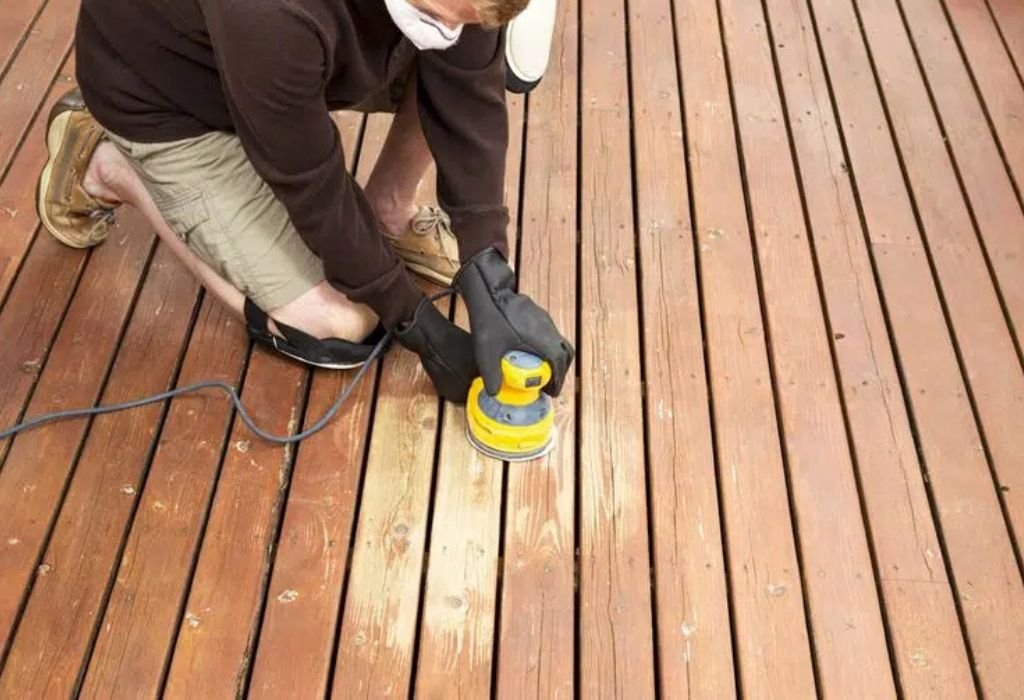
Deck sanding is one of the most crucial steps before applying any stain or sealer. It removes old finishes, gray weathered wood fibers, and surface imperfections that can prevent the new coating from bonding properly.
When you sand a deck, the process exposes the fresh wood grain hidden beneath years of sun damage and grime. This prepares the boards for better stain penetration, ensuring the finish soaks deep into the wood instead of sitting on top.
Sanding also opens the wood pores, allowing moisture and protective treatments to move freely through the surface. If these pores remain clogged with dirt or old coatings, even high-quality stains can fail within months.
However, sanding alone cannot remove every trace of fine dust or embedded residue. A freshly sanded deck looks clean but still carries a microscopic layer of sawdust that can block the pores you just opened. Without proper cleaning, that residue hardens under the finish and leads to early peeling, cracking, and discoloration.
What is deck sanding?
Deck sanding smooths the surface to remove old coatings, splinters, and weathered fibers before refinishing.
Why open the wood pores by sanding?
Open pores allow the stain or sealer to absorb deeper into the grain, creating stronger adhesion and longer-lasting protection.
Can you skip sanding and still refinish a deck?
Skipping sanding results in patchy stain coverage, poor bonding, and faster wear, especially if the old finish is still present.
Does sanding remove all dirt and contaminants?
No, sanding removes the outer layer but leaves behind fine dust and residue that must be cleaned before finishing.
What sandpaper grit is best for decks?
Experts recommend 60–80-grit sandpaper to smooth the surface without sealing the wood pores, ensuring optimal stain absorption.
The Role of Power Washing (Cleaning) After Sanding
Power washing after sanding plays a vital role in preparing the surface for stain or sealer. It removes fine sawdust, wood fibers, and debris that could prevent deep penetration of the finish.
When the deck is sanded, thousands of micro-particles settle between the wood pores. A light power wash or rinse lifts and flushes away those residues, creating a clean, open surface ready to bond with the finish.
However, the process must be gentle. Using high pressure can damage the freshly sanded surface, raising wood fibers or causing gouges that ruin the smoothness you achieved.
Light washing after sanding helps remove leftover dust and brightens the wood without harming its structure. It’s the bridge between sanding and staining — a step that ensures no contaminants remain trapped.
Should you power wash a deck after sanding?
Yes, but gently. Use low pressure to clean the surface and remove all dust and residue without harming the wood.
Can a power washer damage the deck after sanding?
Yes, excessive pressure can tear soft fibers or cause splintering. Keep it between 500–1200 psi and use a fan nozzle.
Is cleaning necessary if the deck looks clean?
Even clean decks carry invisible sawdust; rinsing ensures every pore is ready to absorb stain evenly.
How soon after sanding should cleaning be done?
Clean immediately or within 24 hours before dust resettles or humidity causes new contamination.
What if power washing isn’t available?
A hose, soft brush, and deck cleaner can achieve similar results for light residue removal.
When Exactly to Power Wash (or Not) After Sanding
Timing matters when deciding to clean your deck after sanding. Power washing too soon after sanding, or without enough drying time before staining, can trap moisture and ruin adhesion.
Ideally, the deck should be dry, sanded, and free from debris before you start washing. Choose a calm day with moderate temperatures to allow proper drying afterward.
Decks should dry for at least 24–48 hours after washing before applying any sealer or stain. Moisture trapped beneath the coating is one of the main causes of peeling and cracking.
When is the best time to wash after sanding?
Do it on the same day or the next dry day after sanding to prevent dust from resettling.
Are there cases when washing isn’t recommended?
Yes, if the deck is already spotless or made of softwood, light sweeping and vacuuming may be safer than pressure washing.
How long should the deck dry after washing?
Usually 1–2 days under sunlight and airflow before staining or sealing.
Does weather affect the result?
Rain, humidity, or shade slow drying and reduce finish performance; pick a dry, sunny forecast window.
What happens if you stain before it dries completely?
Moisture trapped in the wood prevents stain penetration, causing blotching and early peeling.
How to Safely Power Wash or Clean After Sanding
Cleaning after sanding must be done with precision to protect the deck’s new surface. Start by sweeping or vacuuming to remove loose dust, then choose between power washing or manual cleaning depending on deck material.
For pressure washing, use a wide-fan nozzle and hold it at least 12 inches from the surface. Move along the wood grain in smooth strokes to avoid etching marks or streaks.
When using cleaning solutions, choose pH-balanced deck cleaners or wood brighteners that restore the wood’s natural tone. Avoid bleach or overly acidic cleaners that can weaken fibers.
Brushing with a mild cleaner and rinsing thoroughly is often enough for lightly sanded decks. It keeps the surface safe while removing dust residues.
What pressure and nozzle are safest?
Stay between 500–1200 psi with a 25- to 40-degree fan tip. Maintain steady distance and avoid concentrated jets.
What cleaning agent should be used?
Opt for wood-specific cleaners or oxalic acid brighteners that neutralize tannins and lift dust effectively.
Can a hose and scrub brush replace a pressure washer?
Yes, especially for softwoods like cedar or pine where too much pressure could scar the surface.
How do you prepare before cleaning?
Remove furniture, sweep debris, cover plants, and check for loose nails or damaged boards.
What to do after cleaning?
Let the deck air-dry completely before applying stain or sealant. Inspect for raised fibers and lightly sand if necessary.
Pros and Cons of Power Washing After Sanding
Every method has advantages and risks, and understanding them helps you decide whether washing is necessary for your project.
The biggest advantage is improved stain adhesion. Washing removes the invisible dust film that sanding leaves behind, ensuring the finish penetrates evenly. It also revives natural wood color and eliminates fine debris from cracks and joints.
However, if done incorrectly, power washing can undo your sanding work. Too much pressure or improper technique can raise fibers and roughen the surface again.
Excessive pressure is the most common mistake in deck cleaning. It damages fibers and shortens the wood’s life, making the next refinishing cycle come sooner.
What are the main benefits?
Better finish adhesion, cleaner appearance, and longer-lasting protection for stains and sealers.
What are the main risks?
Raised grain, uneven texture, and water infiltration if pressure or drying time is mismanaged.
Is it necessary for every deck?
Not always — decks with light sanding and minimal dust may only need brushing or vacuuming.
Can washing extend the life of the deck?
Yes, when done correctly, it enhances coating durability and reduces future maintenance needs.
How to minimize risk?
Use low pressure, dry thoroughly, and apply the finish soon after cleaning.
Long-Term Deck Maintenance: Beyond Sanding and Washing
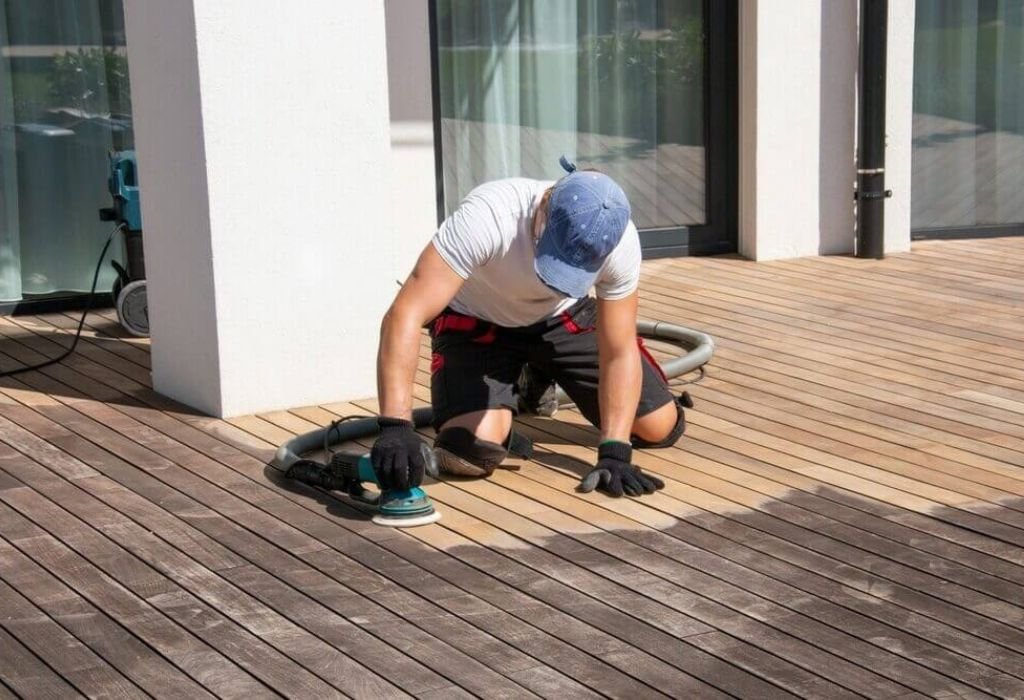
Deck maintenance doesn’t end once you apply the final coat of stain. Regular care keeps the surface beautiful and prevents costly repairs.
Routine cleaning, annual inspections, and periodic sealing preserve both the wood and finish. A clean deck repels moisture, resists UV damage, and prevents mold buildup.
Outdoor decks should be cleaned once a year and resealed every two to four years depending on climate and exposure.
How often should you clean or sand?
Light cleaning yearly; sanding and refinishing every 3–5 years depending on wear.
When should you reseal or restain?
When water no longer beads on the surface or when color starts fading.
What signs show a deck needs maintenance?
Cracking, gray discoloration, peeling stain, or slippery mold spots.
Can neglecting maintenance shorten lifespan?
Yes, lack of care allows water intrusion and UV damage, leading to rot or board replacement.
Is professional refinishing worth it?
For large or damaged decks, professionals ensure uniform sanding, safe cleaning, and even coating application.
Conclusion
So, should you power wash your deck after sanding? The answer lies in your deck’s condition and the quality of your sanding. A light rinse or gentle power wash removes lingering dust and improves finish adhesion — but only when done safely.
If your deck has visible debris or fine residue after sanding, washing is essential before staining. If it’s already clean and smooth, a vacuum and dry brush may be enough.
The goal is to create a dust-free, dry, and open-pore surface ready to absorb protective coatings evenly. Proper preparation ensures your stain lasts longer, your deck looks richer, and your hard work truly pays off.
Before applying that final finish, take a moment to assess your deck. A careful cleaning step today could mean years of beauty, protection, and fewer refinishing jobs down the road.

I’m Michael R. Turner, the founder, lead writer, and passionate DIY enthusiast behind 101diytools.com. With years of hands-on experience in home improvement and power tools, I built this platform to share practical tips, in-depth guides, and honest reviews to help DIYers of all skill levels tackle projects with confidence and the right tools.