what safety equipment is required when operating a power sander
A cloud of dust fills the air as the power sander hums against the wood. The surface starts to smooth, but fine particles drift into the air, clinging to skin, eyes, and lungs.
Many workers underestimate the hidden hazards of sanding, assuming that a dust mask or quick cleanup is enough to stay safe.
The truth is that power sanders can expose users to airborne dust, noise, vibration, and flying debris that pose real health risks over time.
According to OSHA, wood dust is classified as a hazardous substance capable of causing respiratory irritation, skin problems, and even certain cancers with prolonged exposure.
Another NIOSH study found that effective dust extraction combined with proper respirators can reduce particle exposure by up to 90 percent, yet many sanding operations still lack complete protection.
These statistics reveal a crucial question: what safety equipment is required when operating a power sander to prevent short-term injuries and long-term health problems?
From respiratory masks and protective eyewear to hearing protection and dust extraction systems, the right gear transforms a risky job into a safe, controlled task.
Understanding the correct protective equipment not only protects the user but also improves sanding performance and workspace efficiency. Safe sanding keeps visibility clear, air breathable, and results more consistent.
Why PPE Matters for Power Sanding (Risk Snapshot)
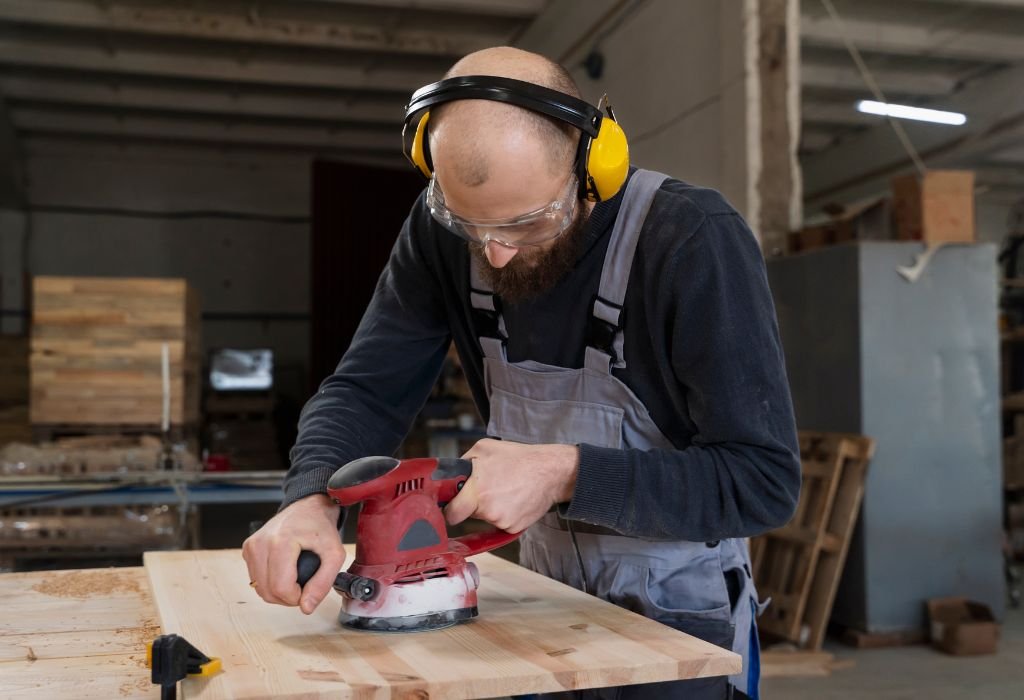
Sanding seems harmless until fine particles and noise begin to accumulate with every pass of the tool. The invisible dust, vibrations, and flying debris produced by a power sander can cause long-term damage if not properly controlled.
These hazards may not appear immediately, but repeated exposure increases the risk of respiratory issues, hearing loss, and skin irritation.
Wood dust, in particular, is one of the most dangerous byproducts of sanding. According to OSHA, prolonged exposure to airborne wood dust can cause nasal irritation, allergic reactions, and even certain types of cancer.
Fine dust particles, smaller than 10 microns, easily penetrate deep into the lungs where they accumulate over time. Without the right respirator or ventilation system, these particles can remain suspended in the air for hours, turning a workshop into a high-risk environment.
Beyond air quality, the physical hazards of sanding are equally serious. Flying wood chips and abrasive fragments can cause permanent eye injuries.
The high-frequency vibrations from handheld sanders can lead to numbness and joint strain when used without gloves designed for vibration damping.
Even noise exposure is often underestimated—most sanders produce sound levels between 85 and 95 decibels, which exceed safe exposure limits without hearing protection.
These risks highlight why PPE is not optional but essential. Proper protective gear acts as the last line of defense when engineering controls like dust extraction or sound insulation fall short.
Understanding these risks is the first step toward choosing the right safety equipment and ensuring that sanding remains efficient, controlled, and hazard-free.
Respiratory Protection — Selecting the Right Mask or Respirator
Among all safety concerns in sanding, respiratory protection is often the most overlooked yet the most critical. Power sanders generate ultrafine dust that floats through the air long after sanding stops.
Inhaling these particles can irritate the nose, throat, and lungs, leading to chronic respiratory conditions over time. Choosing the right respirator ensures that users breathe clean air throughout every stage of the sanding process.
For most sanding tasks, a filtering facepiece respirator rated N95 or higher is the minimum requirement. N95 masks block at least 95 percent of airborne particles, offering sufficient protection for general woodworking.
However, professionals working with exotic hardwoods, paint, or finishes should consider P100-rated respirators, which provide higher filtration efficiency and protection against oil-based particles.
Reusable half-mask respirators fitted with replaceable filters are often preferred for long sessions because they maintain a consistent seal and offer better comfort than disposable masks.
Fit and comfort are as important as filtration. A poorly fitted respirator allows dust to bypass the mask, making even high-grade filters ineffective.
Every respirator should be tested for a proper seal before use, and users with facial hair should ensure it does not interfere with the mask’s edges.
Additionally, OSHA’s Respiratory Protection Standard (29 CFR 1910.134) requires fit testing and training for anyone using respirators in professional environments.
Clean, well-fitted respiratory protection paired with effective dust extraction significantly reduces exposure and helps maintain a healthy workspace.
Breathing safely allows users to focus on precision and craftsmanship without compromising their health.
Eye and Face Protection — ANSI Z87.1 and Impact Ratings
Eye and face protection are essential when operating a power sander. The tool’s rapid motion can eject wood particles, abrasive grit, and dust at high speed, posing a serious threat to the eyes and surrounding skin.
Even a small splinter can cause irritation, corneal injury, or infection, making protective eyewear a non-negotiable part of any sanding setup.
Safety eyewear should meet the ANSI Z87.1 standard, which certifies resistance to impact, dust, and chemical exposure.
Glasses marked Z87+ offer high-impact protection and are ideal for power sanding, where flying debris is a common hazard.
For tasks that produce heavy dust or involve overhead work, sealed goggles or foam-lined safety glasses provide additional protection by preventing fine particles from entering around the lenses. These should fit snugly and comfortably, without gaps that allow dust intrusion.
Face shields add another layer of safety, protecting against larger debris or when sanding metal or painted surfaces. However, they are not a substitute for safety glasses; they should always be worn together for full coverage.
Proper cleaning and maintenance of eyewear are equally important, as scratched or fogged lenses can reduce visibility and increase the likelihood of accidents.
By investing in durable, well-fitted eye and face protection, users can prevent serious injuries while maintaining clear vision during detailed work.
Whether it’s sanding furniture or large wooden panels, certified eyewear ensures that precision and safety go hand in hand, creating a secure environment for both professionals and hobbyists.
Hearing Protection — Managing Sander Noise Exposure
The constant hum of a power sander may seem harmless, but prolonged exposure to high noise levels can cause irreversible hearing damage.
Most sanders, including belt, orbital, and random orbital models, operate between 85 and 95 decibels—a range that exceeds safe exposure limits set by OSHA for continuous work without protection.
Even short sanding sessions can accumulate harmful noise exposure over time, making hearing protection an essential part of every safety setup.
There are two main types of hearing protection suitable for sanding: earplugs and earmuffs. Earplugs, made from foam or silicone, fit directly inside the ear canal and provide high levels of sound attenuation when properly inserted. They’re lightweight, inexpensive, and ideal for extended periods of use.
Earmuffs, on the other hand, form a seal around the ears and are easier to remove and replace during short tasks. For maximum protection, both can be used together in extremely noisy environments.
Comfort and fit play a significant role in maintaining consistent protection. Hearing protection should create a secure seal without causing discomfort or interfering with other safety gear such as respirators or goggles.
Many modern earmuffs feature electronic noise reduction technology that lowers harmful noise levels while still allowing users to hear normal conversation or important sounds in the workspace.
Protecting your hearing is just as vital as protecting your lungs or eyes. Consistent use of certified hearing protection ensures that long hours in the workshop remain productive, comfortable, and safe—preserving your focus, performance, and long-term hearing health.
Hand, Skin, and Clothing — Gloves, Sleeves, and Non-Snag Garments
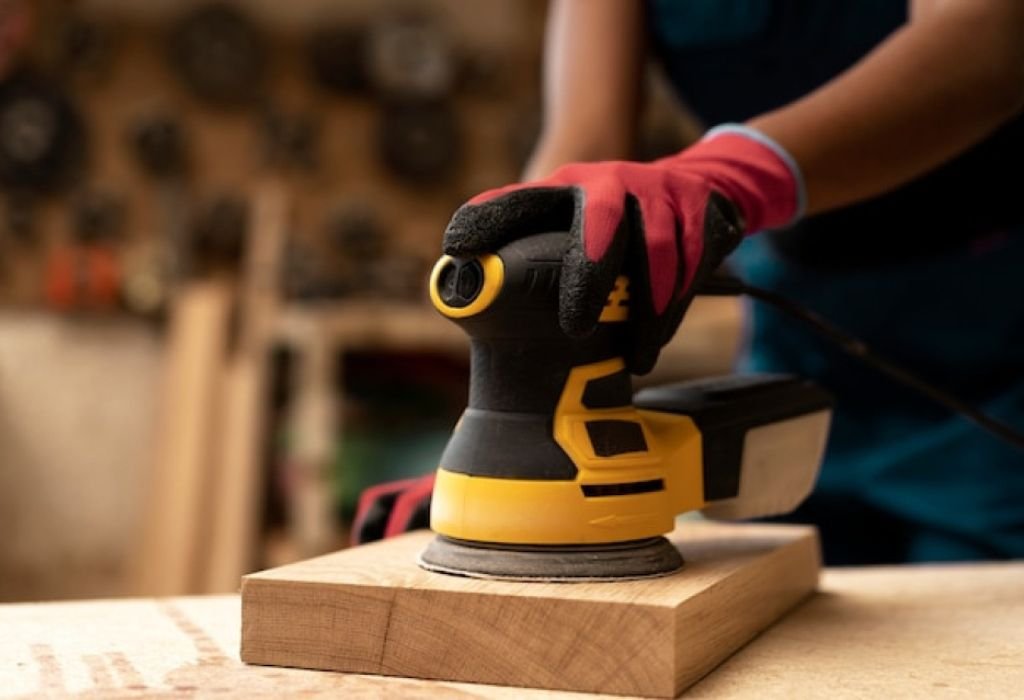
While operating a power sander, the hands are constantly in motion, guiding and stabilizing the tool. Without proper protection, repeated vibration, friction, and contact with abrasive materials can lead to blisters, burns, or long-term strain injuries.
Choosing the right gloves and work clothing ensures both safety and comfort, allowing precise control of the tool without increasing fatigue.
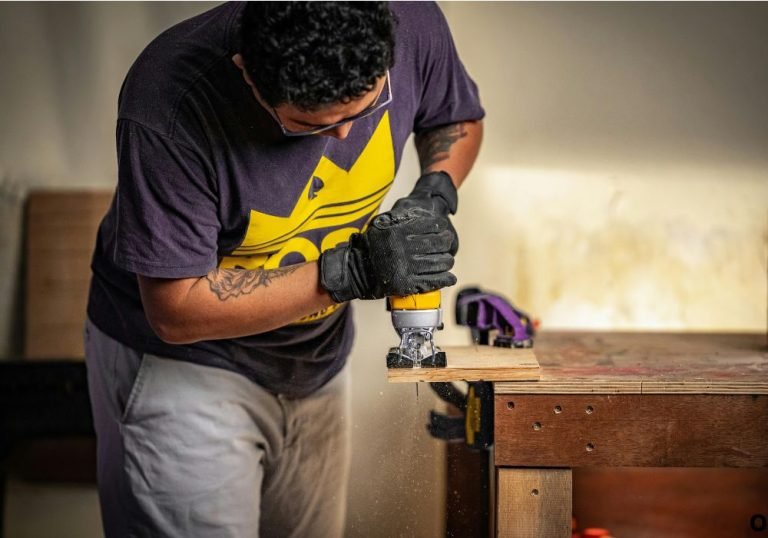
Gloves should be snug-fitting, flexible, and made from materials that provide both grip and tactile sensitivity. Lightweight mechanic-style gloves or anti-vibration gloves are ideal, as they help absorb tool vibrations while maintaining dexterity.
Avoid bulky gloves or loose fabric that could catch in the moving parts of the sander. When sanding metal or rough wood, cut-resistant gloves offer additional protection from sharp edges or splinters.
In addition to hand safety, proper workwear plays an important role in preventing accidents. Long sleeves should be fitted at the wrist, and shirts or jackets should not have loose cuffs or hanging strings.
Jewelry, watches, or accessories must be removed before sanding to avoid entanglement with moving parts.
Durable, breathable fabrics such as cotton or canvas protect against dust and light abrasion while keeping the operator cool during long sessions.
For added safety, protective sleeves or aprons can shield arms and torso from flying debris, while non-slip footwear ensures stable footing on dusty floors.
Dressing for safety is not just about protection—it’s about maintaining mobility and control, ensuring that every movement stays steady and intentional.
Foot and Body Position — Stable Stance, Slip Resistance
Maintaining a stable stance is one of the most overlooked aspects of power sander safety. Even when all protective equipment is in place, poor posture or unstable footing can lead to tool slips, uneven sanding, or unexpected kickbacks.
Stability ensures both precision and safety, allowing the operator to maintain consistent pressure and control throughout the process.
When sanding, the operator should stand with feet shoulder-width apart, keeping the body balanced and weight evenly distributed. This position minimizes strain on the back and arms while giving full control over the tool’s motion.
Avoid leaning too far forward or applying excessive downward pressure, as both can cause fatigue and make the sander difficult to maneuver smoothly.
Footwear plays a key role in preventing slips, especially when dust and debris accumulate on the workshop floor. Slip-resistant shoes or boots with firm soles provide the necessary traction to maintain balance.
Open-toed footwear, sandals, or shoes with worn soles should never be worn in a sanding environment. For added safety, keeping the workspace clean and free of loose cords or hoses helps prevent tripping hazards.
In addition to balance, cord management is equally important. Power cords and vacuum hoses should be routed away from walking paths or looped overhead to avoid tangling underfoot.
Good body alignment, clear footing, and proper cord placement work together to create a smooth workflow. A steady stance not only enhances safety but also improves sanding accuracy, helping achieve an even, professional-quality finish every time.
Dust Extraction — The First Line of Defense
Dust extraction is one of the most effective controls for reducing airborne hazards when operating a power sander. Every sanding pass releases thousands of microscopic particles that can remain suspended in the air for hours.
Without proper extraction, these particles settle on surfaces, affect visibility, and increase the risk of respiratory irritation or fire hazards. A well-designed dust collection system not only protects health but also improves tool performance and finish quality.
Modern power sanders are equipped with built-in dust collection ports that can be connected to external vacuum systems. For optimal efficiency, pair your sander with a HEPA-rated vacuum, capable of capturing fine particles as small as 0.3 microns.
Multi-hole sanding discs improve airflow, allowing dust to be pulled directly from the sanding surface through the pad. This setup keeps the workspace clean and prevents dust from clogging the abrasive, which extends the life of the sandpaper and ensures a smoother cut.
Proper maintenance of the extraction system is just as important as having one. Filters and dust bags should be emptied or replaced regularly to maintain suction power.
Hoses should be checked for leaks, as even small gaps can reduce airflow and collection efficiency. In workshops, a centralized extraction system with multiple connection points can handle several sanders simultaneously, ensuring consistent dust control.
Effective dust extraction transforms sanding from a messy chore into a safer, cleaner, and more efficient process. It not only safeguards the operator’s lungs but also delivers superior results with every project.
Standards and Exposure Limits — OSHA, NIOSH, HSE Basics
Understanding exposure limits is crucial for anyone who operates a power sander regularly. Safety standards established by organizations such as OSHA, NIOSH, and the HSE define how much dust exposure is acceptable during a typical workday.
These benchmarks help guide the selection of the right safety equipment and ventilation systems, ensuring a safe and compliant work environment.
According to OSHA, the permissible exposure limit (PEL) for total wood dust is 15 milligrams per cubic meter (mg/m³) for total dust and 5 mg/m³ for the respirable fraction, based on an eight-hour time-weighted average.
However, NIOSH recommends a much lower exposure limit of 1 mg/m³, emphasizing that even small amounts of airborne dust can cause irritation and long-term respiratory issues.
In the UK, the HSE sets a workplace exposure limit (WEL) of 3 mg/m³ for hardwood and 5 mg/m³ for softwood dust.
These differences underline the importance of taking a proactive approach to safety. While employers are legally required to meet national standards, following stricter guidelines such as NIOSH’s ensures a higher level of protection.
Employers should also conduct regular air quality monitoring and implement dust control systems that maintain exposure below these limits.
Knowing these standards empowers operators to make informed safety decisions. By combining effective PPE, dust extraction, and consistent monitoring, it becomes possible to maintain a workshop environment that is not only compliant but genuinely healthy for everyone involved.
Shop Setup — Lighting, Ventilation, and Housekeeping
A safe and efficient sanding environment depends on more than just personal protective equipment. Proper workshop setup—including lighting, ventilation, and housekeeping—plays an essential role in preventing accidents and maintaining consistent sanding quality.
A well-organized space not only improves visibility and air circulation but also minimizes hazards caused by clutter or poor airflow.
Lighting is the first factor that influences safety and precision. Bright, evenly distributed illumination allows operators to spot dust buildup, surface imperfections, or potential hazards before they become problems.
Raking light, positioned at a low angle, can highlight swirl marks and sanding inconsistencies that overhead lighting may miss.
Using LED fixtures with a daylight color temperature ensures true color representation when inspecting finishes or stains.
Ventilation is just as important as dust extraction. Even the best respirator can’t perform effectively in a stagnant, dusty atmosphere.
Cross-ventilation using windows, vents, or exhaust fans helps dilute airborne dust, while local exhaust ventilation systems capture contaminants at the source.
For confined workshops, an air filtration unit can continuously cycle the air and remove fine particles that escape the primary dust collection system.
Finally, housekeeping ties everything together. Regularly sweeping floors, wiping down work surfaces, and emptying dust bags or filters reduces the risk of fires and improves overall air quality. Tools and cords should be stored neatly to prevent tripping hazards.
A clean, well-lit, and well-ventilated workshop not only enhances safety but also contributes to smoother workflow, better craftsmanship, and longer-lasting tools.
Training, Habits, and Checklists — Make Safety Automatic
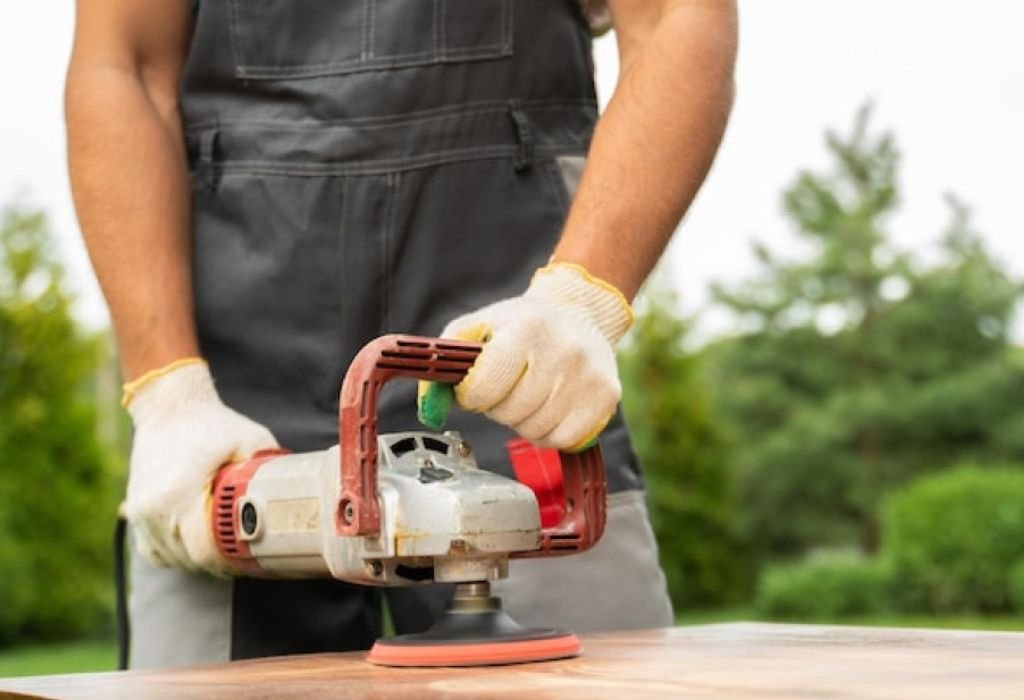
Safety in sanding doesn’t rely solely on equipment—it depends on consistent habits and awareness. Even with the best respirators, eyewear, and dust collection systems, accidents can occur if safe practices aren’t followed.
Training and regular safety routines ensure that every operator knows not only how to use the tools but also how to maintain a secure working environment.
Every sanding session should begin with a pre-operation safety check. Inspect the power sander for worn cords, damaged pads, or loose fasteners. Confirm that the dust extraction system is connected properly and that all filters and hoses are clear.
Check PPE—make sure respirators fit snugly, safety glasses are clean, and hearing protection is within reach. Taking just a minute to confirm these details can prevent hours of cleanup or injury.
Consistent habits also include maintaining proper body position, working with the grain, and using steady, controlled movements.
Developing muscle memory through repetition helps ensure these actions become automatic, allowing users to focus on precision rather than safety concerns. Posting a clear safety checklist near the workstation reinforces these behaviors for everyone in the workshop.
Finally, training should never be a one-time task. Regular refreshers on PPE use, tool handling, and dust control keep teams updated on best practices and new safety technologies.
When safety becomes second nature, the workshop runs more efficiently, and operators can focus on craftsmanship with confidence. Automatic habits turn safety from a chore into part of the workflow itself.
Conclusion
Understanding what safety equipment is required when operating a power sander is the key to creating a safe, efficient, and professional workspace.
Each piece of protective gear—from respirators and safety glasses to hearing protection and gloves—serves a vital role in reducing risks that are often invisible but potentially serious.
Proper PPE, combined with strong dust extraction and good workshop habits, ensures that sanding remains productive without compromising health.
Safety doesn’t end with equipment; it extends to awareness and consistency. Knowing exposure limits, maintaining clean ventilation, and following a structured safety checklist turn good practices into automatic habits.
These small, daily actions prevent long-term issues such as respiratory irritation, eye injuries, or hearing loss while keeping the workspace comfortable and organized.
In today’s woodworking and fabrication environments, the standard for safety continues to rise. New technologies—like brushless sanders, HEPA filtration, and ergonomic PPE—are making sanding cleaner, quieter, and more sustainable.
However, even the most advanced tools rely on the operator’s discipline and understanding of safety principles.
Whether you’re sanding furniture, floors, or custom builds, wearing the correct protective equipment is not optional—it’s an investment in your health, productivity, and craftsmanship.
By respecting the importance of PPE and implementing safe operating procedures, every sanding project can be completed with confidence, precision, and peace of mind.

I’m Michael R. Turner, the founder, lead writer, and passionate DIY enthusiast behind 101diytools.com. With years of hands-on experience in home improvement and power tools, I built this platform to share practical tips, in-depth guides, and honest reviews to help DIYers of all skill levels tackle projects with confidence and the right tools.