Rivet Gun Pulling Too Early? Simple Fixes for Better Results
Having trouble with your project because your rivet gun pulling too early? Don’t worry, it’s a common problem, especially for people just starting out. It can be frustrating when the rivets don’t set correctly. Many things can make this happen, but the good news is, there are some simple steps you can take to make sure your rivets work like they should. In this post, we’ll explore why this happens and give you easy, step-by-step solutions to help you get the job done right. Ready to get started?
What Causes a Rivet Gun to Pull Too Early?
When a rivet gun pulls too early, it means the tool is activating before the rivet is fully set. This often leads to loose or improperly formed rivets, compromising the integrity of your project. Several factors can lead to this issue, ranging from the tool itself to the technique used. Knowing these causes is the first step in solving the problem and improving your work. These factors can be related to the gun’s settings, the type of rivets being used, the thickness of the materials being joined, or even the air pressure supplied to the tool. Learning how to properly identify and address these problems ensures strong, reliable joints.
Understanding Rivet Gun Mechanics
A rivet gun works by drawing the mandrel (the pin) of the rivet through the rivet body. This process expands the rivet body against the material, creating a strong bond. The core components include the air motor, which provides the power, the jaws that grip the mandrel, and the trigger mechanism that controls the action. Air pressure is important for smooth operations. If the trigger is released too soon or the internal mechanism isn’t functioning correctly, the rivet won’t properly set, leading to poor results. This part of the tool is key to avoiding issues like rivet gun pulling too early, and it all comes down to the inner workings of the device.
- Air Motor: The air motor is the heart of the rivet gun, converting compressed air into mechanical energy. The motor rotates the internal components, which in turn pull the rivet mandrel.The speed and power of the air motor influence how quickly the rivet is set. If the motor doesn’t provide enough force or operates erratically, the rivet might not seat correctly. Maintaining the air motor is vital for longevity.
- Jaws and Mandrel Gripping: The jaws are responsible for holding the mandrel of the rivet and pulling it through the body. This causes the rivet to expand, creating the joint.The jaws must grip the mandrel securely but release it once the rivet is set. Poor jaw condition or malfunction can lead to slippage, causing the rivet to deform incorrectly. Wear and tear on the jaws also causes issues.
- Trigger Mechanism: The trigger controls the flow of compressed air to the air motor. The trigger’s function dictates when the gun starts and stops pulling the rivet.Proper trigger control prevents the rivet gun pulling too early. Quick releases or erratic triggering prevent rivets from being set firmly. The trigger design itself can affect ease of use.
- Air Pressure Regulation: Rivet guns require a specific range of air pressure to work effectively. Low air pressure can cause a weak pull, while excessive pressure can damage the tool or material.A consistent and correctly set air pressure ensures the rivet sets smoothly. Check your air pressure regularly using a gauge to make sure it matches the rivet gun’s specifications. The settings are crucial for the best performance.
Rivet Type and Material Thickness
The type of rivet and the combined thickness of the materials being joined significantly influence the rivet gun’s performance. Different rivet types have different setting requirements, and matching the right rivet to your material is important for a successful outcome. Additionally, the amount of material between the rivet head and the mandrel’s tail affects the setting process. If the materials are too thin or too thick for the rivet, problems, such as a rivet gun pulling too early, are likely.
- Rivet Types: Different types of rivets are suitable for different applications. Blind rivets, also known as pop rivets, are common. Structural rivets provide stronger bonds.Choosing the correct rivet type involves considering the materials, required strength, and any environmental factors. The correct choice provides optimal setting results.
- Material Thickness: The combined thickness of the materials should be within the rivet’s grip range. Using a rivet outside its designed thickness can cause issues.If the material is too thick, the rivet may not fully expand. If it’s too thin, the rivet might over-expand or cause the materials to buckle. Proper selection is important.
- Rivet Length: A rivet that is too short will not create a secure joint. One that is too long will likely deform improperly.Ensure that the rivet length is appropriate for the material thickness and that it allows enough material for the mandrel to expand and form the head. Always measure your materials!
- Rivet Material: Rivets are made from a range of materials, including aluminum, steel, and stainless steel.Select the rivet material based on the application’s needs. For instance, aluminum rivets work well with softer materials, while steel rivets are needed for more difficult jobs. Select the best rivet material for the best results.
Technique and User Error
Even with a well-functioning rivet gun and appropriate rivets, improper technique can still cause a rivet gun pulling too early. Correct positioning of the tool, steady pressure on the trigger, and knowing when to stop are all important for a secure joint. User error is common. Taking the time to master your technique is a must. Common mistakes can lead to problems with the setting process.
- Tool Positioning: The rivet gun must be positioned perpendicular to the material, so the rivet sets straight. Tilting the gun can cause it to pull early.Ensure the gun is aligned correctly with the rivet. Incorrect alignment often results in the rivet bending or failing to set properly. Proper positioning reduces the chance of problems.
- Trigger Control: Proper trigger control prevents the tool from activating before the rivet is fully set. Quick releases or erratic triggering prevent rivets from being set firmly.Practice a steady pull on the trigger to get the right amount of force. Avoid jerky movements or sudden releases that may disrupt the setting process. Smooth operation is key.
- Material Support: Supporting the materials being riveted is also important. The materials should be held in place securely during the riveting process.Proper support minimizes movement, which may lead to a rivet gun pulling too early. Unsupported materials may cause the rivet to deform improperly. Secure support makes for improved results.
- Inspection: After setting each rivet, inspect it to check that it is set correctly. Check for a proper head and tail.If the rivet appears loose or deformed, it may need to be replaced. Careful inspection is a fast way to find problems.
Troubleshooting: Solutions to Stop Early Pulling
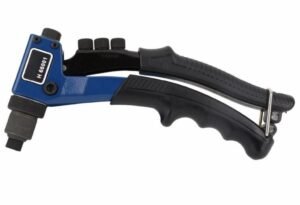
Once you understand the common causes of a rivet gun pulling too early, you can begin troubleshooting. This involves examining different aspects of your tool and process. By systematically addressing each potential issue, you can improve the performance of your rivet gun and your results. Here are the steps to follow to troubleshoot the problem so you can get back to what you’re working on.
Checking Air Pressure and Gun Settings
The first step in solving early pulling is to ensure that the air pressure and tool settings are correct. An issue with either can disrupt the riveting process. Checking the air pressure and adjusting the gun’s internal settings helps to optimize performance. Regularly checking and adjusting these settings is very important for proper function.
- Air Pressure Gauge: Use an air pressure gauge to confirm the pressure is within the gun’s specifications. Too much or too little pressure can cause problems.Ensure your air compressor delivers the correct pressure for the gun. Adjust the regulator on the compressor until the pressure reads correctly. Maintaining the correct settings gives better results.
- Air Line Inspection: Examine the air line for leaks or damage. Leaks cause a drop in pressure, impacting the gun’s performance.Check the hose connections and the hose for any cracks. Replace damaged hoses or tighten loose connections. Proper air pressure promotes smooth riveting.
- Gun Regulator Adjustment: Some rivet guns have an adjustable regulator. Check the tool’s manual for proper instructions on how to change your settings.The regulator manages the amount of air the motor receives. Adjust the regulator until you find the right balance for your materials and rivets. Adjustments can vary.
- Lubrication: Regularly lubricate your rivet gun to ensure all parts move freely. Use the correct type of lubricant as stated in the manual.Proper lubrication reduces friction within the tool and improves performance. Follow the manufacturer’s instructions for lubricating your rivet gun. This will help with the lifespan of your tool.
Rivet and Material Compatibility
Ensure that the rivets you are using match the material and thickness of the parts you are joining. If your materials are not suited, it can trigger the rivet gun pulling too early. Choosing the right rivets for the job will dramatically impact how well the tool performs and how long your work lasts. Careful selection will help improve your experience.
- Rivet Size: Measure the total thickness of the materials being joined to select the correct rivet size. Incorrect rivet size affects the setting.Refer to the rivet size chart provided by the manufacturer. Make sure the rivet grip range covers the total material thickness. Correct sizing is key for good results.
- Rivet Type: Use the proper type of rivet for the materials being joined. You can choose different rivets that are best for your job.Consider the strength and the environment. Blind rivets, structural rivets, and other rivet types are best for different uses. The right choice gives improved results.
- Material Hardness: Consider the hardness of the materials. Softer materials may require different rivets or a different approach to avoid early pulling.Harder materials may need rivets designed for greater strength, while softer materials could require rivets with a wider grip range. Always choose the right fit.
- Experiment: If your rivet gun pulling too early with one kind of rivet, try other types to see how they perform.Testing different rivet types and sizes can show which performs best. It can help resolve problems such as early pulling. Finding the right combination is important.
Optimizing Technique and Practice
Practice and technique play a big role in achieving reliable riveting results. Improving your technique includes holding the tool correctly, controlling the trigger, and taking the time to inspect the results. Refining these skills can help solve the problem of a rivet gun pulling too early. This makes your work stronger, and it also saves time and materials.
- Tool Grip: Hold the rivet gun firmly but comfortably, ensuring the tool is perpendicular to the materials. Proper gripping improves control.Keep a stable grip to prevent the gun from moving during the rivet setting process. This prevents mistakes and ensures uniform results. The correct grip reduces issues.
- Trigger Control: Practice controlling the trigger to achieve a smooth and consistent setting action. Avoid sudden bursts or jerky movements.Apply even pressure on the trigger and release it once the rivet has set. Smooth operation minimizes the risk of early pulling. The goal is to set the rivet right.
- Material Support: Ensure the materials are properly supported during the riveting process to prevent movement. Stability helps the rivet set correctly.Use clamps or other methods to secure the materials. Well-supported materials create a secure joint. Support is a key aspect of this work.
- Practice on Scrap: Before working on your final project, practice on scrap materials to get a feel for your tool and technique. This lets you practice without mistakes.Practice helps you learn the best pressure and angles. It also allows you to adjust your approach until you achieve consistent and reliable results. Practice makes perfect.
Preventing Early Pulling: Practical Scenarios
Understanding real-world scenarios makes it easier to prevent issues like the rivet gun pulling too early. Examining common situations in which these problems happen can help you spot potential problems, and it also helps you develop strategies to solve them. By looking at situations, you can better prepare for your projects.
- Scenario 1: Sheet Metal RepairProblem: A repair to a car body involves joining two thin sheets of metal. The rivet gun keeps pulling the rivets before they expand fully, creating weak joints.
Solution: The user should ensure the correct size and type of rivet for the metal thickness, reduce the air pressure to prevent over-pulling, and use a backing plate behind the sheet metal to provide support during the riveting process.
- Scenario 2: Aviation RepairProblem: In an aircraft repair, the technician is using a rivet gun to secure the skin of the aircraft. The rivets are not setting properly, and the rivet gun pulling too early.
Solution: Ensure that the correct structural rivets are used, adjust the air pressure on the rivet gun, verify the alignment of the gun, and make sure that the material is properly supported during the installation. Proper support and alignment help ensure the correct setting.
- Scenario 3: Furniture AssemblyProblem: A furniture manufacturer is assembling a metal frame using a rivet gun. The rivets keep pulling too early, resulting in a loose framework.
Solution: The manufacturer should verify the rivet size and type is suitable for the metal. They should also inspect the rivet gun’s settings and the air pressure. Checking tool settings is very important for this process.
Rivet Gun Maintenance for Peak Performance
Maintaining your rivet gun properly is essential to avoid common issues, such as a rivet gun pulling too early, and it helps ensure the tool functions well. Regular maintenance and proper storage will help extend the life of your tool. A good maintenance plan will help your tool perform at its best.
- Regular Cleaning: Regularly clean the rivet gun to remove debris and dirt. Debris can block parts or cause the tool to malfunction.Use compressed air to blow out dirt from the tool. This will help maintain its internal components. Keeping it clean is very important.
- Lubrication: Lubricate the moving parts of the rivet gun regularly, following the manufacturer’s instructions. Proper lubrication is crucial.Use the recommended lubricant to reduce friction and prevent wear. Lubrication helps the tool function smoothly. Keeping the tool lubricated is good practice.
- Jaw Inspection: Check the jaws frequently for wear and tear. Worn jaws can fail to grip the mandrel correctly.Replace worn jaws promptly to ensure the tool operates correctly. Proper maintenance also prevents early pulling.
- Storage: Store the rivet gun in a clean, dry place. Protect the tool from extreme temperatures or humidity.Proper storage extends the tool’s lifespan and helps it perform efficiently. Keeping the tool well protected is a good way to improve its lifespan.
Frequently Asked Questions
Question: Why is my rivet gun not pulling the rivet at all?
Answer: There are a few causes. The air pressure might be too low, the trigger may be faulty, or there might be an internal problem with the air motor or the jaws.
Question: Can I adjust the pulling force of my rivet gun?
Answer: Some rivet guns have an adjustable air pressure regulator or pulling force settings. Checking the user manual is the best way to determine your tool’s features.
Question: What’s the best way to remove a rivet that has been set incorrectly?
Answer: The best method is to drill out the rivet using a drill bit that is the same diameter as the rivet’s body. Be cautious not to damage the surrounding materials.
Question: How often should I lubricate my rivet gun?
Answer: Lubricate your rivet gun regularly, following the manufacturer’s instructions. A good rule of thumb is to lubricate it before and after each long project. You can also lubricate it once a week if you use it frequently.
Question: Can I use any type of rivet with my rivet gun?
Answer: No, not all rivet guns can handle all types of rivets. Always ensure that the rivets you are using match the specifications of your rivet gun, as well as the materials you are working with.
Final Thoughts
The problem of a rivet gun pulling too early can be frustrating, but solving it doesn’t have to be hard. By understanding the causes, from air pressure to technique, you can troubleshoot the issue effectively. Taking the time to adjust settings, select the correct rivets, and refine your approach is important. Maintenance, such as proper cleaning and lubrication, will help the tool last. Remember, even with the best tools, practice makes perfect. So, start implementing these steps, practice, and soon you’ll be producing secure and reliable rivets. Your projects will go smoother, and you’ll gain confidence in your work. So, go forth and start riveting with confidence!

I’m Michael R. Turner, the founder, lead writer, and passionate DIY enthusiast behind 101diytools.com. With years of hands-on experience in home improvement and power tools, I built this platform to share practical tips, in-depth guides, and honest reviews to help DIYers of all skill levels tackle projects with confidence and the right tools.