Is Your Nail Gun Stuck Why It Doesnt Retract Expert Fixes
When your nail gun doesn’t retract, this common and frustrating issue often stems from easily identifiable problems. Low air pressure, a jammed nail, or worn internal components like O-rings are frequent culprits preventing proper operation. Discover the expert fixes to quickly diagnose and resolve these issues, restoring your tool’s efficiency.
Ever been in the middle of a project, flowing smoothly, when suddenly – thwack! – your nail gun fires, but the driver blade just… stays there? It’s a frustrating moment that can bring your entire workflow to a screeching halt. That feeling of your trusted tool failing you, particularly when your nail gun doesn’t retract, can really throw a wrench into things. You’re left staring at the tool, a partially driven nail, and a growing sense of annoyance. Trust me, I’ve been there.
This common issue, where the driver blade on your nail gun gets stuck in the down position, isn’t just an inconvenience; it can also be a safety hazard and a sign of underlying problems. Instead of guessing or getting frustrated, understanding why your nail gun isn’t retracting is the first step toward getting it back in working order. And the good news is, many of these issues are surprisingly simple to diagnose and fix yourself.
So, take a deep breath. We’re going to walk through the common reasons why your nail gun doesn’t retract, how to safely troubleshoot the problem, and expert tips to prevent it from happening again. Think of this as a chat with a friend who’s been through it all and wants to help you get back to nailing with confidence.
Key Takeaways
- Verify air pressure. Low pressure often causes incomplete retraction.
- Clear nail jams promptly. Inspect the magazine and nose for obstructions.
- Inspect the driver blade. A bent or damaged blade prevents retraction.
- Lubricate internal seals. Dry O-rings create friction and slow retraction.
- Clean internal components. Debris build-up hinders smooth operation.
- Use correct nail gauge. Mismatched nails frequently cause jamming.
📑 Table of Contents
Understanding Your Nail Gun’s Retraction Mechanism
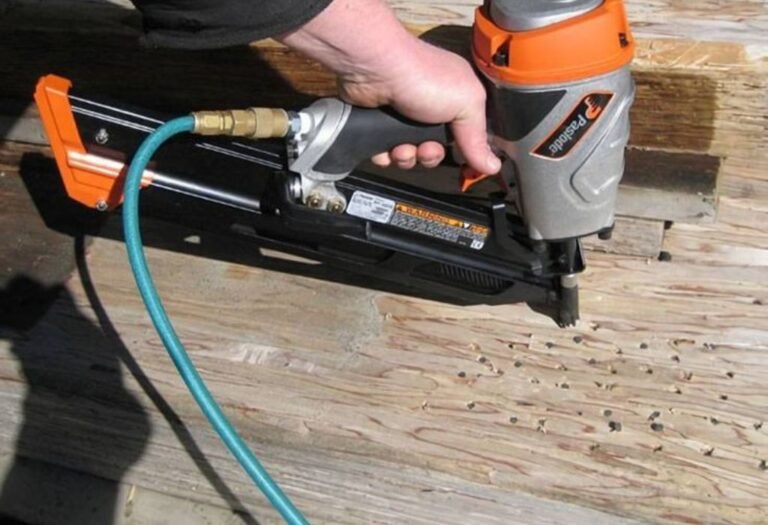
Before we can fix something, it helps to understand how it’s supposed to work. Your nail gun is a pretty clever piece of machinery, whether it’s pneumatic (air-powered), cordless electric, or even combustion-powered.
How a Nail Gun Works (Briefly)
At its heart, a nail gun uses a power source to drive a piston, which in turn pushes a driver blade. This blade strikes the head of a nail, sending it into your material. It’s a rapid-fire process designed for efficiency and power. When you pull the trigger (and often engage a safety contact trip), compressed air or an electric motor powers the piston down.
The Role of the Driver Blade and Piston
The driver blade is the metal rod that actually hits the nail. It’s connected to a piston. After driving the nail, the piston and driver blade need to return to their original “up” position, ready for the next nail. This retraction is usually achieved through a combination of air pressure (in pneumatic guns) or a spring mechanism that pushes the piston back up once the driving force is released. If this return mechanism fails, your nail gun doesn’t retract, leaving the driver blade extended.
Why Retraction is Crucial
Proper retraction is vital for several reasons. Firstly, it allows the next nail in the magazine to feed correctly into position. Without retraction, the path is blocked. Secondly, it prevents damage to the tool and the workpiece. A stuck driver blade can scratch surfaces or even cause the gun to misfire. Most importantly, it’s a safety feature. An extended driver blade is a clear indication that something is wrong and the tool shouldn’t be operated.
Common Culprits: Why Your Nail Gun Doesn’t Retract
When your nail gun doesn’t retract, it’s usually due to one of a few common issues. Let’s explore them:
Low Air Pressure or Insufficient Power (for Pneumatic/Cordless)
For pneumatic guns, consistent air pressure is key. If your compressor isn’t supplying enough PSI (pounds per square inch), or if there’s a leak in your air hose or fittings, the gun might have enough power to drive a nail but not enough to fully retract the piston. Cordless nailers, similarly, need sufficient battery power. A low battery might manage to fire but lack the juice for a complete cycle.
Driver Blade Issues (Bent, Broken, Jammed)
The driver blade itself can be a major problem source. Over time, or with heavy use, the blade can become bent, chipped, or even completely broken. A bent blade will snag on the internal walls of the gun, preventing smooth retraction. Sometimes, a tiny piece of wood, a nail shank, or even a nail head can get caught around the driver, jamming it.
Foreign Debris or Obstructions
Nail guns work in dusty, dirty environments. Sawdust, wood chips, fragments of nails, or even dried glue can accumulate inside the nosepiece or around the driver blade. This buildup creates friction and physical barriers, causing the nail gun to not retract properly.
O-Ring Wear and Tear
Inside pneumatic nail guns, O-rings are small rubber seals that create airtight chambers, allowing air pressure to efficiently move the piston up and down. With age and use, these O-rings can dry out, crack, or become brittle. When they fail, air leaks, reducing the pressure needed for the piston’s return stroke. This is a very common reason a nail gun doesn’t retract.
Spring Problems
Many nail guns use springs to assist with the return of the driver blade or to operate other internal mechanisms. Like any spring, they can weaken, stretch, or even break over time. A fatigued spring won’t have the necessary force to push the driver blade back into its home position.
Lubrication Issues
Internal moving parts, especially in pneumatic guns, require proper lubrication. Special pneumatic tool oil helps reduce friction and keeps O-rings supple. If the gun isn’t oiled regularly, or if the wrong type of oil is used, internal components can grind and stick, making it difficult for the driver blade to retract. Think of it like a rusty hinge – it just doesn’t move easily.
Safety First: Before You Start Troubleshooting
Before you even think about poking around inside your nail gun, remember this golden rule: safety always comes first. These are powerful tools, and improper handling can lead to serious injury.
Disconnect Power/Air
Crucially, always disconnect the nail gun from its power source. For pneumatic guns, unhook the air hose. For cordless electric guns, remove the battery pack. For corded electric guns, unplug it from the wall. This prevents accidental firing while you’re working on the tool.
Wear Protective Gear
Even when disconnected, wear safety glasses. There might be springs, bits of debris, or other components that could unexpectedly fly out. Gloves can also protect your hands from sharp edges or grime.
Read Your Manual
Seriously, your tool’s manual is your best friend. It contains specific instructions for your model, including troubleshooting tips, proper disassembly, and maintenance schedules. Don’t skip this step!
Step-by-Step Troubleshooting and Fixes
Okay, with safety covered, let’s get your nail gun that doesn’t retract back in action.
Check Air Supply/Battery & Connections
For pneumatic users, check your compressor’s pressure gauge. Is it set to the manufacturer’s recommended PSI? Inspect your air hose for kinks, cuts, or loose fittings. Ensure the quick-connect coupler is securely attached. For cordless users, pop in a fully charged battery. Sometimes, a simple supply issue is all it is.
Inspect the Magazine and Nail Path
Remove any nails from the magazine. Look for bent or broken nails, or any debris that might be impeding the nail follower. Sometimes a partially driven nail or a broken nail strip can block the driver blade’s path. Clear anything that looks out of place.
Examine the Driver Blade and Nosepiece
With the power disconnected, carefully look into the nosepiece where the nail exits. Can you see the driver blade? Is it bent, chipped, or visibly damaged? Sometimes, a bent blade will have slight scarring along its edges. Try to gently wiggle the blade with a pair of needle-nose pliers (without forcing it). If it feels gritty or rough, it’s likely jammed.
Clean Out Debris
Using compressed air (from a can or your compressor, carefully and with safety glasses on), blow out the nosepiece and magazine area. You might be surprised at how much sawdust and gunk comes out. A small brush or cotton swab can help dislodge stubborn debris around the driver blade. This often fixes the problem if your nail gun doesn’t retract due to simple blockages.
Lubricate Moving Parts
For pneumatic guns, add 5-10 drops of pneumatic tool oil into the air inlet before each use, or at least daily during continuous operation. This oil travels through the gun, lubricating O-rings and other moving parts. If your gun has a specific lubrication port, follow your manual’s instructions. Proper lubrication is key to preventing friction that causes the nail gun to not retract.
Replacing Worn O-Rings and Springs (if comfortable)
If the above steps don’t work, especially for pneumatic guns, worn O-rings are a prime suspect. Many manufacturers sell O-ring repair kits specific to your model. This usually involves carefully disassembling the gun’s head assembly to access the piston and cylinder. It’s a more advanced fix, so refer to your manual for detailed instructions or watch a reputable tutorial video specific to your model. Similarly, if a spring is visibly broken or weak, replacing it might be necessary. Be prepared, as springs can be tricky to reinstall.
Preventative Maintenance for a Smooth-Running Nail Gun
An ounce of prevention is worth a pound of cure, especially with tools. Regular maintenance drastically reduces the chances your nail gun doesn’t retract.
Regular Cleaning
After each use, or at least at the end of a workday, give your nail gun a quick clean. Use compressed air to blow out the magazine and nosepiece. Wipe down the exterior to remove dust and grime. Keep it tidy!
Proper Lubrication Schedule
Stick to your manufacturer’s lubrication recommendations. For pneumatic guns, that usually means a few drops of pneumatic oil in the air inlet every day of use. This keeps those vital O-rings supple and ensures smooth operation, preventing your nail gun from not retracting.
Store It Right
When not in use, store your nail gun in a clean, dry place, preferably in its original case. This protects it from dust, moisture, and accidental damage. Avoid leaving it exposed to extreme temperatures.
Use the Correct Nails
Always use the type and size of nails recommended by the manufacturer. Using incorrect nails can cause jams, damage the driver blade, and lead to your nail gun not retracting. Quality nails also tend to have better consistency, reducing issues.
When to Call a Professional (or Consider Replacement)
While many issues can be DIY fixed, there comes a point where professional help or even a new tool is the smarter choice.
Complex Internal Damage
If you’ve opened your nail gun and found extensive damage, like a cracked housing, a bent piston rod, or complex spring assemblies you can’t figure out, it’s time to call in the pros. Some internal repairs require specialized tools and expertise. Don’t risk further damage or injury by forcing a fix.
Safety Concerns You Can’t Address
If you fix something, and the gun still feels “off,” or if you’re worried about its safety, don’t use it. An improperly repaired nail gun can be dangerous. Your safety is paramount.
Cost-Benefit Analysis
Sometimes, the cost of parts and labor for a professional repair can approach the price of a brand new, entry-level nail gun. If your tool is old, heavily used, or has multiple issues, weigh the repair cost against replacement. A new tool often comes with a warranty and the latest features, making it a better investment in the long run, especially if your old nail gun repeatedly doesn’t retract despite your best efforts.
| Issue | Symptom | Quick Check/Fix |
|---|---|---|
| Low Power/Air | Nail drives weakly, driver stuck down. | Check compressor PSI / Charge battery fully. Inspect hose for leaks. |
| Debris/Jam | Driver stuck, gritty feel, partial nail. | Remove nails, clear nosepiece/magazine with air. |
| Lack of Lubrication | Driver sluggish, gun feels stiff. | Add pneumatic oil to air inlet (pneumatic guns). |
| Bent Driver Blade | Driver stuck, visible damage/scarring. | Inspect driver through nosepiece. May require replacement. |
| Worn O-Rings | Air leaks, driver struggles to return. | Listen for air leaks. Consider O-ring kit if other fixes fail. |
Dealing with a nail gun that doesn’t retract can be a real headache, but as we’ve seen, it’s often a solvable problem. By understanding how your tool works, applying systematic troubleshooting, and committing to regular maintenance, you can keep your nail gun running smoothly for years to come. Remember to always prioritize safety, and don’t be afraid to seek professional help when a fix is beyond your comfort level. With these tips in your toolkit, you’ll be back to nailing like a pro in no time, ensuring your projects stay on track without those frustrating interruptions.
Frequently Asked Questions
What does it mean when my nail gun doesn’t retract after firing?
When your nail gun doesn’t retract, it means the driver blade, which pushes the nail into the material, remains extended instead of returning to its original position. This issue often prevents the tool from firing subsequent nails and indicates a problem with the internal mechanism or air supply.
Why is my nail gun stuck and not retracting?
Several factors can cause your nail gun to get stuck and not retract. Common reasons include low air pressure, a jammed nail or debris in the firing mechanism, a damaged driver blade or piston, or a worn-out return spring. Identifying the specific cause is crucial for an effective fix.
How can I safely troubleshoot a nail gun that doesn’t retract?
First, always disconnect the nail gun from its air or power source for safety. Then, check for any visible nail jams, ensure proper air pressure, and inspect the magazine for bent or deformed nails. If these external checks don’t resolve the issue, further internal inspection might be needed.
Is it dangerous to continue using my nail gun if the driver blade doesn’t retract?
Yes, it is highly dangerous to use a nail gun when the driver blade doesn’t retract. The extended blade can pose a serious impalement hazard, and the tool’s malfunction could lead to unintended firing or further damage, increasing the risk of severe injury. Always repair it before any further use.
What maintenance tips can prevent my nail gun from getting stuck and not retracting in the future?
Regular maintenance is key to preventing your nail gun from getting stuck and not retracting. This includes lubricating the tool with appropriate pneumatic oil before each use, keeping the magazine and nose clean from debris, and using only high-quality nails. Regularly check air hoses and connections for leaks and maintain proper air pressure.
When should I consider professional repair for a nail gun that doesn’t retract?
You should consider professional repair if basic troubleshooting steps, such as checking for jams or air pressure, don’t resolve the problem. If you suspect internal damage to components like the piston, driver assembly, or O-rings, or if you’re uncomfortable disassembling the tool yourself, it’s best to consult a qualified technician.

I’m Michael R. Turner, the founder, lead writer, and passionate DIY enthusiast behind 101diytools.com. With years of hands-on experience in home improvement and power tools, I built this platform to share practical tips, in-depth guides, and honest reviews to help DIYers of all skill levels tackle projects with confidence and the right tools.