What Is the Most Important Maintenance on a Circular Saw
A circular saw can feel unstoppable when new, slicing through wood with smooth precision. But after months of use, dust, dull blades, and friction begin to steal that power away.
Imagine a carpenter working on a big project who suddenly notices smoke rising from the blade. The cuts that were once clean now splinter, and the motor strains louder than usual.
That moment of frustration often traces back to one simple reason: poor maintenance. Even the best circular saws lose their edge when cleaning, lubrication, and inspection are ignored.
According to tool industry reports, over 60% of saw failures come from clogged vents and unclean blades. Small issues like dust buildup can overheat motors and warp alignment within weeks.
The truth is that maintenance is not just about keeping your saw looking new. It is about preserving accuracy, extending lifespan, and protecting your investment with a few simple routines.
In this guide, you will learn the most important maintenance practices every circular saw needs. By the end, you will know exactly how to keep your saw powerful, sharp, and reliable for years of flawless cutting.
Why Regular Maintenance Matters
Regular maintenance is what keeps a circular saw performing at its best. Without it, even the most powerful motor will eventually slow down and lose precision.
Dust and debris are the biggest enemies of your saw’s performance. They clog vents, dull blades, and cause unnecessary strain on the motor during long cutting sessions.
When the blade becomes dull or misaligned, the cuts start to wander and require more pressure. This extra force not only affects accuracy but can also shorten the life of the tool.
Neglecting maintenance increases friction, which leads to overheating and wear on bearings. Over time, this damage can result in permanent motor failure or expensive repairs.
Proper cleaning and inspection reduce those risks and help your saw operate smoothly. A well-maintained saw feels stable, sounds quieter, and delivers cleaner cuts every time.
Regular attention may seem small, but it adds years to your circular saw’s lifespan. Maintenance is not just a chore; it is the foundation of safe, efficient, and powerful woodworking.
Cleaning: The Foundation of All Circular Saw Care
Cleaning is the single most important maintenance step for any circular saw. Dust and resin buildup can silently rob your tool of speed, power, and precision.
After every project, unplug the saw and use a soft brush or compressed air to remove sawdust. Focus on the motor vents, blade guard, and base plate where buildup is most common.
Wipe the exterior surfaces with a slightly damp cloth to remove grime and resin. Avoid harsh cleaners or soaking water, as moisture can damage the motor and bearings.
Resin or pitch that sticks to the blade edge should be removed using a blade cleaner or mineral spirits. A clean blade spins freely, runs cooler, and prevents the motor from overworking.
Dust trapped inside vents can block airflow and cause overheating. Use short bursts of compressed air to keep the motor breathing and running efficiently.
Routine cleaning after every use keeps your circular saw running like new. It ensures every part moves smoothly, stays balanced, and delivers consistent, accurate cuts.
Blade Maintenance and Replacement Practices
Your blade is the heart of your circular saw, and keeping it sharp is essential for clean, effortless cuts. A dull or dirty blade forces the motor to work harder, causing heat buildup and poor performance.
Check your blade regularly for dull edges, missing teeth, or burnt marks. These are clear signs that it needs sharpening or replacement.
Sharpening can be done with a diamond file or a specialized saw blade sharpener. If the blade is heavily worn or warped, replacing it is safer and often more cost-effective.
Always ensure the blade is correctly aligned and tightened before starting any cut. A loose or off-center blade can vibrate excessively and affect both accuracy and safety.
Clean the blade periodically using a resin remover or mild solvent. This helps reduce friction, improves rotation speed, and extends the overall blade lifespan.
Blade care is one of the most important maintenance habits for a circular saw. A sharp, balanced blade not only produces smoother results but also protects the motor and improves cutting efficiency.
Lubrication and Moving Part Inspection
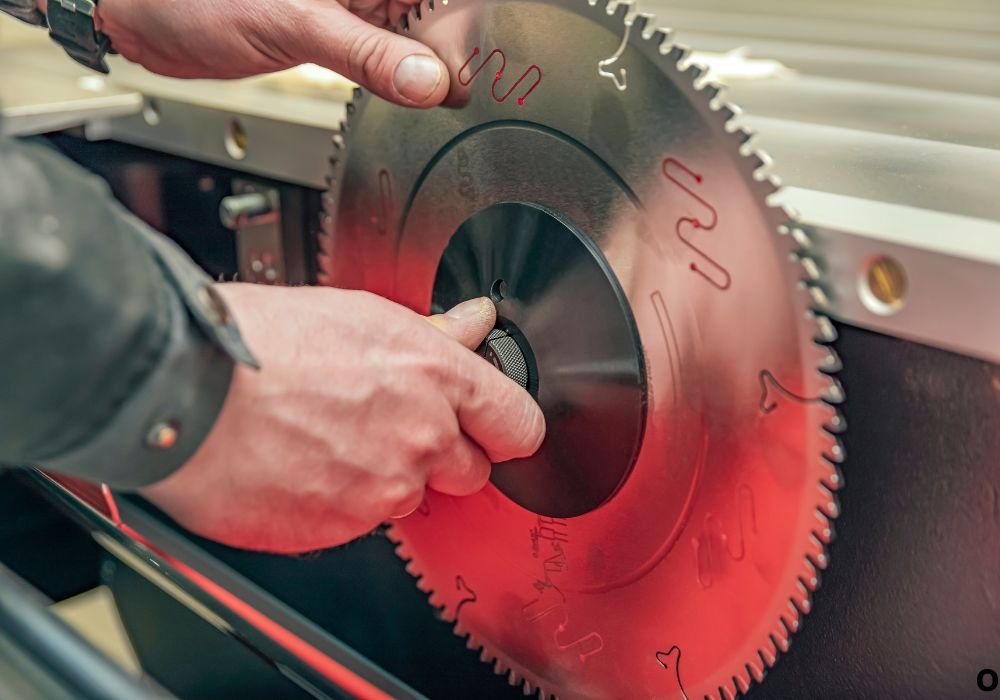
Lubrication is an often-overlooked but vital part of circular saw maintenance. Without it, the moving parts become stiff, noisy, and prone to early wear.
Apply a small amount of light machine oil to the adjustment levers, bevel pivots, and depth mechanisms. This prevents rust and allows each part to move smoothly during adjustments.
Inspect the blade guard frequently to make sure it retracts and returns freely. A sticky or slow-moving guard can cause dangerous kickbacks or jam during cutting.
Check all fasteners, screws, and pivot points to ensure nothing has loosened over time. Tight connections help maintain cutting accuracy and keep the saw balanced.
If your saw has bearings or metal contact points, keep them lightly lubricated but not greasy. Excess oil can attract dust and create buildup that reduces performance.
A well-lubricated saw feels smoother and easier to control. Regular inspection and oiling of moving parts keep the tool quiet, accurate, and dependable through years of heavy use.
Electrical and Safety Checks
Electrical and safety inspections are just as crucial as cleaning and lubrication. They ensure your circular saw remains reliable and prevents dangerous malfunctions.
Start by inspecting the power cord for any cracks, exposed wires, or burn marks. Even a small cut in the insulation can lead to short circuits or electric shocks.
Check that the plug fits snugly into outlets without sparks or loose contact. If you notice flickering power or unusual noise, stop using the saw until the cord is repaired or replaced.
Test the trigger switch and safety lock before every project. Both should move smoothly and spring back quickly when released to prevent accidental starts.
Clean the motor’s ventilation slots and housing using compressed air. Clear airflow helps the motor stay cool and prevents overheating that can shorten its life.
Finally, make sure the blade guard and safety features function properly each time you use the tool. Consistent electrical and safety checks keep your circular saw dependable and protect you from serious injury.
Storage: Protecting Your Saw Between Projects
Proper storage is the final step in maintaining your circular saw’s performance. Even when the tool is not in use, it still needs protection from dust, rust, and moisture.
Always unplug the saw before putting it away and wipe off any remaining dust. Residual debris can absorb moisture and lead to corrosion over time.
Store your saw in a clean, dry, and temperature-controlled environment. Avoid damp basements or garages where humidity can damage electrical components.
If possible, hang the saw on a wall rack or keep it in its carrying case. This prevents accidental drops, knocks, or pressure on delicate parts like the guard and switches.
Use a blade cover or remove the blade entirely before long-term storage. This helps prevent rust and accidental contact that could dull or damage the edge.
Proper storage is more than just organization; it is an essential part of maintenance. When you store your circular saw correctly, it will always be ready for precise and safe performance.
Pro Tips for Keeping Your Circular Saw in Peak Shape
Professional carpenters know that consistency in small habits keeps tools working like new. Your circular saw will reward you with precision and longevity if you follow simple routines.
Clean your saw after every major project instead of waiting for buildup. Quick cleaning prevents resin and dust from hardening and damaging the motor or blade.
Mark a reminder to inspect the blade every few weeks. Tracking wear early lets you sharpen or replace it before it starts affecting cut quality.
If you notice the motor losing power, check the carbon brushes and replace them when they appear short or worn. Fresh brushes restore performance and prevent electrical damage.
Keep different blades for wood, metal, and masonry to reduce unnecessary wear. Switching blades based on material keeps the cutting edges sharp and your work consistent.
Finally, never ignore strange sounds, vibrations, or burning smells. These warning signs often appear before serious issues, and addressing them early keeps your saw safe and dependable.
Frequently Asked Questions About Circular Saw Maintenance
1. What is the most important maintenance on a circular saw?
Regular cleaning after every use is the most important maintenance. It prevents dust buildup, overheating, and motor wear.
2. How often should I clean my circular saw?
Clean it after every project or heavy cutting session. Routine cleaning ensures consistent performance and prevents long-term damage.
3. What happens if I never clean my circular saw?
Dust will clog the vents and dull the blade. Over time, the motor can overheat, leading to slower cutting and possible failure.
4. How do I know if my blade needs replacement?
If you see burn marks, hear squealing, or notice rough edges, the blade is dull. Replace it immediately to maintain accuracy and safety.
5. Can I lubricate my circular saw with any oil?
No, only use light machine oil or manufacturer-recommended lubricant. Heavy oils attract dust and can damage moving parts.
6. Why is my circular saw overheating?
Overheating usually happens when vents are blocked or the blade is dull. Cleaning and proper lubrication solve this issue.
7. How can I keep my saw blade from rusting?
Clean it after use and store it in a dry place. Applying a thin layer of protective oil helps prevent corrosion.
8. Should I remove the blade after each use?
You don’t need to remove it after every job, but for long-term storage, it’s best to take it off. This prevents rust and reduces tension on the arbor.
9. What electrical checks should I do regularly?
Inspect the power cord, trigger, and plug for any damage. If you see fraying or loose connections, replace or repair them before use.
10. How do I clean the motor vents safely?
Use short bursts of compressed air to clear dust. Never insert objects into the vents or use water.
11. Can I sharpen the blade myself?
Yes, if you have the right tools and skill. Otherwise, use a professional sharpening service to avoid damaging the teeth.
12. What storage environment is best for a circular saw?
Store it in a dry, cool area away from direct sunlight and humidity. A toolbox or hard case is ideal for protection.
13. How often should I check the saw’s fasteners?
Inspect screws and bolts every few weeks or after heavy use. Tightening them regularly keeps your saw stable and safe.
14. What are the signs of motor trouble?
Reduced power, strange noises, or burning smells indicate motor issues. Stop using the saw and have it checked immediately.
15. Why is cleaning considered the most important maintenance?
Because it directly affects every other part of the saw. A clean saw runs cooler, cuts cleaner, and lasts far longer than a neglected one.
Conclusion: A Little Care Creates Years of Power
A circular saw is only as strong as the care you give it. Regular maintenance keeps it cutting with accuracy and power through every project.
Cleaning, lubrication, and inspections may seem simple, but they prevent the problems that destroy motors and blades over time. These small steps save you money and keep your work safer and smoother.
A well-maintained circular saw feels balanced and responsive with every cut. It runs cooler, sounds quieter, and slices through wood without hesitation.
Each time you clean the vents or wipe the blade, you are adding months to its lifespan. The tool rewards your effort by performing like new even after years of use.
Maintenance is more than a habit; it is a sign of respect for your tools and your craft. When you take care of your circular saw, it takes care of your projects with perfect precision.
With a few minutes of attention after each job, you can keep your saw working efficiently for decades. Consistent care is the secret to long-lasting power and professional results.

I’m Michael R. Turner, the founder, lead writer, and passionate DIY enthusiast behind 101diytools.com. With years of hands-on experience in home improvement and power tools, I built this platform to share practical tips, in-depth guides, and honest reviews to help DIYers of all skill levels tackle projects with confidence and the right tools.