Is a Circular Saw Easy to Use for Beginners
You’ve seen people cut wood effortlessly with a circular saw and wondered if it’s really that simple. The sharp blade, loud noise, and fast motion can seem intimidating the first time you try it.
The truth is, a circular saw is one of the easiest power tools to learn with proper guidance. Once you understand its controls and safety steps, it becomes both safe and efficient.
Many beginners start their woodworking journey with this tool because it offers speed and precision without requiring complex setup. It’s lightweight, portable, and powerful enough for most cutting tasks.
According to a 2024 Home Workshop Report, nearly 70 percent of first-time DIY users learned to operate a circular saw safely within one week of practice. Confidence grows quickly once you make your first few clean cuts.
In this guide, you’ll learn why circular saws are easy to use, what safety habits to follow, and how to build control and confidence as a beginner.
Understanding the Basics of a Circular Saw

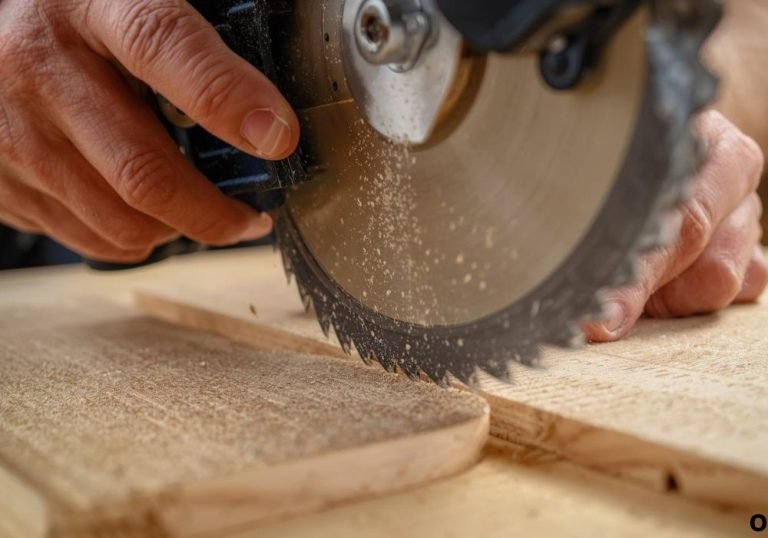
A circular saw is a handheld cutting tool powered by an electric motor. It uses a round metal blade with sharp teeth to cut through wood, plastic, or metal depending on the blade type.
The tool is designed for straight cuts and can be adjusted for depth and angle. Its simplicity makes it easy for anyone to start using without years of training.
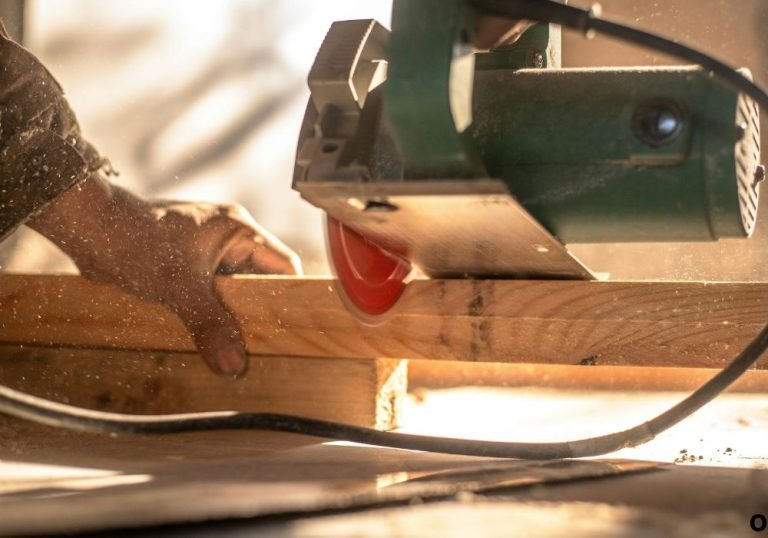
The base plate of the saw helps guide it smoothly along the surface, keeping cuts straight and consistent. The safety guard automatically covers the blade when not in use, reducing the risk of accidents.
Modern circular saws also include electric brakes, trigger locks, and ergonomic handles. These features make them easier and safer to control during cutting.
Once you know how each part functions, operating the saw feels natural and manageable.
Why a Circular Saw Is Beginner-Friendly
Circular saws are designed for portability, simplicity, and efficiency. You don’t need a workshop or heavy setup to get started. A sturdy surface and a few clamps are often enough.
Most models are lightweight, allowing easy movement even for first-time users. Cordless versions add more freedom since you can work anywhere without worrying about cables.
Because the saw moves smoothly along the cut line, it gives beginners visible progress right away. The satisfaction of making a clean, straight cut builds confidence quickly.
The controls are simple — one trigger to start the motor, a guide plate for direction, and a depth adjustment knob. Within a few tries, you’ll understand how to manage the tool safely.
It’s powerful yet forgiving when handled properly, making it perfect for entry-level woodworking or home projects.
Safety Tips for First-Time Users
Before you start cutting, safety should always come first. Preparation ensures that each cut is smooth and risk-free.
Wear safety goggles, ear protection, and a dust mask to stay protected from sawdust and flying debris. Gloves can also improve grip and reduce vibration.
Inspect your saw before each use. Make sure the blade is sharp, firmly attached, and spins freely. A dull or damaged blade can cause binding or kickback.
Adjust the blade depth to extend about one quarter of an inch below your material. This keeps the saw stable and prevents overcutting.
Finally, always support your workpiece securely with clamps or sawhorses. A steady board ensures better accuracy and safer handling every time.
Learning the Right Cutting Technique

Using a circular saw effectively is about control, not strength. The key is to move slowly, keep a steady grip, and let the tool do the work.
Start by marking your cut line clearly with a pencil or chalk. Position the blade just beside the line so you can see where it’s cutting.
Hold the saw firmly with both hands. Wait for the blade to reach full speed before touching the wood. This prevents rough starts or jerky motion.
Guide the saw forward slowly, keeping the base plate flat against the surface. Don’t push too hard; allow the blade to glide through naturally.
When the cut is complete, release the trigger and wait for the blade to stop spinning before setting the saw down. This simple routine helps build confidence and control.
Common Mistakes Beginners Should Avoid
Beginners often rush or overlook setup details, which can lead to uneven cuts or safety risks. The most common mistake is forcing the saw through the material too quickly.
Circular saws are powerful enough to handle the job at their own pace. Forcing them increases the chance of kickback and burns the wood.
Another common issue is skipping proper blade depth adjustment. A blade set too deep can cause binding, while one too shallow leaves rough edges.
Not securing the board tightly can also lead to shifting mid-cut, making the saw harder to control. Always clamp your material firmly before starting.
Avoid removing the blade guard or safety features. These are built to protect you and should always remain in place.
Building Confidence Through Practice
Confidence with a circular saw comes with repetition and patience. The more you practice, the smoother your cuts and handling will become.
Start with scrap wood instead of expensive materials. Try straight cuts first, then practice bevel or angle cuts once you feel more comfortable.
Keep your workspace clean, stable, and well-lit to stay focused and reduce distractions. Every cut you make teaches you more about blade speed and pressure.
Use a guide rail or straight edge to help maintain accuracy until your hands develop natural control. Over time, you’ll rely less on aids and more on instinct.
Celebrate small wins like a perfectly straight cut or a clean edge — these are signs that you’re mastering the tool.
FAQs
1. Is a circular saw difficult for beginners to control?
Not at all. With two-handed grip and steady guidance, most people feel comfortable after just a few practice cuts.
2. How long does it take to learn to use a circular saw?
Usually a few days of practice is enough to understand the basics and start cutting safely.
3. What kind of wood should beginners practice on?
Softwoods like pine or cedar are perfect for beginners because they’re easy to cut.
4. Can I use a circular saw without a table?
Yes, you can use it on sawhorses or any flat, stable surface as long as the wood is secured.
5. What is the most important safety rule?
Always wait for the blade to stop completely before setting the saw down.
Conclusion
A circular saw might look intimidating at first, but it’s actually one of the easiest power tools to master. Once you learn the basic controls and follow simple safety steps, it becomes smooth and enjoyable to use.
Its lightweight design, easy setup, and consistent performance make it perfect for both beginners and experienced woodworkers. The key is to start slow, practice often, and build confidence one cut at a time.
With patience and care, you’ll soon realize that a circular saw isn’t just easy to use — it’s one of the most valuable tools in your woodworking journey.

I’m Michael R. Turner, the founder, lead writer, and passionate DIY enthusiast behind 101diytools.com. With years of hands-on experience in home improvement and power tools, I built this platform to share practical tips, in-depth guides, and honest reviews to help DIYers of all skill levels tackle projects with confidence and the right tools.