Is 300 lbs of Torque Good for an Impact Wrench
Many DIYers and automotive enthusiasts often ask: is 300 lbs of torque good for impact wrench?
Choosing the right torque rating can be confusing, especially when specs differ between manufacturers.
Torque determines how much force a wrench can apply to fasteners. Too little torque can leave bolts stuck, while too much risks stripping threads or damaging parts.
For most everyday automotive tasks, like lug nuts or suspension bolts, 300 ft‑lb offers a reasonable balance of power and manageability.
Yet, in more extreme applications — heavily rusted bolts or industrial machinery — 300 ft‑lb may fall short.
Industry data suggests that most passenger vehicle lug nuts require 80–100 ft‑lb, while larger axle or machinery bolts demand upwards of 300–400 ft‑lb (source).
This highlights why understanding torque ratings is critical before investing in a tool.
In this guide, we’ll explore what 300 ft‑lb torque really means, its practical applications, limitations, real-world user experiences, and best practices to ensure safety and accuracy.
Understanding Torque — What Does “300 lbs” Mean?
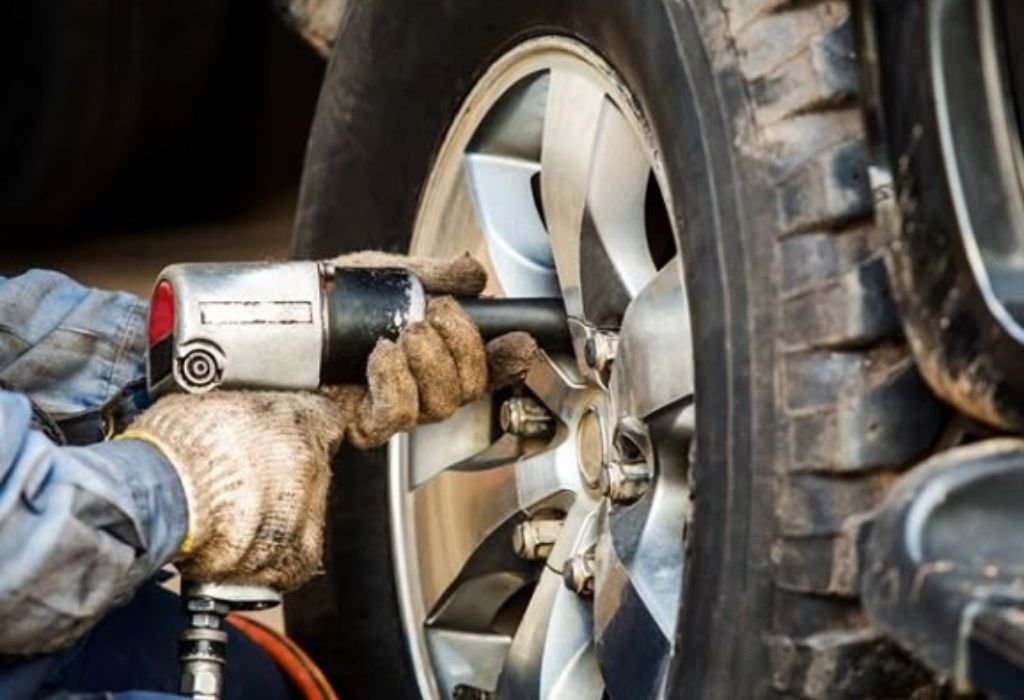
Torque is a measure of rotational force, usually in ft‑lb (foot-pounds) or Nm (Newton-meters).
A wrench rated at 300 lbs usually means 300 ft‑lb of peak torque — the maximum force the tool can exert for a short burst.
Most impact wrenches also list breakaway torque (nut-busting) and working torque.
Breakaway torque is the peak force needed to loosen stuck bolts, while working torque is the sustainable output for regular use.
What is breakaway or nut‑busting torque?
It’s the peak force needed to break loose a seized bolt.
Is “300 lbs” always ft‑lb or could it be lb‑in?
It’s almost always ft‑lb in impact wrench specs.
What’s the difference between max torque and working torque?
Max torque is a short burst; working torque is sustainable under load.
How does Nm relate to ft‑lb?
1 ft‑lb ≈ 1.356 Nm.
Can torque ratings be exaggerated?
Yes — marketing often quotes peak numbers under ideal conditions.
Common Torque Requirements for Everyday Tasks
Understanding torque requirements helps answer whether 300 lbs of torque is enough.
Passenger car lug nuts typically need 80–100 ft‑lb, while trucks and heavy equipment may need 200–400 ft‑lb.
Rust, corrosion, or seized bolts increase torque demands.
DIYers often find 300 ft‑lb sufficient for light-to-medium automotive work, but heavier machinery may require stronger tools.
Will a 300 ft‑lb impact wrench handle lug nuts?
Yes, for most passenger vehicles.
Can 300 lbs torque remove axle or suspension bolts?
Possibly, if the bolts aren’t severely rusted.
Is 300 lbs sufficient for heavy machinery?
Often not; industrial bolts may need 400+ ft‑lb.
Do torque requirements change with bolt condition?
Yes — corrosion or thread damage raises the required torque.
Would 300 lbs torque be overkill for light tasks?
It can risk over-tightening or damaging smaller fasteners.
Strengths & Limitations of a 300 ft‑lb Impact Wrench
A 300 ft‑lb impact wrench provides a balance between power, portability, and cost.
It’s strong enough for most automotive and DIY jobs without being too heavy or expensive.
Strengths:
- Sufficient torque for most car maintenance and small machinery tasks.
- Mid-size tools are easier to handle for long periods.
- Cost-effective compared to high-torque models.
Limitations:
- May struggle with severely rusted or industrial bolts.
- Torque delivery may vary based on battery charge, tool wear, or socket fit.
- Over-torquing is possible on smaller fasteners without proper control.
What jobs is 300 ft‑lb ideal for?
Lug nuts, small suspension components, medium bolts, and general garage tasks.
Where might 300 ft‑lb be insufficient?
Heavily rusted bolts, large industrial fasteners, or heavy-duty machinery.
Does it weigh less or cost less than higher torque models?
Yes, making it more user-friendly.
Is its torque delivery consistent?
Minor variations can occur depending on load and conditions.
Does a 300 ft‑lb tool risk damaging smaller fasteners?
Yes — proper torque control is essential.
Real-World Tests & User Feedback
Reviews indicate mixed results for 300 ft‑lb impact wrenches.
Many users report excellent performance on lug nuts and typical car bolts.
However, in heavily rusted or oversized fasteners, users often pair it with breaker bars or higher-torque tools.
Do user reviews indicate this torque is enough?
Mixed — adequate for many tasks, insufficient for heavy rusted bolts.
What failures or complaints do users report?
Struggling to loosen seized bolts or minor torque drop.
How often do users pair with a breaker bar or torque wrench?
Frequently, especially for stubborn fasteners or final torque check.
Are there consistency or accuracy complaints?
Yes — some tools may underperform their nominal rating.
Do users consider 300 ft‑lb a “mid-torque” class?
Yes — it’s generally considered mid-range between light and high-torque models.
How to Choose if 300 ft‑lb is Enough for You
Assess your common tasks: automotive, farm machinery, home projects, or light industrial work.
Add a safety buffer of 20–30% above your expected maximum torque requirement.
Should I buy a higher torque tool “just in case”?
Yes, if anticipating heavy-duty jobs.
How much overhead is safe?
20–30% above max expected load.
Does battery voltage or drive size matter?
Yes — higher voltage and larger drives sustain torque better.
Are quality sockets and extensions important?
Absolutely — they prevent torque loss and improve efficiency.
Is there advantage in torque-adjustable impact wrenches?
Yes — prevents over-torquing and adapts to varied tasks.
Maintenance, Accuracy & Best Practices
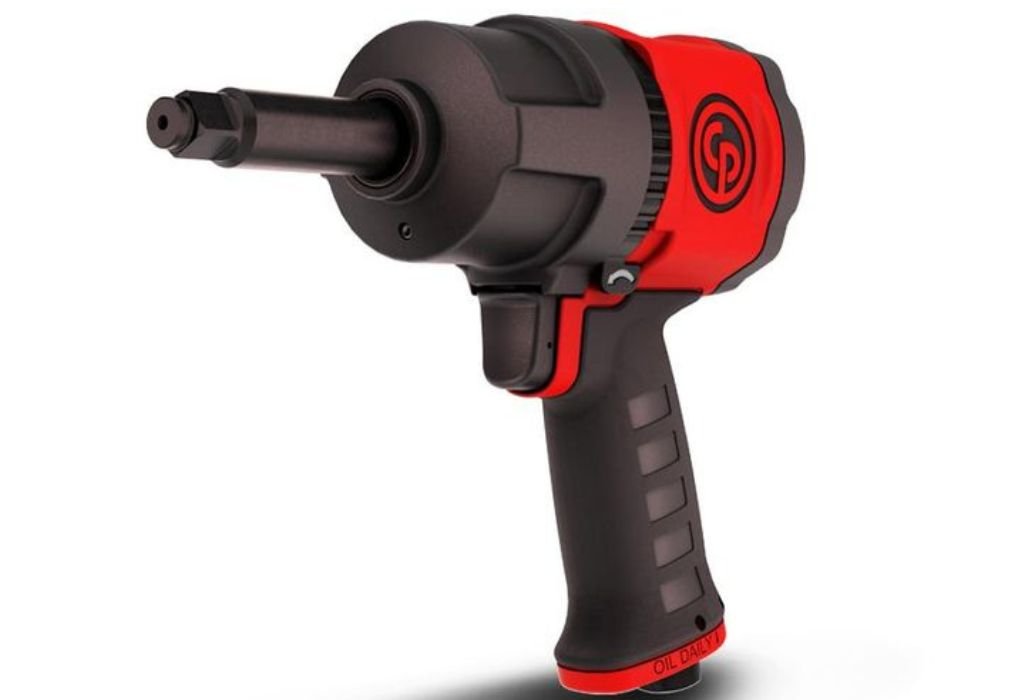
Regular maintenance ensures consistent torque output and prolongs tool life.
Clean, lubricate, and inspect your impact wrench periodically.
Use torque sticks or a torque wrench for final tightening to avoid over-torquing.
Check sockets for wear, and calibrate your tool if possible.
How often should impact wrenches be serviced?
Every few months or after heavy usage.
Can you check actual torque output?
Yes, with a torque measuring fixture or dynamometer.
Do sockets reduce effective torque?
Yes — low-quality or worn sockets absorb torque.
Is over-torquing common?
Yes — especially if using a powerful impact on small fasteners.
Should 300 ft‑lb tools be used for finish torque?
No — always use a torque wrench for final precision.
Frequently Asked Questions
Is 300 lbs of torque good for an impact wrench for everyday use?
Yes, sufficient for most automotive and DIY tasks.
Can a 300 ft‑lb impact remove rusted bolts?
Sometimes, but extreme rust may require higher torque.
Does a 300 ft‑lb impact wrench risk overtightening?
Yes — especially on small fasteners without torque control.
Are torque specs on tools accurate?
Not always — real output can vary from nominal ratings.
Should I always use a torque wrench after an impact wrench?
Yes, for accuracy and to prevent damage.
Conclusion
So, is 300 lbs of torque good for impact wrench?
For most DIYers, automotive enthusiasts, and light machinery work, yes.
It offers a balanced combination of power, portability, and cost-efficiency.
However, in extreme applications — heavily rusted bolts, industrial fasteners, or heavy equipment — it may be insufficient.
Evaluate your regular tasks, consider a torque buffer, pair with quality sockets, and use a torque wrench for final tightening.
A 300 ft‑lb impact wrench is an excellent mid-range tool for most home garages and light-duty professional work.

I’m Michael R. Turner, the founder, lead writer, and passionate DIY enthusiast behind 101diytools.com. With years of hands-on experience in home improvement and power tools, I built this platform to share practical tips, in-depth guides, and honest reviews to help DIYers of all skill levels tackle projects with confidence and the right tools.