How to Use Ryobi Impact Wrench for DIY Projects
Many DIY enthusiasts purchase an impact wrench to save time but struggle with proper usage. Over-tightened bolts, stripped threads, or drained batteries can lead to frustration.
A Ryobi impact wrench combines power, portability, and convenience, making tasks like automotive repair, furniture assembly, and deck building easier. Did you know that the global DIY tools market is expected to grow at over 4.5% CAGR from 2024 to 2030 (Statista)? This growth shows the increasing adoption of power tools in home projects.
Using a Ryobi impact wrench correctly ensures safety, efficiency, and longer tool life. With this guide, you will learn how to set up, operate, and maintain your tool for a wide range of DIY applications, while avoiding common mistakes that beginners often make.
What Is a Ryobi Impact Wrench and How It Works
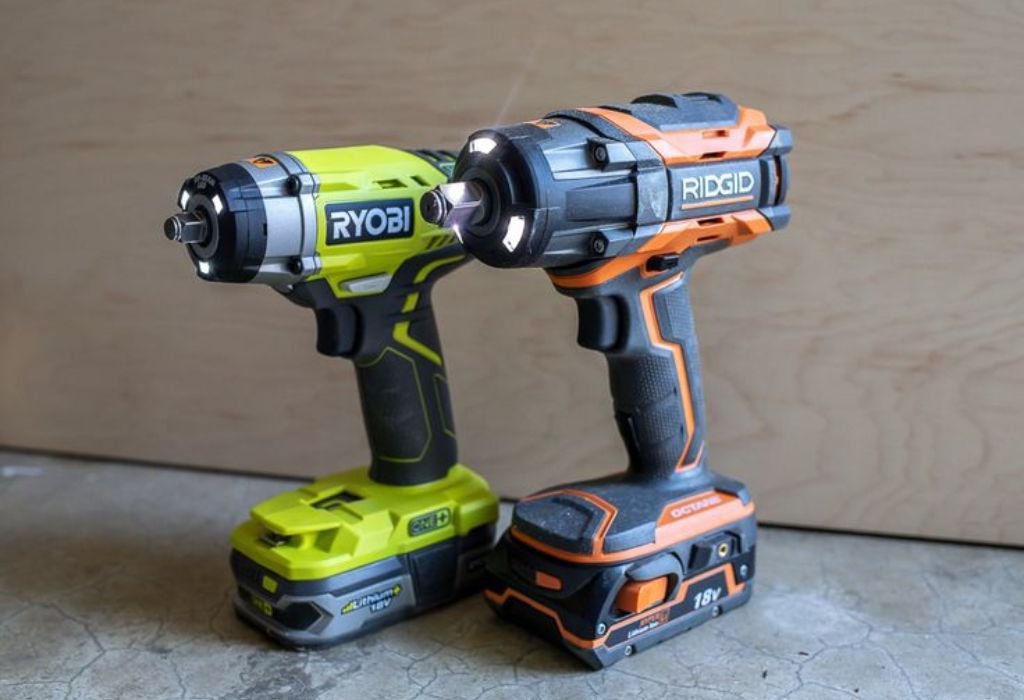
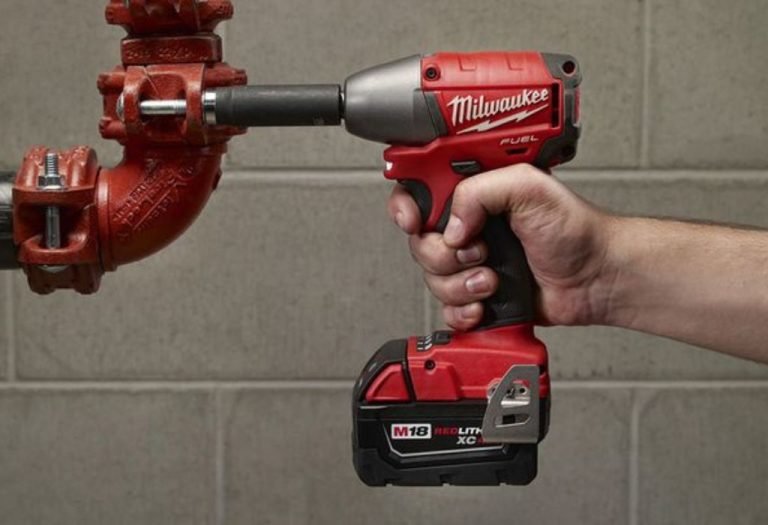
A Ryobi impact wrench is a power tool designed to deliver high torque for tightening or loosening bolts and nuts. Unlike manual wrenches, it uses rotational impacts generated by an internal hammer mechanism.
The tool’s concussive action allows it to handle stubborn fasteners without excessive effort. Cordless models, especially the Ryobi ONE+ series, provide freedom of movement without the limitations of a power cord.
What is an impact wrench used for?
It is used for loosening or tightening bolts, nuts, and fasteners quickly and efficiently.
How does a Ryobi impact wrench work?
Rotational force and rapid hammer impacts combine to deliver high torque while minimizing strain on the user.
What makes Ryobi tools beginner-friendly?
Lightweight design, adjustable torque settings, and intuitive trigger control simplify operation.
Is it different from an impact driver?
Yes. Impact drivers are for screws and light fasteners, while impact wrenches handle high-torque applications.
Why choose a cordless model?
Cordless models provide portability, ease of use in tight spaces, and compatibility with Ryobi’s ONE+ battery system.
Understanding Ryobi Impact Wrench Features
Ryobi impact wrenches include several key components. The motor powers the spindle, while the anvil transfers torque to the socket. The trigger controls speed, and the torque selector adjusts impact strength. Many models have an LED light for better visibility.
Brushless motors increase efficiency and reduce battery consumption, while cordless design allows easy switching between ONE+ tools.
What is the torque range of a Ryobi impact wrench?
Ranges typically vary from 150 to 300 ft-lbs, suitable for most DIY tasks.
What are the main parts of the tool?
Motor, anvil, hammer mechanism, trigger, torque selector, LED light, and battery.
How do speed and torque modes work?
Low, medium, and high settings control impact force and rotation speed for precision or heavy-duty work.
What battery size fits best?
4 Ah batteries offer longer runtime; 2 Ah is lighter and sufficient for small projects.
Does it have overload or brake protection?
Yes. Many Ryobi models have built-in protection to prevent motor overheating and over-tightening.
Preparing Your Ryobi Impact Wrench for Use
Before using your impact wrench, ensure the battery is charged, the correct socket is selected, and the work area is clear. Inspect the tool for damage and verify that all moving parts are lubricated. Wear gloves and eye protection to prevent injury.
How to attach the socket properly?
Push the socket onto the anvil until it clicks securely.
How to install and remove the battery?
Slide the battery into the base until it locks; remove by pressing the release buttons.
Why is torque setting important?
Correct torque prevents stripped threads and ensures fasteners are tightened appropriately.
What safety gear is recommended?
Gloves, safety glasses, and ear protection when using high torque settings.
How to test it before full use?
Run the tool briefly on a scrap fastener to check speed and torque.
Step-by-Step: How to Use Ryobi Impact Wrench
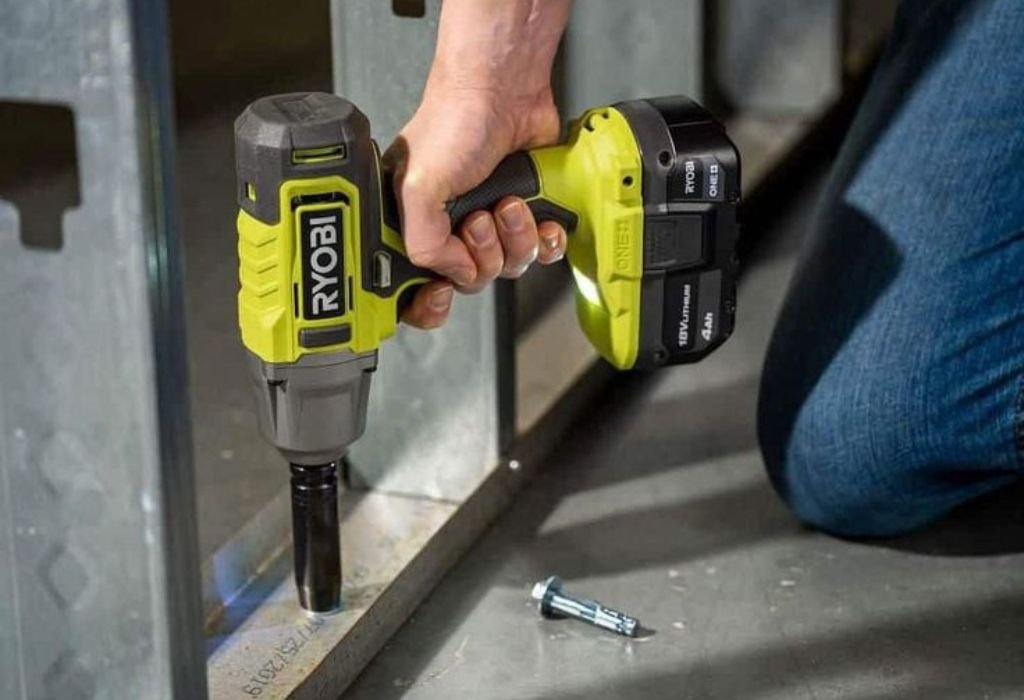
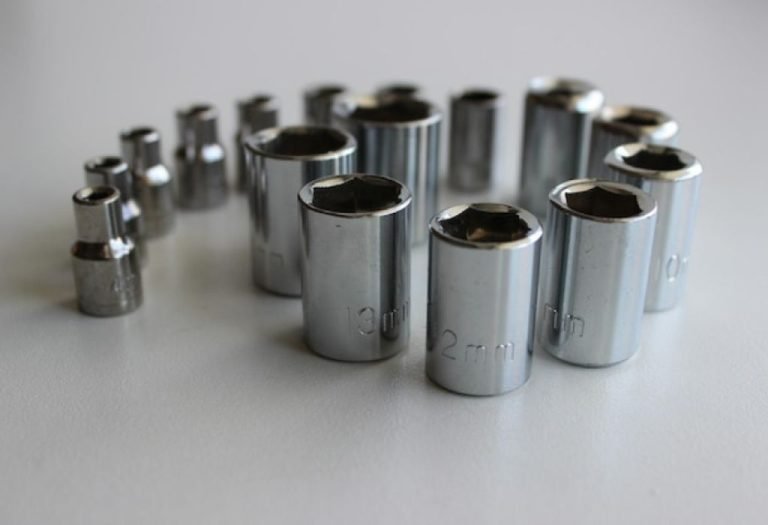
- Select the correct socket size for your fastener.
- Secure the workpiece with clamps or a vise.
- Set torque and speed according to the fastener type.
- Position the wrench squarely over the fastener and pull the trigger gently.
- Allow the wrench to complete the impact cycles; do not force the tool.
How to remove a lug nut with Ryobi impact wrench?
Use the appropriate socket, set high torque, and pull the trigger while keeping the tool steady.
Can you tighten bolts with it too?
Yes. Adjust the torque setting for tightening to prevent over-torquing.
How long can the battery last?
Depends on capacity and workload; a 4 Ah battery can handle several lug nuts or furniture bolts before recharging.
What’s the best trigger control method?
Apply consistent pressure on the trigger rather than pulsing to avoid jerky operation.
Should you use lubricant or penetrating oil?
Yes, for rusty or stuck fasteners, apply penetrating oil to ease removal.
Common Mistakes to Avoid
Beginner users often over-tighten bolts, use the wrong socket, or let the battery fully discharge. Avoid continuous trigger pressure for extended periods, which can wear the motor faster.
What happens if you over-tighten bolts?
Threads can strip or the fastener may break.
Why is wrong socket size dangerous?
It can round off bolts and damage the tool.
Can low battery affect torque output?
Yes, the tool may underperform if voltage is insufficient.
Should you keep holding the trigger continuously?
No. Brief pauses help maintain control and prevent overheating.
Can you use it for drilling holes?
No. It is designed for driving fasteners, not drilling.
Applications: Where You Can Use It
Ryobi impact wrenches excel in automotive repair, furniture assembly, deck building, and general household tasks. The cordless design allows easy use in tight or outdoor spaces.
Can Ryobi impact wrench remove lug nuts on cars?
Yes, for most standard vehicles.
Can it be used for bikes or small engines?
Yes, with appropriate socket and torque settings.
Is it suitable for woodworking?
Not directly for drilling; only for fastening hardware.
What DIY tasks benefit most?
Car maintenance, assembling garden structures, tightening bolts on machinery.
Is it compatible with other Ryobi ONE+ tools?
Yes, the batteries are interchangeable across the system.
Maintenance and Battery Care
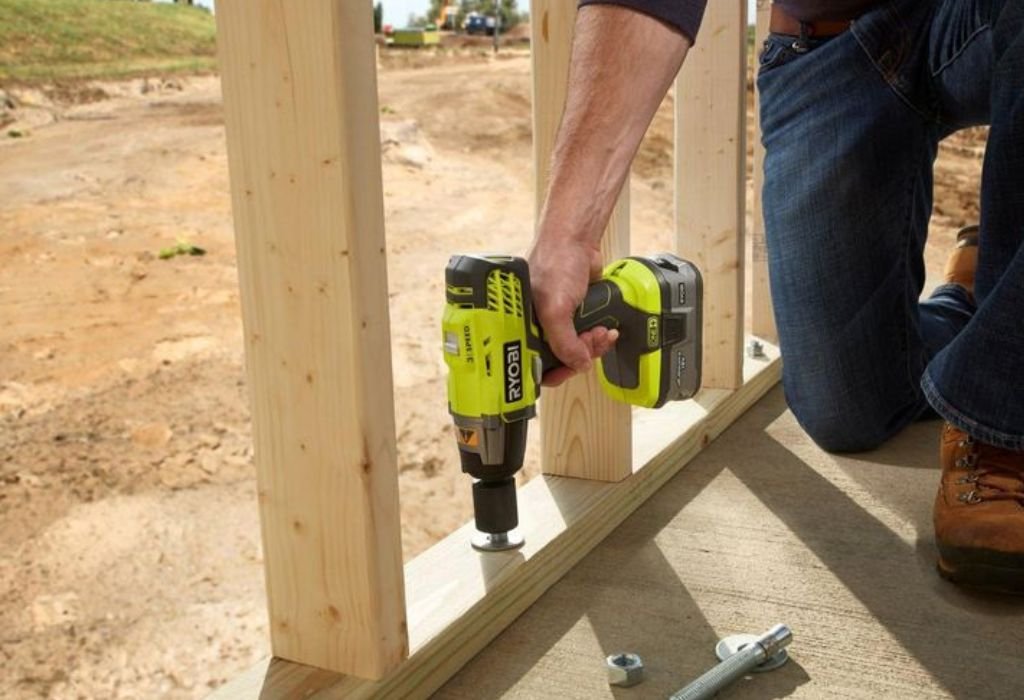
Regular cleaning, lubrication, and proper battery handling extend tool lifespan. Store batteries in a cool, dry place and avoid full depletion before charging.
How often should you clean the tool?
After each use, remove dust, debris, and inspect moving parts.
How to store the battery safely?
Keep it in a dry, temperature-controlled area and avoid extreme heat.
What to do if torque feels inconsistent?
Check battery charge and inspect sockets and anvil for wear.
Can impact wrenches be calibrated?
Yes, some models allow periodic torque calibration.
How long do Ryobi batteries last on average?
Typically 3–5 years with proper care.
Troubleshooting and FAQs
Why won’t my Ryobi impact wrench start?
Ensure battery is fully charged and correctly installed.
Why is the torque lower than expected?
Battery may be weak, or internal parts may need inspection.
How to fix a stuck anvil or socket?
Use penetrating oil and remove gently; avoid excessive force.
What to check if the battery drains fast?
Inspect battery health and ensure proper storage.
Where to get Ryobi service support?
Ryobi offers authorized service centers and online support (Ryobi Tools).
Safety Tips and Best Practices
Always wear gloves and eye protection. Avoid using the tool near flammable materials. Never operate overhead without support. Alternate between gripping and resting to prevent wrist strain. Stop between impact cycles to maintain control.
Conclusion
A Ryobi impact wrench is an indispensable DIY tool for fast, precise, and efficient fastening. Proper usage, torque control, and battery care ensure safety and longevity. Whether working on cars, assembling furniture, or building decks, following these guidelines will help you maximize your Ryobi impact wrench’s performance and enjoy hassle-free DIY projects.

I’m Michael R. Turner, the founder, lead writer, and passionate DIY enthusiast behind 101diytools.com. With years of hands-on experience in home improvement and power tools, I built this platform to share practical tips, in-depth guides, and honest reviews to help DIYers of all skill levels tackle projects with confidence and the right tools.