How to Use Milwaukee Impact Wrench Like a Pro
The stubborn lug nut refuses to budge.Sweat forms, the wrench slips, and frustration builds.
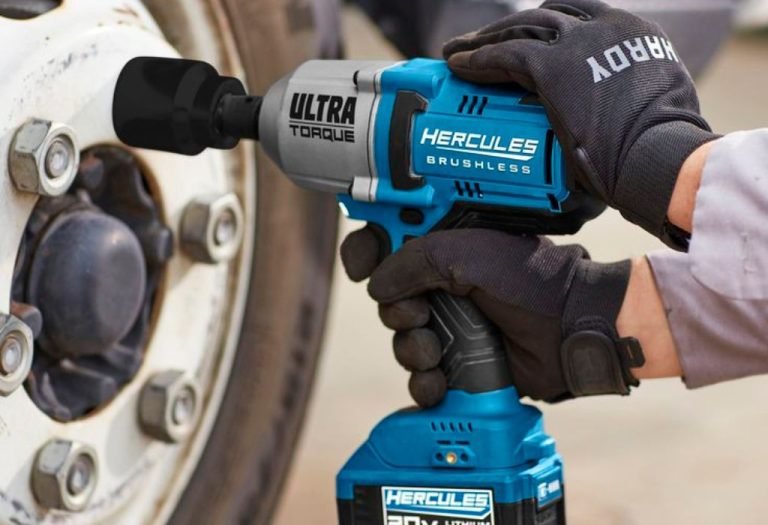
Moments later, a compact red Milwaukee impact wrench roars to life — and the bolt breaks free effortlessly.
This single moment defines why professionals and DIYers trust Milwaukee tools for power and precision.
Impact wrenches are more than just noisy torque machines.They’re precision instruments when used correctly — capable of tightening or loosening fasteners with consistent force
while protecting threads and components.But without understanding the proper settings, accessories, and techniques, even the best tool can fall short of its potential.
According to Milwaukee Tool, their M18 FUEL lineup delivers up to 1,400 ft-lbs of nut-busting torque, making it one of the most powerful cordless impact systems available.
Meanwhile, ToolGuyd reports that over 70% of mechanics now rely on cordless impact wrenches for mobility and reduced downtime source.
From choosing the right torque mode to handling different fastener sizes, mastering a Milwaukee impact wrench ensures top performance with minimal wear.
It’s about more than brute power — it’s about precision, control, and efficiency on every job.
This guide explains how to use a Milwaukee impact wrench like a pro, covering setup, controls, torque management, safety steps, and maintenance so every bolt you tackle gets the perfect finish — strong, accurate, and damage-free.
Know Your Milwaukee Lineup

Milwaukee offers a complete impact wrench range designed for different torque levels, sizes, and tasks.
Before learning operation, it’s crucial to understand your tool’s class and capabilities.
M12 vs M18 Impact Wrenches
The M12 series is compact and lightweight, ideal for light automotive or assembly work.
The M18 lineup delivers higher torque and longer runtime, perfect for automotive, construction, and industrial jobs.
Compact, Mid-Torque, and High-Torque Models
Compact models handle up to 250 ft-lbs of torque.
Mid-torque versions deliver around 600 ft-lbs, while high-torque units can reach 1,400 ft-lbs or more.
Anvil Types
Milwaukee offers friction ring, pin detent, and through-hole anvils.
Friction rings allow quick socket changes, while pin detent ensures a secure fit for overhead or heavy-duty applications.
Common Questions
Which Milwaukee platform is stronger, M12 or M18?
M18 provides greater torque and battery life for demanding jobs.
Is compact torque enough for wheel lugs?
For cars, yes — around 100-150 ft-lbs is adequate. For trucks, use mid-torque.
Friction ring or pin detent?
Friction ring offers faster changes, pin detent prevents socket slips.
Can you mix batteries between M12 and M18?
No, each platform uses unique voltage and size packs.
Safety First
Safety is the foundation of performance.
Improper use can damage fasteners or cause injuries.
PPE and Workspace Preparation
Always wear safety glasses and gloves when using an impact wrench.
Clear the workspace to prevent tripping hazards and accidental tool drops.
Check the Tool and Sockets
Inspect the anvil, socket fit, and battery lock before each use.
Never use cracked or chrome sockets — only impact-rated sockets designed for high torque.
Avoid Over-torquing
Over-tightening fasteners can stretch or strip threads.
Always finish tightening with a torque wrench to ensure correct specs.
Common Questions
Can extensions reduce torque?
Yes, long or flexible extensions absorb impact energy.
Are gloves necessary?
Yes, they improve grip and reduce vibration fatigue.
Can you use standard sockets?
No, always use black impact sockets marked for high torque use.
Why does my tool kick back?
Incorrect grip or mode setting may cause sudden rotation.
Battery Power and Maintenance
Battery quality directly affects torque output and tool life.
Milwaukee uses REDLITHIUM technology for consistent performance.
Battery Ratings
Higher amp-hour (Ah) packs last longer but are heavier.
Use 5.0Ah or 8.0Ah batteries for demanding jobs and extended sessions.
Charging and Storage
Charge batteries fully before work.
Store them at 40–60% charge in a dry area to maximize lifespan.
Common Questions
Do bigger batteries give more power?
They deliver longer runtime but not always higher torque.
How long do Milwaukee batteries last?
Typically 500–1,000 charge cycles with proper care.
Why does my impact lose power?
Low voltage or worn cells reduce torque output.
Can cold weather affect batteries?
Yes, keep them above freezing for optimal performance.
Understanding Controls and Modes
Milwaukee’s Drive Control system allows you to adjust speed and torque for precise work.
Speed Settings
Most models have 3 or 4 modes ranging from light to heavy fastening.
Mode 1 is for delicate work, Mode 3 for tough bolts, and Mode 4 for intelligent control.
Special Features
Features like Auto Shut-Off prevent over-tightening.
Bolt Removal Mode increases control during loosening by slowing rotation after breakaway.
Common Questions
Which mode for car lug nuts?
Use Mode 3 or Bolt Removal for loosening, Mode 2 for tightening.
Can you use full power all the time?
No, match torque to fastener size to avoid damage.
Does trigger control matter?
Yes, smooth triggers allow fine torque adjustments.
What does Auto Shut-Off do?
Stops rotation once the nut reaches snug torque levels.
Setup and Accessories
The right accessories enhance performance and safety.
Use impact-rated extensions, torque sticks, and protective boots.
Socket Selection
Use 6-point impact sockets for maximum grip.
Avoid worn or rusted sockets that reduce contact area.
Torque Sticks
They limit torque during wheel installation to avoid overtightening.
Match the stick rating to the manufacturer’s specification.
Common Questions
Do thin-wall sockets protect wheels?
Yes, they prevent scratching alloy rims.
Can adapters reduce torque?
Yes, every connection slightly lowers output.
Should I grease the anvil?
A light film helps smooth socket engagement.
Do protective boots trap heat?
Milwaukee boots are vented to avoid overheating.
Step-by-Step: How to Use a Milwaukee Impact Wrench

Learning proper technique ensures safe and effective operation.
1. Preparation
Inspect fasteners and sockets.
Ensure the battery is fully charged and mode selected correctly.
2. Attaching the Socket
Slide the socket fully onto the anvil.
Hold the tool perpendicular to the bolt for best torque transfer.
3. Loosening Fasteners
Set to reverse and pulse the trigger until breakaway occurs.
Maintain steady pressure — let the tool do the work.
4. Tightening Fasteners
Switch to forward and run the nut snug.
Use a torque wrench for the final specification tightening.
Common Questions
Why do bolts strip easily?
Misalignment or too high a mode setting.
How long should you hold the trigger?
Short bursts give more control and less heat.
Can it replace a torque wrench?
No, it should only assist in pre-tightening.
Why does it stop mid-turn?
The torque limit or battery may be reached.
Real Torque vs Rated Torque
Advertised torque differs from real-world conditions.
Friction, battery charge, and fastener quality affect output.
Common Questions
Why doesn’t my tool match the rated torque?
Specs are based on lab tests with ideal conditions.
Does lubrication change results?
Yes, lubricated threads require less torque for the same tension.
Do impact extensions reduce torque?
Yes, energy loss increases with joint flexibility.
How to maximize real torque?
Use fresh batteries, correct sockets, and direct tool alignment.
Common Uses and Mode Recommendations
Milwaukee impact wrenches can handle a wide range of fastening jobs.
Automotive Lug Nuts
Use Bolt Removal for disassembly and Auto Shut-Off for reinstallation.
Construction Bolts
Use high-torque mode for structural fasteners.
Equipment Maintenance
Use mid-torque tools for medium-size bolts and pulleys.
Common Questions
What mode for suspension work?
Mode 3 or high-torque models for large bolts.
Can compact models handle heavy tasks?
For short jobs, yes, but not continuous duty.
Why switch sockets frequently?
Proper fit ensures consistent torque.
Can I use extensions for deep bolts?
Yes, but expect minor torque loss.
Troubleshooting Weak or Inconsistent Power
When your Milwaukee impact wrench feels sluggish, it’s often a small issue.
Battery Problems
Check charge level and terminals for corrosion.
Socket Fit
Loose sockets or adapters absorb impact force.
Mode Setting
Ensure the correct drive mode is selected for the task.
Common Questions
Why is my tool sparking?
Brush wear or internal debris in brushed models.
Why does it stop suddenly?
Thermal or current overload protection activated.
How do I restore power?
Recharge the battery and cool the tool before restarting.
Why does torque drop mid-job?
Voltage sag from overheating cells or dirty contacts.
Maintenance and Care
Clean tools work better and last longer.
Milwaukee’s brushless motors need minimal service but still require attention.
Cleaning and Lubrication
Wipe debris after use.
Apply light oil to the anvil and detent ball.
Battery Maintenance
Avoid storing batteries fully charged for long periods.
Use original chargers to protect cell balance.
Common Questions
How often to clean?
After dusty or oily jobs.
Do vents need cleaning?
Yes, use dry air to keep them unclogged.
How to prevent rust on the anvil?
Wipe with oiled cloth after each use.
Should you open the tool for cleaning?
No, external cleaning is sufficient unless serviced professionally.
Advanced Features: Milwaukee ONE-KEY

Some Milwaukee models include ONE-KEY, a smart digital platform for customization and tracking.
You can program torque profiles, monitor tool usage, and even locate missing tools.
For fleet management, ONE-KEY offers security and consistent setup across multiple users.
Common Questions
Can you disable a stolen tool?
Yes, ONE-KEY allows remote lockout.
Does ONE-KEY affect torque output?
No, it controls speed and modes without changing rated torque.
Is app setup difficult?
Setup takes minutes through Milwaukee’s mobile app.
Which models include ONE-KEY?
Selected M18 FUEL impact wrenches.
Conclusion
Learning how to use a Milwaukee impact wrench properly transforms every fastening task.
It’s not just about raw torque — it’s about applying controlled power safely and efficiently.
Choose the right model, set the correct mode, and match sockets to each fastener.
Maintain your batteries and inspect your tool regularly for consistent results.
Whether removing stubborn bolts or fine-tuning assembly torque, your Milwaukee impact wrench delivers unmatched performance when used with skill and care.
Work smarter, safer, and let every impact count.

I’m Michael R. Turner, the founder, lead writer, and passionate DIY enthusiast behind 101diytools.com. With years of hands-on experience in home improvement and power tools, I built this platform to share practical tips, in-depth guides, and honest reviews to help DIYers of all skill levels tackle projects with confidence and the right tools.