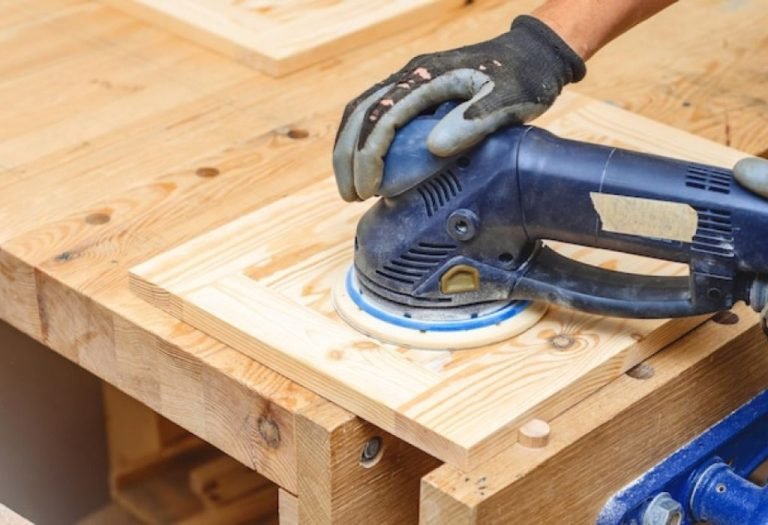
Your guide to how to use a nail gun safely and prevent injury
Preventing serious injury with a nail gun starts with prioritizing safety and understanding your tool. Always wear appropriate personal protective equipment (PPE), like safety glasses and hearing protection, and thoroughly read your nail gun’s manual to grasp its specific features and operation modes. Combining proper technique with a clear workspace and regular tool maintenance ensures safe, efficient use every time.
Your guide to how to use a nail gun safely and prevent injury
Picture this: you’ve got a big project staring you down – maybe a deck to build, a fence to repair, or some intricate trim work. You look at your trusty nail gun, a marvel of modern engineering that promises to speed things up, making quick work of tasks that would take ages with a hammer. It’s a powerful, efficient tool, a real game-changer for any DIY enthusiast or professional alike.
However, with great power comes great responsibility, right? A nail gun, for all its convenience, is not a toy. It’s a high-velocity piece of equipment that, if not handled with respect and caution, can cause serious injury. Think of it like driving a car – incredibly useful, but you wouldn’t get behind the wheel without understanding the rules of the road and wearing your seatbelt. The same careful mindset applies to using a nail gun.
That’s exactly why we’re here today. I want to share some vital insights on how to use a nail gun safely, drawing from experience and best practices, so you can tackle your projects with confidence and keep all your fingers and toes intact. Let’s dive in and make sure your next nailing job is as safe as it is successful.
Key Takeaways
- Always wear PPE: Protect eyes, ears, and hands from injury.
- Read the manual: Understand your specific nail gun’s features and warnings.
- Disconnect power: Before clearing jams, loading, or making adjustments.
- Secure your workpiece: Prevent kickback and uncontrolled nail discharge.
- Use correct firing mode: Prioritize sequential trip for precise control and safety.
- Inspect tool regularly: Check for damage, air leaks, and proper safety function.
- Keep clear of others: Ensure no one is in the nail gun’s firing line.
📑 Table of Contents
- Understanding Your Nail Gun: The Basics of Safe Operation
- Gear Up: Essential Personal Protective Equipment (PPE)
- Before You Start: Pre-Operation Safety Checks
- Safe Operation Techniques: Handling the Nail Gun Like a Pro
- Mind Your Surroundings: Workspace Safety
- After the Job: Maintenance and Storage Safety
- Stay Safe, Build Awesome Things!
Understanding Your Nail Gun: The Basics of Safe Operation
Before you even think about loading those nails, taking a moment to truly understand your specific tool is the first, most crucial step in learning how to use a nail gun safely. Not all nail guns are created equal, and knowing the ins and outs of yours can prevent a lot of headaches – and injuries.
Read the Manual, Seriously!
I know, I know. Manuals can be boring. But trust me on this one: your nail gun’s manual is packed with specific safety warnings, operational instructions, and maintenance tips unique to your model. Different brands and types (pneumatic, cordless electric, fuel-powered) have distinct features and quirks. A quick read-through can highlight things you might otherwise miss, like specific trigger mechanisms or loading procedures.
Know Your Firing Modes
This is perhaps the most critical safety feature to understand. Nail guns typically have different firing modes:
- Sequential (or Full Sequential) Firing: This is the safest mode. You must first press the contact trip (the nose of the gun) against the work surface and then pull the trigger to fire a nail. To fire another nail, you must lift the gun, reposition it, press the contact trip again, and then pull the trigger. It’s slower, but drastically reduces the risk of accidental discharge.
- Contact (or Bump) Firing: In this mode, you hold the trigger down, and a nail fires every time the contact trip is pressed against the work surface. This allows for rapid firing, which is great for large, repetitive tasks like decking. However, it’s also much riskier. An accidental “bump” of the gun against your leg or another surface while the trigger is held could cause a serious injury. For most DIYers and less experienced users, always start with sequential firing.
Always verify which mode your gun is set to before starting work.
Match the Nail to the Job
Using the correct size and type of nail for your specific material is not just about holding power; it’s also about safety. Too long a nail can go through your material and protrude on the other side, potentially hitting you or someone else. Too short a nail might not hold securely, leading to instability. Always check the nail gauge, length, and head type recommended for your nail gun and the material you’re working with.
Gear Up: Essential Personal Protective Equipment (PPE)
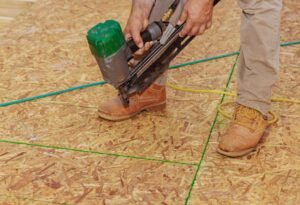
You wouldn’t ride a bike without a helmet, right? The same logic applies when figuring out how to use a nail gun safely. Your body needs protection from the potential hazards of a powerful tool. Don’t skimp on PPE; it’s your first line of defense.
Eye Protection: Non-Negotiable
This is absolutely critical. Nails can bend, splinter, or ricochet, sending shrapnel directly toward your eyes. Always wear safety glasses or goggles that meet ANSI Z87.1 standards. Regular eyeglasses are not enough. If you wear prescription glasses, get safety glasses that fit over them or prescription safety glasses.
Hearing Protection: Protect Your Ears
Nail guns are loud! Prolonged exposure to loud noises can cause permanent hearing damage. Earmuffs or earplugs are a must, especially if you’re using the tool for an extended period or in an enclosed space. Trust me, you’ll thank yourself years down the road.
Hand Protection: Gloves for Grip and Guard
A good pair of work gloves can provide a better grip, reducing the chance of the tool slipping. They also offer a layer of protection against splinters, pinches, and minor abrasions. Choose gloves that fit well and don’t hinder your dexterity.
Head Protection and Footwear
If you’re on a construction site or working overhead, a hard hat is essential to protect against falling objects. Sturdy, closed-toe work boots with non-slip soles are also highly recommended to prevent slips and protect your feet from dropped tools or materials.
Before You Start: Pre-Operation Safety Checks
Before that nail gun even hums to life, a few quick checks can drastically improve your safety and ensure the job runs smoothly. This ‘pre-flight checklist’ is a cornerstone of learning how to use a nail gun safely.
Inspect Your Tool
- Power Source: For pneumatic guns, check the air hose for cuts, frays, or loose connections. Ensure the compressor pressure is within the manufacturer’s recommended range. For cordless tools, check the battery and ensure it’s fully charged. For fuel-powered, check the fuel cell and battery.
- Safety Mechanisms: Test the contact trip (nose safety) to make sure it moves freely and springs back properly. Ensure the trigger operates as expected and isn’t sticking.
- Magazine: Make sure the nail magazine is loaded correctly and that the nails are the right type for your gun.
Clear Your Workspace
Tripping hazards are a major cause of accidents. Clear away any debris, extra tools, or obstacles. Make sure there’s enough room to move around comfortably without bumping into anything or anyone. If children or pets are present, ensure they are kept far away from the work area.
Secure Your Material
Always clamp or otherwise firmly secure the material you’re nailing. Holding material with one hand while operating a powerful nail gun with the other significantly increases the risk of injury if the material shifts or the gun recoils unexpectedly.
Safe Operation Techniques: Handling the Nail Gun Like a Pro
Now that your gear is on and your workspace is clear, it’s time to actually get to work. These techniques will guide you on how to use a nail gun safely during the actual nailing process.
Proper Grip and Stance
Hold the nail gun firmly with both hands whenever possible, especially if it’s a heavier model. Maintain a balanced, stable stance. Never overreach; it’s better to move your body or the material than to stretch dangerously.
Always Point Away
This seems obvious, but it’s easily forgotten in the heat of the moment. Never point the nail gun at yourself or anyone else, even if you think it’s unloaded or disconnected. Treat it as if it’s always ready to fire.
Keep Fingers Clear
Always keep your non-dominant hand and fingers well away from the discharge area of the gun. That means don’t hold the wood where the nail is about to come out. Use clamps or your dominant hand to stabilize the tool.
Avoid “Blind” Nailing
Always know what’s on the other side of your material. Nailing into a wall without checking for electrical wires, plumbing, or gas lines is incredibly dangerous. Use a stud finder or blueprints if necessary.
Beware of Recoil and Double Fires
When a nail gun fires, there’s a natural recoil. Hold the gun firmly to manage this. If you’re using contact fire mode, a “bounce” or “double fire” can occur if the gun isn’t held steadily, causing it to fire a second nail unintentionally. This is another reason sequential mode is generally safer.
What to Do with Jams
If your nail gun jams, stop immediately. Disconnect the power source (unplug the air hose or remove the battery) before attempting to clear the jam. Never try to clear a jam by hitting the gun or forcing it; follow the manual’s instructions.
Mind Your Surroundings: Workspace Safety
Your personal technique is crucial, but your environment plays an equally important role in how to use a nail gun safely. Being aware of your surroundings can prevent accidents involving others or unforeseen hazards.
Clear Communication
If others are working nearby, let them know you’re about to use a nail gun. A simple “Heads up, I’m using the nail gun!” can prevent someone from walking into your immediate work zone unexpectedly. If working in a shared space, consider cordoning off your area.
Watch for Live Wires and Pipes
As mentioned earlier, this is paramount when working on walls, floors, or ceilings. A nail striking an electrical wire can cause electrocution or fire. Hitting a water pipe can lead to flooding and structural damage. Always use a stud finder with metal detection capabilities or consult building plans.
Working on Ladders or Scaffolding
If you’re working at height, ensure your ladder or scaffolding is stable and secure. Never carry a loaded nail gun up or down a ladder. Instead, use a tool belt or have someone hand it to you once you’re safely positioned. Maintain three points of contact on a ladder whenever possible.
Weather Conditions
Avoid using electric or pneumatic nail guns in damp or wet conditions, as this significantly increases the risk of electrocution or tool damage. If you must work in such conditions, ensure all tools and connections are rated for wet use and take extra precautions, like using ground fault circuit interrupters (GFCIs).
After the Job: Maintenance and Storage Safety
When the last nail is driven and the project is taking shape, your safety responsibilities aren’t over. Proper shutdown, maintenance, and storage are key to prolonging your tool’s life and ensuring it’s safe for next time.
Disconnect Power
This cannot be stressed enough: always, always, always disconnect the nail gun from its power source when you’re done using it, even if just for a short break. Unplug the air hose, remove the battery, or turn off the fuel source. This prevents accidental firing if the trigger or safety mechanism is bumped.
Clean and Inspect
After each use, take a moment to clean your nail gun. Remove any dust, debris, or wood fragments that might have accumulated. Inspect the tool for any damage, loose screws, or worn parts. For pneumatic tools, a drop of oil in the air inlet can help keep internal components lubricated, but always refer to your manual for specific maintenance guidelines.
Proper Storage
Store your nail gun in a secure, dry place, out of reach of children and unauthorized users. A locked cabinet or a sturdy toolbox is ideal. This prevents curious hands from getting injured and protects your investment from damage or theft.
Handle Malfunctions Safely
If your nail gun is behaving unusually, making strange noises, or repeatedly jamming, do not try to “force” it to work. Disconnect the power and consult the manual for troubleshooting. If you can’t resolve the issue safely, take it to a qualified service technician. Trying to fix complex tool problems yourself without proper knowledge can lead to further damage or injury.
Stay Safe, Build Awesome Things!
Using a nail gun can transform how you approach building and repair projects, making them faster, easier, and more enjoyable. But remember, the power and efficiency of this tool demand your respect and adherence to safety protocols. By following these guidelines on how to use a nail gun safely – from understanding your tool’s features to gearing up, performing pre-checks, operating carefully, and maintaining your equipment – you’re not just preventing injuries; you’re building a foundation of safe work habits that will serve you well in all your future endeavors.
So go ahead, tackle those projects with confidence, but always prioritize safety. Your hands, eyes, and ears will thank you, and you’ll enjoy the satisfaction of a job well done, without any painful mishaps.
Frequently Asked Questions
What personal protective equipment (PPE) is essential when operating a nail gun safely?
Always wear safety glasses to protect your eyes from flying debris or ricocheting nails. Additionally, hearing protection is crucial due to the loud noise produced by the tool, and work gloves can improve grip and protect your hands from splinters.
How can I prevent accidental firing when using a nail gun?
Always keep your finger off the trigger until you are ready to nail, and never point the nail gun at yourself or others. Ensure the safety contact tip is firmly against the workpiece before activating the trigger to prevent unintended discharge.
What is the safest procedure for loading and unloading a nail gun?
Before loading, always disconnect the air compressor or power source to prevent accidental firing. Point the tool away from yourself and others, then insert nails into the magazine, ensuring they are correctly oriented. Reverse this process by disconnecting power first before removing any remaining nails.
How do I safely clear a jammed nail gun?
First and most importantly, disconnect the power source (air hose or battery) from the nail gun before attempting to clear any jams. Refer to your tool’s manual for specific instructions on clearing the jam, using appropriate tools, and never force anything.
What are the most important safety tips when actually using a nail gun safely on a project?
Always secure your workpiece firmly to prevent it from shifting, which can cause nails to misfire or shoot through unexpectedly. Be mindful of your hand placement, keeping hands away from the nailing area to avoid injury from breakthrough or ricocheting nails.
Does proper maintenance affect how safely I can use a nail gun?
Absolutely, regular maintenance is vital for using a nail gun safely and effectively. Regularly inspect your nail gun for damaged parts, loose screws, or worn safety mechanisms, and address any issues promptly to ensure the tool operates as intended.

I’m Michael R. Turner, the founder, lead writer, and passionate DIY enthusiast behind 101diytools.com. With years of hands-on experience in home improvement and power tools, I built this platform to share practical tips, in-depth guides, and honest reviews to help DIYers of all skill levels tackle projects with confidence and the right tools.