How to Use a Circular Saw Like a Skilled Carpenter
The first time someone picks up a circular saw, there is usually a mix of excitement and fear. The hum of the motor and the spinning blade can feel intimidating, especially when you are not sure where to start.
Imagine standing in your garage, a plank of wood laid out perfectly, and wondering if you will make a clean cut or ruin the board. Every DIYer and carpenter begins with that moment of hesitation.
Once you understand the rhythm of the tool, the feel, the sound, and the motion, it becomes as natural as slicing bread. Confidence grows with every precise cut you make.
According to a recent safety report, over 40% of beginner accidents with saws occur because of poor setup and lack of guidance. Knowing how to prepare, adjust, and guide the saw correctly is just as important as cutting itself.
This guide will take you through everything from understanding your saw’s parts to mastering perfect straight and bevel cuts. You will learn not just how to use a circular saw, but how to use it like a skilled carpenter who values safety and precision.
Each step will teach you to handle your saw with confidence, whether you are cutting plywood for a shelf or trimming lumber for framing. By the end, you will not only be comfortable with the tool but also respect its power and precision.
Understanding What a Circular Saw Is
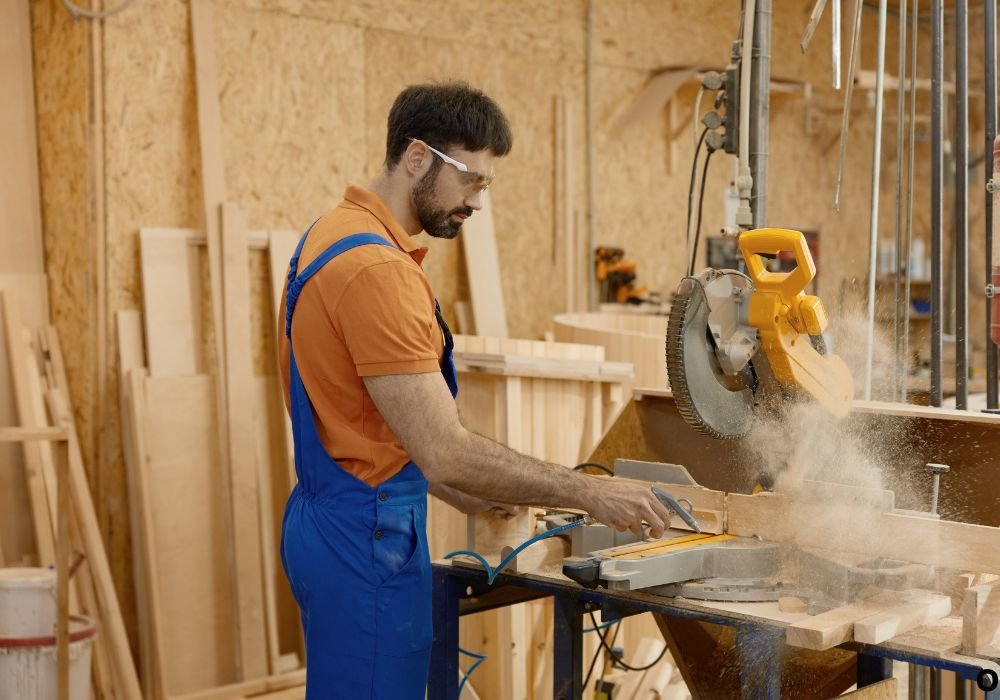
A circular saw is one of the most powerful and versatile cutting tools found in both workshops and construction sites. It uses a fast-spinning round blade to make straight, clean cuts through wood, metal, and even plastic.
The heart of the saw is its electric motor that drives the blade at thousands of revolutions per minute. This high speed allows the saw to slice through tough materials quickly and efficiently.
Most circular saws have a flat base plate, a guard that protects the blade, and an adjustable handle for better control. These components work together to provide precision and safety during every cut.
There are two main types of circular saws: corded and cordless. Corded models deliver consistent power, while cordless ones offer mobility and convenience for outdoor or remote work.
Blade size and material play an important role in the tool’s performance. A standard 7¼-inch blade is ideal for most woodworking, while carbide-tipped options handle dense materials with ease.
Understanding how each part functions helps you appreciate the saw’s engineering and purpose. Once you grasp its mechanics, learning how to use a circular saw safely becomes much easier and more enjoyable.
Preparing Your Workspace and Safety Gear
Before starting your first cut, setting up your workspace properly is the key to accuracy and safety. A stable surface and proper lighting ensure you can see every line and move with confidence.
Always wear protective gear such as safety goggles, gloves, and ear protection. This shields you from wood chips, sparks, and loud motor noise that can cause long-term damage.
Make sure the floor and table are free from clutter or tangled cords. A clean and organized environment minimizes distractions and tripping hazards while you focus on cutting.
Secure your workpiece using clamps to prevent unwanted movement. This small step avoids vibration that can throw your saw off track or cause kickback.
If you are using a corded circular saw, check the length and position of your extension cord. Keep it behind you and away from the cutting path to prevent accidental cuts or snags.
A well-prepared workspace not only boosts safety but also improves cutting precision. When you feel in control of your environment, you can focus entirely on mastering your circular saw technique.
Choosing the Right Blade for the Job
Your blade determines how clean and smooth each cut will be. Using the wrong blade can lead to splintering, burning, or even damaging your saw.
Circular saw blades come in various types for wood, metal, plastic, and masonry. Each blade has a different number of teeth that affects speed and finish quality.
A high TPI (teeth per inch) blade produces smoother cuts, while a lower TPI blade cuts faster but rougher. Choose based on whether you want precision or speed.
Carbide-tipped blades are excellent for durability and long-term sharpness. Diamond-coated blades are best for concrete or tile work where toughness matters most.
Always inspect the blade before use to ensure there are no cracks or missing teeth. A damaged blade increases vibration and can make your cuts unpredictable or unsafe.
Proper blade selection is the foundation of professional-quality work. The right blade makes cutting effortless and ensures your saw operates at its best.
Setting Up the Circular Saw Correctly
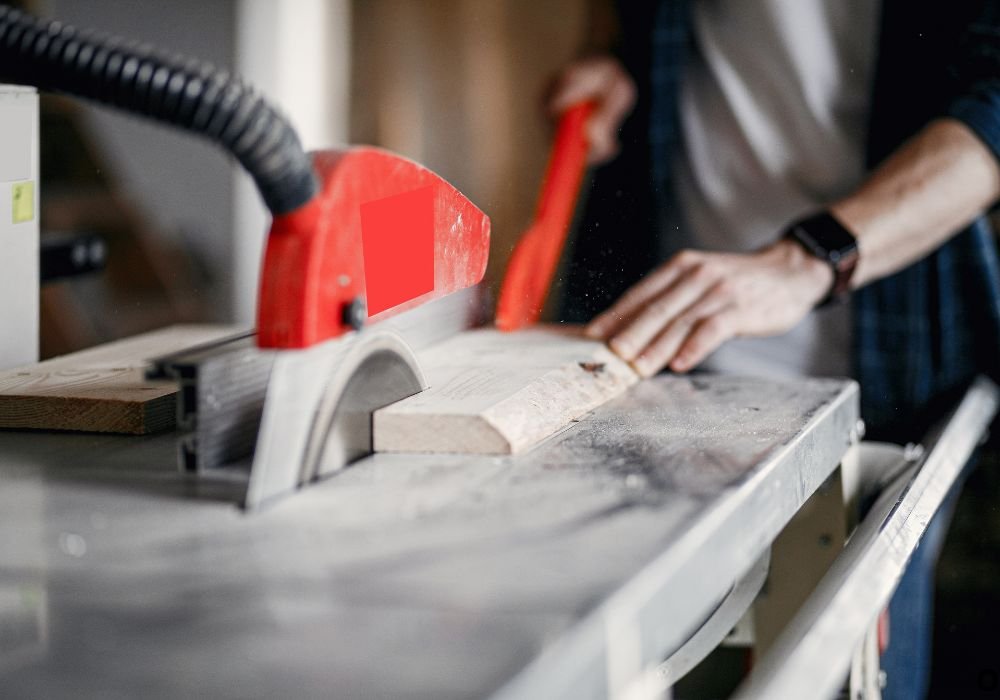
Before powering up your circular saw, check that all its parts are firmly attached. A loose blade or misaligned guard can cause uneven cuts and safety issues.
Adjust the cutting depth so the blade extends slightly below the material’s bottom surface. This small adjustment ensures smoother cutting and reduces the chance of kickback.
Align the base plate to your cutting line and make sure it stays flat during operation. Keeping steady pressure without tilting guarantees straight, consistent cuts.
If you are making long or repetitive cuts, use a guide rail or straight edge. It helps maintain accuracy, especially when working with sheet materials like plywood.
Always test your setup on a scrap piece before cutting the actual project. This quick test helps confirm your depth, angle, and alignment are perfect.
A properly adjusted saw feels balanced and predictable in your hands. When setup is right, you can focus on precision instead of worrying about control or safety.
Step-by-Step Guide to Making Straight Cuts
Making a straight cut with a circular saw may seem tricky at first, but once you master the process, it becomes second nature. Precision begins long before you squeeze the trigger.
Start by marking your cutting line clearly using a pencil and straight edge. A visible, sharp line ensures you stay on track and reduces guesswork during the cut.
Position the base plate of the saw against your guide and align the blade with the starting point of your mark. Keep a firm grip on both handles to maintain control as you start the motor.
Allow the blade to reach full speed before it touches the wood. Let the saw’s power do the work and push it forward steadily without forcing it.
Keep your eyes focused on the front edge of the base plate, not the spinning blade. This helps you maintain a straight path while avoiding distractions that can lead to uneven cuts.
When you finish the cut, release the trigger and let the blade stop completely before setting the saw down. This simple habit prevents accidental damage to your work surface and increases overall safety.
Mastering Bevel and Cross Cuts
Once you are comfortable making straight cuts, it is time to explore bevel and cross cuts. These techniques add versatility and allow you to create angled or jointed pieces with precision.
A bevel cut is made by tilting the base plate of the saw to a specific angle. Most circular saws can tilt up to 45 degrees, which is perfect for trim work and corner joints.
To set up for a bevel cut, loosen the bevel adjustment lever and tilt the shoe to your desired angle. Tighten it firmly and test on scrap material before cutting the actual piece.
Cross cuts, on the other hand, go across the grain of the wood. They are common in framing, flooring, and general woodworking projects where clean edges matter.
Use masking tape on your cutting line when working with plywood to minimize splintering. Always cut with the finished side facing down, as the blade spins upward and may chip the top layer.
Mastering these two techniques makes your circular saw more than a straight-cutting tool. It becomes a precision instrument for complex carpentry and decorative work.
Common Mistakes Beginners Should Avoid
Even experienced users can make mistakes that affect accuracy or safety. Knowing what to avoid is just as important as knowing what to do.
One of the biggest mistakes is forcing the saw through the material. Circular saws work best when you let the blade’s speed and sharpness do the cutting.
Another common issue is using a dull or damaged blade. A blunt edge generates excess heat, slows down progress, and increases the risk of kickback.
Failing to secure the workpiece properly can cause vibration and uneven cuts. Always clamp your material firmly to a stable surface before you begin.
Some beginners forget to adjust the cutting depth for each project. Setting the blade too deep causes unnecessary friction and shortens the tool’s lifespan.
Avoiding these small errors builds both confidence and consistency. With practice and awareness, you will cut faster, cleaner, and safer every time.
Maintenance and Storage for Long-Term Use
Proper maintenance extends the life of your circular saw and ensures top performance every time you use it. A well-kept tool will always deliver smoother and more accurate cuts.
After each project, unplug the saw and wipe off sawdust and debris from the blade and vents. A small brush or air blower helps remove dust buildup from tight spots.
Regularly check the blade for dullness, rust, or missing teeth. Replace it immediately if you notice any damage that could affect cutting performance.
Lubricate moving parts like the depth adjustment and guard hinges occasionally. This prevents stiffness and ensures the saw operates smoothly during use.
Store your circular saw in a dry, dust-free environment, preferably in its case or on a shelf. Keep blades covered or in blade protectors to prevent corrosion and accidental cuts.
Consistent care keeps your circular saw performing like new for years. When your tool is well-maintained, your projects remain safe, clean, and professional-looking.
Pro Tips for Cleaner, Faster, and Safer Cuts
Every professional carpenter knows that small habits make the biggest difference in cut quality. The right techniques can turn an average cut into a perfect one.
Always support both ends of the board when making long cuts. This prevents the material from bending downward and pinching the blade as it finishes the cut.
Use masking tape over your cut line when working with plywood or veneered boards. It keeps the edges clean and minimizes splintering on the finished surface.
Follow the grain of the wood whenever possible. Cutting along the grain reduces tear-out and creates a smoother finish without sanding.
Keep a sharp, clean blade at all times and switch blades when moving between materials. A fresh blade not only improves efficiency but also reduces strain on your motor.
Finally, stay calm and steady throughout every cut. A relaxed grip and controlled movement are the true signs of a craftsman who knows how to use a circular saw properly.
Frequently Asked Questions About Using a Circular Saw
1. Can a beginner use a circular saw safely?
Yes, beginners can use it safely with proper setup, protective gear, and careful control. Start with soft wood to build confidence.
2. What is the best circular saw for beginners?
A 7¼-inch corded model with clear guards and adjustable depth is ideal. It offers power and simplicity without added complexity.
3. Should I push or pull a circular saw while cutting?
Always push the saw forward in a straight line. Pulling it backward can cause kickback and damage your workpiece.
4. How deep should the blade be set?
The blade should extend about 1/4 inch below the bottom of the material. This ensures smooth cutting and prevents jamming.
5. Can a circular saw cut metal or plastic?
Yes, with the correct blade type. Use carbide or metal-cutting blades for aluminum or steel, and fine-tooth blades for plastics.
6. Why does my saw keep binding or smoking?
This happens when the blade is dull or the material pinches the kerf. Sharpen or replace the blade and support the board properly.
7. Do I need a guide to make straight cuts?
A guide rail or straight edge improves precision, especially for long or repeated cuts. It also helps maintain consistent angles.
8. How do I prevent splintering on plywood?
Place masking tape on the cut line and cut with the finished side facing down. A sharp fine-tooth blade helps as well.
9. What should I do if the saw blade wobbles?
Stop immediately and check the arbor nut and blade alignment. Tighten if loose or replace the blade if it is warped.
10. How do I maintain balance while cutting?
Keep both feet firmly planted and position your body slightly to the side of the blade. Never stand directly behind the cutting path.
11. Can I use a circular saw to cut at an angle?
Yes, use the bevel adjustment feature to tilt the base plate to your desired angle. Always test the angle on scrap before final cuts.
12. What is the difference between a rip cut and a cross cut?
A rip cut follows the wood grain, while a cross cut goes across it. Rip cuts are faster, and cross cuts focus on accuracy.
13. How do I keep my blade sharp longer?
Avoid cutting nails or screws, and clean resin buildup regularly. Proper storage also prevents corrosion and dulling.
14. Is a circular saw better than a table saw?
Each has its use. A circular saw is portable and flexible, while a table saw provides precision for large, repeated cuts.
15. Can I cut wet wood with a circular saw?
It is possible but not recommended. Wet wood can cause extra friction, clogging, and reduced blade life.
Conclusion: Turning Confidence Into Craftsmanship
Using a circular saw is not just about cutting wood; it is about mastering control, safety, and skill. Each step you take builds confidence and precision with the tool.
By following the right setup, blade choice, and cutting technique, you can handle any project with ease. The key is to let the saw work naturally instead of forcing it.
Every professional started as a beginner unsure of how to make the perfect cut. With patience and consistency, that same uncertainty becomes steady craftsmanship.
Remember that safety gear and workspace setup are as vital as the blade itself. These small details protect you and ensure smoother, cleaner results every time.
Keep practicing with different materials and angles to grow your skills further. Over time, you will notice how simple adjustments lead to flawless cuts.
Confidence with a circular saw comes from experience and respect for the tool. Once you develop both, you are not just cutting wood—you are shaping precision with your own hands.

I’m Michael R. Turner, the founder, lead writer, and passionate DIY enthusiast behind 101diytools.com. With years of hands-on experience in home improvement and power tools, I built this platform to share practical tips, in-depth guides, and honest reviews to help DIYers of all skill levels tackle projects with confidence and the right tools.