How to Store a Circular Saw Properly and Safely
After finishing a long day of cutting wood or concrete, most DIYers set their circular saw aside and forget about it. Weeks later, when they need it again, the blade is dull, the cord tangled, and the motor filled with dust. A little care after every job can prevent this.
Proper storage is not just about keeping your saw out of sight; it’s about protecting the blade, preventing rust, and ensuring safety. Whether you’re a professional carpenter or a weekend hobbyist, storing your circular saw correctly will make it last years longer and perform like new every time you use it.
Why Proper Storage Matters

Circular saws face dust, humidity, and accidental bumps that can shorten their life. Storing them incorrectly may cause rust on the blade or damage to electrical parts.
Moisture is one of the biggest threats. Even a small amount can corrode bearings or dull cutting edges. Safe storage helps avoid expensive replacements and ensures the saw is ready for precise, smooth cuts when needed.
Clean the Saw Before Storage
Never store a dirty saw. Dust, wood chips, and debris can clog vents and reduce airflow. Always unplug the saw before cleaning.
Use a soft brush or compressed air to remove sawdust from the blade, housing, and motor vents. Wipe metal surfaces with a clean, dry cloth. If needed, apply a light coating of machine oil to prevent rust.
Remove or Protect the Blade
If you won’t be using the saw for a while, it’s best to remove the blade. Store it in a dry, padded case or wrap it with cardboard to avoid accidental cuts.
For short-term storage, keep the blade attached but lower the guard fully. This protects both the blade and anyone handling the tool.
Choose the Right Storage Location
Store your circular saw in a dry, temperature-controlled place. Avoid damp basements or garages where humidity can build up.
If possible, hang the saw on a wall hook or place it on a sturdy shelf. Keep it away from chemicals, paints, or water sources that could cause corrosion.
Use a Carrying Case or Tool Bag
Most circular saws come with a hard plastic case or soft tool bag. These containers protect the saw from dust and impact during transport and storage.
If yours didn’t include one, invest in a universal circular saw case. It keeps the blade covered, cord coiled neatly, and prevents accidental knocks.
Handle the Power Cord Carefully
Power cords often suffer from twisting, bending, and sharp folds that lead to cracks. Before storing, inspect the cord for damage.
Wrap it loosely around the handle or use Velcro straps to keep it organized. Avoid tight loops that can weaken the internal wires.
Protect the Saw from Rust and Moisture
Use silica-gel packets or moisture-absorbing pads inside the case or storage box to keep humidity levels low.
For long-term storage, a light spray of corrosion-resistant oil on metal parts prevents rust. Wipe off excess oil before the next use.
Wall-Mounted and Shelf Storage Options
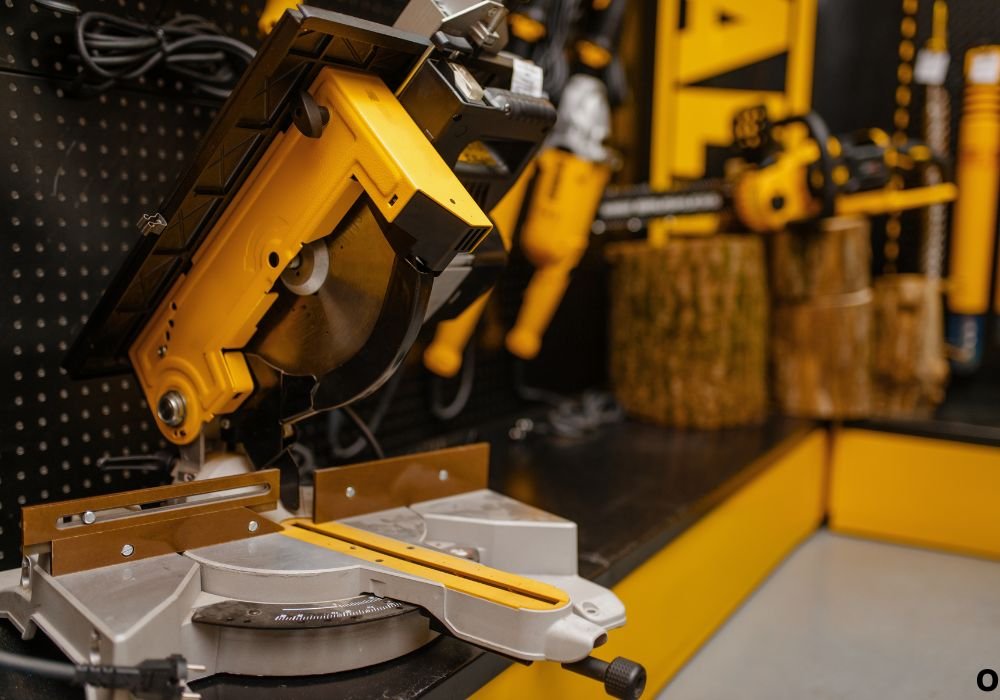
If your workspace is limited, install wall mounts or pegboards. Hanging your circular saw keeps it visible, accessible, and safe from floor dust.
Alternatively, use labeled tool shelves or drawers. Keep blades and accessories in the same area for easy reach during your next project.
Battery-Powered Circular Saw Storage
If you use a cordless model, remove the battery before storage. Keep batteries in a cool, dry location—never in extreme heat or cold.
Charge batteries to about 50 % if you won’t use them for several weeks. This helps extend their overall lifespan.
Safety Tips Before Putting the Saw Away
Always double-check that the trigger switch is in the off position. Lower the blade guard and make sure no part of the saw is pressing against other tools.
Store it in a position where it won’t fall or slide. Keep children and pets away from the storage area to avoid accidents.
Frequently Asked Questions
Should I store my circular saw horizontally or vertically?
Either works, but horizontal on a flat shelf is safest. Hanging vertically is fine if the blade is guarded and secure.
Can I leave the blade on the saw?
Yes, for short-term storage, but make sure the guard is down and the blade is clean and dry.
How do I keep my saw from rusting in a humid climate?
Use a dehumidifier, silica-gel packs, or apply a thin oil coating to metal parts.
Where should I keep extra blades?
Store them in labeled sleeves, cardboard protectors, or a wall-mounted blade rack.
Can I keep the saw in my car or shed?
Avoid it if possible—temperature swings and humidity can damage the motor and blade.
Conclusion
A circular saw is one of the most valuable tools in any workshop, but its performance depends on how well you maintain and store it.
By cleaning after every job, protecting the blade, handling cords properly, and keeping the tool in a dry environment, you can extend its lifespan significantly. Treat your circular saw with care, and it will deliver clean, precise cuts for years to come.

I’m Michael R. Turner, the founder, lead writer, and passionate DIY enthusiast behind 101diytools.com. With years of hands-on experience in home improvement and power tools, I built this platform to share practical tips, in-depth guides, and honest reviews to help DIYers of all skill levels tackle projects with confidence and the right tools.