How to Remove Permanent Side Shields From Safety Glasses
A pair of safety glasses often becomes a constant companion in workshops and construction sites.
For many workers, side shields provide crucial protection against flying debris, sparks, or dust.
Yet some users feel restricted when permanent side shields make glasses bulky or uncomfortable outside the workplace.
The question arises: how to remove permanent side shields from safety glasses without risking damage or non-compliance.
The answer is more complex than it first appears. OSHA standards require side protection whenever flying hazards are present, but the rules also recognize detachable shields as acceptable when they meet ANSI requirements OSHA Standard 1910.133.
Statistics reveal that around 20,000 eye injuries occur annually in U.S. workplaces, with many resulting from inadequate or altered protective eyewear (CDC).
This highlights why tampering with safety equipment can carry serious risks.
Curiosity about modification often stems from the desire for convenience. However, permanent side shields are designed to prevent removal for safety and compliance reasons.
Exploring the difference between permanent and detachable shields helps clarify when alternatives are safe and standards-approved.
More importantly, understanding the risks of removal allows users to make informed choices that protect both vision and compliance with workplace policies.
This guide will explain the construction of permanent shields, the legal framework that governs their use, the hazards of forced removal, and safer alternatives that balance protection with comfort.
Are “Permanent” Side Shields Actually Removable?
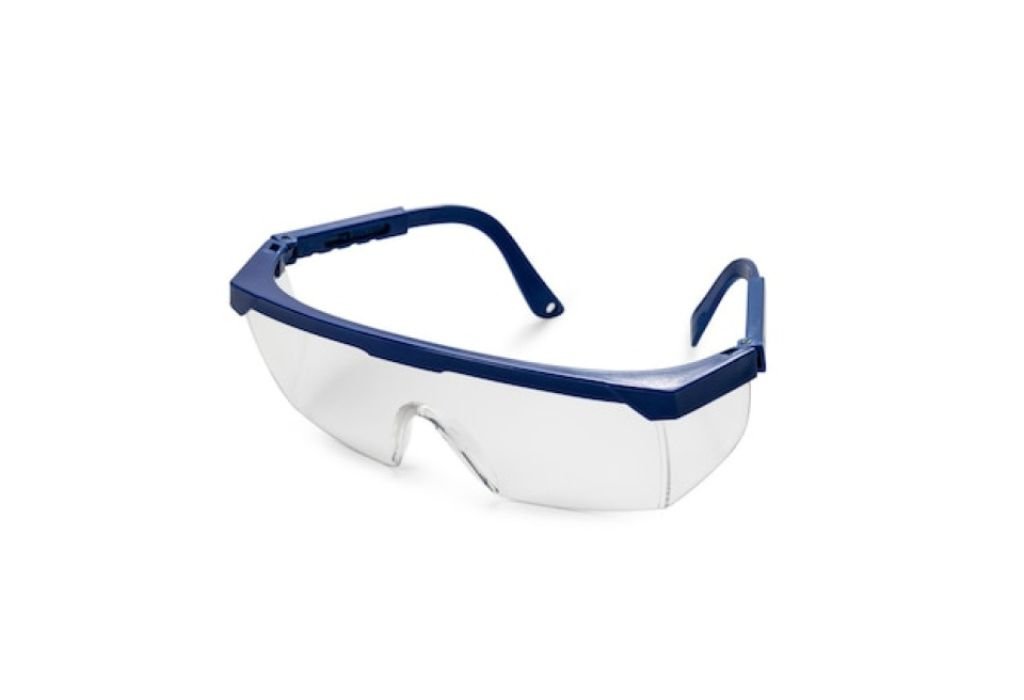
Permanent side shields are designed to provide lasting side protection and are fixed directly to the frame. Unlike detachable clip-on versions, these shields are not meant to be taken off once installed.
Manufacturers often secure them with rivets, molded plastic, or T-lock fasteners that lock permanently into the temple. Any attempt to remove them usually damages the frame and voids the ANSI Z87.1 safety rating.
Detachable side shields, on the other hand, are made for flexibility. They clip or slide into place, offering protection on the job and allowing removal when not required.
The key difference lies in safety compliance. While OSHA accepts detachable shields if they meet ANSI standards, permanent versions exist to prevent unapproved modifications.
What does “permanent” mean in safety glasses?
It refers to side shields fixed with rivets or molded parts that cannot be removed without damage.
Are permanent side shields supposed to come off?
No, they are built to stay in place to ensure consistent protection and compliance.
Why do some glasses have detachable shields instead?
Detachable shields provide flexibility, allowing workers to remove them when hazards are not present.
Do OSHA rules require permanent shields only?
No, OSHA permits detachable side shields as long as they meet ANSI Z87.1 standards.
What happens if permanent shields are removed?
The glasses lose compliance, may fail safety audits, and no longer guarantee proper side protection.
OSHA and ANSI Rules You Must Know Before Touching Side Shields
OSHA regulations make side protection mandatory when flying-object hazards are present. This rule applies across industries, from construction sites to manufacturing floors.
ANSI Z87.1 standards define how eyewear must perform under impact tests. Removing permanent side shields can compromise coverage and void Z87.1 certification.
Detachable shields are acceptable under OSHA if they meet ANSI requirements. However, many workplaces go further by requiring permanent shields for consistency.
Employers are free to exceed OSHA minimums and set stricter internal PPE standards. That is why some companies only allow frames with non-removable shields.
Does OSHA allow clip-on side shields?
Yes, as long as they are ANSI-compliant and secure.
Can an employer require permanent shields?
Yes, employer policy may exceed OSHA rules.
What happens to certification if shields are removed?
The eyewear loses its ANSI Z87.1 compliance.
Are wraparound frames acceptable instead of shields?
Yes, if they are rated Z87+ and provide full coverage.
Why are OSHA and ANSI both important?
OSHA enforces compliance while ANSI sets performance standards.
Risks of Trying to Remove Permanent Side Shields
Permanent side shields are often riveted, glued, or molded into frames. Attempting removal usually breaks the frame or scratches the lens.
Any tampering voids warranty coverage and compliance with safety programs. Non-compliant eyewear may fail safety audits or inspections.
Workers face increased risk of injury when shields are removed. Altered eyewear no longer guarantees protection against side impacts.
Liability issues also arise if an injury occurs while wearing modified eyewear. Employers and employees can both be held accountable for unsafe alterations.
Can permanent shields be removed without damage?
No, they are built to stay in place permanently.
What happens during a safety audit if shields are removed?
The glasses will fail inspection and may be rejected.
Does removing shields increase injury risk?
Yes, side impacts can reach unprotected areas of the eye.
Can shields be reattached after removal?
Not in a compliant way; altered glasses cannot regain certification.
Why do manufacturers warn against removal?
Because the glasses were tested and certified only in their original form.
Safe, Standards-Compliant Alternatives to “Removal”
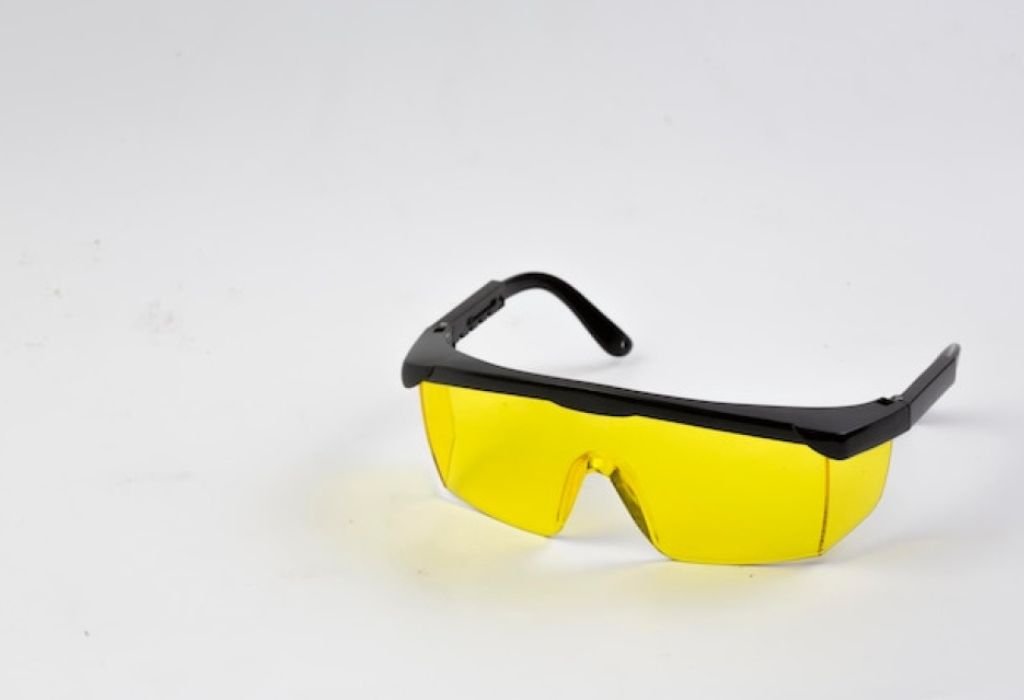
Instead of altering permanent shields, workers can choose compliant alternatives. The most common option is purchasing glasses with detachable shields.
Detachable shields allow flexibility, as they can be removed when not in hazardous environments. They remain compliant when properly attached.
Wraparound safety glasses are another solution. These frames provide integrated side protection with a less bulky appearance.
Prescription safety programs also offer models with sealed or low-profile side coverage. This ensures protection while maintaining comfort and style.
Can a lab convert permanent shields to detachable ones?
No, certified PPE cannot be altered after production.
Are prescription safety glasses available with side shields?
Yes, many programs provide compliant RX options.
Do wraparound glasses replace the need for side shields?
Yes, if they meet Z87+ standards.
What is sealed eyewear?
It is a frame with gaskets that block dust and splash hazards.
Are detachable shields as safe as permanent shields?
Yes, when properly designed and ANSI-certified.
When Employers Require Permanent Side Shields
Some companies mandate permanent side shields to ensure consistent compliance. This prevents workers from removing shields in hazardous areas.
Employer policies may go beyond OSHA minimums. For example, construction firms often issue only frames with fixed shields.
Employees are responsible for following company PPE rules. Wearing altered or non-compliant glasses can result in disciplinary action.
Before purchasing eyewear, workers should check employer-approved models. This avoids wasted money on glasses that may not meet site requirements.
Why do employers prefer permanent shields?
They eliminate the risk of non-compliance.
Can employer rules be stricter than OSHA?
Yes, companies may exceed the legal minimum.
What if an employee removes shields anyway?
It may lead to policy violations or disciplinary action.
Are permanent shields more protective than detachable?
Both can be compliant, but permanent shields ensure they are never removed.
How can workers stay comfortable with permanent shields?
Choose lighter frames, anti-fog lenses, and proper fit.
If You Already Tried Removing Them
Anyone who attempts removal should stop using altered glasses immediately. Damaged or tampered eyewear cannot be trusted for protection.
The safest step is replacing the glasses with compliant alternatives. This restores both safety and certification.
Employees should report altered PPE to their safety manager. Documentation ensures the issue is handled correctly.
In the meantime, spare Z87 glasses or over-the-glasses goggles can be used. This prevents working unprotected while waiting for replacements.
Can certification be restored after removal?
No, once altered, the eyewear is no longer compliant.
Is tape or glue an acceptable repair?
No, field repairs void compliance.
Who covers the cost of replacement?
Employers usually provide required PPE, but policies vary.
What should workers wear until new glasses arrive?
Use compliant spare eyewear or approved goggles.
Why report an alteration to a supervisor?
To ensure safety and compliance in the workplace.
Buying Guide — The Right Replacement for Your Use Case
For Metal Grinding and Flying Debris
High-impact hazards require Z87+ wraparound or permanent-shield glasses. Sealed eyewear may be necessary for fine particulates.
What markings show impact rating?
Look for Z87+ on the frame and lens.
Do wraparound glasses protect against sparks?
Yes, when rated Z87+.
Is sealed eyewear necessary for grinding?
Only for fine dust or splash risks.
Can tinted lenses be used in grinding?
Yes, as long as they remain ANSI-certified.
For General Shop Work with Style Off-Duty
Workers who want flexibility can choose detachable-shield frames. These can be worn both at work and in casual settings.
Are detachable shields secure?
Yes, when designed for ANSI compliance.
Do they look less bulky?
Yes, they resemble normal glasses when shields are off.
Are prescription options available?
Yes, RX programs offer them.
Do they protect as well as permanent shields?
Yes, if installed properly.
For Policy-Strict Sites
Sites with strict rules require permanent or integrated shields. Workers must select frames from employer-approved lists.
Why are policies so strict?
To eliminate risk of non-compliance.
Do all employers require permanent shields?
No, requirements vary.
What happens if the wrong glasses are worn?
They may be rejected at safety checks.
How to confirm the right model?
Check with the safety department before purchase.
Key Takeaways and Compliance Checklist
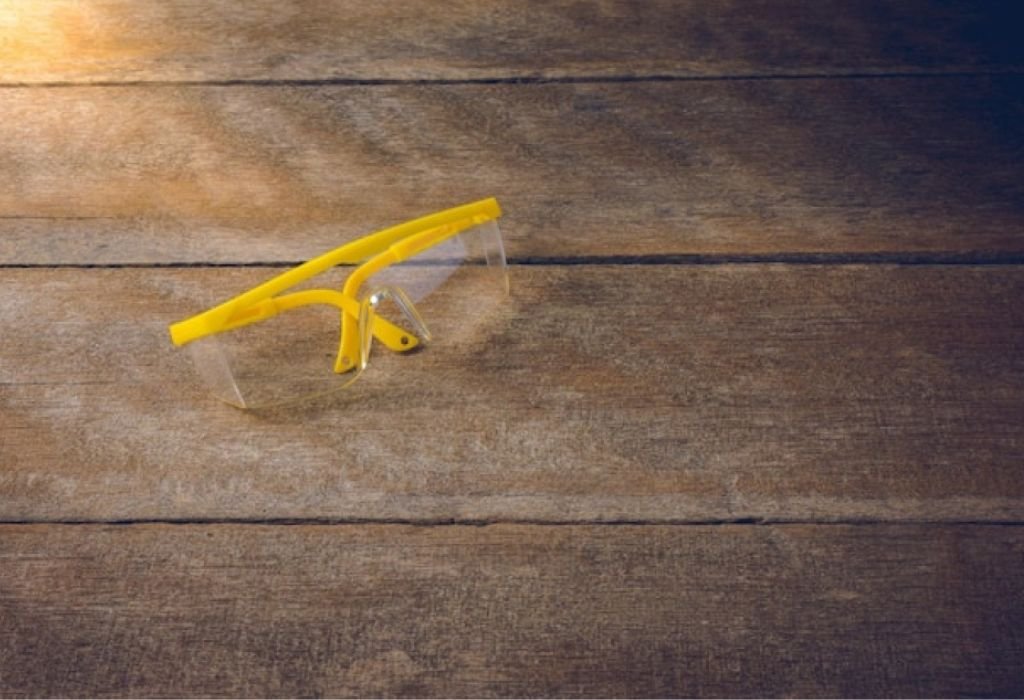
Permanent side shields are not designed to be removed. Altering them damages compliance and increases injury risk.
Safe alternatives include detachable shields, wraparound glasses, or sealed frames. All options must be ANSI Z87.1 certified.
Workers should always follow OSHA rules and employer PPE policies. Compliance ensures safety and avoids costly violations.
What is the safest choice if shields feel bulky?
Use detachable or wraparound Z87+ glasses.
Who verifies compliance?
The safety manager or PPE coordinator.
Can modified glasses pass a safety audit?
No, altered eyewear fails inspections.
Why is compliance important?
It protects vision and prevents penalties.
What is the quick checklist for workers?
Check Z87 marking, confirm employer policy, avoid tampering.
Conclusion
Permanent side shields are intentionally non-removable to preserve safety standards. Attempts to alter them place both vision and compliance at risk.
Workers should instead choose certified alternatives like detachable shields, wraparound frames, or sealed eyewear. The safest path is following OSHA rules and employer policies to keep eyes protected and workplaces compliant.

I’m Michael R. Turner, the founder, lead writer, and passionate DIY enthusiast behind 101diytools.com. With years of hands-on experience in home improvement and power tools, I built this platform to share practical tips, in-depth guides, and honest reviews to help DIYers of all skill levels tackle projects with confidence and the right tools.