How to Remove Clutch Nut Without Impact Wrench
Every mechanic has faced it at least once — the stubborn clutch nut that refuses to move.
You grip your wrench, apply force, and the hub just spins endlessly.
Without an impact wrench, it feels impossible to loosen that fastener without damaging the clutch or your knuckles.
Clutch nuts are notorious for being overtightened, heat-seized, or secured with factory staking.
In motorcycles, scooters, and small engines, they often lock the clutch assembly to the crankshaft or gearbox.
When they’re jammed tight, even seasoned DIYers can struggle to break them free safely.
According to a Hagerty maintenance report, nearly 30% of fastener damage in small engines comes from improper tool use or over-torquing .
That means rushing the process with the wrong approach can strip threads, deform clutch baskets, or ruin your transmission components.
The good news? You don’t need an expensive impact wrench to remove a stuck clutch nut.
With the right mechanical leverage, holding method, and controlled force, it can be done at home using common tools like a breaker bar, strap wrench, or rope stop.
This guide breaks down every technique professionals use to remove clutch nuts without an impact wrench.
You’ll learn how to hold the clutch safely, apply torque correctly, use heat and penetrating oil effectively, and reassemble everything to factory specs.
By the end, you’ll have the confidence and know-how to tackle one of the toughest tasks in small engine maintenance — all without power tools.
Know Your Clutch Nut Before You Turn It
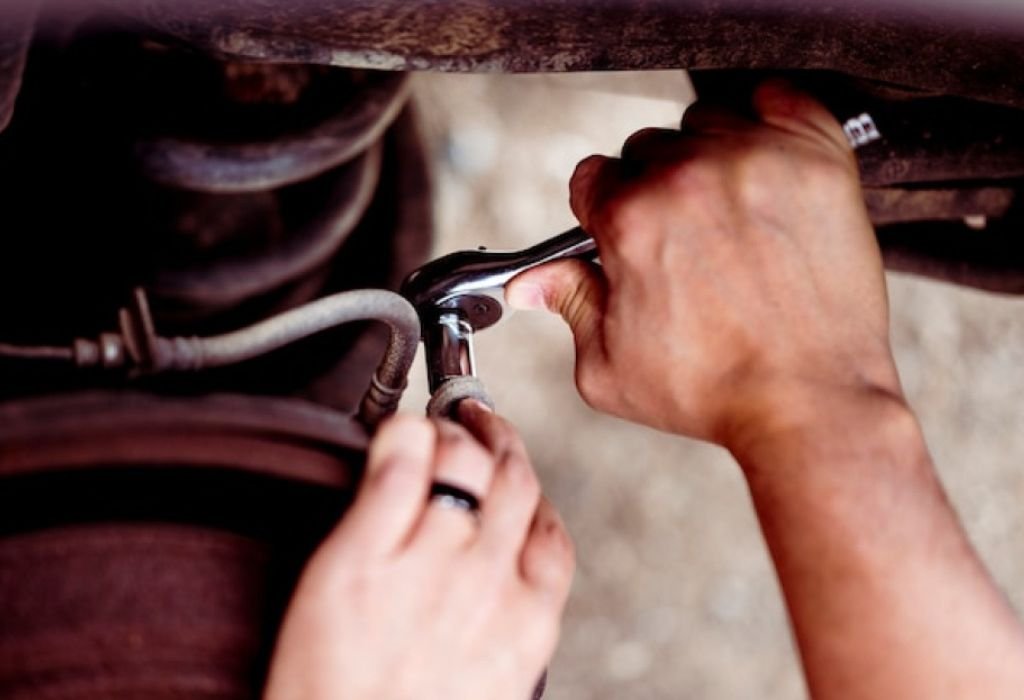
Before trying to loosen anything, it’s critical to identify what type of clutch nut you’re dealing with.
Different engines use castle nuts, staked nuts, or tab-lock washers that must be properly disengaged first.
Identify Thread Direction
Some clutch nuts use left-hand threads, especially on scooter variators or crank-driven clutches.
Check for arrows, “LH” markings, or your owner’s manual before applying torque.
Remove Locks First
If there’s a tab washer or cotter pin, bend or remove it completely.
Trying to turn the nut before unlocking it can shear the tabs and destroy the hub.
Protect the Hub and Basket
Clutch baskets are usually aluminum and deform easily.
Use soft jaws, leather padding, or a clutch holder to protect the surface while applying force.
Common Questions:
How to tell if a clutch nut is reverse thread? Look for an LH mark or arrow pointing clockwise.
Should you reuse a staked nut? No, always replace a staked or deformed nut after removal.
Can forcing a nut damage bearings? Yes, excessive shock or sideways force can stress the main bearing and clutch hub.
Safe Ways to Hold the Clutch Still
One of the hardest parts of this process is preventing the clutch from spinning.
Without a proper holding method, you’ll waste energy and risk injury.
Use a Clutch Holding Tool
A clutch holder grips the basket or hub securely while you apply torque.
These are inexpensive and available at most auto or motorcycle stores.
Strap Wrench or Oil-Filter Wrench
Wrap a strap wrench around the clutch drum or bell housing.
Add a layer of sandpaper or rubber to improve grip and protect the metal.
Rear-Wheel Brake Method
For motorcycles, shift into top gear and have a helper press the rear brake.
This locks the drivetrain, preventing the clutch from spinning while you work.
Rope Trick or Piston Stop
Remove the spark plug and feed a clean rope into the cylinder at top dead center.
This prevents piston movement, locking the crankshaft in place.
Wooden Handle or Bar Method
Insert a padded handle or bar through the clutch hub’s window holes to hold it steady.
Avoid metal bars that can chip or bend clutch fins.
Common Questions:
Which method is safest? A proper clutch holder is the safest option.
Is the rope trick safe for small engines? Yes, as long as the rope is soft and the piston is near TDC compression.
Can you use the brake method alone? Yes, but ensure the bike is in gear and the wheel is braced.
Breaking the Nut Loose Without an Impact Wrench
This is where patience and proper technique matter most.
A combination of leverage, shock, and preparation will help loosen even the most stubborn nut.
Use a Breaker Bar and Six-Point Socket
Choose a six-point socket that fits snugly on the nut.
Attach a long breaker bar (18–24 inches) for maximum torque and minimal slippage.
Apply Penetrating Oil
Spray PB Blaster, Kroil, or WD-40 Specialist Penetrant on the nut threads.
Wait at least 15–20 minutes before applying force for it to penetrate properly.
Add Controlled Heat
If the nut still won’t move, use a propane torch to heat the metal for 30–60 seconds.
Avoid overheating aluminum components nearby.
Use Shock Force
After applying torque, lightly tap the end of the socket with a rubber mallet.
This sudden vibration can help break rust or thread-locking compound bonds.
Last Resort: Nut Splitter
If the nut is rounded or completely frozen, use a nut splitter tool to crack it open safely.
Common Questions:
Which tool gives the most torque? A breaker bar with a long handle or cheater pipe.
Should you heat before or after oil? Use heat first, then penetrant once cooled slightly.
Can WD-40 work as a penetrant? Yes, but dedicated penetrants perform better.
Step-by-Step Removal Process
Follow this process carefully to remove your clutch nut safely.
- Disconnect the battery and remove the clutch cover.
- Inspect the nut for locking tabs, pins, or left-hand threads.
- Apply penetrating oil and let it sit for 15–20 minutes.
- Secure the clutch using one of the holding methods above.
- Attach a six-point socket and a long breaker bar.
- Apply steady pressure, avoiding jerky or uneven motion.
- If stuck, tap with a mallet or apply controlled heat.
- Once loosened, remove the nut carefully, noting washers or spacers.
Quick Tips:
- Keep a diagram or photo of the parts layout.
- Replace any damaged lock washers or seals during reassembly.
- Always check torque specs in your owner’s manual.
Reassembly: Torque and Locking
Proper reassembly ensures your clutch operates smoothly and safely.
Clean the Threads
Use brake cleaner or degreaser to remove old oil and debris.
Dry thoroughly before installing the new nut.
Torque the Nut to Specification
Refer to your vehicle’s manual for correct torque values.
Most clutch nuts require 35–90 ft-lb depending on engine type.
Locking and Safety
Use a new tab washer or cotter pin to secure the nut.
If specified, apply a small amount of blue threadlocker for added security.
Test Rotation
Spin the clutch by hand to ensure smooth movement.
Check for wobble or friction before replacing the cover.
Common Questions:
Can you reuse the old nut? Not if it’s staked or damaged.
What happens if the nut is under-torqued? The clutch can slip or damage splines.
Is threadlocker always needed? Only if recommended by the manufacturer.
Common Mistakes to Avoid
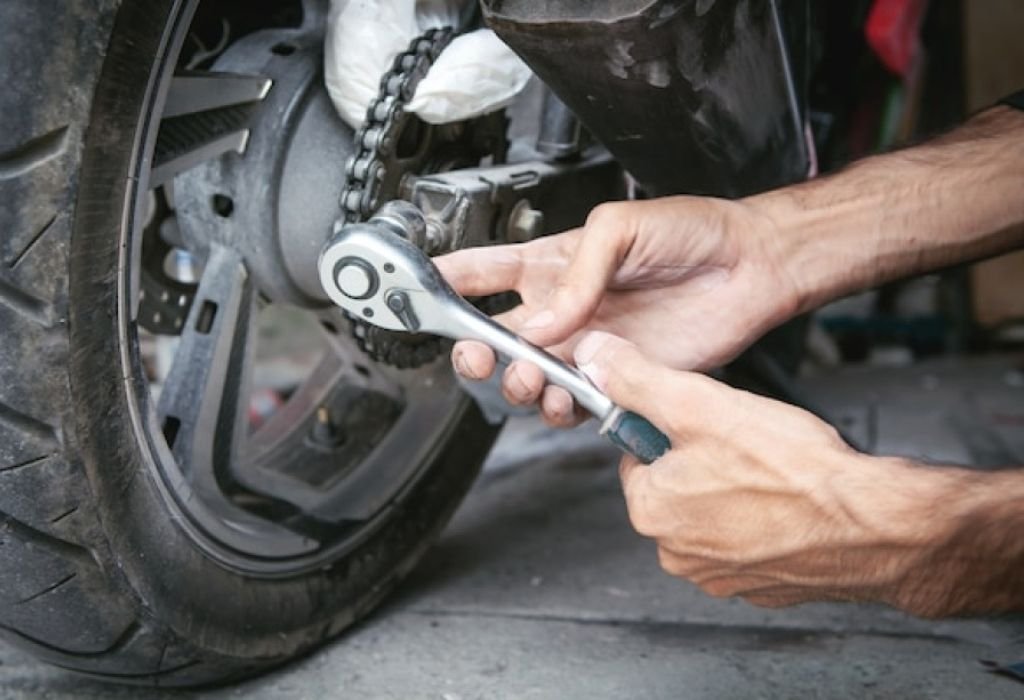
Even experienced DIYers make small errors that cause big issues.
- Forgetting to un-stake or unlock the nut before turning.
- Using a 12-point socket instead of a six-point one.
- Applying too much heat to aluminum components.
- Clamping the clutch basket too tightly and cracking it.
- Skipping the torque verification step during reassembly.
Common Questions:
Why does the clutch nut loosen again? Usually from under-torquing or missing lock washers.
Can excessive force bend the shaft? Yes, use smooth, controlled torque only.
How to check for damage after removal? Inspect splines and hub threads for burrs or wear.
Prevention Tips
A few smart habits can prevent stuck clutch nuts in the future.
Use Correct Torque Every Time
Over-tightening increases the chance of seizing.
Always use a calibrated torque wrench for accuracy.
Replace Lock Washers and Nuts
Never reuse tab washers, staked nuts, or cotter pins.
Fresh locking parts reduce vibration-related loosening.
Store Properly
Moisture and humidity cause corrosion on clutch splines and nuts.
Keep your tools and parts in a dry, ventilated space.
Common Questions:
Should anti-seize be used on threads? Only if the manual allows it.
When to recheck torque? After your first short ride or test run.
How to avoid cross-threading? Start the nut by hand before using tools.
Conclusion
Removing a clutch nut without an impact wrench may seem impossible at first, but it’s achievable with the right tools and patience.
Start by identifying thread direction, unlock any washers, and secure the clutch firmly.
Apply penetrating oil, steady leverage, and gentle shock until the nut breaks loose.
When reassembling, always use new locking parts and torque everything to specification.
According to The Drive’s tool maintenance guide, correct torque procedures can reduce mechanical failures by over 40% (source).
That small step ensures your clutch system stays secure and reliable for thousands of miles.
With this knowledge, you can handle clutch service confidently — saving both money and frustration, all without relying on an impact wrench.

I’m Michael R. Turner, the founder, lead writer, and passionate DIY enthusiast behind 101diytools.com. With years of hands-on experience in home improvement and power tools, I built this platform to share practical tips, in-depth guides, and honest reviews to help DIYers of all skill levels tackle projects with confidence and the right tools.