How to Put a Socket on an Impact Wrench Easily
The sound of an impact wrench clicking into action is familiar in garages, workshops, and job sites. Yet, many beginners struggle with the simple but crucial step of attaching the right socket.
Without the proper technique, sockets can fly off, strip fasteners, or even damage the wrench. This not only slows the project but also risks injury.
The question how to put a socket on an impact wrench may seem basic, but the answer separates safe, efficient work from costly mistakes. Learning this ensures that torque is applied correctly, bolts are secured, and tools last longer.
Impact wrenches use different drive sizes such as 1/4, 3/8, or 1/2 inch, and only impact-rated sockets should be used. Many users make the mistake of grabbing regular chrome sockets, which are not designed for high torque and can shatter under pressure.
Safety plays a big role here. According to the U.S. Consumer Product Safety Commission, over 30,000 emergency room visits every year are linked to power tool accidents (CPSC). Proper socket attachment is one of the simplest ways to avoid contributing to that number.
This guide will break down the process step by step. From understanding socket compatibility to using detent pins and friction rings, every part of the process will be explained clearly.
By the end, you will know exactly how to attach a socket, avoid common mistakes, and keep both your tools and projects in top condition.
Understanding Impact Wrench and Socket Compatibility
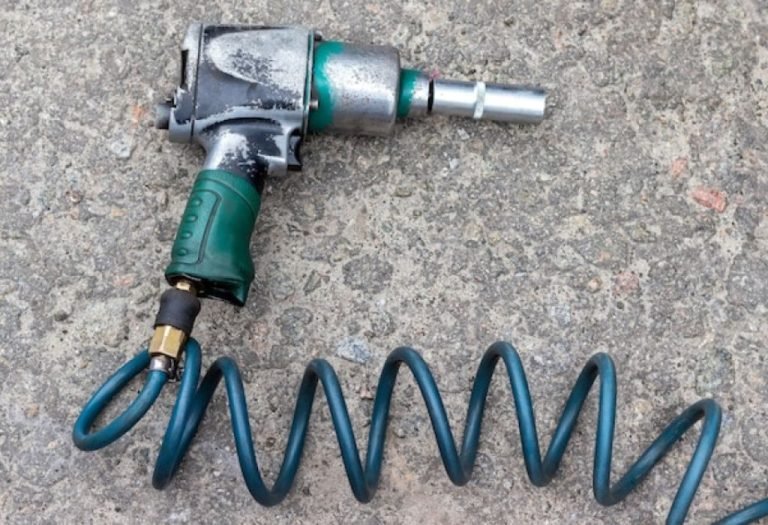
Impact wrenches apply rotational force using compressed air, electricity, or battery power. To function correctly, they must be paired with the right socket type and size.
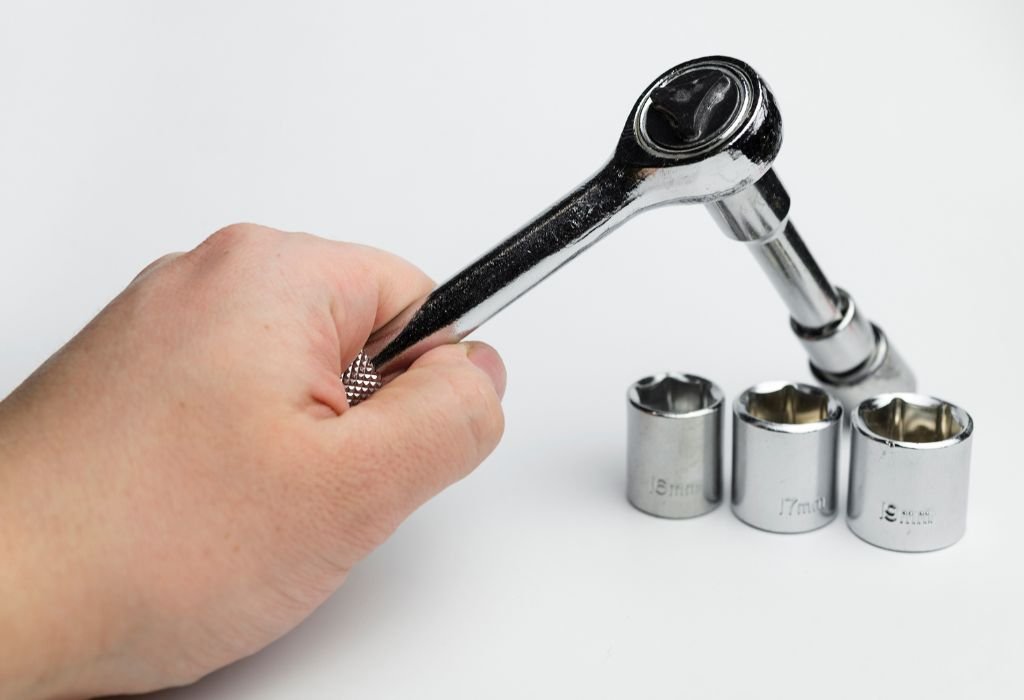
Sockets come in drive sizes such as 1/4, 3/8, 1/2, 3/4, and 1 inch. Most DIY and automotive work uses the 1/2-inch drive.
The difference between standard chrome sockets and impact sockets is crucial. Impact sockets are thicker, heat-treated, and designed to withstand heavy torque.
Using the wrong type can cause cracks, shattering, or injuries during operation. Compatibility ensures both safety and tool efficiency.
Can regular sockets be used?
No, only impact sockets should be used with impact wrenches.
What sizes are most common?
1/2-inch drive is the most widely used for automotive tasks.
Why are impact sockets black?
They are coated and heat-treated for strength.
Do extensions affect torque?
Yes, longer extensions reduce torque efficiency.
Are adapters safe?
Only if they are impact-rated.
Step-by-Step: How to Put a Socket on an Impact Wrench
Attaching a socket is simple but requires careful attention to detail. Start by selecting the correct size for the fastener.
Align the socket’s square drive with the wrench’s anvil. Push the socket firmly until it locks in place using the detent pin or friction ring.
Always tug lightly to ensure it is secured before starting. A loose socket can fly off and cause serious accidents.
Different impact wrenches use either detent pins or friction rings, but the attachment method remains similar.
How do I know the socket is locked?
Give it a light tug; it should stay secure.
What is a detent pin?
A spring-loaded pin that locks the socket in place.
What is a friction ring?
A steel ring that grips the socket tightly.
Can sockets pop off?
Yes, if they are not properly secured.
Should you oil the anvil?
Light lubrication makes socket changes easier.
Safety Tips Before Using the Impact Wrench
Safety always comes before speed. Wear safety glasses, gloves, and hearing protection before operating.
Remove the battery or disconnect the air hose when attaching or changing sockets. This prevents accidental activation.
Check for cracks or damage on the socket before use. Inspect the anvil, detent pin, or friction ring to ensure they are not worn out.
Never stand directly in line with the socket when testing for security. Always keep bystanders at a safe distance.
Do I need PPE?
Yes, glasses, gloves, and hearing protection are required.
Is battery removal necessary?
Yes, it prevents accidental starts.
Can sockets crack?
Yes, if they are not impact-rated.
What’s the danger of loose sockets?
They can fly off and cause injury.
Are air tools different?
No, the attachment process is the same.
Common Mistakes When Attaching Sockets
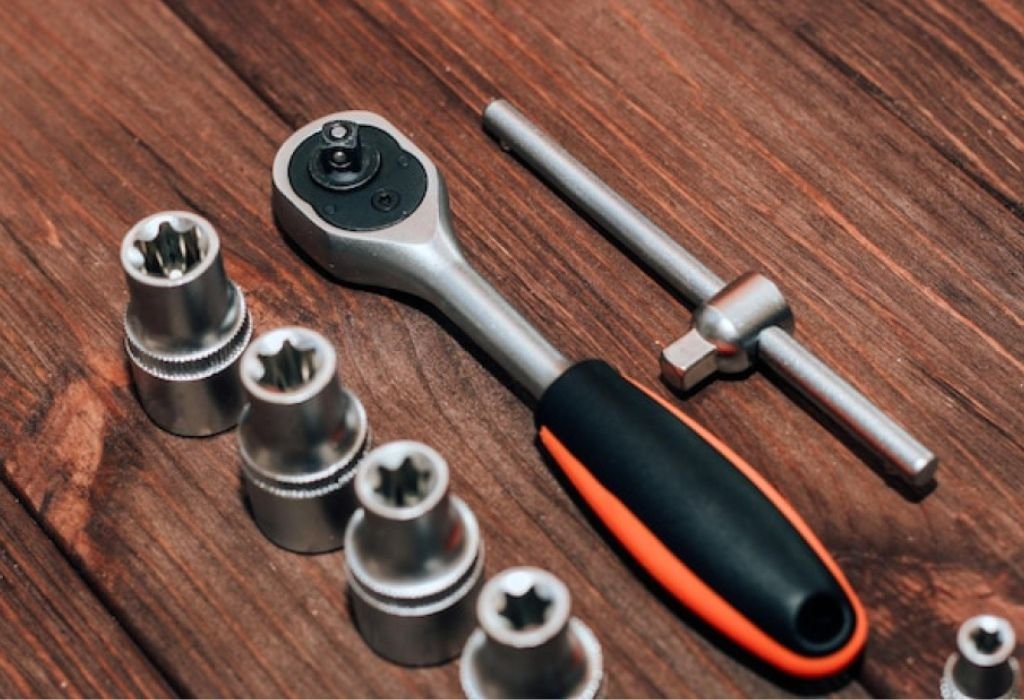
One of the most common mistakes is using chrome sockets instead of impact-rated ones. Chrome sockets are not designed for heavy torque.
Another mistake is not pushing the socket fully onto the anvil. This leads to wobbling or the socket falling off mid-task.
Using mismatched drive sizes with non-rated adapters is also a frequent error. This reduces efficiency and increases risk.
Finally, worn detent pins or friction rings can fail to hold sockets securely. Regular inspection prevents this.
Why not use chrome sockets?
They can shatter under impact force.
What if the socket wobbles?
It may not be fully seated or could be the wrong size.
Can detent pins wear out?
Yes, they should be replaced when loose.
Are universal joints safe?
Only if they are impact-rated.
Do cheap sockets last?
Not usually — they wear faster and may fail.
Maintenance and Longevity of Sockets and Impact Wrenches
Proper maintenance extends tool life. Clean sockets after use and store them in a dry case to prevent rust.
Lightly oil the anvil and check the detent pin or friction ring for wear. Replace them if they no longer secure sockets firmly.
Impact sockets should be inspected regularly for cracks or rounding. Replace damaged ones immediately.
Battery-powered impact wrenches also require battery care — charge properly and avoid over-draining.
Do sockets wear out?
Yes, especially under heavy use.
Should sockets be oiled?
Light oil prevents corrosion.
How long do impact sockets last?
Years, with proper care.
Why store sockets dry?
Moisture leads to rust.
Do batteries affect performance?
Yes, weak batteries reduce torque output.
When to Use Extensions, Adapters, and Universal Joints
Extensions are useful for hard-to-reach fasteners, but they reduce torque slightly. Use the shortest extension possible.
Adapters allow switching between drive sizes, but only impact-rated ones should be used. Non-rated adapters are prone to breakage.
Universal joints help access awkward angles. However, they should be used sparingly since they reduce power delivery.
Are adapters safe with high torque?
Yes, if they are impact-rated.
Do extensions reduce torque?
Yes, especially longer ones.
When are universals needed?
For tight angles or awkward spaces.
Can adapters break?
Yes, if not designed for impact use.
Do pros avoid adapters?
Yes, they prefer direct-fit sockets.
Professional Tips for Efficiency
Organized socket sets speed up the process. Many pros label or color-code sockets for quick selection.
Pre-selecting the right socket before starting work prevents wasted time. Magnetic sockets help keep nuts and bolts secure.
Torque sticks can be used for tasks like tightening lug nuts to prevent over-tightening.
What are magnetic sockets?
They hold bolts and nuts securely.
Do pros pre-select sockets?
Yes, it saves time.
Can torque sticks be used with impact wrenches?
Yes, especially for wheels.
Do colors help?
Yes, color-coded sockets make jobs faster.
Is speed always better?
No, accuracy and safety are more important.
Final Advice: Safe, Secure, and Effective Use
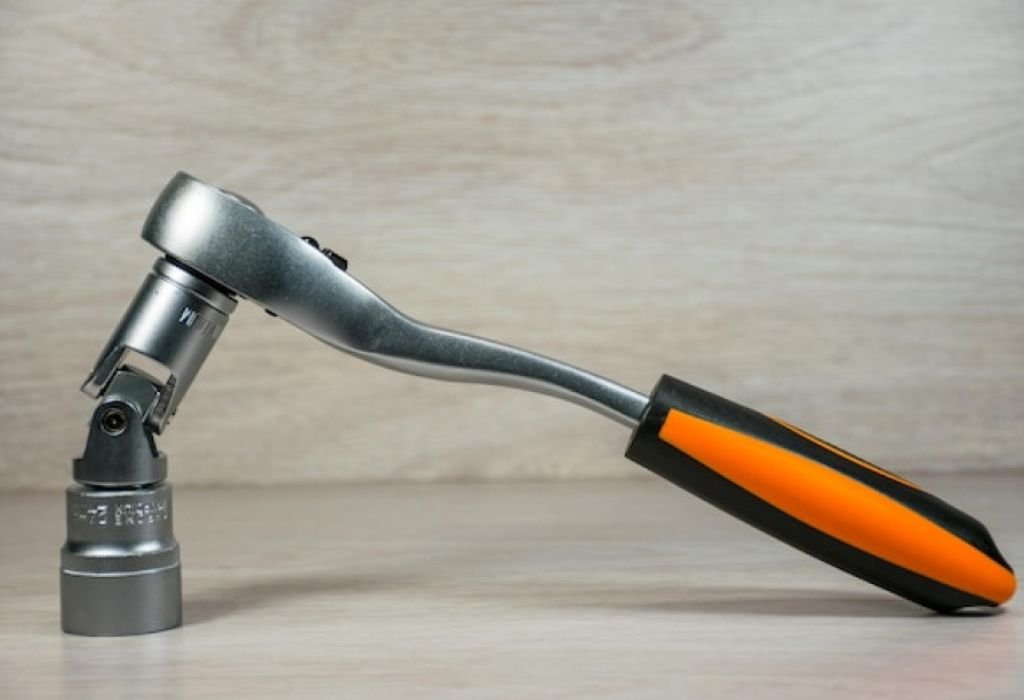
Attaching sockets correctly ensures the impact wrench performs as designed. Always use impact-rated sockets, check for proper lock, and inspect tools often.
This simple step protects your tools, prevents accidents, and makes projects more efficient. With practice, attaching sockets becomes second nature.
What’s the #1 rule?
Only use impact-rated sockets.
Do you check lock every time?
Yes, before applying power.
Does care extend life?
Yes, for both sockets and wrenches.
Can misuse void warranty?
Yes, improper use often cancels coverage.
Is it easy to learn?
Yes, with practice it becomes automatic.
Conclusion
Learning how to put a socket on an impact wrench is essential for both beginners and professionals. It ensures safety, efficiency, and tool longevity.
By using the right sockets, securing them properly, and avoiding common mistakes, you can prevent accidents and extend tool life.
With the correct method, every project — from changing tires to heavy-duty construction — becomes faster, safer, and more reliable.

I’m Michael R. Turner, the founder, lead writer, and passionate DIY enthusiast behind 101diytools.com. With years of hands-on experience in home improvement and power tools, I built this platform to share practical tips, in-depth guides, and honest reviews to help DIYers of all skill levels tackle projects with confidence and the right tools.