How to Oil Ingersoll Rand Impact Wrench the Right Way
A well-oiled Ingersoll Rand impact wrench is the heart of every efficient workshop.
When friction builds up inside the tool, performance drops, noise increases, and parts wear out faster.
Many users skip regular oiling, thinking it’s a minor task, but this simple habit can make or break your tool’s lifespan.
A properly lubricated impact wrench delivers consistent torque, smoother operation, and fewer breakdowns during critical jobs.
According to Ingersoll Rand, poor lubrication is responsible for over 50% of pneumatic tool failures across workshops worldwide.
That means neglecting oiling doesn’t just reduce efficiency — it can cut your wrench’s life in half.
Most mechanics notice early warning signs like weak power, air sputtering, or uneven impacts long before the tool stops working completely.
These are red flags that your impact wrench needs proper oiling and internal maintenance.
Oiling an Ingersoll Rand impact wrench isn’t complicated, but it must be done correctly using the right oil type, amount, and method.
Too little oil can cause dry seals and rust, while too much can clog air passages and reduce air pressure.
Finding that balance is key to keeping your wrench performing at its best day after day.
In this guide, you’ll learn exactly how to oil your Ingersoll Rand impact wrench the right way — step by step.
You’ll discover what oil to use, how often to apply it, and which common mistakes to avoid to extend tool life.
Whether you’re a professional mechanic or a DIY enthusiast, this maintenance routine will protect your investment and keep your tool running strong for years.
Why Oiling Your Ingersoll Rand Impact Wrench Matters
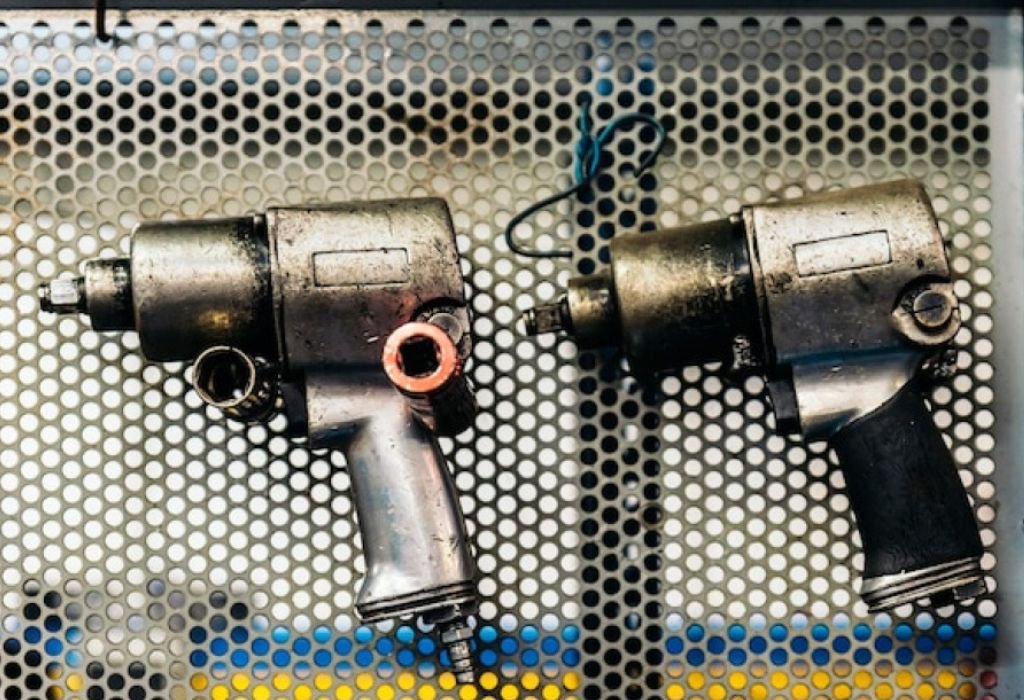
Your Ingersoll Rand impact wrench relies on compressed air and friction to deliver power.
Without oil, those internal metal parts grind against each other and wear out rapidly.
Proper oiling creates a protective film that minimizes friction, prevents rust, and improves torque output.
It also reduces air leaks and helps maintain the internal seals that keep your tool running efficiently.
When air tools aren’t lubricated, moisture from compressed air starts corroding the motor and bearings.
Over time, this leads to uneven performance, lower RPMs, and eventually total failure.
According to Ingersoll Rand technicians, over half of all impact wrench repairs are caused by poor lubrication habits.
Oiling not only extends the tool’s lifespan but also keeps it performing with consistent strength every time you pull the trigger.
How often should you oil an Ingersoll Rand impact wrench?
After every use or at least once daily during heavy operation.
What happens if you don’t oil it?
Performance drops, internal seals dry out, and rust forms inside.
Can you over-oil it?
Yes — too much oil may clog air passages or expel excess oil into exhaust.
Does brand-specific oil matter?
Yes. Using Ingersoll Rand or equivalent pneumatic oil ensures correct viscosity and rust protection.
Types of Oil to Use for Ingersoll Rand Impact Wrenches
Choosing the correct oil makes all the difference in tool performance and longevity.
Ingersoll Rand specifically recommends using Air Tool Oil or All Season Select Synthetic Lubricant for their pneumatic tools.
These oils are detergent-free, lightweight, and formulated to prevent gumming or residue buildup.
Standard motor oils or WD-40 are not suitable because they contain additives that damage seals and internal parts.
High-quality pneumatic oils reduce friction while resisting carbon buildup inside the air motor.
They also protect against rust caused by condensation in the compressor system.
If you work in cold environments, synthetic air tool oils remain fluid even in freezing temperatures.
This ensures the wrench stays smooth and responsive in all weather conditions.
Can you use WD-40 as oil?
No. It’s a solvent, not a lubricant, and will dry out seals.
What viscosity oil is ideal?
Light, non-detergent oil rated around ISO 46–68.
Can you mix oils?
No. Mixing oils reduces effectiveness and increases residue.
Is synthetic oil better?
Yes, it provides better temperature stability and less carbon buildup.
How to Oil Ingersoll Rand Impact Wrench (Step-by-Step Process)
Step 1: Disconnect the Air Supply
Before oiling, always disconnect the air hose to prevent accidental activation.
This ensures safety and prevents debris from entering the air motor.
Step 2: Clean the Air Inlet
Dust and dirt often accumulate at the air inlet and can mix with oil to form sludge.
Use compressed air or a clean cloth to remove debris before applying oil.
Step 3: Add Oil to the Air Inlet
Apply 4–5 drops of Ingersoll Rand Air Tool Oil into the air inlet opening.
Tilt the tool slightly to help the oil spread evenly across internal components.
Step 4: Run the Tool Briefly
Reconnect the compressor and run the wrench for 5–10 seconds to circulate oil through the motor.
This helps coat internal parts and expel any leftover dirt or moisture.
Step 5: Wipe the Exterior
Wipe away excess oil from the exhaust and handle to prevent buildup.
A clean exterior keeps your wrench safe from slipping hazards and grime.
Step 6: Store Properly
After oiling, store the tool in a dry, clean location.
Avoid leaving it connected to air lines where moisture may backflow.
How much oil should I use each time?
Typically 4–6 drops before each use.
Where exactly do I oil the wrench?
At the air inlet and occasionally at the hammer mechanism (per manual).
Do I need to disassemble the tool?
No. Standard oiling doesn’t require disassembly unless doing deep cleaning.
Should I oil before or after use?
Ideally both — before to lubricate, after to prevent rust during storage.
Oiling the Hammer Mechanism (Advanced Maintenance)
The hammer mechanism needs occasional greasing to handle the high-impact stress during use.
While air oil lubricates the motor, the hammer assembly requires impact grease for shock protection.
Ingersoll Rand recommends Impact Mechanism Grease 105-1LB or equivalent NLGI #1 grease.
This step is often overlooked, but it’s essential for long-term reliability.
A dry hammer mechanism can cause metallic clanking noises, reduced torque, or erratic hammering.
Greasing every 48 hours of operation keeps internal parts smooth and impact-ready.
Always avoid thick automotive grease, as it can slow down movement and cause drag.
Apply a small amount directly to the hammer cavity following the manufacturer’s guide.
How often should I grease the hammer mechanism?
Every 48–72 hours of heavy operation.
What grease type is recommended?
Use Ingersoll Rand Impact Mechanism Grease or equivalent NLGI #1.
Can I skip hammer lubrication?
No. It shortens the lifespan of the hammer and rotor.
What’s the difference between oiling and greasing?
Oil protects moving air parts, grease protects high-impact hammer areas.
Common Mistakes When Oiling an Impact Wrench
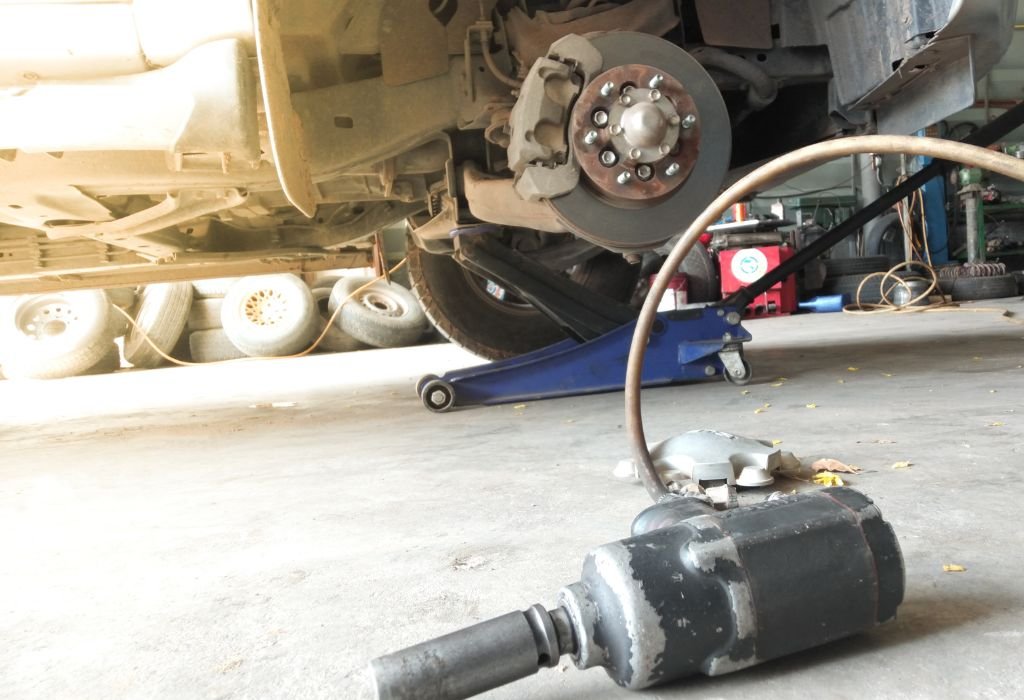
Even professionals make lubrication mistakes that reduce tool performance.
The most common is over-oiling, which causes oil spray through the exhaust and clogs air passages.
Another mistake is using regular motor oil or WD-40, which damages seals and reduces torque.
Failing to clean the air inlet before oiling allows dirt to enter and grind down components.
Moisture drainage from your compressor tank is also critical.
Water vapor can mix with oil and form rust inside the wrench’s motor housing.
Some users forget to run the tool after oiling, leaving oil pooled instead of circulated.
A quick 10-second run ensures even lubrication across all moving parts.
Can over-oiling damage my tool?
Yes, it can cause poor air flow and oil spray from exhaust ports.
How do I know if oiling is insufficient?
The tool may feel sluggish, sound dry, or lose torque.
Should I oil through the quick-connect fitting?
No, always oil directly through the air inlet.
Can contaminated air affect oil performance?
Yes, moisture and dirt can degrade oil and internal parts.
How to Clean and Maintain Your Ingersoll Rand Impact Wrench
Regular cleaning is just as important as oiling.
After extended use, dust and grime can clog vents and affect air circulation.
Use a mild degreaser or brake cleaner to wipe away residue from the housing.
Avoid soaking the tool — moisture exposure can harm internal parts.
Always dry the tool completely before applying oil.
If you use your wrench daily, clean it weekly to maintain top performance.
Drain your compressor tank frequently to prevent water from entering air lines.
A clean, dry air source keeps your oil effective and prevents corrosion.
How often should I clean my impact wrench?
Every few weeks or after heavy-duty use.
Can you submerge it in cleaner?
No, only wipe with a damp cloth or use targeted spray.
Does storage location affect maintenance?
Yes, humid storage accelerates corrosion.
Should I run the wrench dry after cleaning?
Yes, briefly to evaporate leftover solvent.
Seasonal and Long-Term Storage Tips
When storing your Ingersoll Rand impact wrench for long periods, preparation is key.
Add 2–3 drops of oil before putting it away to coat internal parts against rust.
Always disconnect air hoses and cover the air inlet with tape or a cap.
Avoid storing the tool in damp or extremely cold environments.
If you won’t use the wrench for several months, run it briefly with oil every few weeks.
This prevents internal parts from sticking or seizing due to inactivity.
Keep your storage area clean, dry, and free from dust or metal filings.
Proper storage ensures your wrench works instantly when needed again.
Should I oil before winter storage?
Yes, it prevents internal rust.
How do I keep air lines clean?
Use an inline filter and drain the compressor tank weekly.
Can I hang the tool vertically?
Yes, but ensure the air inlet faces downward to avoid debris accumulation.
Is synthetic oil better for long-term storage?
Yes, it resists oxidation and moisture buildup.
Troubleshooting After Oiling
If your impact wrench still underperforms after oiling, a deeper issue may exist.
Check for air pressure problems, dirty filters, or worn seals.
Inconsistent torque often points to internal clogging or damaged vanes in the air motor.
Listen for unusual noises like whines or sputters — these signal airflow restriction.
Oil leaks from the exhaust usually mean you’ve added too much oil or have a damaged O-ring.
If power loss continues despite proper lubrication, inspect the air hose and connectors for leaks.
Running at least 90 PSI is essential for full performance.
Persistent issues should be addressed by an Ingersoll Rand technician.
Why is my tool still slow after oiling?
Clogged air passages or damaged motor vanes may need cleaning.
Why does oil leak from exhaust?
Too much oil was added or internal seals are failing.
How can I restore power after cleaning?
Ensure consistent air pressure (90 PSI minimum).
When should I call a technician?
If performance doesn’t improve after cleaning and oiling.
How Proper Oiling Extends Tool Life
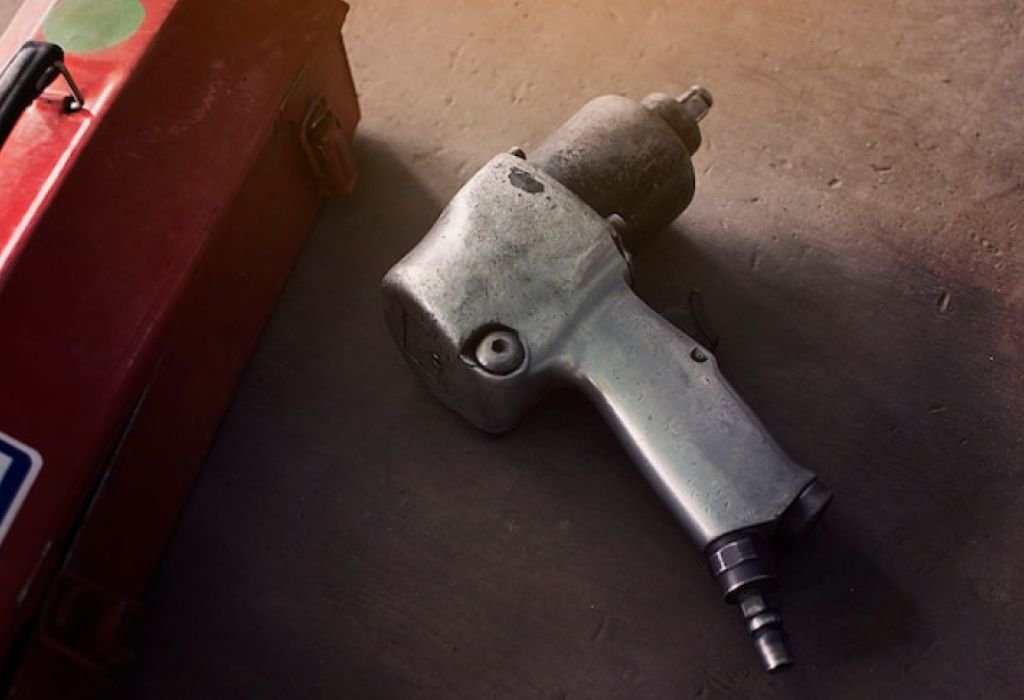
Regular oiling can extend your impact wrench’s life by several years.
Lubrication minimizes friction and prevents microscopic metal wear inside moving parts.
It ensures seals stay flexible, motors spin freely, and hammers deliver full torque.
This consistent protection keeps the tool’s performance steady under heavy loads.
An unlubricated impact wrench can lose up to 40% of its torque output within months of neglect.
Daily oiling maintains power, responsiveness, and smooth operation.
Over time, proper maintenance reduces repair costs and downtime in the workshop.
The simple habit of applying a few drops of oil can save hundreds in replacement expenses.
Does regular oiling improve torque output?
Yes, it maintains efficiency and consistent power.
Can oiling reduce noise?
Yes, it minimizes friction noise and vibration.
Is daily oiling overkill?
No, it’s essential for frequent users and heavy-duty work.
What’s the biggest benefit of proper oiling?
Extended lifespan and reliable performance every time you use it.
Conclusion
Oiling your Ingersoll Rand impact wrench may seem small, but it’s the most effective way to protect your tool and maintain performance.
Regular lubrication ensures consistent torque, smoother operation, and long-lasting durability.
By using the right air tool oil, cleaning the air inlet, and greasing the hammer mechanism periodically, you can extend tool life by several years.
A few drops of oil before and after use will keep your impact wrench working like new and ready for every project.
Proper maintenance today prevents costly breakdowns tomorrow — take care of your tool, and it will take care of your work.

I’m Michael R. Turner, the founder, lead writer, and passionate DIY enthusiast behind 101diytools.com. With years of hands-on experience in home improvement and power tools, I built this platform to share practical tips, in-depth guides, and honest reviews to help DIYers of all skill levels tackle projects with confidence and the right tools.