How to Oil Earthquake Impact Wrench Properly
A powerful Earthquake impact wrench can make any tightening or loosening job effortless until it suddenly starts losing torque, sputtering, or making that dreaded grinding noise.
What many users don’t realize is that these symptoms often have a simple cause: lack of proper oiling.
Every time your wrench runs, compressed air pushes tiny moisture particles and debris inside the tool.
Without regular lubrication, those contaminants start corroding internal components, reducing performance and even seizing the motor.
According to Tool Repair Institute, nearly 70% of air tool failures result from insufficient lubrication — a preventable issue that shortens tool life and costs users hundreds in repairs.
Proper oiling keeps your Earthquake impact wrench running smoothly by reducing friction, sealing internal components, and preventing rust.
It ensures the hammer mechanism hits harder and more consistently, maintaining torque output for heavy-duty applications.
Even a few drops of the right pneumatic oil before and after use can make a big difference in how your wrench performs.
This guide breaks down everything you need to know about how to oil an Earthquake impact wrench properly — from choosing the right oil to step-by-step maintenance and the mistakes to avoid.
By the end, you’ll know exactly how to keep your tool performing like new, no matter how tough the job.
1. Why Oiling Your Earthquake Impact Wrench Matters
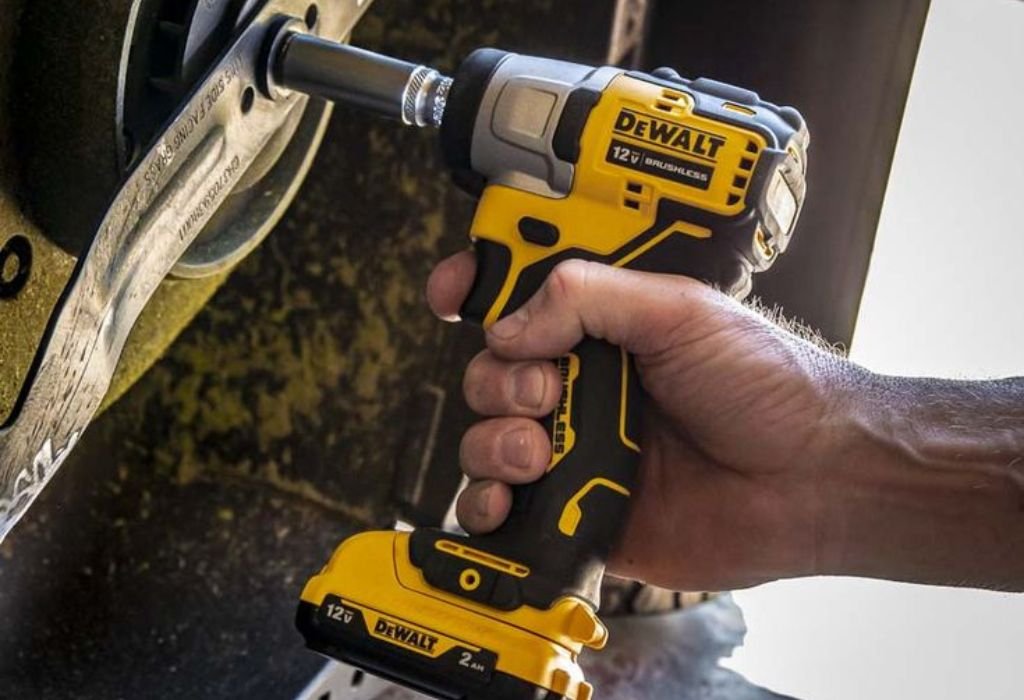
An impact wrench operates at high speeds under heavy torque, which generates friction and heat.
Without proper oiling, that friction wears out bearings, seals, and vanes, causing your wrench to lose power and efficiency.
Moisture in compressed air also accelerates corrosion inside the housing.
Over time, rust particles can grind against internal parts and lead to permanent damage.
Regular lubrication protects the air motor and hammer mechanism, ensuring smooth airflow, consistent torque, and a longer lifespan.
Why does my Earthquake impact wrench lose power?
Because friction increases when the tool isn’t lubricated, causing resistance and power loss.
What happens if I don’t oil it regularly?
Lack of oil causes internal rust, air leaks, and eventual motor failure.
How often should I oil my Earthquake impact wrench?
Add 4–6 drops before each use or at least once every 8 hours of operation.
Does oil improve torque?
Yes. A properly lubricated wrench can deliver up to 20 % more torque than a dry tool.
Can too much oil damage it?
Yes. Over-oiling clogs air passages and reduces performance.
2. Tools and Supplies You’ll Need
Gather these before you start:
- Air-tool oil (non-detergent SAE 10 or 15 weight)
- Needle oiler or dropper bottle for precise application
- Clean microfiber cloth to wipe residue
- Air compressor and hose
- Protective gloves and goggles
Can I use motor oil instead?
No. Motor oil contains detergents that harm seals.
What type of oil is best?
Use oil labeled pneumatic or air-tool lubricant.
Can I use WD-40?
No. WD-40 is a cleaner, not a lubricant. It evaporates fast.
Do I need different oil for winter?
Yes. Choose lightweight pneumatic oil below 40 °F (4 °C).
3. Step-by-Step: How to Oil Earthquake Impact Wrench
Step 1 – Disconnect Air Supply
Always detach the air hose before adding oil.
Never oil a pressurized tool — it’s a safety hazard.
Step 2 – Clean the Air Inlet
Wipe away dust, grease, and debris so nothing enters the tool during oiling.
Step 3 – Add Oil to the Air Inlet
Place 4–6 drops of pneumatic oil directly into the inlet.
Let it sit 30 seconds, reconnect the hose, and run the wrench for 10–15 seconds to circulate the oil.
Step 4 – Grease the Hammer Mechanism (If Applicable)
Some Earthquake XT models need periodic hammer-case greasing.
Remove the front housing, apply 1 teaspoon of impact-mechanism grease, and reassemble.
Step 5 – Store Correctly
After use, add a few drops of oil and store the tool in a dry area.
This prevents internal rust and moisture buildup.
Where do I put the oil?
Into the air inlet at the base of the handle.
How much oil per use?
4–6 drops.
Do I need to oil after every job?
For heavy use, yes. Light users can oil every 2–3 sessions.
Oil or grease inside the hammer?
Grease inside; oil for air-motor components.
Best daily routine?
Oil before use, run 10 seconds, then get to work.
4. Maintenance Schedule
| Interval | Task | Purpose |
| Every Use | Add 4–6 drops of air-tool oil | Keeps vanes and seals lubricated |
| Weekly | Inspect air hose & filter | Removes water and debris |
| Monthly | Grease hammer mechanism | Prevents impact wear |
| 6 Months | Check torque output | Ensures consistent performance |
| Yearly | Replace O-rings/seals | Restores airtight efficiency |
How do I know it needs oiling?
If it runs slow, squeals, or sputters, add oil.
Do all models need the same care?
Yes, XT and standard Earthquake models do.
How long does oil last?
Roughly 8 hours of continuous use.
Can oiling fix power loss?
If dryness is the cause, yes.
Should I drain hoses after use?
Yes, to remove trapped moisture.
5. Common Oiling Mistakes
- Using motor oil instead of pneumatic oil.
- Skipping pre-use lubrication.
- Adding excessive oil (causes sputtering).
- Ignoring air-line moisture traps.
- Failing to clean filters regularly.
Why is my wrench spitting oil?
It’s over-oiled or moisture is present.
Can oil attract dirt?
Yes, clean the exterior after each use.
Will oil stop air leaks?
No, damaged seals must be replaced.
Is synthetic oil better?
Yes, it withstands heat and oxidation better.
Can I mix different oils?
No. Mixing changes viscosity and protection.
6. Extra Tips for Long-Lasting Performance
- Use an inline oiler for automatic lubrication.
- Drain your compressor daily to remove condensation.
- Keep a maintenance log.
- Avoid leaving the wrench connected to the compressor.
- Use clean, dry air (install a moisture separator).
What is an inline oiler?
A device that automatically feeds small oil amounts through the air line.
Do I still need manual oiling?
Occasionally, especially before storage.
How can I prevent rust?
Oil frequently and store the tool in a dry place.
Can I use it in humid conditions?
Yes, but oil before and after each job.
Should I use air-tool cleaner?
Yes, once per month to remove sludge.
7. Troubleshooting After Oiling
- Wrench won’t spin: check for blocked air filter or over-oiling.
- Low torque: inspect hoses or seals for leaks.
- Oil sprays from exhaust: too much oil added.
- Loud noise: hammer mechanism may need grease.
Why is it still weak after oiling?
Likely internal wear or restricted airflow.
How do I know it’s over-oiled?
Oil mist or droplets from exhaust indicate excess.
What if it leaks air?
Tighten fittings or replace seals.
Can oil clog the exhaust?
Yes, if too much is used.
Should I re-oil after cleaning?
Always — cleaners strip old lubrication.
8. Safety and Storage Guidelines
- Disconnect air supply before maintenance.
- Wear goggles when testing the tool.
- Keep oil away from children and open flames.
- Store the wrench horizontally to prevent oil drainage.
- Run the tool briefly before long storage to spread oil evenly.
Can I hang my impact wrench?
Yes, but ensure the air line is removed.
Should I drain compressor tanks often?
Daily draining is ideal to prevent moisture contamination.
Is indoor storage necessary?
Preferably, keep it in a low-humidity environment.
9. Conclusion
Proper lubrication is the lifeblood of your Earthquake impact wrench.
Just a few drops of quality pneumatic oil before and after use protect the internals, boost torque, and extend service life dramatically.
Follow a consistent oiling schedule, use the right lubricant, and avoid over-oiling or neglect.
A well-maintained Earthquake wrench delivers smooth, reliable power for years — saving you costly repairs and downtime.

I’m Michael R. Turner, the founder, lead writer, and passionate DIY enthusiast behind 101diytools.com. With years of hands-on experience in home improvement and power tools, I built this platform to share practical tips, in-depth guides, and honest reviews to help DIYers of all skill levels tackle projects with confidence and the right tools.