How to Oil Craftsman Impact Wrench the Right Way
A stubborn bolt refuses to budge, your Craftsman impact wrench growls weakly, and every squeeze of the trigger feels slower than before.
What once unleashed raw torque now struggles to spin freely, leaving you wondering if your trusted tool is wearing out.
In most cases, the problem isn’t the motor, the air pressure, or even the compressor — it’s simply a lack of proper lubrication.
Oiling your Craftsman impact wrench isn’t just about smooth operation; it’s the difference between a powerhouse and a sluggish air tool.
Without regular oiling, internal parts like vanes, bearings, and the hammer mechanism grind against each other, causing early wear and torque loss.
According to Ingersoll Rand, improper lubrication can reduce pneumatic tool performance by up to 30%.
Moisture in compressed air lines also adds to the problem, corroding delicate components and washing away the thin oil film that protects them.
That’s why experienced mechanics and DIY professionals make oiling a non-negotiable part of their maintenance routine.
Just a few drops of air tool oil before and after each use can keep your wrench spinning at full strength for years.
The process takes less than a minute, yet it can add thousands of working hours to your tool’s life.
If your Craftsman impact wrench feels weak, noisy, or inconsistent, don’t rush to buy a new one.
Instead, learn how to oil it the right way — the same method recommended by tool experts and manufacturers.
This complete guide explains everything step-by-step, from identifying oil ports to choosing the right lubricant and avoiding common mistakes.
By the end, you’ll know how to keep your Craftsman impact wrench performing like new every time.
Why Oiling Your Craftsman Impact Wrench Matters
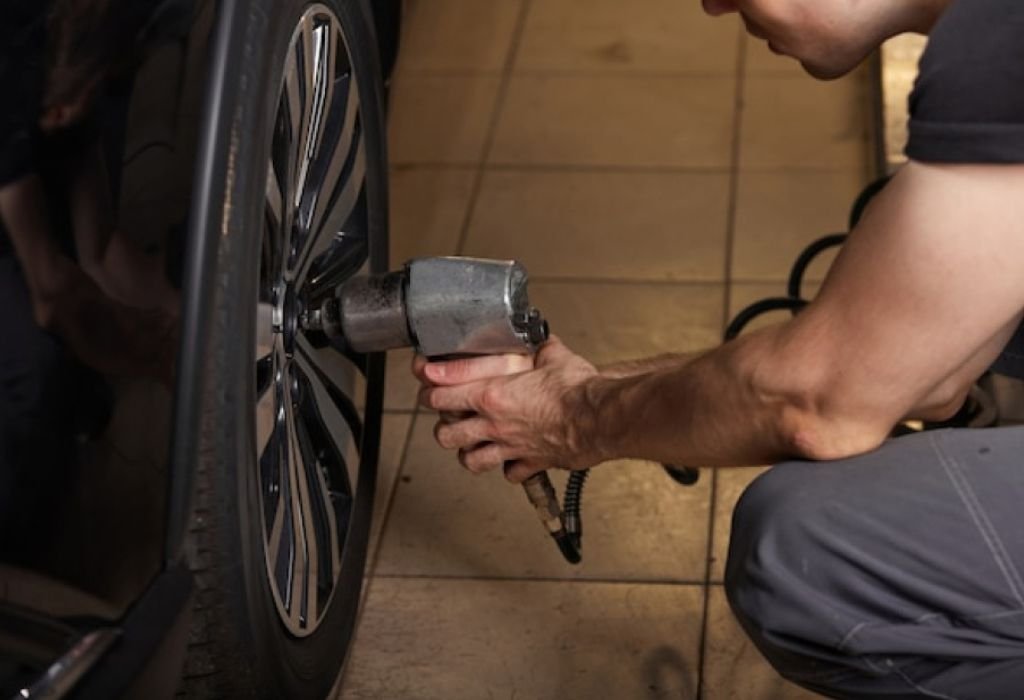
Every air tool depends on smooth airflow and clean lubrication to operate efficiently.
Your Craftsman impact wrench uses compressed air to spin vanes inside its motor, generating torque through a hammer-anvil system.
When oil is missing, friction builds between those metal parts, slowing rotation and wearing surfaces prematurely.
The result is low torque, squealing sounds, and erratic performance.
Oiling provides a thin protective film that reduces friction and seals out moisture.
It also prevents corrosion, one of the main culprits behind air tool failure.
According to Chicago Pneumatic Tools, up to 70% of air tool issues are caused by lack of lubrication or contaminated air.
Think of oil as the wrench’s bloodstream — it keeps every internal part alive, moving, and strong.
Without it, even a premium Craftsman wrench can degrade within months of regular use.
Choosing the Right Oil for a Craftsman Impact Wrench
Not all lubricants are created equal.
Using the wrong oil can gum up internal parts or even block air passages.
Always use non-detergent air tool oil, typically rated between ISO 22–32 viscosity.
Avoid automotive or motor oil since they contain additives that attract dust and carbon buildup.
If you’re unsure, Craftsman recommends general air tool oil from reputable brands like Marvel, Lucas, or Ingersoll Rand.
You can also use synthetic air tool oils for extra corrosion resistance in humid climates.
Pro Tip: Store your oil in a sealed plastic dropper bottle to prevent contamination.
Tools and Materials You’ll Need
Before starting, gather these items to make oiling simple and clean:
- Air tool oil (ISO 22–32 rated, non-detergent)
- Small dropper or needle-tip oil bottle
- Clean rag or towel
- Air compressor capable of 90 PSI
- Optional: inline oiler, air filter, and moisture separator
Having everything ready ensures you won’t skip any steps once you begin.
A clean workspace also prevents dirt from entering your wrench’s air intake.
Step-by-Step: How to Oil a Craftsman Impact Wrench
Step 1: Disconnect the Air Supply
Always begin by detaching the air hose from the tool.
This prevents accidental trigger activation and keeps you safe from injury.
Never oil your wrench while it’s still connected to the compressor.
Step 2: Clean the Air Inlet
Wipe around the air inlet port using a clean cloth.
Any dust, metal shavings, or debris can mix with the oil and cause damage inside the motor.
Keeping this area spotless ensures smooth airflow during operation.
Step 3: Add 4–6 Drops of Air Tool Oil
Apply 4–6 drops of air tool oil directly into the air inlet where the hose connects.
Tilt the wrench slightly upward so the oil flows into the internal motor vanes.
For heavy or daily use, you may add up to 8 drops, but never exceed that amount.
Step 4: Reconnect the Air Hose
Attach the air hose firmly and let the wrench run for 10–15 seconds at low speed.
This helps distribute the oil evenly throughout the rotor, bearings, and hammer mechanism.
You’ll notice smoother spinning and quieter operation almost immediately.
Step 5: Wipe Excess Oil
Once finished, disconnect the air hose again and wipe any oil drips.
Excess oil can attract dust or leak into the work area, creating a sticky mess.
A quick wipe ensures your tool remains clean and efficient.
Lubricating the Hammer Mechanism
Besides the air motor, your Craftsman wrench’s hammer case also needs attention.
This chamber takes the most abuse from repetitive impacts.
Every 3–6 months, remove the hammer case according to the user manual.
Clean out old grease and apply a small amount of impact wrench hammer grease or moly-based grease.
Avoid over-greasing; a thin, even coat is enough to cushion impacts without slowing the hammer.
This maintenance step keeps your hammer mechanism powerful and consistent during high-torque jobs.
Air Pressure and Moisture Management

Even with proper oiling, your impact wrench can still underperform if air pressure is off.
Craftsman wrenches are optimized for 90 PSI at the tool, not at the compressor gauge.
If your hose or fittings are long or narrow, you may lose 10–20 PSI before the air reaches the wrench.
Always check air pressure directly at the tool using an inline gauge.
Consistent pressure ensures maximum torque and efficiency.
Moisture is another silent killer of air tools.
Condensed water inside your air line can wash away oil and cause rust.
Install an air filter, regulator, and lubricator (FRL) system to keep your air clean and dry.
Drain your compressor tank daily, especially in humid environments.
Maintenance Schedule for Craftsman Impact Wrench
| Usage Type | Frequency | Maintenance Action |
| Daily Heavy Use | Every 4 hours | Add 4–6 drops of oil |
| Regular DIY | Before and after each use | 4–6 drops |
| Long-Term Storage | Before storage | 8–10 drops, run for 15 sec |
| Hammer Case Grease | Every 3–6 months | Clean and re-grease |
Following this schedule prevents wear, reduces downtime, and keeps your wrench ready for every project.
Common Oiling Mistakes to Avoid
Even seasoned users make simple oiling errors that reduce tool life.
Avoid these common pitfalls:
- Using motor oil or WD-40: These products don’t protect high-speed air tools and may cause gumming.
- Over-oiling: Too much oil clogs air passages and causes sluggish operation.
- Skipping moisture control: Water in the air line strips oil away and leads to corrosion.
- Ignoring the hammer case: Neglecting this section reduces impact force and increases vibration.
- Running at excessive PSI: High pressure strains seals and internal components.
Troubleshooting Low Performance
If your Craftsman impact wrench feels weak even after oiling, check these quick fixes:
| Problem | Likely Cause | Solution |
| Low torque output | Lack of oil or moisture buildup | Add 4–6 drops and drain air tank |
| Squealing sound | Dry motor vanes | Lubricate air inlet and run for 15 sec |
| Sticky trigger | Over-oiling | Clean air inlet with a few drops of solvent |
| Reduced speed | Clogged filter or dirty hose | Replace filter and inspect air line |
| Uneven impacts | Old grease in hammer case | Re-grease with impact hammer lubricant |
Addressing these issues early prevents bigger mechanical failures later.
Caring for Cordless Craftsman Impact Wrenches
If you own a cordless Craftsman impact wrench, the oiling process is different.
Electric models don’t require internal oil because they use sealed bearings and electric motors.
However, the anvil and drive head still need periodic lubrication.
Apply a small amount of impact-rated grease to the anvil every few months to maintain smooth socket changes.
Avoid oiling near vents or switches — it can damage internal electronics.
Clean your cordless model regularly to prevent dust buildup that may affect cooling.
Storage and Long-Term Care

Proper storage extends your wrench’s lifespan just as much as oiling.
Before putting it away for more than a week, add 8–10 drops of oil into the air inlet.
Run the wrench briefly to coat the internals evenly.
Store it in a dry, dust-free case away from moisture or direct sunlight.
If possible, place a small silica gel packet inside the storage case to absorb humidity.
Never store your wrench connected to an air hose — trapped pressure can damage seals over time.
When to Replace Internal Parts
Even with perfect oiling, wear eventually occurs.
If torque remains low despite fresh oil and proper pressure, inspect these parts:
- Rotor vanes (may need replacement every few years)
- O-rings and gaskets (dry or cracked seals cause air leaks)
- Hammer pins and anvil (replace if worn or chipped)
Craftsman offers replacement kits for most impact wrenches, making repairs easy for experienced users.
Replacing worn components can bring your tool back to factory performance levels.
Safety and Environmental Care
Oiling involves small quantities, but always handle lubricants responsibly.
Wear gloves when applying oil to avoid skin irritation.
Never dispose of used oil in drains or soil — collect and recycle it properly at an approved facility.
Avoid spraying oil around connected tools or electrical outlets.
A clean, well-lit workspace ensures safety and efficiency during maintenance.
Conclusion
A well-oiled Craftsman impact wrench is a powerhouse that delivers consistent torque and lasting reliability.
Neglecting lubrication leads to sluggish performance, corrosion, and costly repairs.
By following this simple oiling routine — just 4–6 drops before and after each use — you can extend the tool’s lifespan dramatically.
Whether you’re a professional mechanic or a DIY enthusiast, this habit will keep your wrench performing like the day it left the box.
Remember, oil is the cheapest insurance for your most powerful tool.

I’m Michael R. Turner, the founder, lead writer, and passionate DIY enthusiast behind 101diytools.com. With years of hands-on experience in home improvement and power tools, I built this platform to share practical tips, in-depth guides, and honest reviews to help DIYers of all skill levels tackle projects with confidence and the right tools.